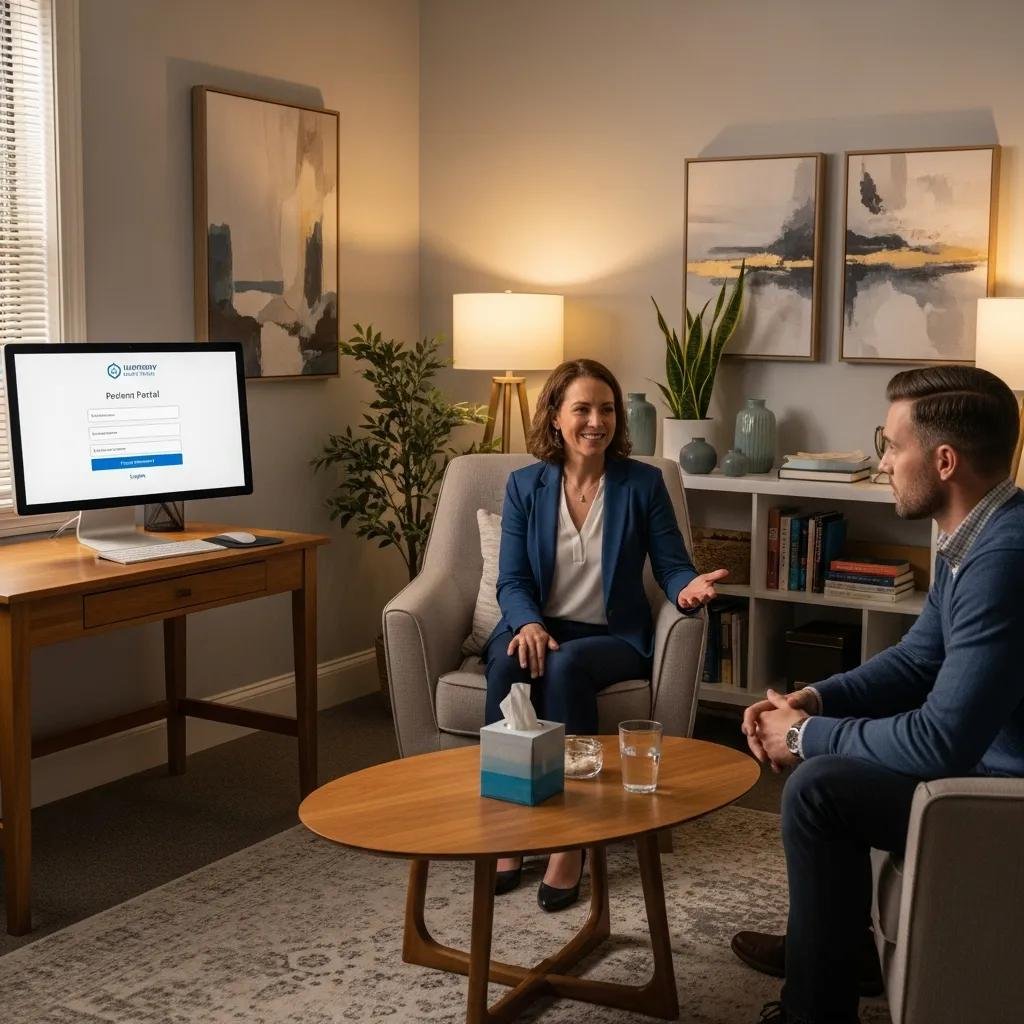
Understanding The Risk of Platform Dependency: Essential Insights and Website Ownership Benefits for Therapists
Therapists must choose between relying on third‑party platforms and owning an independent website. Platform dependency can limit control over brand presentation, client data, and discoverability. This article summarises the key risks of platform reliance and the practical advantages of a professionally owned website, plus concise strategies for a resilient online presence.
Advantages of Website Ownership

Owning a website delivers operational and business benefits that support client acquisition and long‑term growth.
- Control Over Branding: Create and maintain a distinct online identity aligned with your practice.
- Enhanced Client Engagement: Use blogs, newsletters, and targeted content to connect directly with clients.
- Improved SEO and Visibility: A focused site improves search rankings and discoverability.
These capabilities make a dedicated website a practical foundation for modern practice management.
Potential Pitfalls of Platform Dependency
Relying mainly on third‑party platforms introduces operational and reputational risks that can harm stability and growth.
- Limited Control: Platforms often restrict customization and service presentation.
- Reputation Vulnerability: Policy or ranking changes can reduce visibility and affect reputation.
- Algorithm Changes: Sudden algorithm updates may cut traffic without warning.
Understanding these limits helps you prioritise long‑term visibility and client trust.
Strategies for Maintaining an Independent Online Presence
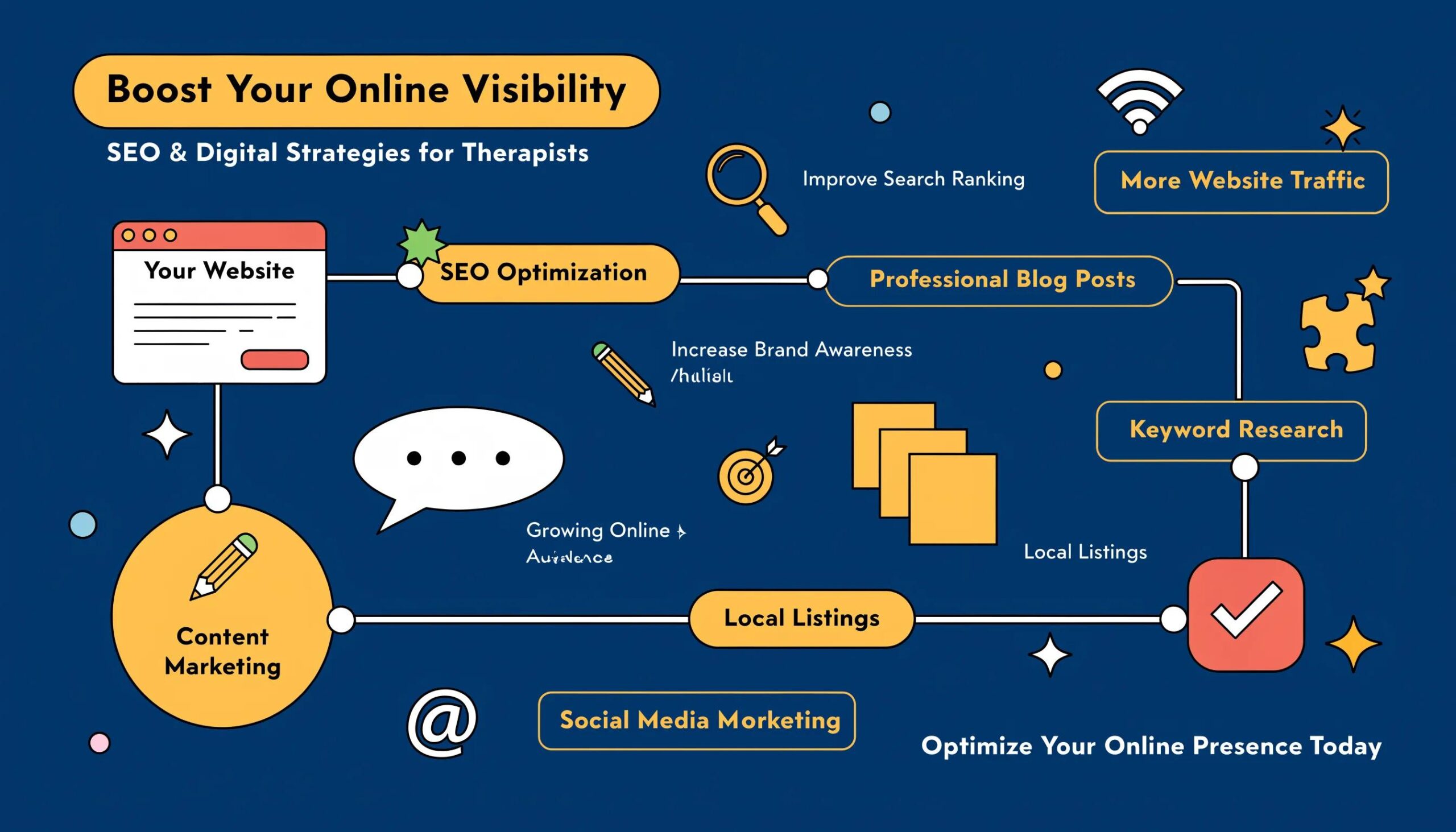
Independence combines technical setup with content and audience work.
- Invest in a Custom Website: A professionally designed site supports branding and necessary features.
- Apply Core SEO: On‑page SEO and local content improve findability.
- Use Content Marketing: Regular, useful content builds authority and encourages enquiries.
Together these measures improve the conversion path from search to consultation.
What is Platform Dependency and Why Does It Matter for Therapist Websites?
Platform dependency means relying on external services for outreach, scheduling, or distribution. When core functions live on third‑party systems, platform rules and policies influence how clients find and interact with your practice.
How Platform Dependency Creates Risks in Client Data Control and Visibility
Client confidentiality and data governance are central to therapy. Third parties can complicate data control and change how client information is accessed or managed.
- Potential Data Mismanagement: External platforms may mishandle or retain data in ways you cannot control.
- Visibility Issues: Algorithm or policy shifts can reduce consistent visibility.
Evaluating these risks is essential to protect confidentiality and maintain steady client access.
What Are the Common Platform Risks Affecting Mental Health Professionals?
Common risks include loss of autonomy, constrained branding, and mediated client relationships when platforms sit between you and your clients.
- Dependence on Third‑Party Platforms: External variables shape reach and access.
- Limited Branding: Templates and restricted layouts reduce personal expression.
- Client Relationship Mediation: Intermediary platforms can weaken direct client engagement.
Recognising these risks supports a strategy that favours direct, owned channels.
How Website Ownership Mitigates Platform Dependency Risks for Therapists
An owned website restores control over presentation, content, and client interactions.
- Unique Brand Identity: Custom design communicates your approach clearly.
- Content Control: You decide what content appears and how it is presented.
- SEO Resilience: An optimised site reduces reliance on external ranking signals.
These elements help extend reach and improve client engagement on your terms.
What Are the Key Benefits of Owning a Professional Therapist Website?
A professional site supports client engagement, gives you control over your public profile, and improves visibility to prospective clients.
- Client Engagement: Clear, tailored content fosters stronger connections.
- Control Over Presence: You control services, messaging, and presentation.
- Improved Visibility: Structured content and SEO attract relevant traffic.
How Does Website Ownership Enhance Therapist Digital Presence and Client Retention?
Regular content and accessible tools (contact forms, booking links, resources) support discoverability and ongoing client relationships.
- Brand and Content Control: Shape your narrative and evidence your expertise.
- Credibility: A professional site strengthens trust with prospective clients.
- Direct Engagement: Built‑in contact and scheduling reduce friction in intake.
What Professional Web Design Solutions Help Therapists Avoid Platform Dependency?
Design solutions should prioritise clarity, usability, and maintenance so your site remains a reliable client hub.
- Custom Design Features: Tailored elements support your unique services.
- User‑Friendly Interfaces: Simple navigation improves client experience.
- Ongoing Support: Maintenance keeps content and security current.
These design choices sustain an independent, client‑focused presence.
How Does Therapeia Web Design Support Custom, Owned Therapy Websites?
Therapeia provides bespoke sites that balance quick deployment, SEO readiness, and security suited to confidentiality needs.
- Rapid Deployment: Launch quickly with professional structure.
- SEO Integration: Built‑in fundamentals to help initial visibility.
- Security Compliance: Design choices that respect data privacy and secure client interactions.
What Strategic Approaches Improve Clinical UX and Conversion Architecture?
Good UX reduces friction and guides visitors toward booking.
- Clear Navigation: Make services and next steps obvious.
- Mobile Responsiveness: Ensure access across devices.
- Trust‑Building Content: Use clear, reassuring language and helpful resources.
These practices help convert visitors into consultations.
How Can Therapists Transition from Directory Dependency to Website Ownership?
Transition by auditing current channels, choosing suitable website technology, and publishing consistent, targeted content to build authority.
- Assess Current Presence: Identify where traffic and leads already come from.
- Choose a Platform: Pick a simple, maintainable website system.
- Build Authority: Publish useful content that addresses client needs.
These steps create a structured move to an owned hub that supports retention and growth.
What Are Step-by-Step Best Practices for Shifting to an Owned Website?
Plan the project, implement SEO basics on launch, and monitor performance to maintain continuity.
- Create a Timeline: Stage content migration and launch tasks.
- Implement SEO: Prioritise titles, meta descriptions, and local signals.
- Track Performance: Use analytics to guide ongoing improvements.
These practices reduce transition risk and support steady growth post‑launch.
How to Monitor and Maintain Control Over Your Digital Practice Environment?
Maintain governance with analytics, strict privacy practices, and periodic reviews of client engagement.
- Performance Tracking: Regular analytics reviews reveal visitor behaviour and conversion points.
- Data Privacy: Use HTTPS, clear policies, and secure client portals.
- Engagement Analysis: Adjust content based on what clients find useful.
These measures keep your digital practice controlled, secure, and effective.
Frequently Asked Questions
What should therapists consider when choosing a domain name for their website?
Pick a memorable, concise name aligned with your practice brand. Prefer easy spelling, and check availability and trademark issues before registering.
How often should therapists update their website content?
Update core pages every few months and publish new blog posts or resources regularly to support SEO and demonstrate active expertise.
What features should a therapist’s website include for optimal client engagement?
Include clear navigation, service descriptions, a blog or resources, testimonials, and an appointment booking or contact system to streamline intake.
Can therapists still use third-party platforms after establishing their own website?
Yes. Use third‑party platforms for additional visibility but treat your website as the primary hub where data and client relationships are centralised.
How can therapists track the effectiveness of their website?
Use analytics (for example, Google Analytics) to monitor traffic, behaviour, and goal completions, and combine metrics with client feedback to refine performance.
What are some SEO best practices for therapists?
Use relevant keywords naturally, optimise meta tags, ensure fast load times, make pages mobile‑friendly, and use descriptive image alt text. Localised content helps attract nearby clients.
How can therapists ensure client confidentiality on their website?
Secure the site with HTTPS, publish a clear privacy policy, and use secure portals for sensitive communications. Follow applicable privacy regulations to protect client data.
Conclusion
Website ownership restores control over branding, client interaction, and data governance while improving discoverability and professional credibility. A professional, well‑maintained site reduces exposure to platform risk and serves as the primary hub for client engagement and practice growth. Consider tailored web design and basic SEO to begin strengthening your digital presence.