
HIPAA Compliance for Therapist Websites: Ensuring Secure and Confidential Mental Health Web Platforms
Protecting online privacy is essential for therapist websites. HIPAA sets standards to protect patient health information and preserve privacy. For mental health professionals, compliance secures client data and reinforces credibility. This article covers core HIPAA requirements, technical safeguards for secure web design, HIPAA-compliant web forms, and how compliance supports practice growth.
What Are the Core HIPAA Requirements for Therapist Websites?
HIPAA compliance depends on two primary components: the Privacy Rule and the Security Rule. Together they require healthcare providers, including therapists, to protect confidentiality and apply appropriate safeguards when handling electronic patient information.
Which Privacy and Security Rules Must Therapist Sites Follow?
Therapist websites must meet specific HIPAA obligations. Key requirements include:
- Patient Privacy: Keep client health information confidential and disclose it only with consent.
- Data Security: Apply administrative, physical, and technical safeguards to reduce breach risk.
- Breach Notification: Maintain procedures to notify affected individuals and authorities after a breach.
Following these rules is necessary for legal compliance and to maintain client trust.
How Do 2023 HIPAA Updates Impact Therapist Website Design?
Recent HIPAA clarifications increase expectations for encryption and transmission protections. Sites should adopt stronger encryption, stricter access controls, and enhanced authentication such as multi-factor authentication and secure data storage to meet updated standards.
How to Implement Secure Web Design for Mental Health Practices?
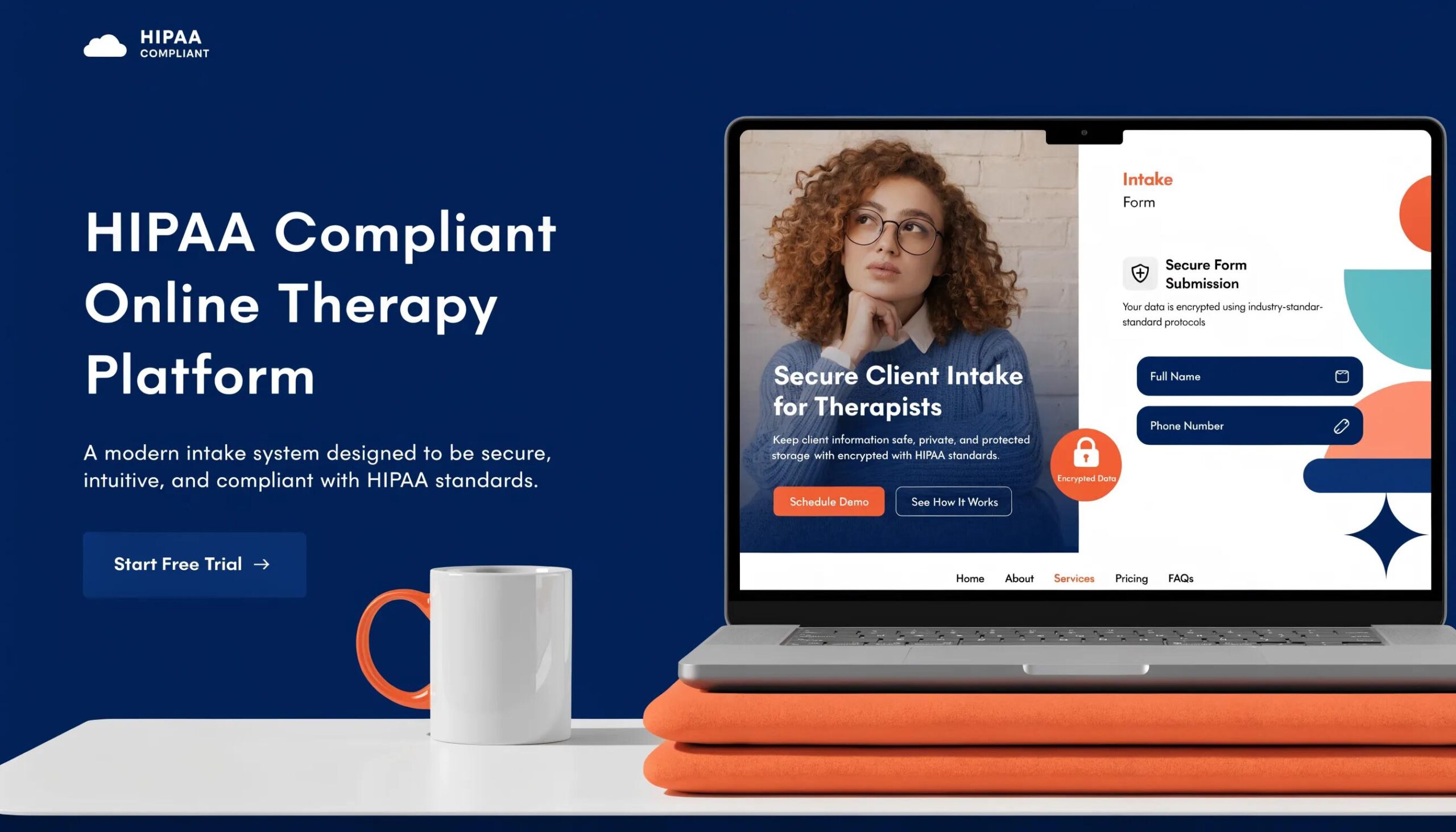
Secure web design combines regulatory controls with a clear user experience. Design sites to protect client data while minimising friction for prospective and current patients.
What Technical Measures Ensure Confidential Therapist Web Platforms?
Key technical measures include:
- SSL Certificates: Encrypt data between users and the website.
- Regular Security Audits: Periodic audits identify and fix vulnerabilities.
- Secure Hosting Solutions: Use HIPAA-aware hosting with appropriate protections and agreements.
Together these controls create a resilient framework for secure online interactions.
How Can Secure Online Therapy Forms Protect Patient Data?
HIPAA-compliant intake forms should incorporate:
- Data Encryption: Encrypt data in transit and at rest.
- User Authentication: Require identity verification where appropriate.
- Regulatory Alignment: Ensure forms and storage meet HIPAA handling standards.
These measures reduce unauthorized access and reinforce client confidence.
What Are Best Practices for HIPAA Web Forms and Client Communication?
Clear procedures for forms and communication strengthen security and client confidence while keeping access straightforward.
How to Integrate User-Friendly, HIPAA-Compliant Digital Intake Forms?
Balance accessibility and security with strategies such as:
- Simple Design: Use concise layouts to reduce user error.
- Guidance: Provide inline help to clarify requested information.
- Mobile Optimization: Ensure forms work well on phones and tablets.
These steps improve completion rates while maintaining compliance.
Which Features Build Patient Trust Through Secure Online Communication?
Features that support secure communication include:
- Transparent Communication Policies: Explain how information is used and shared.
- Secure Messaging Systems: Use encrypted messaging platforms for client communication.
- Prompt Responses: Responding quickly demonstrates reliability and care.
These practices help clients feel secure and valued.
How Does HIPAA Compliance Support Therapist Practice Growth and Lead Conversion?
Beyond legal duty, HIPAA compliance affects client perception and conversion. Clear security practices reduce friction and increase confidence, which can aid lead generation and practice growth.
Why Does Compliance Enhance Therapist Credibility and Client Booking Rates?
A documented commitment to data protection improves credibility and makes clients more likely to book. Compliance can:
- Boost Client Confidence: Demonstrate secure handling of information.
- Enhance Reputation: Support referrals and positive reviews.
- Increase Conversion Rates: Reduce barriers to scheduling consultations.
HIPAA compliance thus serves both legal and business goals.
What Role Do Encrypted Client Portals Play in Patient Retention?
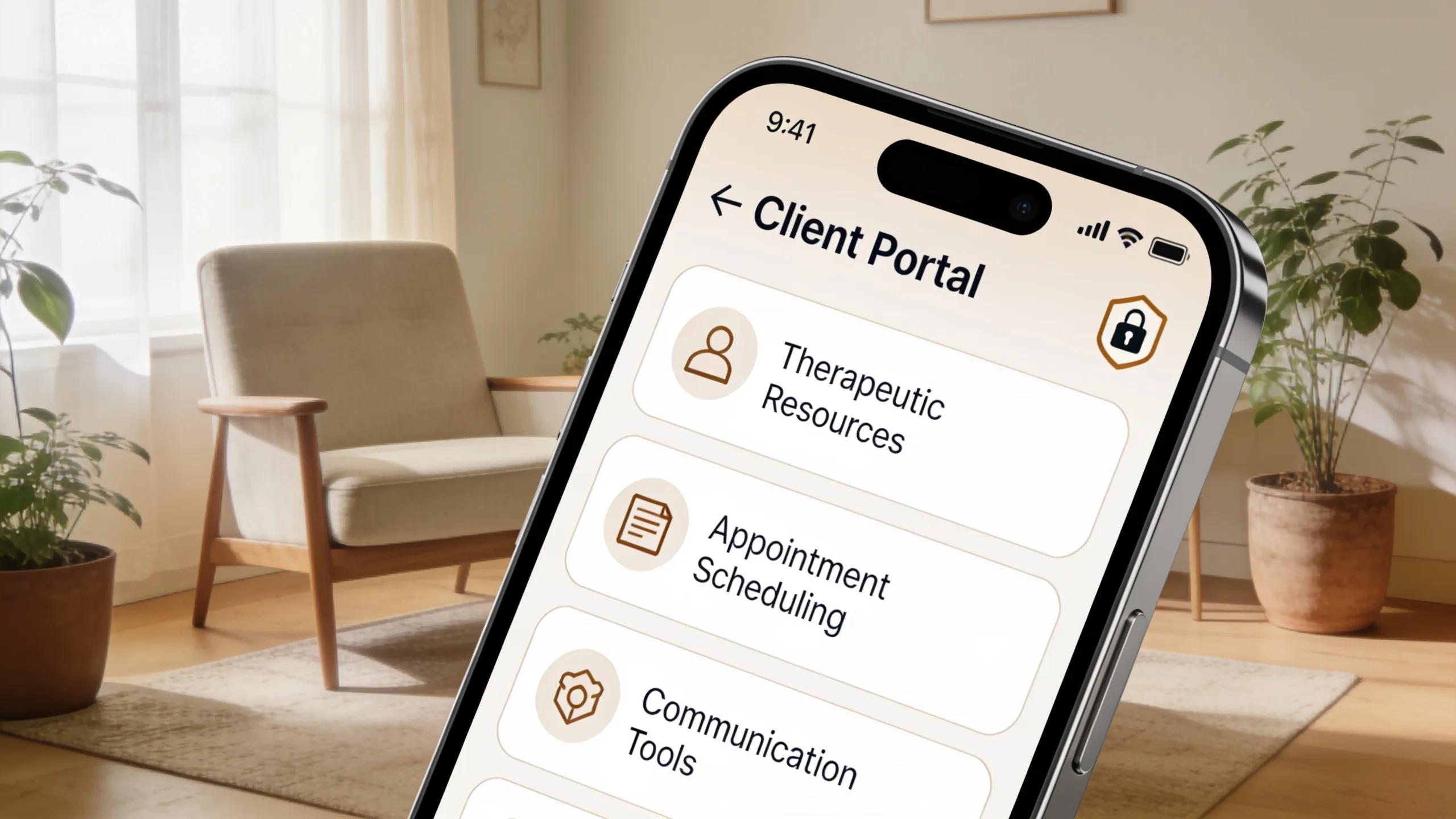
Encrypted portals support retention by centralising secure communication and resources.
- Facilitate Secure Communication: Enable private exchanges without exposing data.
- Provide Access to Resources: Store materials, appointments, and notes securely.
- Support Patient Autonomy: Let clients manage access and information safely.
Secure portals increase engagement while reinforcing HIPAA adherence.
Frequently Asked Questions
What steps can therapists take to train staff on HIPAA compliance?
Provide structured training that covers the Privacy and Security Rules, offer role-specific resources, run annual refreshers, and use practical scenarios so staff can recognise and respond to privacy risks.
How can therapists ensure their website content is HIPAA compliant?
Never publish client-specific information without consent, use encrypted channels for communications, post clear privacy notices, and consult legal counsel to verify content and practices.
What should therapists do if they suspect a data breach?
Act immediately: contain the incident, notify the HIPAA officer and IT team, follow breach-notification rules for affected clients and regulators, and document remediation steps.
How can teletherapy practices remain HIPAA compliant?
Use telehealth platforms configured for healthcare with encrypted audio/video, obtain informed consent that explains teletherapy data use, and train staff on secure virtual-session procedures.
What are the consequences of non-compliance with HIPAA for therapists?
Non-compliance can lead to fines, legal liability, and reputational harm. Maintaining compliance protects clients and the practice.
What types of software are recommended for HIPAA-compliant practice management?
Choose EHR and practice-management platforms with strong encryption, secure storage, audit trails, role-based access, and secure messaging; verify vendors will sign a Business Associate Agreement.
Conclusion
Maintaining HIPAA compliance protects sensitive client information and strengthens practice credibility. Implement technical controls, follow legal standards, review policies regularly, and prioritise updates to keep your website and tools aligned with regulatory expectations.