
Your Guide to GDPR Compliance and Therapy Website Laws
GDPR Compliance for Therapists: Your Questions Answered on Therapy Data Protection and Client Privacy
The General Data Protection Regulation (GDPR) is a critical framework that governs how personal data is handled, particularly in sensitive fields like therapy. For therapists, understanding GDPR compliance is essential to protect client privacy and maintain trust. This article will provide comprehensive insights into the key principles of GDPR, how therapists should manage personal and sensitive data, and the specific consent requirements necessary for compliance. By addressing common questions and concerns, therapists can navigate the complexities of data protection effectively.
In this guide, we will explore the fundamental GDPR principles every therapist must know, the best practices for handling client data, the requirements for obtaining consent, and how to craft a compliant privacy policy. Additionally, we will discuss the responsibilities of therapists as data controllers and how to respond to data breaches. This knowledge is vital for ensuring that therapy practices align with legal standards while fostering a secure environment for clients.
While GDPR provides a robust framework, the evolving digital landscape in mental health services presents unique challenges that therapists must navigate.
GDPR for Mental Health Services: Mitigating Digital Data Risks
We argue that the GDPR is an adequate tool to mitigate risks related to mental data processing. However, we also highlight that the digital shift in mental health services poses new challenges that require careful consideration.
Mental data protection and the GDPR, M Ienca, 2022
What Are the Key GDPR Principles Every Therapist Must Know?
Understanding the key principles of GDPR is essential for therapists to ensure compliance and protect client data. The regulation is built on several foundational principles that guide how personal data should be processed.
How Do Lawfulness, Fairness, and Transparency Apply to Therapy Practices?
Lawfulness, fairness, and transparency are core principles of GDPR that require therapists to process personal data legally and ethically. This means that therapists must have a valid legal basis for collecting and using client data, such as obtaining explicit consent or relying on other lawful bases like contractual necessity or legitimate interests where appropriate. Fairness involves ensuring that clients are treated justly and that their data is not used in ways they would not expect. Transparency requires therapists to inform clients about how their data will be used, stored, and shared, fostering trust and clarity in the therapeutic relationship.
What Are the Principles of Data Minimisation and Storage Limitation for Client Data?

Data minimisation and storage limitation are crucial for GDPR compliance. Therapists should only collect data that is necessary for the therapeutic process, avoiding excessive information that could compromise client privacy. Additionally, data should not be stored longer than necessary. Therapists must establish clear policies for data retention, ensuring that client information is securely deleted or anonymised when it is no longer needed. This approach not only complies with GDPR but also enhances client trust.
How Should Therapists Handle Personal and Sensitive Client Data Under GDPR?
Therapists often handle both personal and sensitive data, which requires careful management to comply with GDPR.
What Distinguishes Personal Data from Sensitive Data in Therapy?
Personal data refers to any information that can identify an individual, such as names, contact details, and demographic information. Special category data (often referred to as sensitive data) includes more private information, such as health records, mental health status, and therapy notes. Under GDPR, special category data requires a higher level of protection due to its nature. Therapists must implement stringent security measures to safeguard this information and ensure that it is only accessed by authorized personnel.
It is crucial for therapists to recognize that detailed records, such as therapy notes, are explicitly categorized as sensitive data under GDPR, demanding heightened protection.
Therapy Notes: Special Category Sensitive Data & GDPR
Notes of treatment sessions with clients are likely to fall under the definition of special category data, classed as sensitive data.
Data Protection, 2024
How Can Therapists Ensure Secure Data Storage and Confidentiality?
To ensure secure data storage and confidentiality, therapists should adopt several best practices. This includes using encrypted storage solutions, implementing access controls, and regularly updating security protocols. Additionally, therapists should conduct training sessions to educate staff about data protection practices and the importance of maintaining client confidentiality. By prioritizing security, therapists can protect sensitive client information and comply with GDPR requirements.
What Are the GDPR Consent Requirements for Counsellors and Therapists?
Consent is a fundamental aspect of GDPR, particularly for therapists who handle special category data.
How to Obtain and Manage Explicit Client Consent on Therapy Websites?
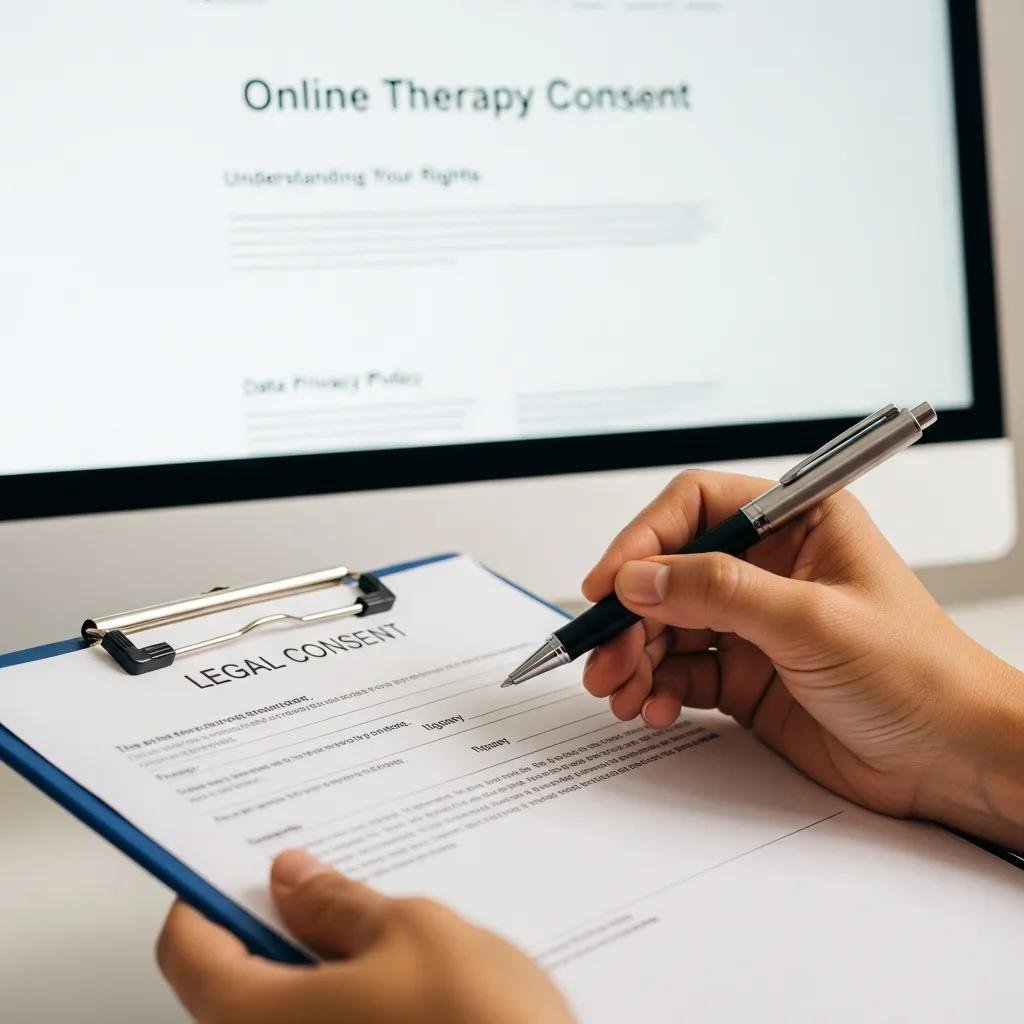
Obtaining explicit client consent is essential for GDPR compliance when consent is the chosen legal basis for processing special category data. Therapists should create clear and concise consent forms that outline how client data will be used. These forms should be easily accessible on therapy websites, allowing clients to review and provide consent before any data collection occurs. It is important to use straightforward language to ensure clients fully understand what they are consenting to, fostering transparency and trust.
The shift towards digital platforms for therapy introduces complex ethical considerations, particularly regarding data protection and consent, which require careful attention beyond traditional practices.
Digital Psychotherapy: Ethical Obligations, Data Protection & Consent
However, the lack of adequate regulation in this area exacerbates concerns over how safety, privacy, accountability, and other ethical obligations to protect an individual in therapy are addressed within these services. In the traditional therapeutic relationship, there are ethical obligations that serve to protect the interests of the client and provide warnings.
Ethical issues for direct-to-consumer digital psychotherapy apps: addressing accountability, data protection, and consent, K Kreitmair, 2018
What Are Best Practices for Consent Withdrawal and Record Keeping?
Therapists must also establish best practices for managing consent withdrawal. Clients should have the right to withdraw their consent at any time, and therapists must have procedures in place to document this process. Record keeping is crucial; therapists should maintain accurate records of consent forms and any changes made by clients. This not only complies with GDPR but also demonstrates accountability in data management.
How to Craft a GDPR-Compliant Privacy Policy for Your Therapy Website?
A well-crafted privacy policy is essential for informing clients about their data rights and how their information will be handled.
What Essential Elements Must a Therapist’s Privacy Policy Include?
A GDPR-compliant privacy policy should include several key elements. These include the types of data collected, the purpose of data processing, the legal basis for processing, and the rights of clients regarding their data. Additionally, therapists should outline how data will be stored, shared, and protected. By providing this information, therapists can ensure that clients are well-informed about their data rights and the measures taken to protect their privacy.
How Does a Privacy Policy Inform Clients About Data Processing and Rights?
The privacy policy serves as a vital communication tool between therapists and clients. It informs clients about their rights under GDPR, including the right to access their data, the right to rectification, the right to erasure, the right to restrict processing, the right to data portability, and the right to object. By clearly outlining these rights, therapists empower clients to take control of their personal information. Furthermore, a transparent privacy policy enhances trust and fosters a positive therapeutic relationship.
What Are Therapists’ Responsibilities as Data Controllers and ICO Registration Requirements?
As data controllers, therapists have specific responsibilities under GDPR that must be understood and adhered to.
When Must Therapists Register with the Information Commissioner’s Office?
Therapists must register with the Information Commissioner’s Office (ICO) if they process personal data as part of their business activities, unless they are exempt. Registration is a legal requirement that demonstrates compliance with data protection laws. Therapists should ensure that their registration is up to date and accurately reflects the types of data they handle. Failure to register when required can result in significant penalties, making it essential for therapists to understand their obligations.
What Are the Accountability Obligations for Therapists Under GDPR?
Under GDPR, therapists have accountability obligations that require them to demonstrate compliance with data protection principles. This includes maintaining records of data processing activities, conducting regular audits, and implementing appropriate security measures. Therapists must also be prepared to respond to data subject access requests and provide evidence of compliance if required. By fulfilling these obligations, therapists can ensure that they are meeting GDPR standards and protecting client data.
How Should Therapists Respond to Data Breaches and Client Data Access Requests?
Data breaches can occur despite best efforts, and therapists must be prepared to respond effectively.
What Is the Protocol for Reporting Data Breaches to the ICO and Clients?
In the event of a data breach, therapists must follow a clear protocol for reporting the incident. This includes notifying the ICO within 72 hours of becoming aware of the breach if it is likely to result in a risk to the rights and freedoms of individuals, and informing affected clients without undue delay if the breach is likely to result in a high risk to their rights and freedoms. Therapists should have a response plan in place that outlines the steps to take in the event of a breach, including assessing the impact, mitigating risks, and documenting the incident for future reference.
How to Handle Data Subject Access Requests Effectively?
Handling data subject access requests (DSARs) is a critical aspect of GDPR compliance. Therapists must have procedures in place to respond to these requests promptly and efficiently. Clients have the right to access their personal data, and therapists should provide this information within one month of the request. It is important to verify the identity of the requester to protect client confidentiality while ensuring compliance with GDPR requirements.
This table summarizes the key GDPR principles that therapists must adhere to, highlighting their importance in maintaining compliance and fostering trust with clients.
Therapists play a crucial role in safeguarding client data and ensuring compliance with GDPR. By understanding the key principles, implementing best practices for data management, and maintaining transparency with clients, therapists can create a secure environment that prioritizes client privacy. As the landscape of data protection continues to evolve, staying informed and proactive is essential for all therapy practices.