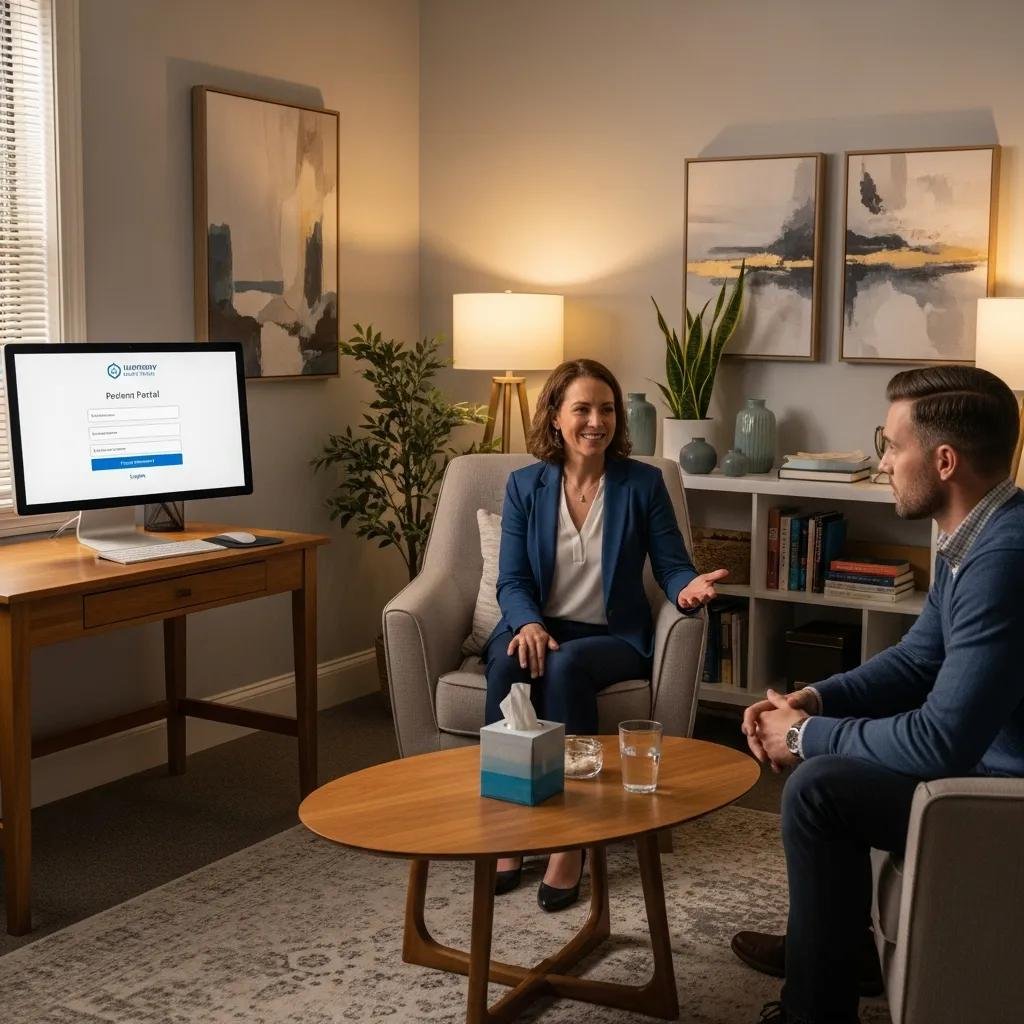
In the digital age, having a personal therapy website is crucial for mental health professionals looking to attract and retain clients. Unlike directory profiles, which often lack personalization and control, a dedicated website allows therapists to showcase their unique services and establish a strong online presence. This article explores the reasons why a custom therapy website can significantly enhance client bookings, focusing on proven strategies, key benefits, and effective marketing techniques. Many therapists struggle with client acquisition through generic directory listings, which can dilute their brand and limit engagement. By understanding the advantages of a personalized website, therapists can leverage their online presence to connect more effectively with potential clients. We will delve into the benefits of a custom therapy website, compare its effectiveness against directory profiles, and discuss essential SEO and marketing strategies that can improve client conversion rates.
Proven Strategies to Increase Client Bookings
To maximize client bookings, therapists can implement several effective strategies through their personalized websites. These strategies not only enhance visibility but also improve user engagement, leading to higher conversion rates.
- Online Booking Systems: Integrating an online booking system simplifies the appointment scheduling process for clients, making it easier for them to secure sessions without the back-and-forth of emails or phone calls.
- SEO Optimization: By optimizing their websites for search engines, therapists can increase their visibility in search results, attracting more potential clients actively seeking their services.
- Engaging Content: Creating informative and engaging content, such as blog posts or videos, can establish therapists as thought leaders in their field, fostering trust and encouraging potential clients to reach out.
These strategies collectively contribute to a more effective client acquisition process, setting the stage for deeper exploration of the benefits of a personalized therapy website.
Further emphasizing the importance of a structured approach, a comprehensive marketing strategy is essential for therapists aiming to generate new leads and guide them through the client acquisition process.
Therapist Client Acquisition & Marketing Strategy
This article outlines a patient acquisition strategy which any physical or manual therapist can adopt to generate new leads and nurture these and existing leads through the sales funnel,
A MARKETING STRATEGY FOR THERAPISTS., 2017
Key Benefits of a Personalized Therapy Website

A personalized therapy website offers numerous advantages that can significantly impact a therapist’s ability to attract and retain clients. Here are some key benefits:
- Credibility and Trust: A well-designed website enhances a therapist’s professional image, instilling confidence in potential clients.
- Brand Representation: Custom websites allow therapists to express their unique brand identity, differentiating themselves from competitors.
- User Experience: A tailored website can provide a seamless user experience, making it easy for clients to navigate and find the information they need.
Therapeia Web Design specializes in creating professional, custom websites tailored for therapists, counselors, life coaches, and mental health professionals. By focusing on these key benefits, therapists can create a strong online presence that resonates with their target audience.
Comparison of Effectiveness: Therapy Websites vs. Directory Profiles
When comparing therapy websites to directory profiles, several factors highlight the superiority of personalized websites in client acquisition.
- Visibility: Therapy websites can be optimized for search engines, increasing their chances of appearing in relevant search results, while directory profiles often compete with numerous other listings.
- Client Connection: A personalized website fosters a direct connection between the therapist and potential clients, allowing for tailored messaging and engagement.
- Control Over Content: Therapists have full control over the content on their websites, enabling them to present their services, values, and expertise in a way that resonates with their audience.
This comparison underscores the importance of investing in a custom therapy website to enhance client acquisition efforts.
What Are the Key Benefits of a Custom Therapy Website?
Custom therapy websites provide specific advantages that can lead to increased client engagement and bookings. Here are some of the most significant benefits:
- Increased Client Engagement: Personalized websites can include features such as blogs, resources, and testimonials that engage visitors and encourage them to take action.
- Improved Branding: A custom website allows therapists to showcase their unique approach and philosophy, helping to attract clients who align with their values.
- Enhanced Booking Capabilities: Integrating online booking systems directly into the website streamlines the scheduling process, making it more convenient for clients.
These benefits illustrate how a custom therapy website can effectively support therapists in their client acquisition efforts.
How Does a Personalized Website Enhance Client Conversion Rates?
Personalized websites enhance client conversion rates through several mechanisms that improve user experience and engagement.
- Unique Branding: A strong brand presence on a personalized website helps potential clients feel a connection to the therapist, increasing the likelihood of booking a session.
- User-Friendly Navigation: A well-structured website with intuitive navigation allows clients to find information quickly, reducing frustration and encouraging them to reach out.
- Clear Calls to Action: Effective use of calls to action throughout the website guides visitors toward booking appointments, making the process straightforward and inviting.
By focusing on these elements, therapists can significantly improve their conversion rates and ultimately increase their client base.
Which Features Make Therapy Websites More Effective Than Directory Profiles?
Several features distinguish therapy websites from directory profiles, contributing to their effectiveness in client acquisition.
- Unique Branding: Custom websites allow therapists to create a unique brand identity that reflects their values and approach, setting them apart from competitors.
- Comprehensive Features: Personalized websites can include various features such as blogs, resources, and client testimonials, providing a richer experience for visitors.
- User Experience: A focus on user experience design ensures that clients can easily navigate the website, find relevant information, and book appointments without hassle.
These features collectively enhance the effectiveness of therapy websites in attracting and retaining clients.
How Do Directory Profiles Limit Therapist Client Acquisition?
Directory profiles can pose several limitations for therapists seeking to acquire new clients.
- Limited Features: Many directory profiles offer minimal customization options, restricting therapists’ ability to showcase their unique services and approach.
- Lower Visibility: With numerous listings competing for attention, therapists may struggle to stand out in directory searches, leading to missed opportunities.
- Generic Client Engagement: Directory profiles often lack personalized messaging, making it difficult for therapists to connect with potential clients on a deeper level.
Understanding these limitations can help therapists recognize the value of investing in their own websites.
What Are the Drawbacks of Relying Solely on Directory Listings?
Relying solely on directory listings can hinder a therapist’s ability to effectively reach and engage potential clients. Some drawbacks include:
- Dependence on Directory Traffic: Therapists may find themselves reliant on the traffic generated by the directory, which can fluctuate and is often unpredictable.
- Limited Control Over Content: Directory profiles typically offer little control over the content presented, making it challenging for therapists to convey their unique value proposition.
- Generic Branding: Without a personalized website, therapists risk blending in with numerous other listings, making it difficult to establish a distinct brand identity.
These drawbacks highlight the importance of having a dedicated therapy website to enhance client acquisition efforts.
Why Do Directory Profiles Lack Booking Integration and User Experience?
Directory profiles often fall short in terms of booking integration and user experience, which can negatively impact client engagement.
- Lack of Booking Integration: Many directory profiles do not offer integrated booking systems, forcing clients to navigate away from the platform to schedule appointments.
- User Experience Issues: Directory profiles may not prioritize user experience, leading to frustrating navigation and difficulty in finding relevant information.
- Impact on Client Bookings: These limitations can deter potential clients from following through with appointments, ultimately affecting therapists’ ability to grow their practices.
Recognizing these shortcomings can motivate therapists to invest in personalized websites that prioritize user experience and booking integration.
What SEO and Marketing Strategies Improve Therapy Website Performance?

To enhance the performance of therapy websites, therapists can implement several effective SEO and marketing strategies.
- Keyword Research: Identifying relevant keywords and phrases that potential clients are searching for can help optimize website content for search engines.
- On-Page SEO: Implementing on-page SEO techniques, such as optimizing meta tags and headers, can improve search engine rankings and visibility.
- Local SEO: Focusing on local SEO strategies can help therapists attract clients in their geographic area, increasing the likelihood of bookings.
By employing these strategies, therapists can significantly improve their website’s performance and client acquisition potential.
How Can SEO Optimization Increase Therapy Client Bookings?
SEO optimization plays a crucial role in increasing therapy client bookings by enhancing online visibility and attracting targeted traffic.
- Increased Visibility: By optimizing their websites for search engines, therapists can improve their rankings in search results, making it easier for potential clients to find them.
- Local SEO Techniques: Implementing local SEO strategies, such as optimizing Google My Business listings, can help therapists connect with clients in their area.
- Content Marketing: Creating valuable content that addresses common client concerns can establish therapists as authorities in their field, encouraging potential clients to reach out.
These SEO optimization techniques can lead to increased client bookings and a more successful practice.
Which Website Marketing Techniques Attract Ideal Therapy Clients?
To attract ideal therapy clients, therapists can utilize various website marketing techniques that resonate with their target audience.
- SEO Strategies: Implementing effective SEO strategies ensures that therapists’ websites appear in relevant search results, attracting clients actively seeking their services.
- Content Marketing Strategies: Creating informative and engaging content can help therapists connect with potential clients and establish trust.
- Technical SEO Essentials: Ensuring that websites are technically sound, with fast loading times and mobile optimization, can enhance user experience and encourage bookings.
By employing these marketing techniques, therapists can effectively attract their ideal clients and grow their practices.
How Does Online Booking Integration Boost Therapy Client Engagement?
Integrating online booking systems into therapy websites can significantly boost client engagement by streamlining the appointment scheduling process.
- Appointment Scheduling: Clients can easily schedule appointments at their convenience, reducing barriers to booking and increasing the likelihood of securing sessions.
- User Experience: A seamless booking experience enhances overall user satisfaction, encouraging clients to return for future appointments.
- Client Retention: By making it easy for clients to book and manage their appointments, therapists can foster long-term relationships and improve client retention rates.
These benefits illustrate the importance of online booking integration in enhancing client engagement.
Why Is Booking System Integration Critical for Therapy Websites?
Integrating a booking system into therapy websites is critical for several reasons that directly impact client engagement and conversion rates.
- Boosting Client Engagement: A streamlined booking process encourages clients to take action, leading to higher appointment rates.
- Enhancing User Experience: A user-friendly booking system improves the overall experience for clients, making it easier for them to access services.
- Improving Client Conversion Rates: By simplifying the booking process, therapists can increase their conversion rates, turning website visitors into paying clients.
These factors highlight the necessity of booking system integration for therapy websites.
How Does User Experience Impact Therapy Client Scheduling?
User experience plays a vital role in therapy client scheduling, influencing how easily clients can navigate websites and book appointments.
- User-Friendly Navigation: A well-structured website with intuitive navigation allows clients to find information quickly, reducing frustration and encouraging bookings.
- Online Booking Systems: Integrating online booking systems enhances user experience by providing a straightforward way for clients to schedule appointments.
- Automated Reminders: Implementing automated reminders can help clients remember their appointments, reducing no-shows and improving overall scheduling efficiency.
By prioritizing user experience, therapists can significantly enhance their client scheduling processes and improve their practice’s success.