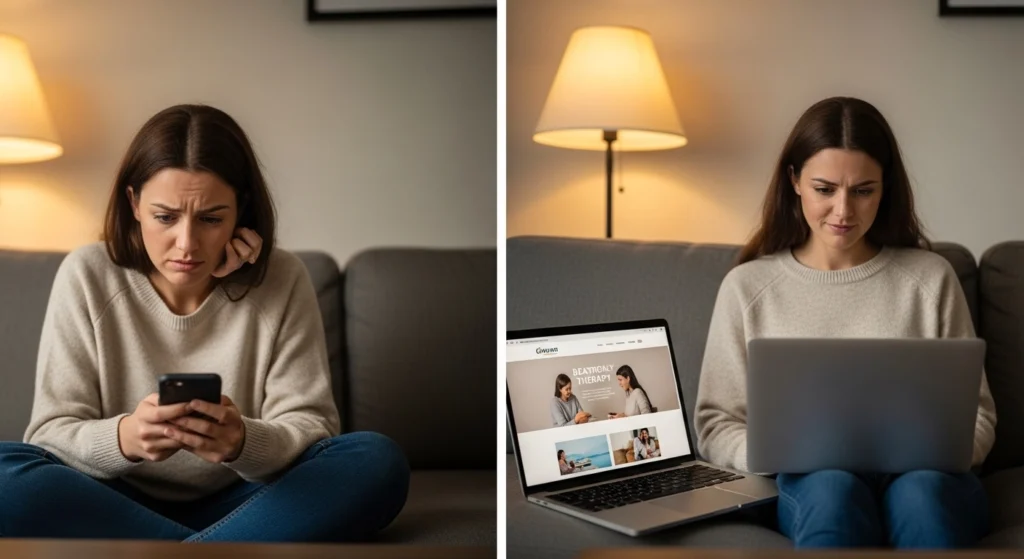
The experience of potential clients when visiting a therapy website compared to a directory listing can significantly influence their decision-making process. Therapy websites are designed to create a welcoming and trustworthy environment, while directory listings often lack the personal touch that clients seek. This article explores the emotional responses clients experience on therapy websites, the design elements that foster trust, and how these factors contribute to lead generation. By understanding these dynamics, mental health professionals can enhance their online presence and improve client engagement. We will delve into how customized user experiences, trust signals, and effective design strategies can elevate the client experience, ultimately leading to higher conversion rates.
How Therapy Website Design Enhances Client Trust Compared to Directory Listings
Therapy website design plays a crucial role in establishing client trust, primarily through its visual appeal and user experience. A well-designed website communicates professionalism and credibility, which are essential for clients seeking mental health services. Elements such as intuitive navigation, calming color schemes, and clear information presentation contribute to a positive first impression. In contrast, directory listings often present a more transactional experience, lacking the personalized touch that therapy websites provide.
Research further supports that specific design choices and content presentation are key to building this initial trust and engagement.
Mental Health Website Design for Client Trust & Engagement
Qualitative results indicated that websites that provided important and easily understood information about key features of services (e.g., types, evidence-base, and cost), therapist backgrounds, psychoeducation, used lay language, and had an appealing website layout (e.g., color, font, images, organization, and interactive components) generated greater consumer interest and trust in their mental health services.
… : a mixed-methods analysis of racially and ethnically diverse college students’ engagement with and perspectives on US university mental health clinics’ websites, Y Aguilar Silvan, 2024
For instance, therapy websites can incorporate client testimonials and case studies, which serve as powerful trust signals. These elements not only enhance credibility but also create an emotional connection with potential clients. By showcasing real experiences, therapy websites can effectively convey empathy and understanding, which are vital in the mental health field.
| Design Element | Impact on Trust | Example |
|---|---|---|
| Professional Aesthetics | Enhances credibility | Clean layout, professional imagery |
| Client Testimonials | Builds emotional connection | Real stories from satisfied clients |
| Intuitive Navigation | Reduces frustration | Easy access to information and services |
This comparison highlights how therapy websites can leverage design elements to foster trust more effectively than directory listings.
What Emotional Responses Do Clients Experience on Therapy Websites?
Clients visiting therapy websites often experience feelings of safety and comfort, which are critical when seeking mental health support. The design and content of these websites are tailored to mirror the therapeutic experience, providing a sense of reassurance. Users typically report feeling more at ease when they encounter a professional and inviting online environment, which can significantly influence their willingness to engage with services.
Moreover, the emotional impact of a well-crafted website can lead to increased confidence in the services offered. Clients are more likely to reach out for help when they feel that the website reflects the professionalism and care they expect from a therapist. This emotional connection is essential for converting visitors into clients.
How Does Customized UX Foster Emotional Connection?
Customized user experience (UX) is pivotal in fostering emotional connections between clients and therapy websites. By tailoring content and design to meet the specific needs of potential clients, therapists can create a more engaging and supportive environment. For example, personalized content that addresses common concerns or questions can make visitors feel understood and valued.
Additionally, the use of authentic imagery and calming visual design can enhance the overall user experience. When clients see relatable images and feel a sense of tranquility through the website’s aesthetics, they are more likely to engage with the content and consider reaching out for support. This approach not only improves the emotional connection but also encourages clients to take the next step in their mental health journey.
Which Trust Signals Increase Confidence in Therapy Websites?
Several trust signals can significantly enhance client confidence in therapy websites. These include:
- Professional Design: A polished and professional website design conveys credibility and expertise.
- Client Testimonials: Positive feedback from previous clients serves as social proof, reassuring potential clients of the quality of care they can expect.
- Security Features: Displaying security badges and privacy policies can alleviate concerns about data protection, making clients feel safer when sharing personal information.
By incorporating these trust signals, therapy websites can effectively build confidence among potential clients, encouraging them to reach out for help.
Why Do Therapy Websites Outperform Directory Listings in User Experience?
Therapy websites generally outperform directory listings in user experience due to their focus on client engagement and personalized content. While directory listings often present a basic overview of services, therapy websites provide a comprehensive experience that includes detailed information about therapists, their approaches, and the services offered. This depth of information allows clients to make informed decisions based on their specific needs.
Furthermore, therapy websites often feature user-friendly navigation, which streamlines the process of finding relevant information. This ease of use is crucial for clients who may already be feeling overwhelmed or anxious about seeking help. By prioritizing user experience, therapy websites can create a more supportive environment that encourages clients to take action.
What UX Elements Streamline Patient Navigation on Therapy Websites?
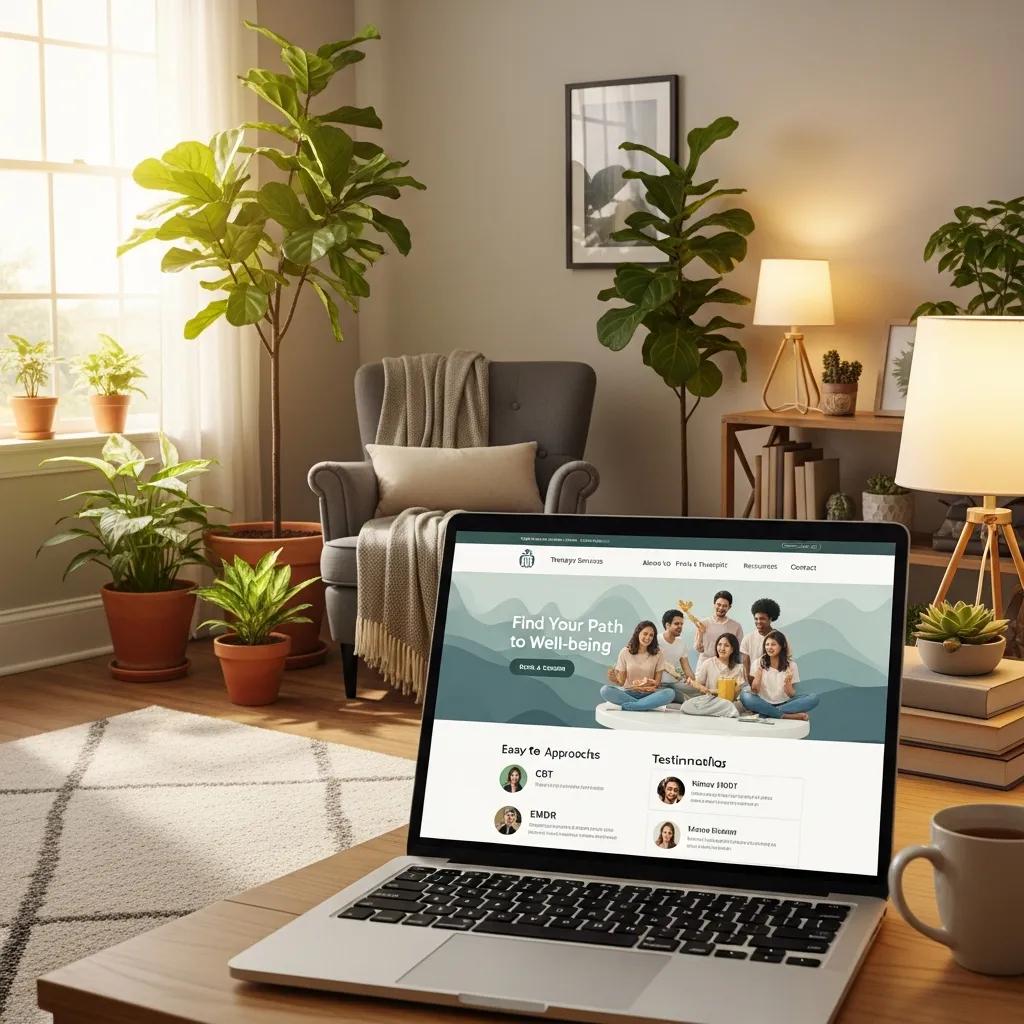
Effective UX elements are essential for streamlining patient navigation on therapy websites. Key components include:
- Intuitive Navigation: Clear menus and logical pathways help users find information quickly.
- Visual Hierarchy: Prioritizing important information through size and placement guides users’ attention effectively.
- Mobile Responsiveness: Ensuring the website functions well on mobile devices caters to clients who may access information on the go.
These elements work together to create a seamless experience that reduces frustration and enhances client satisfaction.
How Do Directory Listings Fall Short in Client Engagement?
Directory listings often fall short in client engagement due to their lack of personalization and depth. Unlike therapy websites, which can provide detailed information about therapists and their approaches, directory listings typically offer only basic contact details and service descriptions. This limited information can leave potential clients feeling uncertain and disconnected.
Additionally, directory listings often lack the emotional appeal that therapy websites provide. The absence of client testimonials, engaging visuals, and a welcoming design can make these listings feel impersonal and transactional. As a result, potential clients may be less inclined to reach out for support when faced with a directory listing compared to a well-designed therapy website.
How Does Therapy Website Design Influence Client Conversion Rates?
The design of a therapy website has a direct impact on client conversion rates. A user-friendly and aesthetically pleasing website can significantly increase the likelihood of visitors taking action, such as scheduling an appointment or reaching out for more information. Key design elements that influence conversion rates include:
- Clear Calls to Action: Prominent buttons and links encourage users to take the next step.
- Calming Visual Design: A soothing color palette and imagery can create a welcoming atmosphere that encourages engagement.
- User-Friendly Navigation: Simplifying the process of finding information helps reduce barriers to conversion.
By focusing on these design aspects, therapy websites can enhance their effectiveness in converting visitors into clients.
What Role Do Emotional Impact and Trust Play in Lead Generation?
Emotional impact and trust are critical components of lead generation for therapy websites. When potential clients feel a strong emotional connection to a website, they are more likely to engage with the services offered. Trust signals, such as client testimonials and professional design, further reinforce this connection, making clients feel more comfortable reaching out for help.
Additionally, the emotional resonance of a therapy website can lead to increased referrals. Satisfied clients who feel understood and supported are more likely to recommend the services to others, creating a positive feedback loop that enhances lead generation efforts.
Which Case Studies Demonstrate Therapy Website Success Over Listings?
Several case studies illustrate the success of therapy websites compared to directory listings. For instance, a mental health practice that revamped its website saw a significant increase in client inquiries within three months. By incorporating client testimonials, a user-friendly design, and clear calls to action, the practice was able to create a more engaging online presence.
Another case study highlighted a therapist who transitioned from a directory listing to a personalized website. This change resulted in a notable increase in appointment bookings, demonstrating the power of effective website design in attracting and retaining clients.
What Are the Key Benefits of Choosing a Professional Therapy Website?
Choosing a professional therapy website offers several key benefits:
- Enhanced User Experience: A well-designed website provides a seamless experience that encourages client engagement.
- Increased Credibility: Professional design elements convey trust and expertise, making clients more likely to reach out.
- Improved Client Engagement: Personalized content and emotional appeal foster connections that lead to higher conversion rates.
These benefits underscore the importance of investing in a professional therapy website to enhance client interactions and support business growth.
How Does Professional Design Build Long-Term Client Relationships?
Professional design plays a vital role in building long-term client relationships. A well-crafted website not only attracts clients but also fosters ongoing engagement through consistent branding and quality content. By providing valuable resources and maintaining a user-friendly experience, therapists can keep clients informed and connected.
Additionally, ongoing support and communication through the website can help reinforce the therapeutic relationship. Regular updates, informative blog posts, and accessible contact options contribute to a sense of community and support, encouraging clients to return for continued care.
What Recent Trends Enhance Therapy Website Effectiveness in 2026?
As we move into 2026, several trends are emerging that enhance the effectiveness of therapy websites. These include:
- Interactive Features: Incorporating tools such as chatbots and appointment scheduling can improve user engagement.
- SEO Strategies: Optimizing content for search engines ensures that potential clients can easily find therapy services online.
- Brand Representation: Consistent branding across all platforms helps establish a strong identity and fosters trust.
By staying current with these trends, therapists can ensure their websites remain effective tools for client engagement and lead generation.