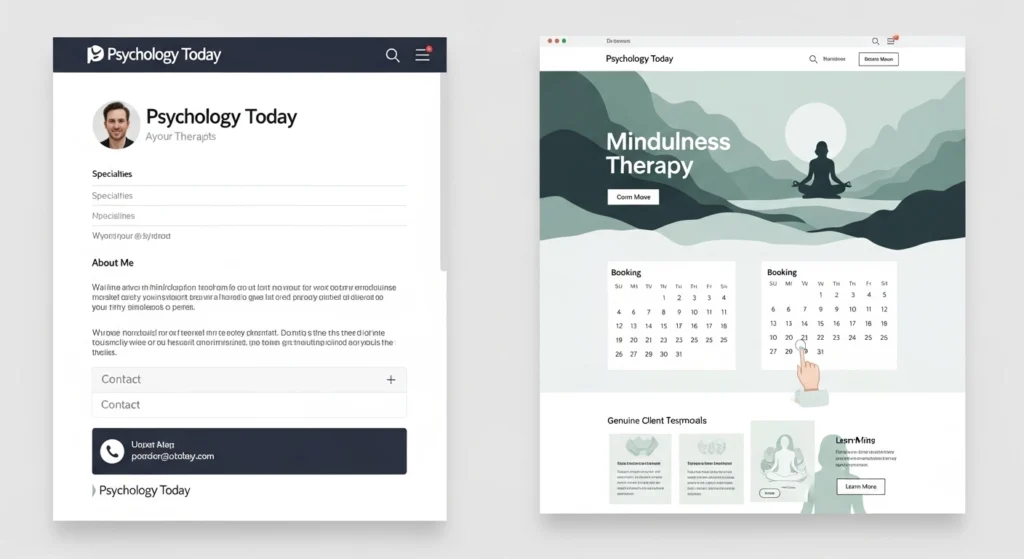
Mindfulness therapy has emerged as a powerful tool for individuals seeking to enhance their mental well-being, particularly in managing anxiety and depression. This article will guide you through the key benefits of mindfulness therapy, how to select the right therapist, and the various techniques employed in this therapeutic approach. Many people struggle with emotional regulation and stress management, often feeling overwhelmed by their mental health challenges. Mindfulness therapy offers a structured way to cultivate awareness and resilience, providing a pathway to improved mental health. We will explore the benefits of mindfulness therapy, criteria for choosing a therapist, common techniques used, and practical steps for booking your sessions.
What Are the Key Benefits of Mindfulness Therapy for Anxiety and Depression?
Mindfulness therapy offers several significant benefits for individuals dealing with anxiety and depression. By focusing on the present moment, this therapeutic approach helps individuals develop greater emotional regulation, reduce stress, and enhance overall mental well-being.
Further research consistently supports the effectiveness of mindfulness-based interventions in addressing these common mental health challenges.
Efficacy of Mindfulness-Based Interventions for Anxiety & Depression
1. This article reviews the ways in which cognitive and behavioral treatments for depression and anxiety have been advanced by the application of mindfulness practices. Research on mindfulness-based interventions (MBIs) has increased exponentially in the past decade. The most common include Mindfulness-Based Stress Reduction (MBSR) and Mindfulness-Based Cognitive Therapy (MBCT). MBIs have demonstrated efficacy in reducing anxiety and depression symptom severity in a broad range of treatment-seeking individuals. MBIs consistently outperform non-evidence-based treatments and active control conditions, such as health education, relaxation training, and supportive psychotherapy. MBIs also perform comparably to cognitive-behavioral therapy (CBT). The treatment principles of MBIs for anxiety and depression are compatible with those of standard CBT.
Mindfulness-based interventions for anxiety and depression, SG Hofmann, 2017
- Stress Reduction: Mindfulness practices encourage relaxation and help individuals manage stress more effectively, leading to a calmer state of mind.
- Emotional Regulation: Through mindfulness, individuals learn to observe their thoughts and feelings without judgment, which can lead to improved emotional responses and resilience.
- Cognitive Restructuring: Mindfulness therapy promotes a shift in perspective, allowing individuals to challenge negative thought patterns and replace them with more constructive ones.
How Does Mindfulness Therapy Improve Mental Well-Being?
Mindfulness therapy enhances mental well-being by teaching individuals to focus on the present moment and accept their thoughts and feelings without judgment. This practice can lead to a reduction in anxiety and depressive symptoms, as individuals learn to detach from negative thought cycles. Techniques such as meditation and breathing exercises are commonly used to cultivate this awareness, fostering a sense of peace and clarity.
What Recent Statistics Support Mindfulness Therapy Effectiveness?
Recent studies indicate that mindfulness therapy can significantly improve mental health outcomes. For instance, a 2022 survey found that 75% of participants reported reduced anxiety levels after engaging in mindfulness practices for just eight weeks. Additionally, 68% noted improvements in their overall mood and emotional stability, highlighting the effectiveness of mindfulness as a therapeutic intervention.
How to Choose the Right Licensed Therapist for Mindfulness Therapy

Selecting the right therapist for mindfulness therapy is crucial for achieving the best outcomes. A qualified therapist can guide you through the process and tailor the approach to your specific needs.
- Researching Therapists: Look for licensed professionals who specialize in mindfulness therapy and have a solid understanding of its techniques and benefits.
- Checking Credentials: Ensure that the therapist is licensed and has relevant certifications in mindfulness-based practices.
- Assessing Compatibility: It’s essential to find a therapist with whom you feel comfortable and understood, as the therapeutic relationship plays a significant role in the effectiveness of the treatment.
What Criteria Should You Use to Select a Mindfulness Therapist?
When selecting a mindfulness therapist, consider the following criteria:
- Therapeutic Approach: Ensure the therapist uses evidence-based mindfulness techniques that align with your needs.
- Specialization in Mindfulness: Look for therapists who have specific training in mindfulness-based therapies, such as Mindfulness-Based Stress Reduction (MBSR) or Mindfulness-Based Cognitive Therapy (MBCT).
- Experience and Reviews: Check for reviews or testimonials from previous clients to gauge the therapist’s effectiveness and approach.
The importance of specialized training and evidence-based approaches in mindfulness therapy is further underscored by comprehensive research.
Standardized Training & Efficacy of Mindfulness-Based Interventions
2. MBIs such as Mindfulness-Based Stress Reduction (MBSR), Mindfulness-Based Cognitive Therapy (MBCT), and Mindfulness-integrated Cognitive Behaviour Therapy (MiCBT) are manualized individual and/or group treatments that emphasize mindfulness practices, along with psychoeducation and reflective discussions, termed inquiry [2,3,4]. MBIs have proliferated and are now used to treat a broad range of psychiatric disorders, including depressive and anxiety disorders, substance use disorders, eating disorders, and insomnia [5,6,7,8,9]. MBCT is one of the most researched and applied MBI adaptations within psychiatric practice. It has level 1 evidence as a first-line maintenance treatment for major depressive disorder and is as effective as remaining on maintenance antidepressants, with no significant difference in cost [10,11].
Standardizing training in mindfulness-based interventions in Canadian psychiatry postgraduate programs: a competency-based framework, A Grabovac, 2018
Where Can You Find Licensed Mindfulness Therapists Near You?
Finding licensed mindfulness therapists can be done through various resources:
- Online Directories: Websites like Psychology Today or TherapyDen allow you to search for therapists based on your location and specific needs.
- Local Mental Health Organizations: Many communities have mental health organizations that can provide referrals to qualified therapists.
- Steady Mind, PLLC: Located at 300 Ottawa Ave NW, Grand Rapids, MI 49503, Steady Mind offers a range of mindfulness therapy services. You can reach them at +1 (734) 531-8626 or via email at psyfar97@gmail.com for more information.
What Mindfulness Therapy Techniques Are Commonly Used?

Mindfulness therapy encompasses various techniques designed to enhance awareness and promote mental well-being. Understanding these techniques can help you engage more effectively in your therapy sessions.
- Detached Mindfulness: This technique involves observing thoughts and feelings without attachment, allowing individuals to gain perspective and reduce emotional reactivity.
- Meditation Techniques: Practices such as guided meditation and body scans help individuals focus their attention and cultivate a sense of calm.
- Intention-Setting: Setting intentions for mindfulness practice can enhance motivation and focus, making the experience more meaningful.
Understanding the theoretical underpinnings of techniques like detached mindfulness can deepen one’s engagement with the practice.
Detached Mindfulness Techniques in Cognitive Therapy
1. This paper describes the nature and information processing requirements of detached mindfulness. The construct emerged from the self-regulatory information processing theory of emotional disorder (Wells & Matthews,1994), and is viewed as a metacognitive state that facilitates change in core underlying pathological processes. Detached mindfulness has multiple components, requiring the activation of metacognitive knowledge, metacognitive monitoring and control, suspension of conceptual processing, attentional flexibility, and a de-centered relationship with thoughts. A model of the cognitive structures and processes supporting the state is presented. Implications of the model for the scientific development and effective use of mindfulness techniques are discussed. Ten techniques for rapidly achieving detached mindfulness in the course of metacognitive therapy are described.
Detached mindfulness in cognitive therapy: A metacognitive analysis and ten techniques, A Wells, 2005
How Does Mindfulness-Based Cognitive Therapy Work?
Mindfulness-Based Cognitive Therapy (MBCT) combines traditional cognitive behavioral therapy with mindfulness practices. This approach helps individuals recognize and change negative thought patterns while fostering a non-judgmental awareness of their experiences. By integrating mindfulness into cognitive therapy, clients can develop healthier coping strategies and reduce the risk of relapse in depression.
What Are Other Mindfulness Counseling Services Available?
In addition to individual therapy, various mindfulness counseling services are available, including:
- Workshops: Group workshops provide an opportunity to learn mindfulness techniques in a supportive environment.
- Group Therapy Options: Participating in group therapy can enhance the mindfulness experience through shared insights and collective practice.
How to Book Your Mindfulness Therapy Session: Online vs In-Person Options
Booking a mindfulness therapy session can be done through various methods, each with its advantages. Understanding these options can help you choose the best fit for your needs.
- Steps to Book a Session: Most therapists offer online booking through their websites, making it easy to schedule appointments at your convenience.
- Differences Between Online and In-Person: Online therapy provides flexibility and accessibility, while in-person sessions can foster a stronger therapeutic relationship through face-to-face interaction.
What Are the Differences Between Online and In-Person Mindfulness Therapy?
Online mindfulness therapy offers several benefits, including:
- Accessibility: Individuals can access therapy from the comfort of their homes, making it easier to fit into busy schedules.
- Wider Selection of Therapists: Online platforms allow you to connect with therapists outside your immediate geographic area.
Conversely, in-person therapy can provide a more personal connection, which some individuals may find beneficial for their therapeutic journey.
How Can You Easily Book a Mindfulness Therapy Session Today?
To book a mindfulness therapy session at Steady Mind, you can visit their website or contact them directly at +1 (734) 531-8626. They offer both online and in-person sessions, allowing you to choose the format that best suits your needs.
What Are the Typical Costs and Session Formats for Mindfulness Therapy?
Understanding the costs and formats of mindfulness therapy sessions can help you plan your mental health journey effectively.
- Session Duration: Mindfulness therapy sessions typically last between 50 to 60 minutes, providing ample time for discussion and practice.
- Cost Expectations: The cost of mindfulness therapy can vary based on the therapist’s experience and location, with average rates ranging from $100 to $250 per session.
How Long Are Mindfulness Therapy Sessions and What Formats Are Offered?
Mindfulness therapy sessions generally last about 50-60 minutes. Formats can include:
- Individual Sessions: One-on-one therapy allows for personalized attention and tailored techniques.
- Group Sessions: Group formats can provide a supportive community atmosphere, enhancing the mindfulness experience.
What Should You Expect Regarding Mindfulness Therapy Costs?
Costs for mindfulness therapy sessions can vary widely. On average, you can expect to pay between $100 and $250 per session, depending on the therapist’s qualifications and the session format. Some therapists may offer sliding scale fees based on income, making therapy more accessible for those in need.