Master Online Marketing Therapy for Your Practice Success
Mastering Online Marketing for Your Therapy Practice: Effective Therapist Lead Generation Strategies
In today’s digital landscape, mastering online marketing is essential for therapy practices aiming to attract and retain clients. This article will explore effective strategies for therapist lead generation, focusing on how a professional online presence can significantly enhance your practice’s visibility and client engagement. By understanding the nuances of digital marketing tailored specifically for therapists, you can transform your practice and reach a broader audience. Many therapists struggle with establishing a strong online presence, which can hinder their ability to connect with potential clients. This guide will provide actionable insights into optimizing your online marketing efforts, including website design, lead generation strategies, social media engagement, and performance measurement. We will also highlight how Therapeia Web Design can support your marketing journey.
How Can a Professional Website Boost Your Therapy Practice’s Online Marketing?
A professional website can boost your therapy practice’s online marketing by providing a quick and effective brand transformation, enhancing your online presence, and making your services more accessible to potential clients. It can also improve your search engine optimization (SEO) and digital marketing efforts, helping you reach a wider audience. Additionally, a well-designed website can convey professionalism and trust, which are crucial in the therapy field.
What Are Key Website Features for Therapists and Coaches?
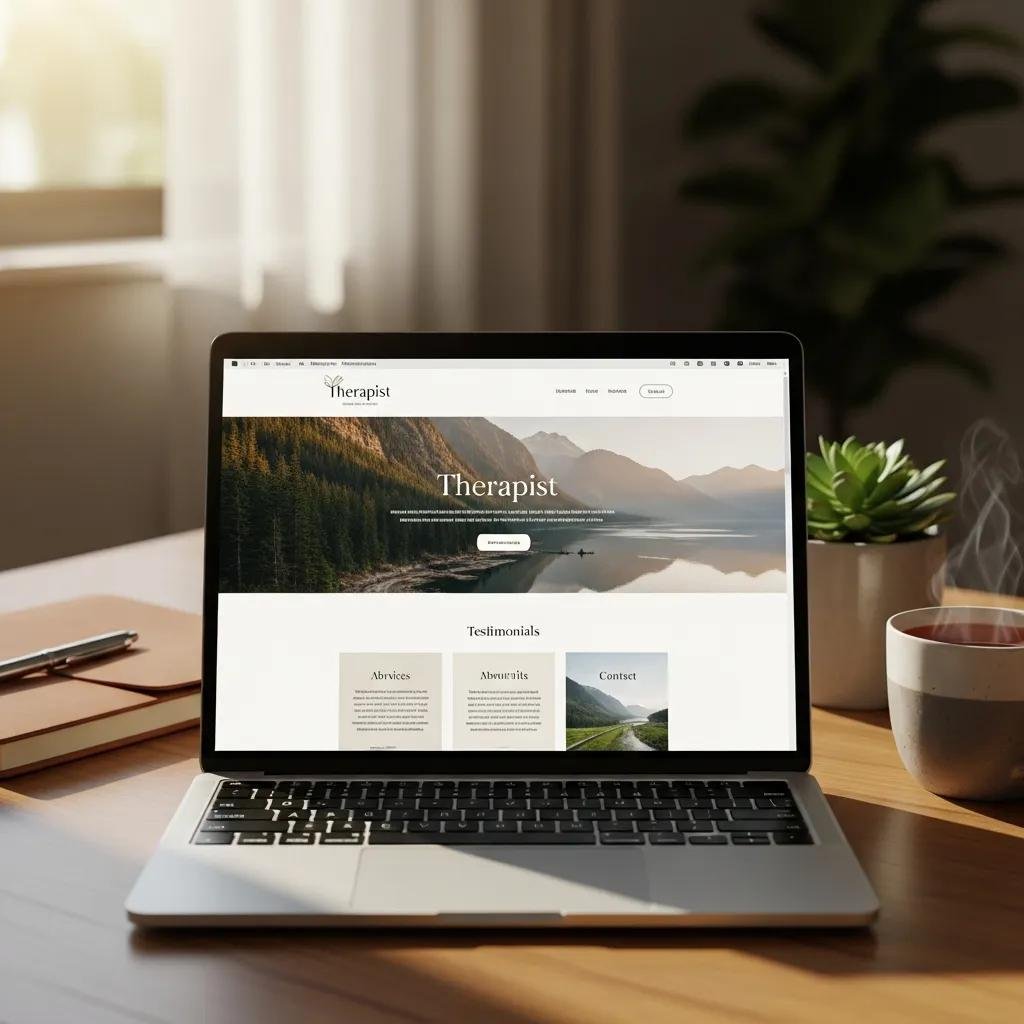
Key features of a therapist’s website include:
- Security Features: Ensuring client confidentiality through secure data handling and encryption.
- User-Friendly Design: A clean, intuitive layout that allows potential clients to navigate easily.
- Booking Capabilities: Integrated scheduling tools that enable clients to book appointments directly online.
These features not only enhance user experience but also build trust with potential clients, making them more likely to engage with your services.
How Does Responsive and Secure Design Enhance Client Connection?
Responsive and secure design is vital for building client trust and ensuring a positive user experience. A responsive website adapts to various devices, allowing clients to access your services from smartphones, tablets, or desktops. This flexibility is crucial as more clients seek therapy services online. Additionally, implementing security protocols, such as SSL certificates, protects client information, fostering a sense of safety and reliability. By prioritizing these design elements, you can significantly enhance client engagement and retention.
What Are the Most Effective Lead Generation Strategies for Therapists?
Effective lead generation strategies for therapists include a combination of SEO techniques, content marketing, and networking opportunities. These strategies help therapists attract potential clients and establish their authority in the mental health field.
How Does SEO Improve Visibility for Private Therapy Practices?
SEO improves visibility for private therapy practices by optimizing website content for relevant keywords, enhancing local search presence, and improving overall site performance. By focusing on keyword optimization and local SEO strategies, therapists can ensure their practices appear in search results when potential clients seek services in their area. This targeted approach increases the likelihood of attracting clients actively searching for therapy services.
Which Content Marketing Techniques Build Trust and Authority?
Content marketing techniques that build trust and authority include:
- Blogging: Regularly publishing informative articles that address common client concerns and questions.
- Video Content: Creating engaging videos that explain therapy concepts or introduce yourself to potential clients.
- Social Proof: Showcasing testimonials and success stories from past clients to build credibility.
These techniques not only enhance your online presence but also position you as a knowledgeable and trustworthy professional in your field.
How Can Social Media and Paid Advertising Support Your Therapy Practice Growth?

Social media and paid advertising play a crucial role in supporting therapy practice growth by increasing brand awareness and engaging with potential clients. These platforms allow therapists to connect with their audience in a more personal and interactive manner.
What Social Media Platforms Are Best for Mental Health Professionals?
The best social media platforms for mental health professionals include:
- Facebook: Ideal for community building and sharing informative content.
- Instagram: Great for visual storytelling and connecting with a younger audience.
- LinkedIn: Useful for professional networking and establishing authority in the field.
By leveraging these platforms, therapists can effectively reach and engage their target audience.
Further insights into maximizing social media’s utility for mental health professionals highlight the importance of strategic engagement with younger generations.
Social Media Engagement for Therapists: Attracting Clients
Mental health providers are beginning to use social media to engage with prospective clients. However, there is a lack of guidance on how to maximize the utility of social media engagement for couple and family therapists (CFTs). This paper reviews the current literature on therapists’ professional presence on social media and younger generations’ expectations around social media competency. Recommendations for how CFTs can effectively engage with younger generations through social media are provided.
Are we prepared? Recommendations for couple and family therapists engaging with young generations on social media, 2022
How Do Paid Ads Complement Organic Marketing Efforts?
Paid ads complement organic marketing efforts by providing immediate visibility and targeted reach. Therapists can use platforms like Google Ads and Facebook Ads to promote their services to specific demographics, ensuring that their marketing efforts are seen by those most likely to seek therapy. Balancing both strategies allows for a comprehensive marketing approach that maximizes reach and engagement.
How Do You Nurture Leads and Convert Visitors into Therapy Clients?
Nurturing leads and converting visitors into therapy clients involves implementing effective lead nurturing techniques and optimizing your website design for conversion.
What Are Best Practices for Lead Nurturing in Mental Health Marketing?
Best practices for lead nurturing in mental health marketing include:
- Email Marketing: Sending personalized follow-up emails to potential clients who have shown interest in your services.
- Follow-Up Strategies: Regularly checking in with leads to answer questions and provide additional information.
- Personalization: Tailoring communication to address the specific needs and concerns of potential clients.
These practices help build relationships with leads, increasing the likelihood of conversion.
How Does Website Design Facilitate Conversion Funnels?
Website design plays a critical role in facilitating conversion funnels by strategically placing call-to-action buttons, simplifying the user journey, and utilizing A/B testing to optimize performance. A well-designed website guides visitors through the decision-making process, making it easier for them to take the desired action, such as booking an appointment or signing up for a newsletter.
How Can You Measure and Adapt Your Online Marketing Strategy for Your Therapy Practice?
Measuring and adapting your online marketing strategy is essential for ensuring ongoing success and effectiveness. By tracking key performance indicators (KPIs) and utilizing analytics tools, therapists can gain valuable insights into their marketing efforts.
Which KPIs Are Essential for Tracking Marketing Success?
Essential KPIs for tracking marketing success include:
- Traffic Metrics: Monitoring website visits and user behavior to understand engagement levels.
- Conversion Rates: Analyzing the percentage of visitors who take desired actions, such as booking appointments.
- Engagement Metrics: Evaluating social media interactions and content shares to gauge audience interest.
These metrics provide a comprehensive view of your marketing performance and highlight areas for improvement.
How to Use Analytics to Optimize Lead Generation and Client Acquisition?
Using analytics to optimize lead generation and client acquisition involves interpreting data to adjust strategies and improve outcomes. Therapists can utilize tools like Google Analytics to track user behavior, identify trends, and make data-driven decisions. By continuously analyzing performance, you can refine your marketing efforts to better meet the needs of your target audience.
Understanding the financial impact of these efforts is crucial, as measuring the return on investment (ROI) from digital marketing campaigns allows healthcare providers to align their strategies with clinical and business goals.
Digital Marketing ROI & Strategies for Healthcare Providers
This chapter explains how healthcare providers can measure and improve the return on investment (ROI) from digital marketing campaigns. It introduces the ROI formula and applies it to healthcare-specific settings, showing how to align marketing efforts with clinical and business goals. The chapter covers strategic planning using the SMART framework, understanding patient preferences, and selecting appropriate digital marketing channels such as SEO, PPC, social media, email, mobile apps, and websites.
Measuring ROI in Digital Marketing for Healthcare Providers, 2025
Why Choose Therapeia Web Design as Your Partner in Therapy Practice Marketing?
You should choose Therapeia Web Design as your partner in therapy practice marketing because they offer quick and effective brand and website transformations, with the promise of delivering a beautiful and ready-to-launch website in just one week. They also provide services tailored to private practice growth, coaching web design, SEO, digital marketing, and e-commerce web design, making them a comprehensive solution for your marketing needs. Additionally, they offer a 10% discount on new website templates and emphasize a stress-free process.
What Unique Value Does Therapeia Offer for Therapist Websites?
Therapeia offers therapist websites with a unique value of delivering a complete website in just one week, which is described as stress-free, beautiful, and ready to launch. They also provide quick and effective brand and website transformations, typically within a day for branding elements. This rapid turnaround allows therapists to establish their online presence without the typical delays associated with website development.
How Does the ‘Website in a Week’ Service Accelerate Your Online Presence?
The ‘Website in a Week’ service accelerates your online presence by providing a quick and effective transformation of your brand and website in just one week. This service is designed to be stress-free, resulting in a beautiful and ready-to-launch website that aligns with your vision. By choosing Therapeia, you can focus on your practice while they handle the technical aspects of your online marketing.