In the realm of mental health services, a well-designed niche therapy website serves as a powerful tool for attracting ideal clients. These websites are tailored to specific therapeutic areas, such as trauma, LGBTQ+, and anxiety, ensuring that they resonate with the unique needs of potential clients. By understanding the intricacies of user behavior and preferences, therapists can create an online presence that not only draws visitors but also converts them into clients. This article will explore expert design principles, effective marketing strategies, and techniques for specialized therapy areas, providing insights into how a niche therapy website can effectively attract and retain clients.
Expert Design Principles
A successful niche therapy website is built on several expert design principles that enhance its effectiveness. First and foremost, visual appeal is crucial for making a strong first impression. A clean, professional design that reflects the therapist’s brand can instill trust and encourage visitors to explore further. Additionally, user experience must be prioritized; intuitive navigation and clear calls to action guide potential clients seamlessly through the site. Finally, responsive design is essential, as many users access websites via mobile devices. Ensuring that the site is mobile-friendly can significantly improve user engagement and satisfaction.
Effective Marketing Strategies

To attract clients effectively, therapists must implement targeted marketing strategies that resonate with their specific audience. Here are some key strategies:
- SEO Strategies: Optimizing the website for search engines is vital for visibility. This includes using relevant keywords, creating quality content, and ensuring fast loading times.
- Social Media Engagement: Building a community through social media platforms can enhance visibility and foster connections with potential clients. Regularly sharing valuable content can position therapists as thought leaders in their niche.
- Client Testimonials: Showcasing positive feedback from previous clients can enhance credibility and trust. Testimonials serve as social proof, encouraging new clients to reach out.
Therapeia Web Design specializes in creating professional, niche-focused websites tailored for therapists, counselors, life coaches, and mental health professionals. By leveraging these marketing strategies, therapists can effectively attract their ideal clients.
Techniques for Specialized Therapy Areas
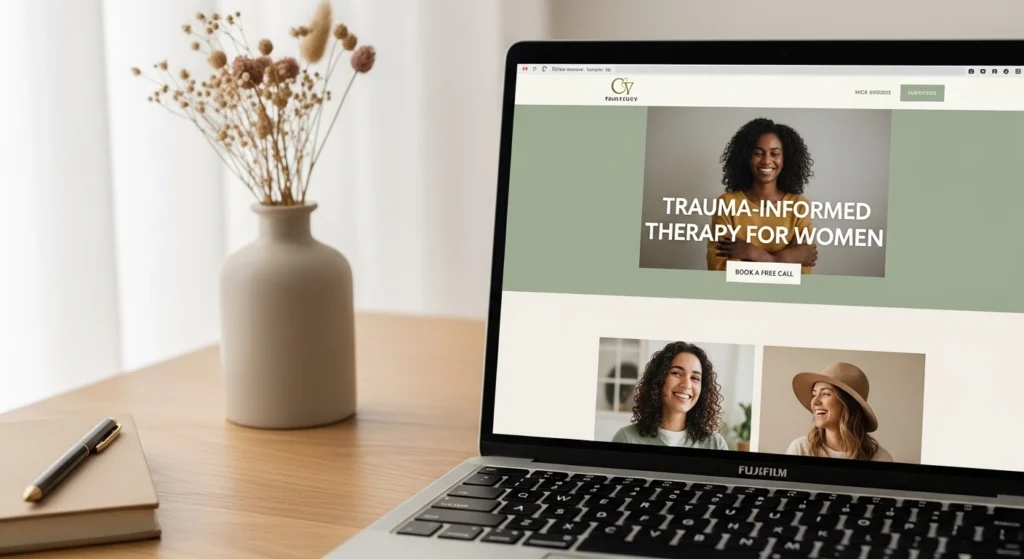
When it comes to specialized therapy areas, certain techniques can enhance the effectiveness of a niche therapy website. For instance, trauma-informed design is essential for creating a safe and welcoming online environment for clients who may have experienced trauma. This includes using calming colors, clear messaging, and accessible navigation.
Further research highlights the importance of applying trauma-informed principles directly to website design to create a more supportive online experience.
Applying Trauma-Informed Principles in Website Design
Focused, short engagements like the one described in this paper create greater awareness of how trauma-informed principles can be applied in website design.
Trauma-informed design: leveraging usability heuristics on a social services website, M Eggleston, 2024
For LGBTQ+ therapy, it is crucial to use inclusive language and imagery that resonates with the community. This approach not only fosters a sense of belonging but also demonstrates the therapist’s commitment to understanding and supporting diverse identities.
In the case of anxiety therapy, providing client-centered resources, such as articles, videos, and self-help tools, can empower potential clients and encourage them to seek help. By addressing the specific needs of each niche, therapists can create a more engaging and supportive online experience.
What Defines Your Ideal Therapy Clients and Their Online Behavior?
Understanding the characteristics of ideal therapy clients is essential for effective marketing. These clients often exhibit specific online behaviors, such as using targeted keywords in their searches. For example, someone seeking trauma therapy may search for terms like “trauma therapist near me” or “best therapy for PTSD.”
Website evaluation plays a critical role in their decision-making process. Clients typically assess the professionalism of a website, the clarity of information presented, and the availability of resources. Social media engagement also influences their choices, as potential clients often look for therapists who actively participate in discussions and share valuable insights.
Who Are the Target Audiences for Trauma, LGBTQ+, and Anxiety Therapies?
Identifying target audiences for various therapy niches is crucial for tailoring marketing efforts. For trauma therapy, the audience may include individuals who have experienced significant life events, such as abuse or loss. Understanding their demographics and psychographics can enhance marketing strategies.
For LGBTQ+ therapy, the target audience encompasses individuals seeking support for issues related to identity, relationships, and mental health. Tailored messaging that resonates with this community can significantly improve engagement.
Anxiety therapy targets a broad audience, including those dealing with generalized anxiety, panic disorders, and social anxiety. Recognizing the unique needs of these individuals allows therapists to create more effective marketing campaigns.
How Do Clients Research and Choose Therapists Online?
The process of researching and selecting therapists has evolved significantly with the rise of digital platforms. Clients typically begin their search by entering specific queries into search engines. This search behavior is the starting point for their journey toward finding the right therapist.
Website evaluation is critical during this process. Clients assess the professionalism of the site, the clarity of the information provided, and the overall user experience. Additionally, client testimonials play a significant role in influencing their decisions, as positive feedback can enhance trust and credibility.
Exploring client preferences and decision-making on online mental health platforms is crucial for understanding how various signals on a therapist’s homepage impact client choices.
Client Decision-Making on Online Mental Health Platforms
Although online health communities are acknowledged for their role in bridging the supply-demand gap in mental health services, the client decision-making process in these environments remains underexplored. Objective:This study aimed to explore the impact of different signals presented on psychological counselors’ home pages on clients’ choices.
Exploring client preferences for psychological counselors in a Chinese online health community: longitudinal study, 2024
Which Key Features Make Niche Therapy Websites Effective for Client Attraction?
Several key features contribute to the effectiveness of niche therapy websites in attracting clients. These features include:
- Visual Appeal: Aesthetically pleasing designs create positive first impressions and encourage exploration.
- User-Friendly Navigation: Intuitive navigation keeps users engaged and helps them find the information they need quickly.
- Clear Messaging: Articulating services effectively through clear and concise messaging ensures that potential clients understand what to expect.
What Web Design Elements Enhance User Experience and Trust?
Web design elements play a crucial role in building trust and enhancing user experience. Aesthetically pleasing designs create positive impressions, while intuitive navigation keeps users engaged. Additionally, incorporating client testimonials can significantly enhance credibility, as they provide social proof of the therapist’s effectiveness.
How Does Conversion Architecture Optimize Lead Generation?
Conversion architecture is essential for optimizing lead generation on therapy websites. Clear calls to action guide visitors toward desired actions, such as booking an appointment or signing up for a newsletter. Simplified booking processes reduce friction, making it easier for potential clients to take the next step. Trust-building elements, such as privacy policies and secure payment options, further establish credibility and encourage conversions.
How Can Marketing Strategies Specifically Support Trauma, LGBTQ+, and Anxiety Therapists?
Marketing strategies tailored to specific therapy niches can significantly enhance client attraction. For trauma therapists, niche specialization builds trust by demonstrating an understanding of the unique challenges faced by trauma survivors.
SEO strategies enhance visibility, ensuring that potential clients can easily find the therapist’s website. Content marketing, such as blog posts and resources, establishes authority and provides valuable information to clients seeking help.
What Are Proven Online Marketing Techniques for Trauma Therapy Practices?
Effective online marketing techniques for trauma therapy practices include:
- Defining Your Niche: Clearly articulating the specific trauma-related services offered can attract the right clients.
- Building a Professional Website: A well-designed website that reflects the therapist’s brand and expertise is essential for credibility.
- Implementing SEO Strategies: Optimizing the website for search engines ensures that it ranks well for relevant search queries.
Which Client Attraction Approaches Work Best for LGBTQ+ and Anxiety Therapists?
Client attraction approaches for LGBTQ+ and anxiety therapists can vary based on the unique needs of these populations. Effective strategies include:
- Developing Client Personas: Understanding the specific needs and preferences of target clients can inform marketing efforts.
- Offering Promotions and Incentives: Special offers can encourage potential clients to take the first step toward seeking help.
- Engaging in Community Outreach: Building relationships within the community can enhance visibility and foster trust.
What Conversion Optimization Techniques Increase Therapy Client Bookings?
To optimize conversions and increase therapy client bookings, therapists can implement several techniques:
- User-Friendly Navigation: Ensuring that the website is easy to navigate can enhance user experience and encourage bookings.
- Clear Calls to Action: Prominent calls to action guide potential clients toward booking appointments or contacting the therapist.
- Online Appointment Scheduling: Simplifying the appointment scheduling process can significantly increase the likelihood of bookings.
How to Streamline Patient Navigation and Reduce Website Friction?
Streamlining patient navigation is essential for enhancing user experience on therapy websites. User-friendly navigation keeps clients engaged and helps them find the information they need quickly. Clear calls to action guide users toward desired actions, while mobile optimization ensures that the site is accessible on all devices.
What Role Do Testimonials and Case Studies Play in Building Practitioner Credibility?

Testimonials and case studies play a vital role in building practitioner credibility. Testimonials serve as social proof, demonstrating the effectiveness of the therapist’s services. Case studies illustrate success stories, providing potential clients with relatable examples of how therapy can lead to positive outcomes. Positive feedback encourages referrals and enhances the therapist’s reputation within the community.