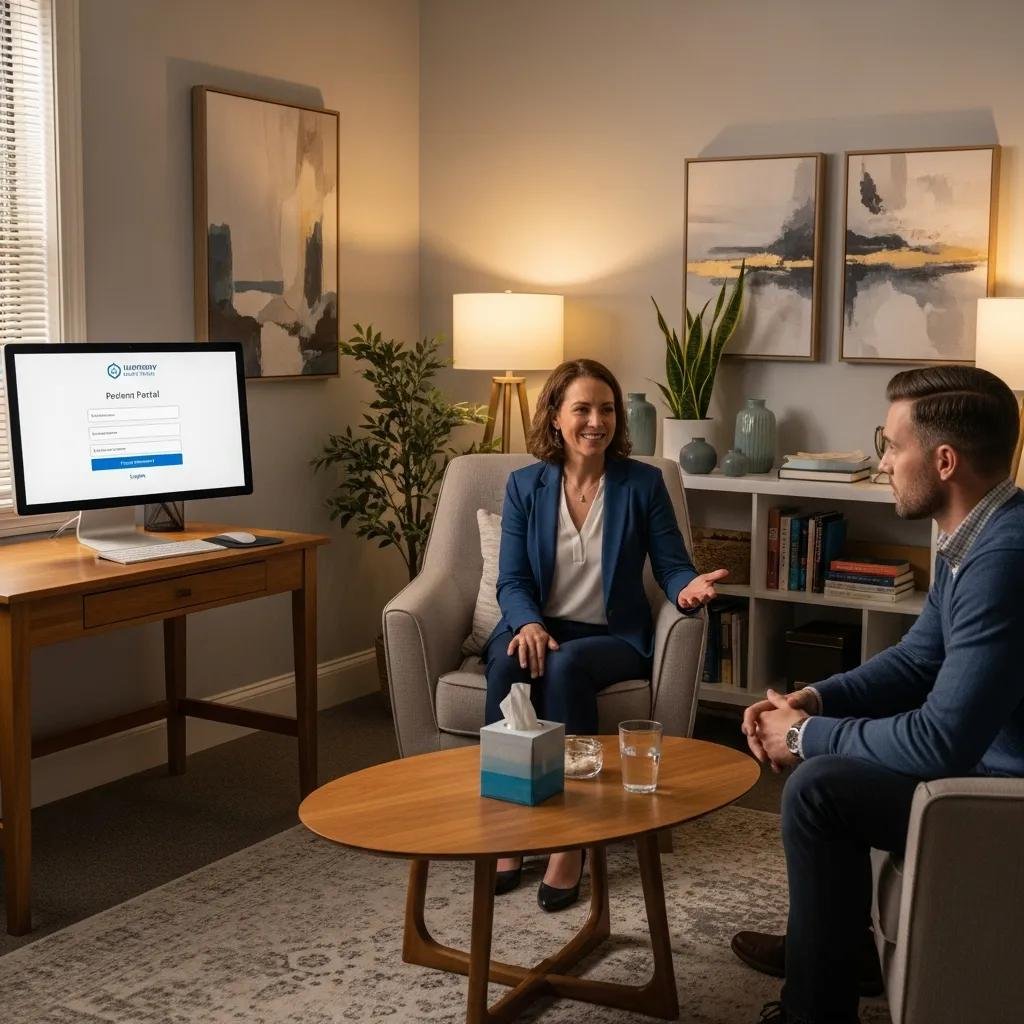
HIPAA-Compliant Hosting, Secure Forms & Fast Websites for Therapists: What You Need to Know
In the digital age, therapists and mental health professionals face unique challenges in maintaining client confidentiality while providing efficient services. Understanding HIPAA-compliant hosting, secure online forms, and fast website performance is crucial for building trust and ensuring compliance. This article will explore how these elements contribute to practice growth, best practices for compliance and security, and strategies for optimizing website performance. By addressing these key areas, therapists can enhance their online presence and streamline client interactions, ultimately leading to a more successful practice. We will also discuss the specific requirements for HIPAA-compliant hosting and how secure online forms can protect client data.
Contributions to Practice Growth
HIPAA compliance and website performance play significant roles in the growth of a therapy practice. By ensuring that client data is protected, therapists can build trust and authority in their field. This trust is essential for attracting new clients and retaining existing ones. Additionally, a well-optimized website enhances online visibility, making it easier for potential clients to find and engage with services. Streamlined client interactions, facilitated by secure online forms and fast-loading websites, further contribute to a positive client experience, encouraging referrals and repeat business.
Best Practices for Compliance and Security
To maintain HIPAA compliance and ensure website security, therapists should follow several best practices:
- Data Encryption: Implementing encryption protocols protects sensitive client information during transmission and storage.
- Access Controls: Limiting access to client data ensures that only authorized personnel can view or manage sensitive information.
- Regular Security Audits: Conducting routine audits helps identify vulnerabilities and ensures that security measures are up to date.
These practices not only safeguard client data but also enhance the overall credibility of the practice.
Therapeia Web Design specializes in creating HIPAA-compliant hosting solutions, secure online forms, and fast-loading websites tailored specifically for therapists, counselors, life coaches, and mental health professionals. By utilizing their services, therapists can ensure compliance while focusing on their core practice.
Strategies for Optimizing Website Performance

Optimizing website performance is essential for providing a seamless user experience. Here are some strategies to consider:
- Fast Loading Times: Websites should load quickly to prevent potential clients from leaving before they can access information.
- Mobile Responsiveness: With an increasing number of users accessing websites via mobile devices, ensuring that the site is mobile-friendly is crucial.
- Regular Maintenance: Routine updates and maintenance help keep the website running smoothly and securely.
Implementing these strategies can significantly enhance user experience and engagement, leading to better client retention.
The significance of fast loading times is underscored by key website performance metrics, such as Core Web Vitals.
Website Performance Metrics: Core Web Vitals
Regarding the metrics for evaluating website performance, ’Loading Performance (Core Web Vitals)’ was the most cited category, utilized by 20 respondents (62.5%).
Web Performance Optimization and Its Impact on User Experience and Development Practices, 2025
What Defines HIPAA-Compliant Website Hosting for Therapists?
HIPAA-compliant website hosting is characterized by specific requirements designed to protect client data. Key elements include:
- Data Encryption: Ensures that all data transmitted between the client and the server is secure.
- Access Controls: Limits who can access sensitive information, ensuring that only authorized personnel can view or manage client data.
- Business Associate Agreements: Hosting providers must sign agreements that outline their responsibilities in protecting client information.
These components are essential for any therapist looking to maintain compliance with HIPAA regulations.
How does HIPAA compliance protect client data privacy?
HIPAA compliance protects client data privacy through several mechanisms:
- Data Encryption During Transmission: This ensures that sensitive information is secure while being sent over the internet.
- Access Controls: By restricting access to client data, therapists can prevent unauthorized individuals from viewing sensitive information.
- Breach Notification Requirements: In the event of a data breach, HIPAA mandates that clients be notified promptly, allowing them to take necessary precautions.
These measures collectively enhance the security of client data and foster trust between therapists and their clients.
How Do Secure Online Forms Enhance Therapist Website Security?

Secure online forms are vital for protecting client data on therapist websites. They enhance security through:
- Encryption Methods: Secure forms use encryption to protect data during transmission, ensuring that sensitive information remains confidential.
- Data Protection Practices: Implementing best practices for data handling minimizes the risk of unauthorized access.
- Compliance with HIPAA Regulations: Secure forms are designed to meet HIPAA standards, ensuring that client data is handled appropriately.
By utilizing secure online forms, therapists can provide clients with a safe and efficient way to communicate and share information.
Why Is Fast Website Design Critical for Mental Health Professionals?
Fast website design is critical for mental health professionals for several reasons:
- Client Engagement: A fast-loading website keeps potential clients engaged and reduces bounce rates.
- Accessibility: Quick access to information is essential for clients seeking immediate support or resources.
- Overall Practice Efficiency: A well-designed website streamlines processes, allowing therapists to focus more on client care rather than technical issues.
Investing in fast website design can significantly impact a therapist’s ability to attract and retain clients.
What best practices optimize website performance for therapists?
To optimize website performance, therapists should consider the following best practices:
- Choose Quality Hosting: Selecting a reliable hosting provider ensures that the website remains accessible and performs well.
- Optimize Images and Media: Reducing the size of images and media files can improve loading times without sacrificing quality.
- Regular Maintenance: Keeping the website updated and performing routine checks can prevent issues that may affect performance.
Implementing these practices can lead to a more efficient and user-friendly website.
Which Hosting Solutions Best Support Therapist Website Security Standards?
When selecting hosting solutions, therapists should look for providers that meet specific security standards:
- HIPAA-Compliant Hosting Providers: These providers are equipped to handle sensitive client data securely.
- Paid Hosting Services: Investing in paid services often provides better security features compared to free options.
- Secure Client Portals: Hosting solutions that offer secure client portals enhance data protection and client communication.
Choosing the right hosting solution is crucial for maintaining compliance and ensuring client data security.
What features should therapist website hosting providers offer?
Therapist website hosting providers should offer essential features to ensure compliance and security:
- Secure Hosting: This includes SSL certificates and other security measures to protect client data.
- Data Encryption: Hosting providers should implement encryption protocols to safeguard sensitive information.
- Regular Security Audits: Routine audits help identify vulnerabilities and ensure that security measures are effective.
These features are vital for therapists looking to maintain a secure online presence.
How to evaluate hosting reliability and compliance certifications?
Evaluating hosting reliability and compliance certifications involves several criteria:
- Business Associate Agreement: Ensure that the hosting provider is willing to sign this agreement, which outlines their responsibilities in protecting client data.
- Security Features: Assess the security measures in place, such as encryption and access controls.
- Compliance Certifications: Verify that the hosting provider has the necessary certifications to demonstrate their commitment to data security.
By carefully evaluating these factors, therapists can select a hosting provider that meets their compliance needs and ensures client data protection.