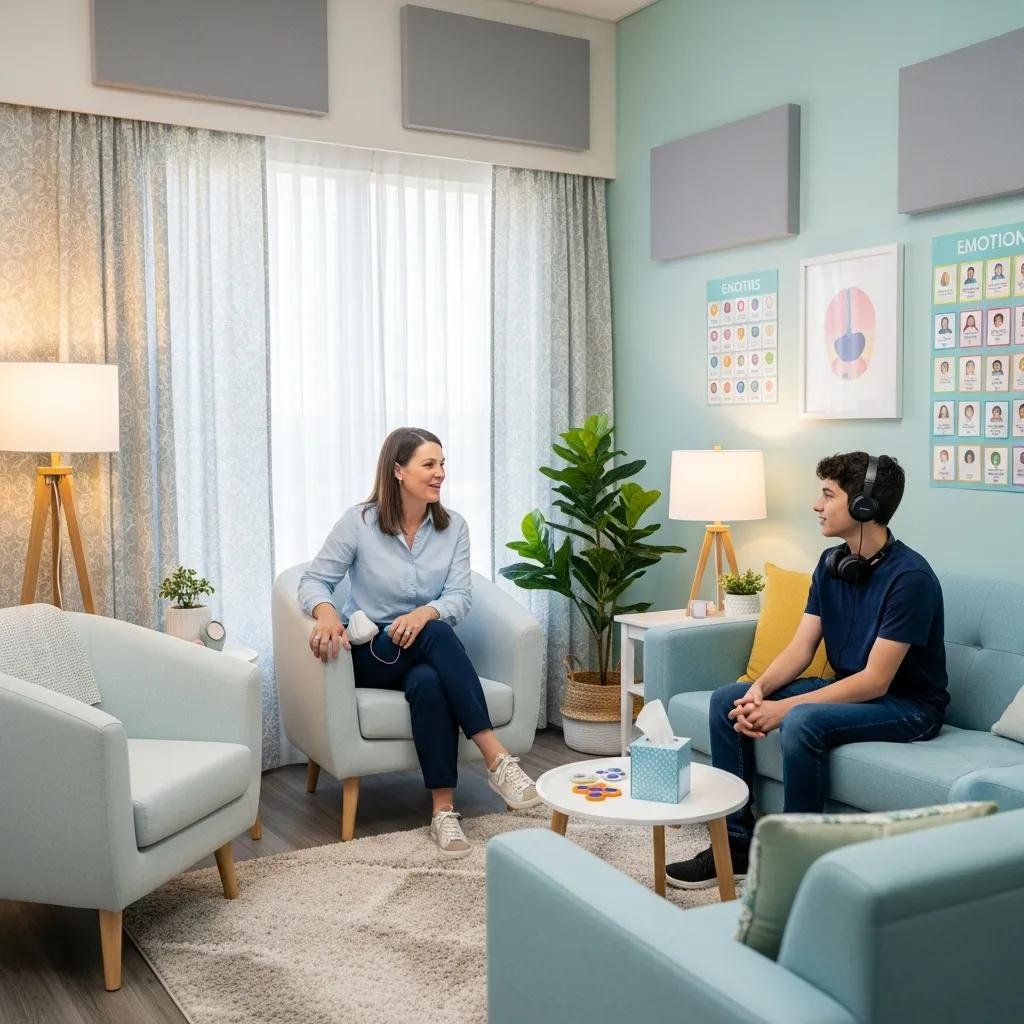
Autism-Friendly Web Design: Enhance Patient UX Today
Designing Therapy Websites for Neurodiverse Patients: Neurodiversity Affirming Web Design and Inclusive UX for Therapists
Creating therapy websites that cater to neurodiverse patients is essential in today’s digital landscape. Neurodiversity encompasses a range of neurological conditions, including autism and ADHD, which can significantly influence how individuals interact with online content. This article will explore the principles of neurodiversity affirming web design, focusing on how therapists can create inclusive user experiences that meet the needs of neurodiverse clients. By understanding the unique challenges faced by these individuals, therapists can design websites that not only attract clients but also provide a supportive and accessible environment.
The importance of neurodiversity in therapy website design cannot be overstated. Many neurodivergent individuals encounter barriers when navigating traditional websites, leading to frustration and disengagement. This article will delve into the core principles of neurodiversity affirming web design, practical guidelines for implementing ADHD-friendly and sensory-friendly designs, and how Therapeia Web Design can assist therapists in creating inclusive websites. We will also discuss compliance with WCAG standards and provide resources for further learning.
What Is Neurodiversity and Why Does It Matter for Therapy Website Design?
Neurodiversity refers to the natural variation in human brain function and behavior, encompassing conditions such as autism, ADHD, dyslexia, and more. Understanding neurodiversity is crucial for therapy website design because it highlights the need for inclusivity and accessibility. By acknowledging the diverse ways individuals process information and interact with technology, therapists can create websites that cater to a broader audience.
The significance of neurodiversity in therapy practices lies in its impact on user experience. Neurodivergent individuals may face unique challenges when navigating websites, such as difficulties with sensory overload, information processing, and navigation. By designing websites that consider these factors, therapists can enhance user engagement and satisfaction.
This approach aligns with research advocating for inclusive web design that prioritizes the unique experiences and challenges faced by neurodivergent users.
Inclusive Web Design: Centering Neurodivergent User Experiences
In this chapter, we share how we carried out library website usability studies with neurodivergent students. The research is situated within the Social Model of Disability and places value on students’ experiences challenges. Through usability studies and inclusive web service redesign plans, we center the opinions and expectations of neurodivergent student users in ways neurotypical users have been centered and designed around in the past.
Designing for Neurodiversity in Web Spaces, K Shotick, 2025
Which Neurodivergent Conditions Should Therapists Consider?
- Autism Spectrum Disorder (ASD): Individuals with ASD may require clear, structured information and minimal sensory distractions to navigate effectively.
- Attention Deficit Hyperactivity Disorder (ADHD): Users with ADHD benefit from straightforward navigation and engaging content that captures their attention without overwhelming them.
- Dyslexia: Websites should utilize readable fonts and clear layouts to support users with dyslexia, making information easier to digest.
By understanding these conditions, therapists can tailor their website designs to meet the specific needs of their clients.
How Does Neurodiversity Impact Online User Experience for Therapy Clients?
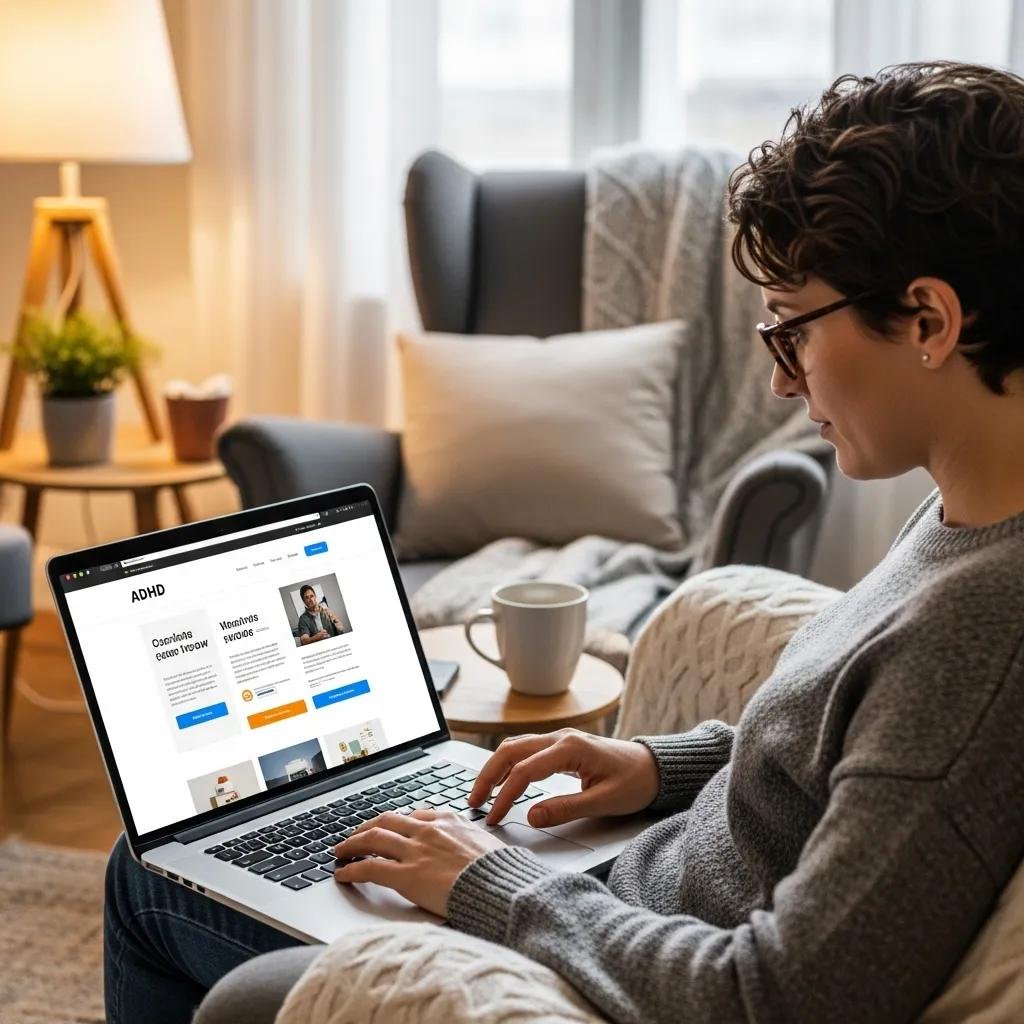
Neurodiversity significantly influences online user experience, as neurodivergent individuals often encounter unique challenges. For instance, sensory overload from bright colors or complex layouts can deter users from engaging with a website. Additionally, information processing differences may lead to difficulties in understanding content that is not presented clearly.
- Simplified Navigation: Clear and intuitive navigation helps users find information quickly.
- Consistent Layouts: Maintaining a consistent design throughout the website reduces cognitive load.
- Accessible Content: Using plain language and visual aids can enhance comprehension for neurodivergent users.
By prioritizing these elements, therapists can create a more inclusive online experience for their clients.
What Are the Core Principles of Neurodiversity Affirming Web Design for Therapists?
Neurodiversity affirming web design is guided by several core principles that enhance accessibility and usability for neurodivergent users. These principles focus on creating an environment that respects and accommodates diverse neurological needs.
How Does Visual Clarity and Minimalism Enhance Accessibility for Neurodivergent Users?
Visual clarity and minimalism are essential components of effective web design for neurodivergent users. A clean, uncluttered layout allows users to focus on the content without distractions. Key strategies include:
- Whitespace Utilization: Adequate spacing between elements helps reduce visual clutter.
- Consistent Color Schemes: Using a limited color palette can prevent sensory overload.
- Readable Fonts: Selecting easy-to-read fonts enhances text comprehension.
Further studies highlight how strategic use of color, informed by color psychology, can significantly impact web accessibility for neurodivergent individuals by influencing readability and reducing sensory overload.
Color Psychology for Neurodivergent Web Accessibility
This study explores the impact of color psychology on web accessibility, focusing on individuals with visual impairments and neurodivergent conditions. By evaluating how different color choices influence readability, navigation, and cognitive load, the research seeks to identify design strategies that enhance both usability and inclusivity. The findings suggest that specific accessibility features benefit different conditions: for example, high contrast aids low-vision users, while sensory-friendly colors help autistic individuals by reducing sensory overload.
Web Accessibility Design Using Color Psychology for Visual Impairments and Neurodivergent Conditions, 2025
These design choices contribute to a more accessible experience for neurodivergent individuals.
What Cognitive Accessibility Features Improve Therapy Website Usability?
Cognitive accessibility features play a vital role in improving usability for neurodivergent users. These features include:
- Plain Language: Using straightforward language helps users understand content without confusion.
- Logical Information Flow: Organizing information in a clear, logical manner aids navigation and comprehension.
- Interactive Elements: Incorporating interactive features, such as quizzes or feedback forms, can engage users and enhance their experience.
By integrating these cognitive accessibility features, therapists can create websites that are more user-friendly for neurodivergent clients.
How Can Therapists Implement ADHD Friendly Website Design and Sensory Friendly Website Guidelines?
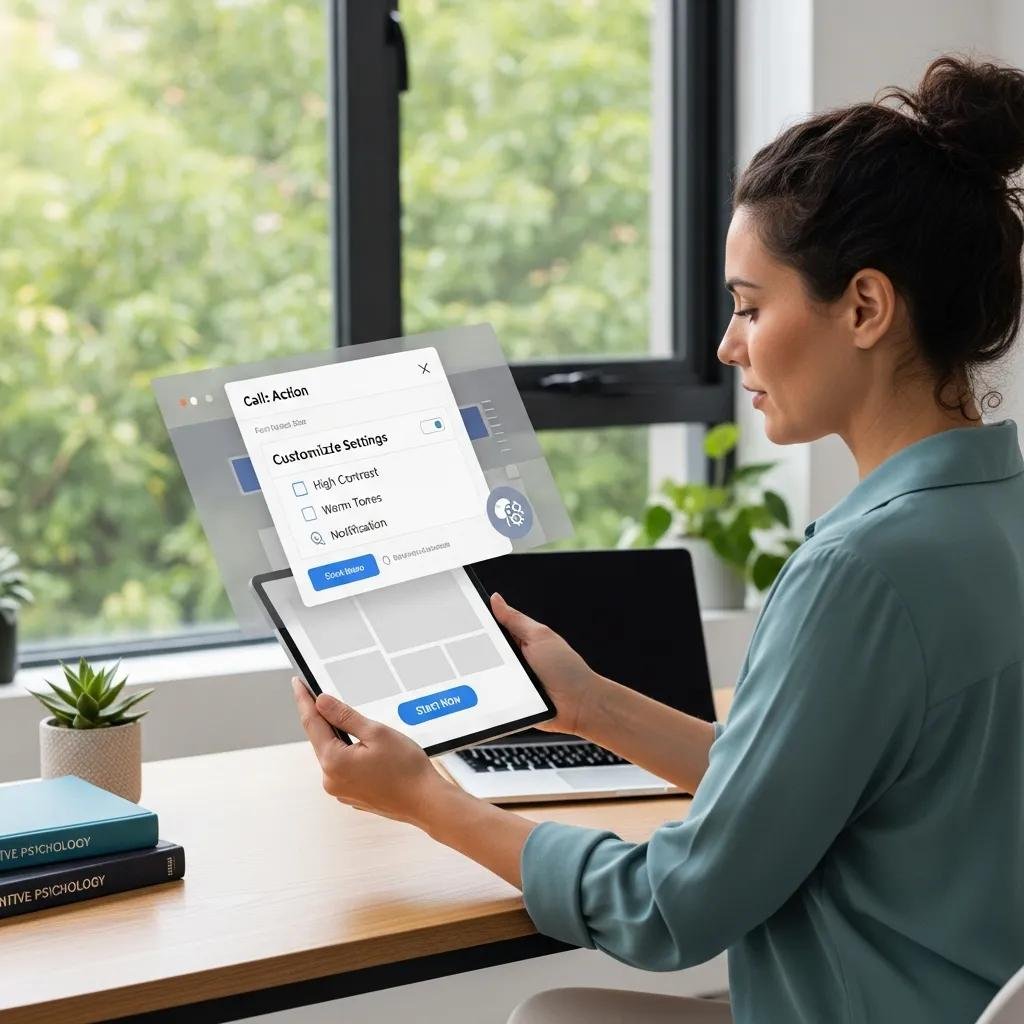
Implementing ADHD-friendly and sensory-friendly website guidelines is crucial for creating an inclusive online environment. These guidelines focus on minimizing distractions and enhancing user engagement.
Research further emphasizes the importance of these design principles in creating accessible and engaging content for neurodiverse readers, particularly those with ADHD.
ADHD-Friendly Digital Design: Reducing Cognitive Overload
Current digital publications often fail to meet the needs of neurodiverse audiences, such as those with ADHD, which leads to low engagement and cognitive overload. This thesis explored how ADHD-friendly designs can be incorporated into current digital magazines to create accessible and engaging reading content for neurodiverse readers. Some of the case studies’ main findings include simplified navigation, structured layouts, and a minimalistic visual design, allowing readers to focus and digest the information.
Designing for Neurodiversity: Creating ADHD-Friendly Digital Publications, 2025
Which Interactive Elements and Navigation Practices Support ADHD and Sensory Sensitivities?
- Clear Call-to-Action Buttons: Prominent buttons guide users toward desired actions without confusion.
- Progressive Disclosure: Presenting information gradually helps prevent overwhelming users with too much content at once.
- Customizable Features: Allowing users to adjust settings, such as font size and color contrast, can enhance their experience.
These practices create a more accommodating environment for neurodivergent users.
What Customizable Settings Help Create Autism Spectrum Disorder Web Accessibility?
- Adjustable Text Size: Users can modify text size to suit their reading preferences.
- Color Contrast Options: Providing options for different color contrasts can help users with visual sensitivities.
- Content Simplification Tools: Features that allow users to simplify content can enhance understanding and engagement.
By offering these customizable settings, therapists can empower neurodivergent users to tailor their online experience.
How Does Therapeia Web Design Deliver Inclusive UX for Neurodivergent Therapy Clients?
Therapeia Web Design specializes in creating inclusive user experiences for neurodivergent therapy clients. Their approach focuses on understanding the unique needs of these individuals and implementing design strategies that promote accessibility.
What Is Therapeia’s Approach to Neurodiversity Affirming Website Design?
Therapeia’s approach to neurodiversity affirming website design emphasizes collaboration with therapists to ensure that their websites reflect the values of inclusivity and accessibility. Key aspects of their approach include:
- User-Centered Design: Prioritizing the needs of neurodivergent users throughout the design process.
- Feedback Integration: Actively seeking feedback from neurodivergent individuals to refine design elements.
- Continuous Improvement: Committing to ongoing updates and enhancements based on user experiences.
This approach ensures that therapy websites are not only visually appealing but also functional and supportive for neurodivergent clients.
Which Case Studies Demonstrate Successful Neurodiverse Therapy Website Designs?
- Client A: A therapist specializing in autism services saw a 40% increase in client engagement after redesigning their website with neurodiversity principles.
- Client B: A counseling practice focused on ADHD reported improved user satisfaction and reduced bounce rates following the implementation of ADHD-friendly design features.
- Client C: A mental health clinic serving diverse populations experienced enhanced accessibility and positive user feedback after adopting sensory-friendly guidelines.
These case studies illustrate the positive impact of neurodiversity affirming design on therapy practices.
How Can Therapists Ensure WCAG Compliance and Audit Their Websites for Neuro-Accessibility?
Ensuring WCAG compliance is essential for therapists aiming to create accessible websites for neurodivergent clients. The Web Content Accessibility Guidelines (WCAG) provide a framework for making web content more accessible.
What Are the Key WCAG Guidelines Relevant to Therapy Websites?
- Text Alternatives: Providing text alternatives for non-text content ensures that all users can access information.
- Keyboard Navigation: Ensuring that all website functions are operable through a keyboard enhances accessibility for users with motor impairments.
- Readable Text: Using clear and simple language improves comprehension for neurodivergent users.
By adhering to these guidelines, therapists can create websites that are more inclusive and accessible.
Which Tools and Checklists Help Audit Neurodiversity Friendly Website Accessibility?
- WAVE: A web accessibility evaluation tool that identifies accessibility issues on websites.
- Axe: A browser extension that provides automated accessibility testing and recommendations.
- WCAG Checklist: A comprehensive checklist that outlines key WCAG guidelines to ensure compliance.
Utilizing these resources can help therapists identify and address accessibility barriers on their websites.
What Resources and Next Steps Support Therapists in Creating Neurodiverse-Friendly Websites?
Therapists looking to create neurodiverse-friendly websites can benefit from various resources and actionable steps. These resources provide guidance on best practices and design principles.
How Can Therapists Start Their Website in a Week with Neurodiversity Affirming Design?
Therapists can start their website in a week with neurodiversity affirming design by utilizing the services offered by Therapeia, which include quick and effective brand and website transformations. They can choose the “Website In a Week” service to create a stress-free, beautiful website ready to launch. Additionally, they can take advantage of a 10% discount on new website templates by joining the newsletter. For more details, therapists can visit the Therapeia website.
Where to Find Further Learning and Support on Inclusive Therapy Website Design?
Therapists can find further learning and support on inclusive therapy website design through various resources, including:
- Webinars and Workshops: Participating in online training sessions focused on neurodiversity and web design.
- Professional Organizations: Joining organizations that promote accessibility and inclusivity in mental health practices.
- Online Communities: Engaging with online forums and groups dedicated to neurodiversity and web design.