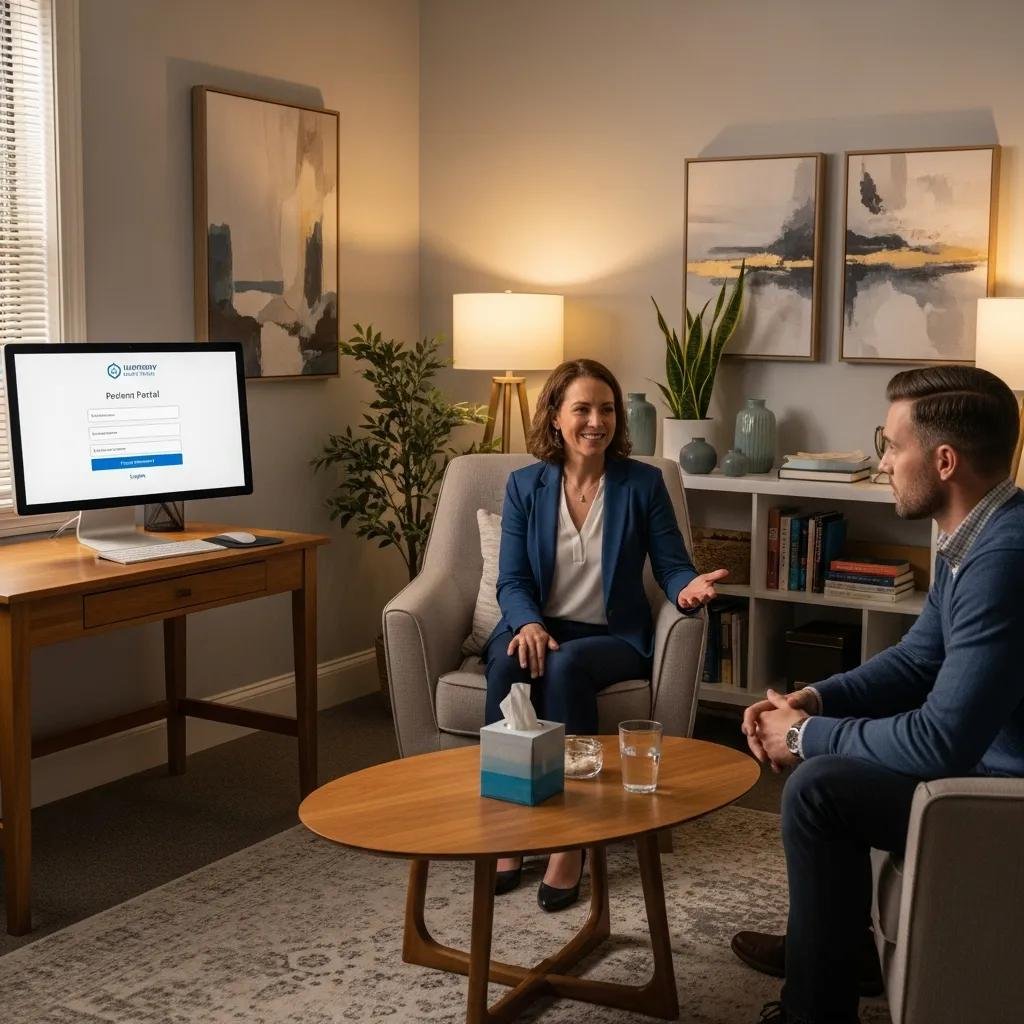
Top Therapy Website Features That Drive Client Engagement
Therapist Website Must-Haves: Essential Features to Convert Visitors Into Clients
Creating an effective therapist website is crucial for converting visitors into clients. A well-designed site not only showcases your services but also builds trust and encourages potential clients to take action. In this article, we will explore the essential features every therapist website needs to enhance client conversion. You will learn about the importance of user-friendly navigation, online booking systems, and trust-building content. Additionally, we will discuss how conversion optimization techniques can improve your website’s performance and the role of clear calls to action in guiding potential clients. By the end of this article, you will have a comprehensive understanding of how to create a therapist website that effectively converts visitors into clients.
What Are the Core Features Every Therapist Website Needs?
A successful therapist website must incorporate several core features that enhance user experience and facilitate client conversion. These features include:
- User-Friendly Navigation: A clear and intuitive navigation menu allows visitors to find information quickly, reducing frustration and increasing the likelihood of engagement.
- Online Scheduling: Implementing an “online booking system” simplifies the appointment process, making it easier for clients to schedule sessions at their convenience.
- Client Testimonials: Displaying testimonials builds credibility and trust, showcasing the positive experiences of past clients.
These features are essential for creating a professional and effective online presence that resonates with potential clients.
How Does an Online Booking System Enhance Client Conversion?
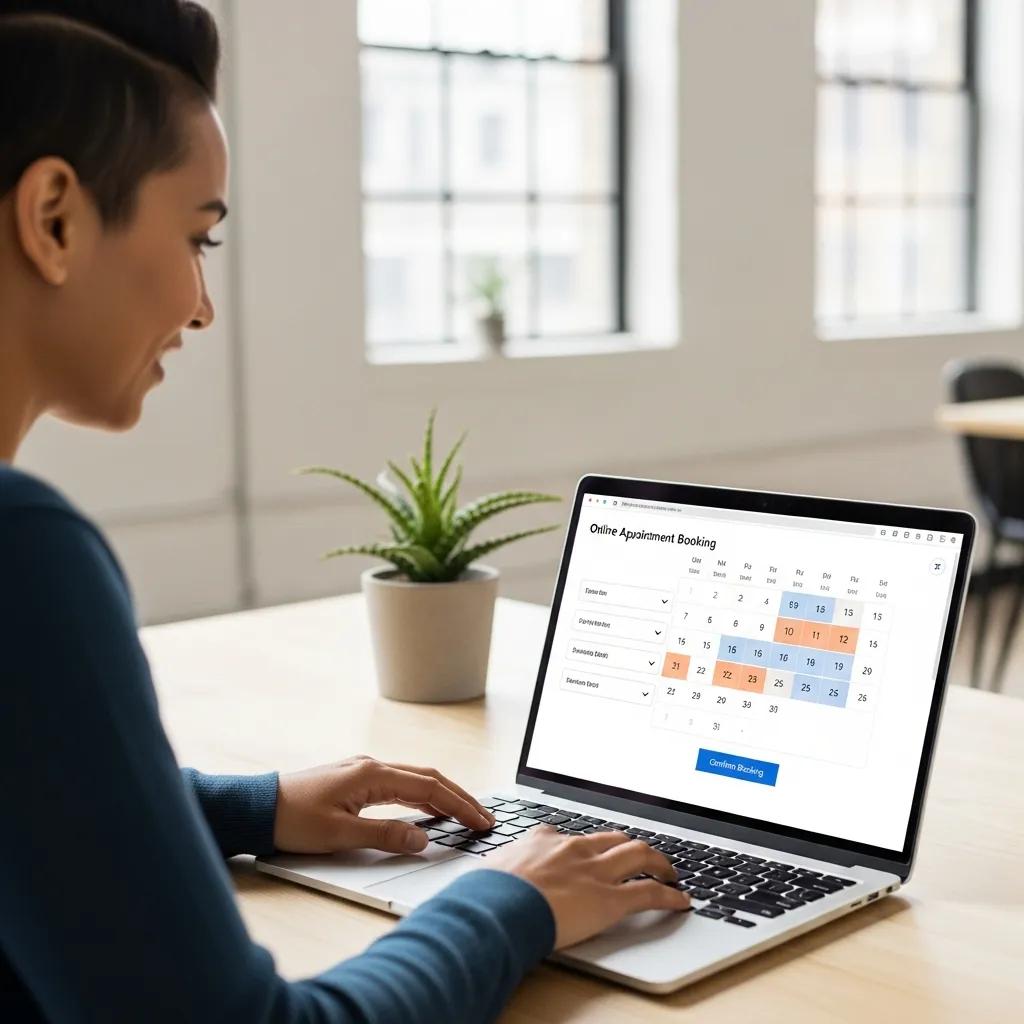
An “online booking system” significantly enhances client conversion by streamlining the appointment process. This feature increases accessibility, allowing clients to schedule appointments at any time without the need for back-and-forth communication. Additionally, it reduces the administrative burden on therapists, freeing up time to focus on client care. Improved client retention is another benefit, as clients appreciate the convenience of managing their appointments online. By integrating an online booking system, therapists can create a more efficient and user-friendly experience that encourages potential clients to take action.
The importance of such systems is further highlighted by recent developments in the field, emphasizing their role in modern therapy services.
Online Appointment Booking for Therapy Services
and importance of therapy dog services, this project aims to contribute to the industry’s evolution by developing a sophisticated Online Appointment Booking System.
Therapy Dog Service Online Appointment Booking System Project, 2024
Why Is Trust-Building Content Crucial for Therapist Websites?

Trust-building content is vital for therapist websites as it establishes credibility and fosters client confidence. By providing valuable information about therapy practices, credentials, and personal philosophies, therapists can create a connection with potential clients. This content not only informs but also reassures visitors that they are making a sound choice in seeking help. Furthermore, trust-building content encourages referrals, as satisfied clients are more likely to recommend services to others. In a field where trust is paramount, investing in quality content is essential for attracting and retaining clients.
Research consistently emphasizes the critical role of trust in mental health counseling, particularly when engaging with diverse client groups through digital platforms.
Building Client Trust Through Digital Media in Therapy
Trust is a key element in the effectiveness of the mental health counseling process, especially in reaching millennials who have unique characteristics in terms of values, communication, and expectations of psychological services. The results revealed four main strategies used consistently, namely: (1) empathic and authentic communication, (2) the use of storytelling and personal narratives, (3) the application of inclusive and culturally sensitive language, and (4) the use of digital media as an initial medium for building trust.
Millennial Clients’
Trust-Building Strategies In Mental Health Counseling, U Wahyudin, 2025
How Can Conversion Optimization Techniques Improve Therapy Website Performance?
Conversion optimization techniques are essential for enhancing the performance of therapy websites. These techniques include:
- SEO Best Practices: Implementing effective SEO strategies ensures that your website ranks well in search engine results, attracting more visitors.
- User Experience Design: A well-designed website that prioritizes user experience can significantly reduce bounce rates and increase engagement.
- Effective Calls to Action: Clear and compelling calls to action guide potential clients toward booking appointments, making it easier for them to take the next step.
By focusing on these techniques, therapists can create a website that not only attracts visitors but also converts them into clients.
Indeed, the synergy between website performance and conversion rates is a well-documented aspect of digital strategy.
Website Optimization for Higher Conversion
You will learn that these two components of WSO have synergistic effects; faster sites convert. This chapter offers the top 10 web performance tips as well as a list of common problems to.
Website optimization, 2008
What Role Do Clear Calls to Action Play in Booking Consultations?
Clear calls to action (CTAs) are crucial for guiding potential clients through the booking process. These CTAs should be strategically placed throughout the website, making it easy for visitors to understand what steps to take next. Effective CTAs create a sense of urgency, encouraging visitors to act promptly. By clearly communicating the benefits of booking a consultation, therapists can increase conversion rates and ultimately grow their client base. Ensuring that CTAs are visible and compelling is a key aspect of a successful therapist website.
How Do Trust Signals and Testimonials Increase Client Engagement?
Trust signals and testimonials play a significant role in increasing client engagement on therapist websites. These elements build credibility by showcasing real feedback from past clients, which can alleviate concerns for potential clients. Trust signals, such as professional affiliations, certifications, and privacy policies, further enhance the perception of reliability. By prominently displaying testimonials and trust signals, therapists can create a welcoming environment that encourages visitors to reach out for help. This approach not only boosts engagement but also fosters a sense of community and support.
Which SEO Best Practices Are Essential for Therapist Websites?
Implementing “SEO best practices” is essential for ensuring that therapist websites are easily discoverable by potential clients. Key practices include:
- Keyword Research: Identifying relevant keywords helps optimize website content for search engines, increasing visibility.
- On-Page SEO: Optimizing title tags, meta descriptions, and headers improves search engine rankings and enhances user experience.
- Local SEO: Focusing on local SEO strategies ensures that therapists appear in local search results, attracting clients in their area.
By adhering to these best practices, therapists can improve their online presence and attract more clients.
How Does Keyword Targeting Attract Ideal Mental Health Clients?
Keyword targeting is a powerful strategy for attracting ideal mental health clients. By focusing on specific keywords that potential clients are searching for, therapists can increase their website’s visibility in search engine results. This approach leads to higher quality traffic, as visitors are more likely to be interested in the services offered. Additionally, aligning website content with client needs ensures that therapists are addressing the concerns and questions of their target audience. Effective keyword targeting ultimately enhances the chances of converting visitors into clients.
Why Is Structured Data Important for Therapist Website Visibility?
Structured data is crucial for improving therapist website visibility in search engine results. By using schema markup, therapists can help search engines better understand the content of their websites. This understanding enhances the appearance of websites in search results, potentially leading to higher click-through rates. Structured data can also provide additional information, such as reviews and ratings, which can further attract potential clients. By implementing structured data, therapists can improve their online presence and increase the likelihood of being discovered by those seeking their services.
What Mobile and Accessibility Features Ensure a User-Friendly Therapy Website?
Mobile and accessibility features are essential for creating a user-friendly therapy website. Key features include:
- Mobile Responsiveness: Ensuring that the website is optimized for mobile devices allows clients to access information easily from their smartphones or tablets.
- Fast Loading Times: A website that loads quickly enhances user experience and reduces bounce rates.
- Accessible Forms: Providing forms that are easy to fill out ensures that all clients, including those with disabilities, can navigate the website effectively.
By incorporating these features, therapists can create a more inclusive and user-friendly online experience.
How Does Mobile Optimization Support Telehealth and Client Access?
Mobile optimization is particularly important for supporting telehealth services and client access. As more clients seek therapy through virtual platforms, having a mobile-friendly website becomes essential. Mobile optimization enhances user experience by ensuring that clients can easily access telehealth services from their devices. This accessibility increases engagement rates and encourages clients to utilize online resources. Additionally, a well-optimized mobile site positively impacts SEO, further enhancing visibility in search results. By prioritizing mobile optimization, therapists can better serve their clients in a digital-first world.
What Accessibility Standards Should Therapist Websites Meet?
Meeting accessibility standards is crucial for ensuring that therapist websites are usable by all individuals, including those with disabilities. Key standards include:
- Text Alternatives for Images: Providing alt text for images ensures that visually impaired users can understand the content.
- Keyboard Navigation: Ensuring that the website can be navigated using a keyboard allows users with mobility impairments to access information easily.
- Readable Text: Using clear fonts and sufficient contrast improves readability for all users.
By adhering to these standards, therapists can create a more inclusive online environment that welcomes all potential clients.