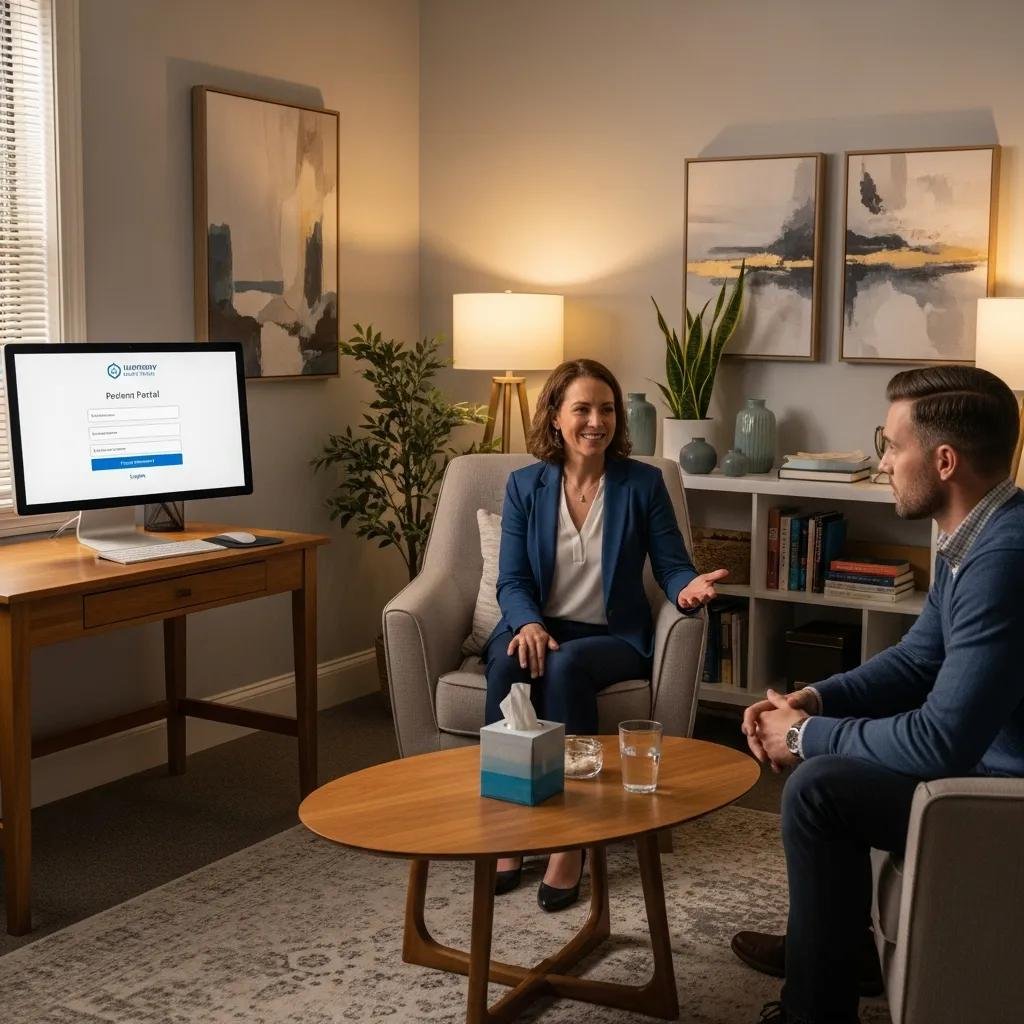
Optimize Your Website to Attract More Therapy Clients Today
Indeed, the internet has become an indispensable resource for individuals seeking health-related information, including mental health services. Research consistently highlights the critical role of website optimization in driving client acquisition and revenue growth for professional practices. Building trust is paramount in mental health counseling, and effective strategies, including the use of digital media, are crucial for engaging potential clients, particularly millennials.
How to Get More Therapy Clients Through Your Website: Conversion Rate Optimization Guide
In the digital age, having a well-optimized therapy website is crucial for attracting and retaining clients. This guide will explore effective strategies for enhancing your website’s conversion rate, ensuring that more visitors become clients. By focusing on key elements of design, conversion rate optimization techniques, and building trust online, therapists can significantly improve their client acquisition efforts. Many therapists struggle with low website engagement and high bounce rates, which can hinder their practice’s growth. This article will provide actionable insights into how to create a compelling online presence that converts visitors into therapy clients. We will cover essential design elements, effective conversion strategies, trust-building techniques, and the importance of technical SEO.
Patients Search for Therapists Online
The Internet has become firmly established as a source of information for health-related issues. According to the Internet user demographics published in 2014, an estimated 87% of US adults use the Internet. In 2012, 72% of US Internet users went online to search for health-related information [1]. The use of the Internet as a source of health information is growing among people who experience mental health difficulties. The increase in Internet use has led to questions about online information-seeking behaviors, for example, how psychotherapists and patients use the Internet to ascertain information about each other.
Do patients look up their therapists online? An exploratory study among patients in psychotherapy, 2016
Key elements of therapy website design

A well-designed therapy website is essential for creating a positive user experience and encouraging potential clients to reach out. Key elements include user-friendly navigation, mobile optimization, and clear calls to action. These components work together to ensure that visitors can easily find the information they need and take the next steps toward booking a session.
- User-Friendly Navigation: A clear and intuitive navigation structure helps visitors find relevant information quickly, reducing frustration and increasing the likelihood of engagement.
- Mobile Optimization: With a growing number of users accessing websites via mobile devices, ensuring your site is mobile-friendly is crucial for retaining visitors and improving conversion rates.
- Clear Calls to Action: Strategically placed calls to action guide visitors toward booking appointments or contacting you, making it easier for them to take the next step.
For therapists looking to enhance their website’s design, professional web design services can provide tailored solutions that align with best practices in the industry. By investing in quality design, therapists can create a more inviting and effective online presence.
Conversion rate optimization strategies
Conversion rate optimization (CRO) involves implementing strategies to improve the percentage of website visitors who take desired actions, such as booking an appointment. Effective CRO strategies include optimizing calls-to-action, simplifying booking processes, and incorporating trust-building elements.
Website CRO for Lead Generation & Revenue Growth
Currently, their primary source of new clients is through their website because after trying other channels, website is the most effective and digital marketing nowadays have proven to be highly impactful. To increase sales and help PT. LVC grow, their website needs to be optimized to generate leads or potential customers, ultimately boosting revenue. Increasing revenue is PT. LVC current primary objective. To achieve this, the conversion rate optimization theory developed by Chris Goward (2012) will be utilized, with a qualitative approach.
Enhancing PT. LVC Website Marketing Strategy To Generate Leads Through Conversion Rate Optimization (CRO), AR Qastharin, 2024
- Effective Calls-to-Action: Use compelling language and design to encourage visitors to take action, such as “Schedule Your Free Consultation Today!” This can significantly increase the likelihood of conversions.
- Simplified Booking Processes: Streamlining the appointment booking process reduces friction for potential clients. Consider using online scheduling tools that allow clients to book directly through your website.
- Trust-Building Elements: Incorporate testimonials, professional credentials, and secure forms to establish credibility and reassure visitors that they are making a safe choice.
By focusing on these strategies, therapists can effectively increase their website’s conversion rates and attract more clients. The importance of conversion rate optimization cannot be overstated, as it directly impacts the growth and sustainability of a therapy practice.
This table illustrates how different conversion strategies can lead to improved client acquisition through enhanced website performance.
Building trust and credibility online

Establishing trust and credibility online is vital for therapists looking to attract new clients. Potential clients are more likely to engage with a therapist who presents themselves as trustworthy and professional. Key strategies for building trust include showcasing client testimonials, displaying professional credentials, and ensuring secure forms for sensitive information.
Building Trust with Therapy Clients Online
Trust is a key element in the effectiveness of the mental health counseling process, especially in reaching millennials who have unique characteristics in terms of values, communication, and expectations of psychological services. This study aims to identify and analyze effective strategies counselors use in building trust with millennial clients. The results revealed four main strategies used consistently, namely: (1) empathic and authentic communication, (2) the use of storytelling and personal narratives, (3) the application of inclusive and culturally sensitive language, and (4) the use of digital media as an initial medium for building trust.
Millennial Clients’
Trust-Building Strategies In Mental Health Counseling, U Wahyudin, 2025
- Client Testimonials: Positive feedback from previous clients can significantly influence potential clients’ decisions. Displaying testimonials prominently on your website can enhance your credibility.
- Professional Credentials: Highlighting your qualifications and experience reassures visitors that they are choosing a qualified professional for their mental health needs.
- Secure Forms: Ensuring that your website uses secure forms for client inquiries and bookings protects sensitive information, further establishing trust.
By implementing these strategies, therapists can create a trustworthy online presence that encourages potential clients to reach out for help.
Technical SEO and analytics for therapists
Technical SEO and analytics play a crucial role in attracting clients to your therapy website. By optimizing your site for search engines and tracking performance metrics, you can improve visibility and understand user behavior.
- Keyword Optimization: Researching and incorporating relevant keywords into your website content helps improve search engine rankings, making it easier for potential clients to find you.
- Local SEO Techniques: Implementing local SEO strategies, such as optimizing your Google My Business listing, can help attract clients in your area.
- Performance Tracking: Utilizing analytics tools allows you to monitor website performance, user behavior, and conversion rates, enabling you to make data-driven decisions for ongoing improvements.
By focusing on technical SEO and analytics, therapists can enhance their online visibility and attract more clients to their practice.
Next steps and call to action
To effectively implement the strategies discussed in this guide, therapists should take actionable steps toward optimizing their websites. Begin by assessing your current website design and identifying areas for improvement. Consider implementing professional web design services to enhance user experience and engagement.
- Implement Design Changes: Focus on user-friendly navigation, mobile optimization, and clear calls to action to improve overall website performance.
- Monitor Performance: Regularly track website analytics to understand user behavior and identify opportunities for further optimization.
- Engage with Potential Clients: Use social media and email marketing to connect with potential clients and encourage them to visit your website.
By following these steps, therapists can create a more effective online presence that attracts and retains clients, ultimately leading to a successful practice.