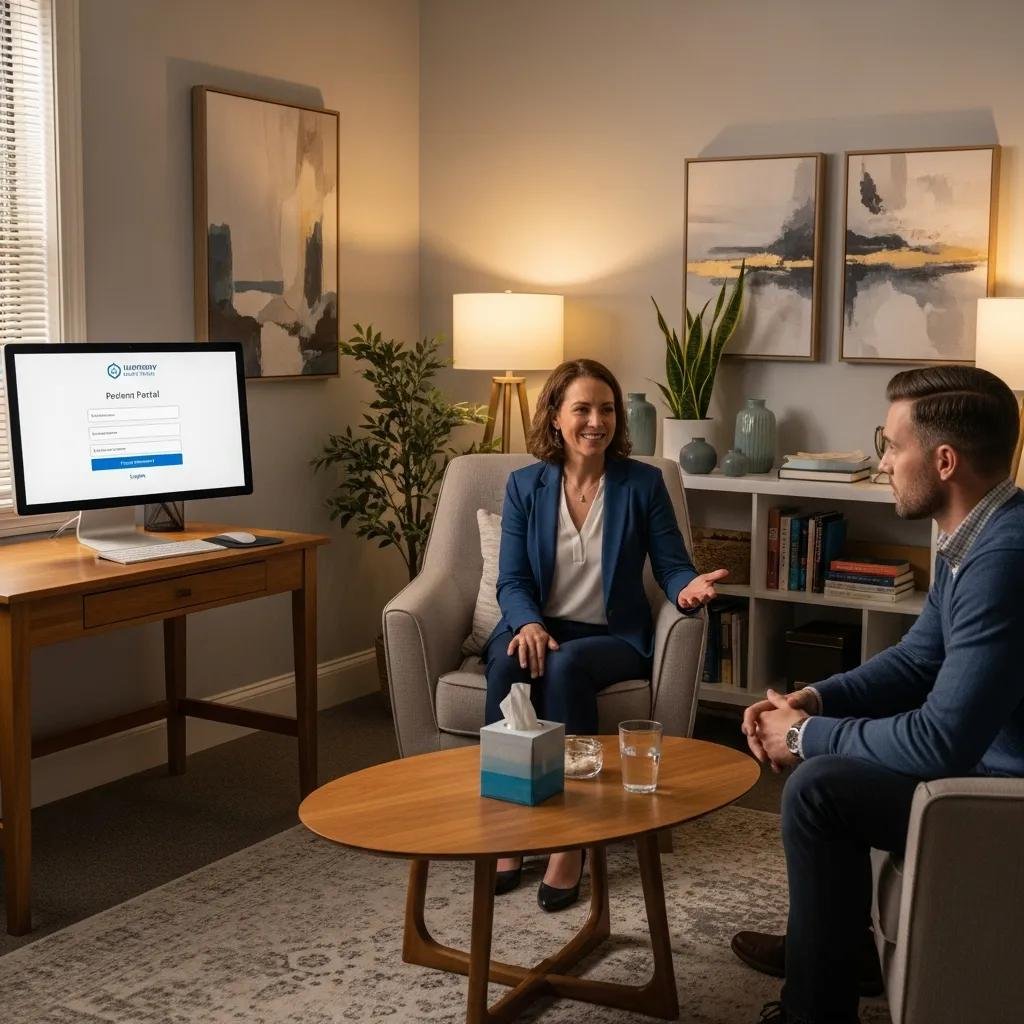
Key HIPAA Website Requirements for Therapists in 2026
HIPAA Website Design for Therapists: Essential Compliance and Security Insights for 2026
As the landscape of mental health care continues to evolve, therapists must prioritize the creation of HIPAA-compliant websites to protect patient information and maintain trust. In 2026, understanding the core requirements and standards for HIPAA compliance is crucial for therapists looking to establish a secure online presence. This article will delve into the essential aspects of HIPAA compliance for therapist websites, including the latest regulations, security technologies, and the integration of telehealth services. By addressing these topics, therapists can ensure their websites not only meet legal standards but also enhance patient trust and lead conversion.
The following sections will cover the core HIPAA requirements for therapist websites, the impact of updated regulations, secure features that protect patient data, and the importance of choosing a specialized web designer. Additionally, we will explore how telehealth integration affects compliance and the benefits of customized compliance solutions for therapists.
What Are the Core HIPAA Requirements for Therapist Websites in 2026?

In 2026, therapist websites must adhere to several core HIPAA requirements to ensure the protection of patient information. These requirements include:
- Data Encryption: All patient data must be encrypted during transmission and storage to prevent unauthorized access.
- Access Controls: Websites must implement strict access controls to ensure that only authorized personnel can access sensitive patient information.
- Privacy Policies: Clear and comprehensive privacy policies must be displayed on the website, informing patients about how their data will be used and protected.
These core requirements are essential for maintaining compliance and safeguarding patient information in the digital age.
Which HIPAA Standards Must Therapist Websites Meet?
Therapist websites must meet specific HIPAA standards to ensure compliance and protect patient data. Key standards include:
- Data Encryption: Utilizing SSL/TLS encryption to secure data transmission.
- Access Controls: Implementing user authentication and role-based access to sensitive information.
- Secure Hosting: Choosing hosting providers that comply with HIPAA regulations and offer secure environments for data storage.
Adhering to these standards is vital for therapists to maintain compliance and protect their patients’ privacy.
A critical aspect of secure hosting, as highlighted by experts, involves formal agreements with service providers.
HIPAA BAAs for Therapist Website Hosting
If the website-hosting service is not willing to execute a HIPAA Business Associate Agreement (BAA) with the therapist, then the therapist cannot use that service for any PHI. This is one of the most common issues mental health therapists face.
A HIPAA Compliance Kit, 2003
How Do Updated 2026 Regulations Impact Website Compliance?
The updated regulations for 2026 have clarified several aspects of HIPAA compliance for therapist websites. Notably, there have been no substantial changes to mandatory encryption requirements; however, therapists must remain vigilant about future changes in regulations. Staying informed about these updates is crucial for maintaining compliance and ensuring the security of patient data.
How Do Secure Therapy Website Features Protect Patient Data?
Secure features on therapy websites play a critical role in protecting patient data. These features include:
- Data Encryption: Ensures that all data transmitted between the patient and the therapist is secure.
- Secure Forms: Utilizing encrypted forms for patient intake and communication to prevent data breaches.
- Access Controls: Implementing measures to restrict access to sensitive information only to authorized personnel.
By incorporating these secure features, therapists can significantly reduce the risk of data breaches and enhance patient trust.
What Encryption Standards Ensure Therapist Website Data Protection?
To protect patient data effectively, therapist websites must adhere to specific encryption standards, including:
- SSL/TLS Encryption: This standard secures data during transmission, ensuring that sensitive information remains confidential.
- Data Encryption at Rest: Protects stored data from unauthorized access by encrypting it when not in use.
- Multi-Factor Authentication: Adds an extra layer of security by requiring multiple forms of verification before granting access to sensitive information.
Implementing these encryption standards is essential for maintaining HIPAA compliance and safeguarding patient data.
Which Security Technologies Are Essential for HIPAA Compliance?
Several security technologies are crucial for ensuring HIPAA compliance on therapist websites. These include:
- Data Encryption: Protects patient information during transmission and storage.
- Access Controls: Ensures that only authorized personnel can access sensitive data.
- Audit Trails: Tracks access and modifications to patient data, providing accountability and transparency.
By utilizing these technologies, therapists can enhance their website’s security and maintain compliance with HIPAA regulations.
How Does Telehealth Integration Affect Mental Health Website Compliance?

The integration of telehealth services into mental health websites has significant implications for compliance with HIPAA regulations. Therapists must ensure that their telehealth platforms adhere to HIPAA standards, including:
- Adherence to HIPAA Regulations: Telehealth services must comply with all HIPAA requirements to protect patient information.
- Importance of Secure Features: Implementing secure video conferencing and encrypted communication channels is essential for maintaining patient confidentiality.
By prioritizing compliance in telehealth integration, therapists can provide secure and effective care to their patients.
Indeed, failing to secure these platforms can lead to significant compliance breaches.
Avoiding HIPAA Violations on Unsecure Websites
sending information on unsecure websites, and accessing telehealth services outside of a private network can all lead to a HIPAA violation. Additionally, sending information on unsecure websites and using telehealth services outside of a private network can lead to a HIPAA violation.
A digital checkup on HIPAA: Modernizing healthcare privacy standards for telehealth services, 2022
What Are the Telehealth Compliance Requirements for Therapist Sites?
Therapist websites offering telehealth services must meet specific compliance requirements, including:
- HIPAA Compliance: Ensuring that all telehealth services adhere to HIPAA regulations.
- Privacy Policies: Clearly outlining how patient data will be used and protected during telehealth sessions.
- Secure Client Portals: Providing secure access for patients to communicate with their therapists and manage appointments.
Meeting these requirements is essential for therapists to maintain compliance and protect patient information in a telehealth setting.
How Can Therapists Securely Implement Telehealth Platforms?
To securely implement telehealth platforms, therapists should consider the following best practices:
- Select HIPAA-Compliant Platforms: Choose telehealth services that are specifically designed to meet HIPAA standards.
- Integrate Secure Video Conferencing: Ensure that video conferencing tools are encrypted and secure to protect patient confidentiality.
- Regularly Update Security Protocols: Stay informed about the latest security measures and update protocols as necessary to maintain compliance.
By following these practices, therapists can effectively implement telehealth services while ensuring compliance with HIPAA regulations.
To further guide the secure implementation of telehealth, comprehensive frameworks have been developed.
HIPAA-Compliant Web Design Framework for Telehealth
This paper proposes a comprehensive, HIPAA-compliant web application design framework specifically tailored for next-generation telehealth systems, addressing critical requirements including data encryption, access control, audit logging, secure communication protocols, and breach notification mechanisms. The proposed framework integrates a multi-layered security architecture encompassing end-to-end encryption using Advanced Encryption Standard (AES-256), role-based access control (RBAC), OAuth 2.0 authentication, and real-time intrusion detection.
A HIPAA-Compliant Web Application Design Framework For Next-Generation Telehealth Systems, 2024
Why Choose a HIPAA-Compliant Web Designer Specialized in Therapist Websites?
Choosing a specialized HIPAA-compliant web designer offers several benefits for therapists, including:
- Protection of Sensitive Information: Specialized designers understand the nuances of HIPAA compliance and can implement necessary security measures.
- Building Client Trust: A well-designed, secure website enhances patient confidence in the therapist’s ability to protect their information.
By partnering with a specialized web designer, therapists can ensure their websites are compliant and secure.
How Does Expert Web Design Enhance Patient Trust and Lead Conversion?
Expert web design plays a crucial role in enhancing patient trust and lead conversion. Key factors include:
- Calm Credibility: A professional design instills confidence in potential clients, making them more likely to engage with the therapist.
- Clear Messaging: Effective communication of services and compliance measures reassures patients about their data security.
By investing in expert web design, therapists can improve their online presence and attract more clients.
What Are the Benefits of Customized Compliance Solutions for Therapists?
Customized compliance solutions offer several advantages for therapists, including:
- Enhanced Security: Tailored solutions address specific needs and vulnerabilities, providing better protection for patient data.
- Tailored Forms: Customized forms ensure that all necessary information is collected securely and in compliance with HIPAA regulations.
These benefits highlight the importance of investing in customized compliance solutions to protect patient information effectively.