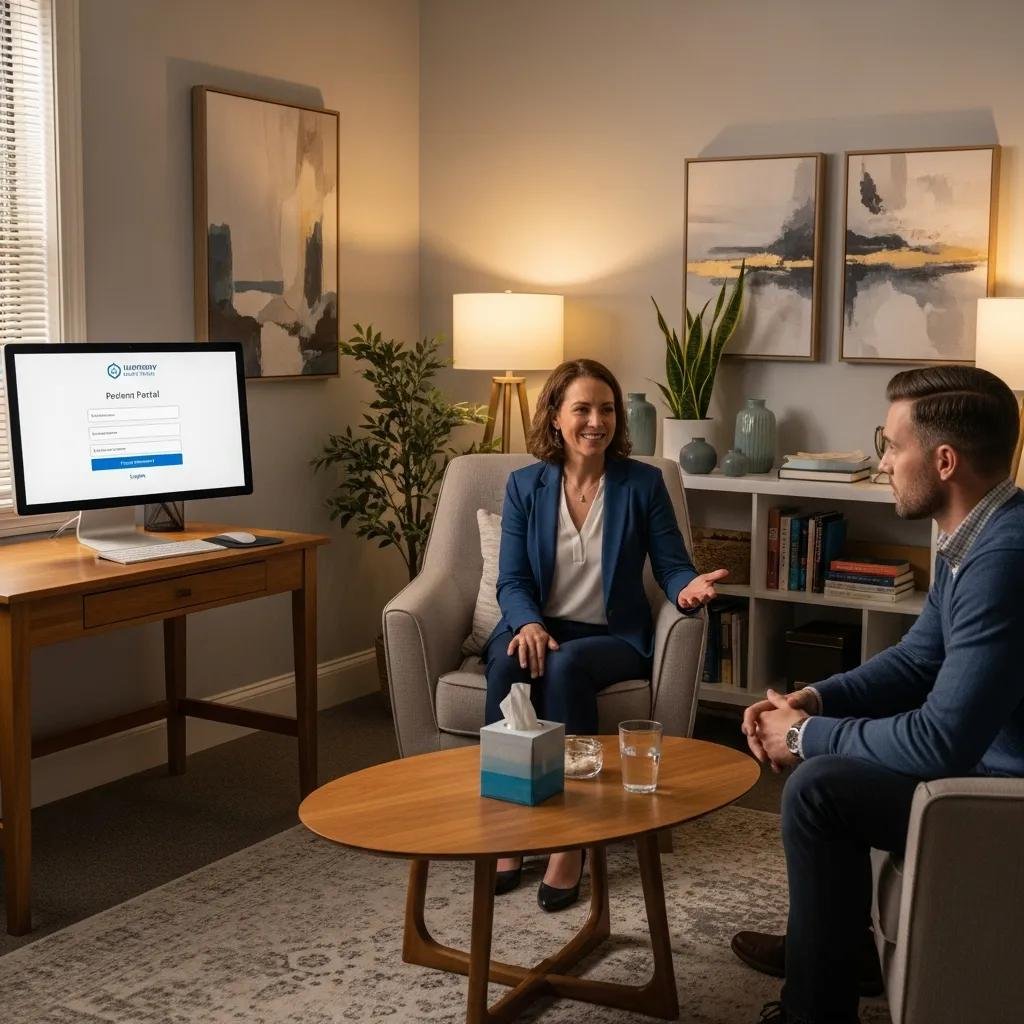
Build a Therapist Website From Scratch: Step-by-Step Guide
Build a Therapist Website From Scratch: Step-by-Step Guide
Creating a therapist website from scratch can be a daunting task, but it is essential for establishing an online presence and connecting with clients. This comprehensive guide will walk you through the necessary steps to build a professional and effective website tailored specifically for therapists, counselors, and mental health professionals. You will learn how to understand your audience, define your website’s goals, design for user experience, and implement essential features that comply with legal standards. Many therapists struggle with the technical aspects of website creation, which can hinder their ability to reach potential clients. By following this guide, you will gain the knowledge and tools needed to create a website that not only attracts visitors but also converts them into clients. We will cover key topics such as SEO strategies, content optimization, and post-launch maintenance to ensure your website remains effective over time.
Understand Your Audience

Understanding your audience is the cornerstone of building a successful therapist website. It involves identifying the needs and preferences of your target clients to create a site that resonates with them. Conducting audience research is crucial; this can include surveys, interviews, and analyzing existing client data. By creating user personas, you can visualize your ideal clients and tailor your content to address their specific concerns and interests. Identifying client needs will help you design a website that not only attracts visitors but also encourages them to engage with your services.
Define Your Website’s Goals
Defining your website’s goals is essential for guiding its development and measuring its success. Start by setting clear objectives for what you want your website to achieve, such as increasing client inquiries, providing valuable resources, or enhancing your professional reputation. Identifying key performance indicators (KPIs) will help you track progress and make informed decisions about future improvements. Aligning your goals with client needs ensures that your website serves its intended purpose and effectively meets the expectations of your audience.
Design for UI/UX
Designing for user interface (UI) and user experience (UX) is critical in creating a website that is both visually appealing and easy to navigate. Focus on user interface design by selecting a clean layout, appropriate color schemes, and readable fonts that reflect your brand identity. Implementing emotional design principles can help create a connection with visitors, making them feel comfortable and understood. Ensuring easy navigation is vital; users should be able to find information quickly and intuitively. A well-designed website enhances user satisfaction and increases the likelihood of client conversion.
Further research emphasizes the importance of carefully designed user interfaces, especially when catering to specific demographics like children and youth in mental health contexts.
UI/UX Design for Mental Health Websites
This master’s thesis focuses on the design of digital mental health and wellbeing websites and applications for children and youth. First, a literature review was carried out to identify the most important theories and recent research efforts within this field. The subject was inspected from the perspective of child and youth user interface (UI) design. According to the reviewed literature, digital mental health and wellbeing resources generally lack research evidence to support their effectiveness. In terms of UI design, the resources should be more carefully designed in order to be more suitable to child and youth users.
User interface design for children and youth: websites and applications to promote mental health and wellbeing, S Mehtälä, 2018
Therapeia Web Design specializes in creating professional, custom websites tailored specifically for therapists, counselors, life coaches, and mental health professionals. Their expertise in UI/UX design ensures that your website will not only look great but also function seamlessly, providing an optimal experience for your visitors.
Implement Accessibility and Responsiveness
Implementing accessibility and responsiveness is essential to ensure that your website is usable by all individuals, including those with disabilities. Adhering to accessibility standards, such as the Web Content Accessibility Guidelines (WCAG), will help you create an inclusive online environment. Additionally, ensuring mobile responsiveness is crucial, as many users access websites from their smartphones and tablets. Testing your website across various devices and screen sizes will help you identify and resolve any issues that may hinder user experience.
Optimize Content
Optimizing content is a key factor in attracting and retaining visitors on your therapist website. Start by developing clear and engaging service descriptions that outline the therapies you offer. Creating therapist bios can help build trust and rapport with potential clients, showcasing your qualifications and experience. Including a blog with valuable resources and insights can further enhance your website’s appeal, positioning you as an authority in your field. Engaging content not only informs visitors but also encourages them to take action, such as scheduling an appointment.
SEO and Local Visibility
Search engine optimization (SEO) and local visibility are crucial for ensuring that your therapist website reaches the right audience. Use relevant keywords throughout your content to improve search engine rankings and attract organic traffic. Implementing local SEO strategies, such as optimizing your Google My Business listing and including location-based keywords, will help potential clients in your area find your services more easily. Additionally, optimizing meta tags and descriptions can enhance your website’s visibility in search results, driving more traffic to your site.
A comprehensive approach to local SEO is vital for medical practices, encompassing various strategies to enhance online visibility and attract local patients.
Local SEO Guide for Therapists & Medical Practices
This chapter provides a comprehensive guide to local SEO for medical practices, emphasizing how healthcare providers can improve online visibility and attract more patients through strategic optimization. It explains key concepts such as keyword targeting, metadata use, structured data tags, and directory listings. The chapter also introduces emerging challenges in AI-powered search results and offers practical tools, including a physician SEO readiness checklist, to help practices adapt.
Mastering Local SEO for Medical Practices, 2025
Therapeia Web Design can assist you in implementing effective SEO strategies tailored to the needs of therapists. Their expertise in local visibility ensures that your practice is easily discoverable by clients searching for mental health services in your area.
Ensure Compliance and Security
Ensuring compliance and security is paramount for any therapist website, as it involves protecting sensitive client information and adhering to legal regulations. Complying with HIPAA regulations is essential for safeguarding client privacy and maintaining trust. Implementing security features, such as SSL certificates and secure payment gateways, will help protect your website from data breaches and cyber threats. Regularly updating your website’s security measures and privacy policies will further enhance client confidence in your practice.
Understanding the nuances of HIPAA compliance extends to the tools and technologies therapists use, requiring careful consideration of privacy and security protocols.
HIPAA Compliance for Therapist Online Tools & Privacy
Voice over the Internet Protocol (VoIP) systems such as Adobe ConnectNow, Skype, ooVoo, etc. may include the use of software applications for telerehabilitation (TR) therapy that can provide voice and video teleconferencing between patients and therapists. Privacy and security applications as well as HIPAA compliance within these protocols have been questioned by information technologists, providers of care and other health care entities. This paper develops a privacy and security checklist that can be used within a VoIP system to determine if it meets privacy and security procedures and whether it is HIPAA compliant. Based on this analysis, specific HIPAA criteria that therapists and health care facilities should follow are outlined and discussed, and therapists must weigh the risks and benefits when deciding to use VoIP software for TR.
VoIP for telerehabilitation: A risk analysis for privacy, security, and HIPAA compliance, 2010
Launch and Test

Preparing your website for launch involves thorough testing to ensure that all functionalities work as intended. Conducting usability tests with real users can provide valuable feedback on the website’s design and navigation. Gathering user feedback will help you identify any areas for improvement before the official launch. Making necessary adjustments based on this feedback will enhance the overall user experience and increase the likelihood of client engagement.
Post-Launch Maintenance
Post-launch maintenance is crucial for keeping your therapist website up-to-date and functioning optimally. Regularly updating content, monitoring performance metrics, and implementing user feedback will help you maintain a high-quality online presence. Additionally, staying informed about the latest trends in web design and digital marketing will allow you to make informed decisions about future enhancements. A well-maintained website not only attracts new clients but also fosters loyalty among existing ones.
How Do You Plan a Therapist Website to Meet Client and Practice Goals?
Planning a therapist website involves a strategic approach to ensure it meets both client and practice goals. Start by identifying the primary objectives of your website, such as increasing client inquiries or providing educational resources. Next, consider the specific needs of your target audience and how your website can address those needs effectively. Collaborating with a professional web design service, like Therapeia Web Design, can help you create a tailored website that aligns with your goals and resonates with your clients.
Who Is the Target Audience and What Are Their Needs?
The target audience for a therapist website typically includes individuals seeking mental health support, such as those dealing with anxiety, depression, or relationship issues. Understanding their needs involves recognizing the importance of empathy, trust, and accessibility in your online presence. Providing clear information about your services, qualifications, and approach can help potential clients feel more comfortable reaching out for help. Additionally, offering resources and educational content can further establish your expertise and build rapport with your audience.
What Are the Key Objectives for Your Therapy Website?
Key objectives for a therapy website may include increasing client inquiries, enhancing online visibility, and providing valuable resources for visitors. Establishing clear goals will guide the website’s design and content strategy, ensuring that it effectively meets the needs of both clients and the practice. Regularly reviewing and adjusting these objectives based on performance metrics will help you stay aligned with your overall business goals.
Which Website Platforms and Hosting Options Are Best for Therapists?
When choosing a website platform and hosting options, consider factors such as ease of use, customization capabilities, and security features. Popular website builders like WordPress, Wix, and Squarespace offer user-friendly interfaces and customizable templates suitable for therapists. Additionally, selecting a reliable hosting provider with strong security measures will help protect your website and client data. Researching and comparing different options will ensure you find the best fit for your practice.
What Are the Advantages of Popular Website Builders for Therapists?
Popular website builders offer several advantages for therapists looking to create an online presence. These platforms typically provide user-friendly interfaces, allowing individuals with limited technical skills to design and manage their websites easily. Additionally, many website builders offer customizable templates specifically designed for therapists, ensuring that your site reflects your brand and meets industry standards. Furthermore, built-in SEO tools and analytics features can help you optimize your website for search engines and track performance.
How to Choose Secure and Reliable Hosting for Mental Health Websites?
Choosing secure and reliable hosting for mental health websites involves considering factors such as uptime, security features, and customer support. Look for hosting providers that offer SSL certificates, regular backups, and robust security measures to protect client data. Additionally, selecting a provider with a strong reputation for uptime and customer support will ensure that your website remains accessible and functional. Researching and comparing different hosting options will help you make an informed decision.
What Essential Features Should a Therapy Website Include for Compliance and Engagement?
A therapy website should include essential features that promote compliance and engagement. Key features may include secure client portals for scheduling appointments and accessing resources, clear privacy policies outlining data protection measures, and contact forms for inquiries. Additionally, incorporating engaging content, such as blog posts and educational resources, can enhance user experience and encourage visitors to explore your services further.
How to Ensure HIPAA Compliance and Website Security?
Ensuring HIPAA compliance and website security involves implementing specific measures to protect client information. Start by familiarizing yourself with HIPAA regulations and incorporating necessary policies into your website. Implementing security features, such as encryption and secure payment gateways, will help safeguard sensitive data. Regularly reviewing and updating your website’s security measures will further enhance compliance and protect client privacy.
What Online Booking and Contact Systems Optimize Client Conversion?
Online booking and contact systems play a crucial role in optimizing client conversion for therapy websites. Implementing user-friendly scheduling tools allows potential clients to book appointments easily, reducing barriers to access. Additionally, providing clear contact information and responsive communication channels can enhance client engagement and encourage inquiries. Researching and selecting the right systems for your practice will help streamline the client onboarding process.
How Can You Design a Therapist Website That Builds Trust and Enhances User Experience?
Designing a therapist website that builds trust and enhances user experience involves focusing on transparency, professionalism, and accessibility. Providing clear information about your qualifications, services, and approach can help potential clients feel more comfortable reaching out for support. Additionally, incorporating user-friendly navigation and engaging content will enhance the overall experience, encouraging visitors to explore your site further. Collaborating with a professional web design service can help ensure that your website effectively communicates your brand and values.
What Are Best Practices for Clinical UX and Responsive Design?
Best practices for clinical UX and responsive design involve creating a website that is both user-friendly and accessible across various devices. Focus on intuitive navigation, clear calls to action, and engaging content that resonates with your audience. Additionally, ensuring that your website is mobile-responsive will enhance user experience for visitors accessing your site from smartphones and tablets. Regularly testing your website’s functionality and gathering user feedback will help you identify areas for improvement.
How to Incorporate Branding and Accessibility for Mental Health Professionals?
Incorporating branding and accessibility for mental health professionals involves creating a cohesive online presence that reflects your values and resonates with your audience. Start by developing a consistent visual identity, including logos, color schemes, and typography that align with your brand. Additionally, ensuring that your website adheres to accessibility standards will help create an inclusive environment for all users. Regularly reviewing and updating your branding elements will help maintain a strong online presence.
What SEO Strategies Improve Visibility and Attract Ideal Therapy Clients?
Implementing effective SEO strategies is essential for improving visibility and attracting ideal therapy clients. Start by conducting keyword research to identify relevant terms and phrases that potential clients may use to search for your services. Incorporating these keywords naturally throughout your content will help improve search engine rankings. Additionally, optimizing meta tags, descriptions, and images can enhance your website’s visibility in search results, driving more traffic to your site.
How to Optimize Content and Keywords for Therapist Website SEO?
Optimizing content and keywords for therapist website SEO involves creating high-quality, engaging content that resonates with your audience. Start by incorporating relevant keywords naturally throughout your website’s pages, including service descriptions, blog posts, and therapist bios. Additionally, ensuring that your content is informative and valuable will encourage visitors to spend more time on your site, improving search engine rankings. Regularly updating and refreshing your content will help maintain its relevance and effectiveness.
What Role Does Local SEO and Structured Data Play in Client Acquisition?
Local SEO and structured data play a crucial role in client acquisition for therapy websites. Implementing local SEO strategies, such as optimizing your Google My Business listing and incorporating location-based keywords, will help potential clients in your area find your services more easily. Additionally, using structured data markup can enhance your website’s visibility in search results, providing search engines with valuable information about your practice. This increased visibility can lead to higher client inquiries and conversions.
How Do You Launch and Maintain a Therapist Website for Long-Term Success?
Launching and maintaining a therapist website for long-term success involves careful planning and ongoing management. Start by conducting thorough testing before the official launch to ensure that all functionalities work as intended. After launching, regularly updating content, monitoring performance metrics, and implementing user feedback will help you maintain a high-quality online presence. Staying informed about the latest trends in web design and digital marketing will allow you to make informed decisions about future enhancements.
What Are the Steps for Testing, Launching, and Monitoring Website Performance?
Testing, launching, and monitoring website performance involves several key steps. Begin by conducting usability tests with real users to gather feedback on the website’s design and functionality. Once any necessary adjustments have been made, officially launch the site and promote it through various channels. After launch, regularly monitor performance metrics, such as traffic, engagement, and conversion rates, to assess the website’s effectiveness. Implementing user feedback and making ongoing improvements will help ensure long-term success.
How to Keep Your Therapy Website Updated with Security and Content Best Practices?
Keeping your therapy website updated with security and content best practices involves regular maintenance and monitoring. Start by implementing security measures, such as SSL certificates and secure payment gateways, to protect client data. Additionally, regularly updating content, including blog posts and service descriptions, will help maintain relevance and engagement. Staying informed about the latest trends in web design and digital marketing will allow you to make informed decisions about future enhancements, ensuring your website remains effective over time.