Your Top HIPAA Security Questions About Therapist Websites
Therapist Website Security: Your Top Questions Answered for HIPAA Compliant Data Protection
In the digital age, ensuring the security of therapist websites is paramount, especially when it comes to protecting sensitive client information. This article addresses the most pressing questions regarding therapist website security, focusing on HIPAA compliance and data protection. Readers will learn about essential security features, best practices for safeguarding client information, and common cybersecurity threats that therapists face. Understanding these aspects is crucial for maintaining client confidentiality and trust. This guide will cover the essential HIPAA compliance requirements, website security features, secure client portals, cybersecurity threats, privacy policies, and how Therapeia Web Design ensures secure, HIPAA-compliant websites for therapists.
What Are the Essential HIPAA Compliance Requirements for Therapist Websites?
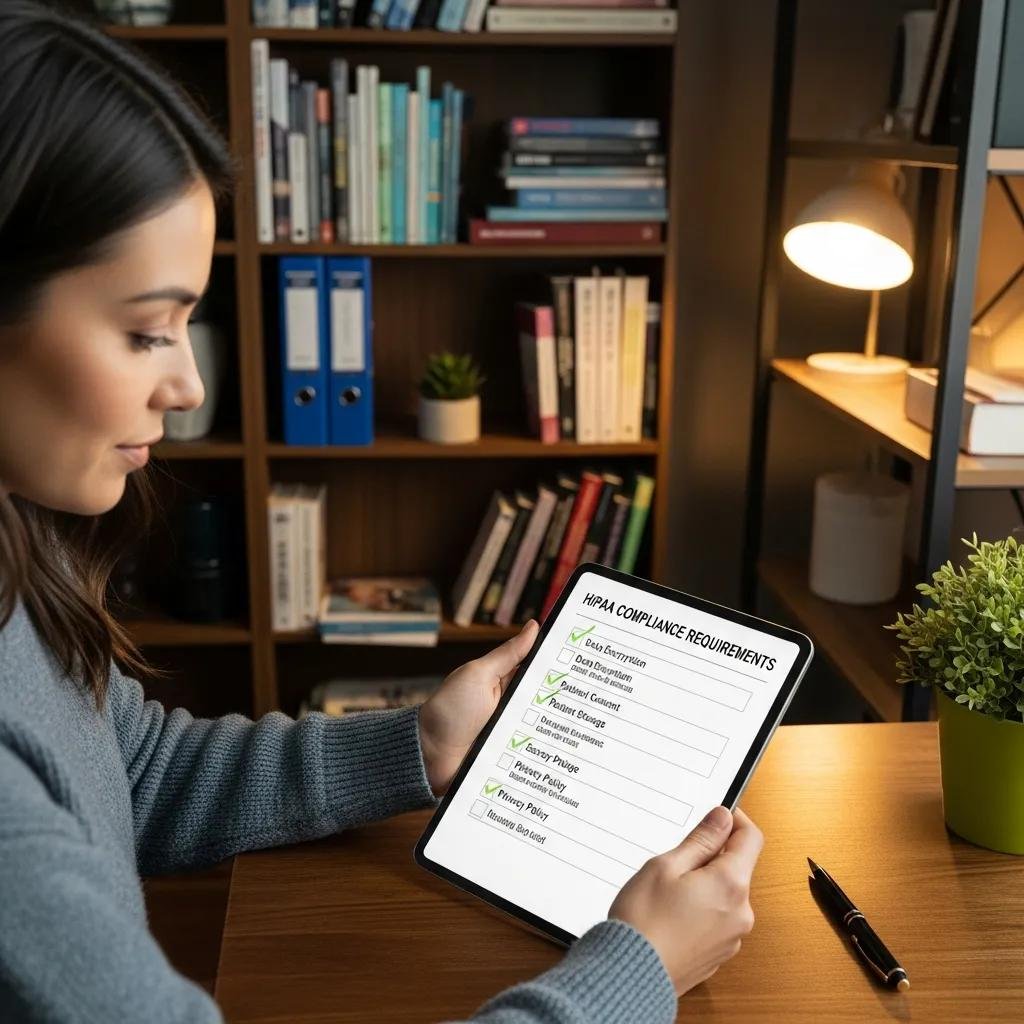
HIPAA compliance is critical for therapists to protect client data and maintain confidentiality. The Health Insurance Portability and Accountability Act (HIPAA) establishes standards for safeguarding protected health information (PHI). Compliance requires therapists to implement administrative, physical, and technical safeguards to ensure the confidentiality, integrity, and availability of PHI. Failure to comply can result in severe penalties, including fines and civil and criminal penalties.
Further emphasizing the comprehensive nature of these regulations, therapists are also mandated to provide clients with a Notice of Privacy Practices, prominently displayed both online and in their physical offices.
HIPAA & HITECH for Therapist Website Privacy
The HIPAA and HITECH regulations require the therapist to maintain the privacy and security of their therapy records and to provide clients with a Notice of Privacy Practices (NPP). NPPs must be prominently posted on an organization’s website, as well as in the office. This chapter is only a summary of HIPAA requirements, and therapists should consult with an attorney to ensure full compliance.
The impact of HIPAA and HITECH regulations on the couple and family therapist, 2016
How Does HIPAA Protect Client Data on Therapy Websites?
HIPAA protects client data on therapy websites by mandating the use of encryption and secure data storage methods when PHI is transmitted or stored electronically. Encryption ensures that any transmitted data is unreadable to unauthorized users, while secure storage protects data from breaches. Additionally, therapists must conduct regular risk assessments to identify vulnerabilities and implement necessary safeguards to mitigate risks. This proactive approach helps maintain client trust and ensures compliance with legal standards.
To further assist therapists in navigating these complex requirements, specialized checklists and risk analyses can be invaluable tools for ensuring privacy and security protocols meet HIPAA standards.
HIPAA Compliance Checklist for Therapist Security
Privacy and security applications as well as HIPAA compliance within these protocols have been questioned by information technologists, providers of care and other health care entities. This paper develops a privacy and security checklist that can be used within a VoIP system to determine if it meets privacy and security procedures and whether it is HIPAA compliant. Based on this analysis, specific HIPAA criteria that therapists and health care facilities should follow are outlined and discussed, and therapists must weigh the risks and benefits when deciding to use VoIP software for TR.
VoIP for telerehabilitation: A risk analysis for privacy, security, and HIPAA compliance, 2010
What Is a Business Associate Agreement and Why Is It Important?
A Business Associate Agreement (BAA) is a legal contract between a therapist and a third-party service provider that handles PHI on their behalf. This agreement outlines the responsibilities of both parties in protecting client data and ensures that the service provider complies with HIPAA regulations. Having a BAA in place is crucial, as it holds the third party accountable for safeguarding sensitive information, thereby reducing the therapist’s liability in case of a data breach.
Which Website Security Features Ensure Data Protection for Private Practices?
Implementing robust website security features is essential for therapists to protect client data effectively. Key features include SSL certificates, multi-factor authentication, and secure hosting environments. These elements work together to create a secure online presence that fosters client trust and helps meet HIPAA requirements.
How Do SSL Certificates and HTTPS Secure Therapist Websites?
SSL certificates encrypt data transmitted between a therapist’s website and clients, ensuring that sensitive information remains confidential. When a website uses HTTPS, it indicates that the connection is secure, which helps build trust with clients. This encryption is vital for protecting PHI during online communications, such as appointment scheduling and client messaging.
The evolution of these security measures, from SSL to TLS, underscores the continuous effort to provide robust encryption and secure data transmission for sensitive healthcare information.
HTTPS/TLS for Secure Healthcare Web Applications
encryption was applied to the HTTP protocol. At first, most solutions used Secure Sockets Layer (SSL) to secure the data transmission between a web server and a client. Later, Transport Layer Security (TLS) was developed as the successor to SSL. Both SSL and TLS are cryptographic protocols that provide secure communication over a computer network. The main goal of these protocols is to ensure the confidentiality, integrity, and authenticity of data exchanged between a web server and a client. The use of encryption and certificates are fundamental to achieving these security goals.
Comparative analysis of HTTPS/
TLS implementations for healthcare web applications, V Malanin, 2025
What Role Does Multi-Factor Authentication Play in Client Portal Security?
Multi-factor authentication (MFA) adds an extra layer of security to client portals by requiring users to provide two or more verification factors to gain access. This method significantly reduces the risk of unauthorized access, as it combines something the user knows (like a password) with something they have (like a mobile device). Implementing MFA is a best practice for therapists to enhance the security of their online platforms.
How Can Therapists Safeguard Client Information Through Secure Client Portals?
Secure client portals are essential for protecting client information and facilitating safe communication between therapists and clients. These portals allow clients to access their records, schedule appointments, and communicate securely with their therapists, all while ensuring that their data remains confidential.
What Are the Best Practices for Encrypted Communication in Therapy?
Best practices for encrypted communication in therapy include using secure messaging platforms that comply with HIPAA regulations. Therapists should ensure that any communication containing PHI is encrypted both in transit and at rest. Additionally, therapists should educate clients on the importance of using secure channels for sharing sensitive information, reinforcing the commitment to confidentiality.
How Do Access Controls Enhance Client Portal Security?
Access controls are critical for enhancing client portal security by limiting who can access sensitive information. Therapists should implement role-based access controls, ensuring that only authorized personnel can view or manage client data. Regularly reviewing access permissions and conducting audits can help identify and mitigate potential security risks.
What Are the Most Common Cybersecurity Threats to Therapist Websites and How to Prevent Them?
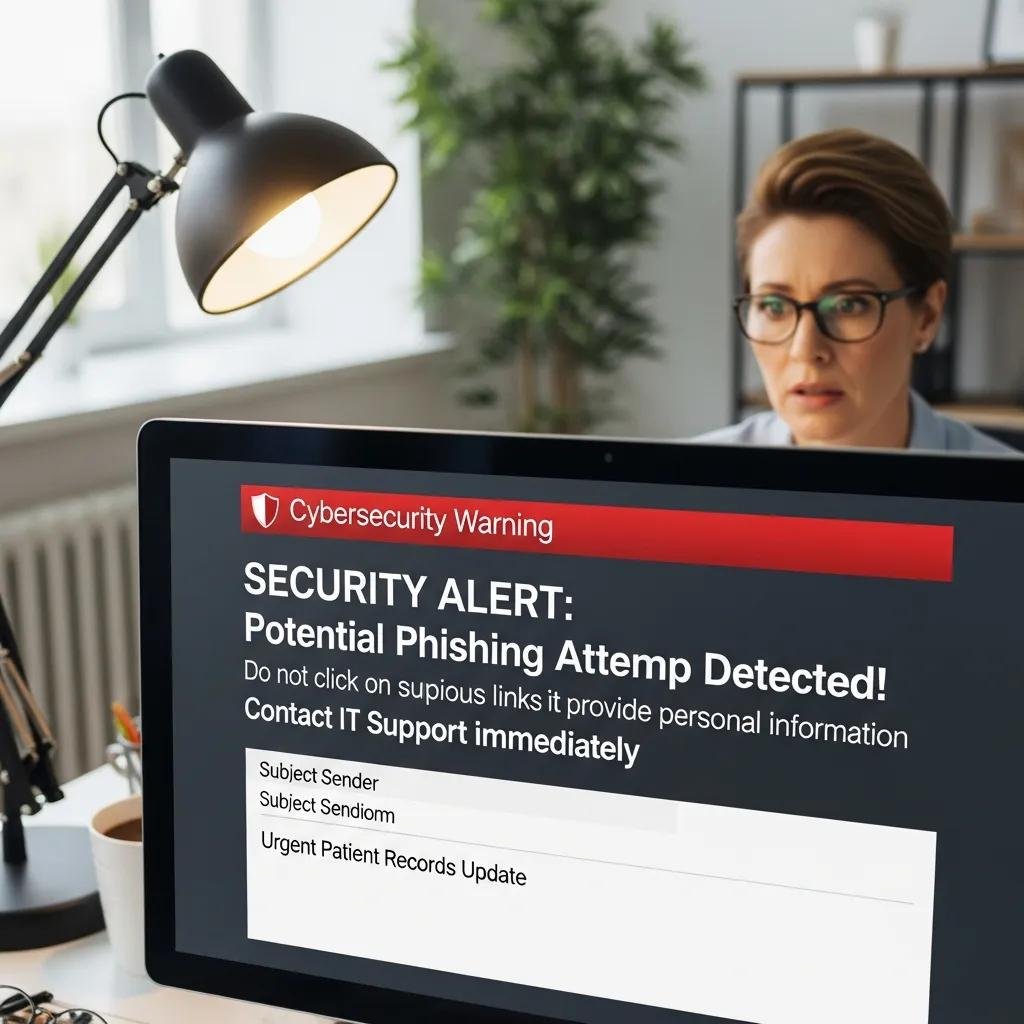
Therapists face various cybersecurity threats, including phishing attacks, malware, and data breaches. Understanding these threats and implementing preventive measures is essential for maintaining a secure online presence.
How Can Therapists Identify and Avoid Phishing and Malware Attacks?
Therapists can identify phishing and malware attacks by being vigilant about suspicious emails and links. Training staff to recognize red flags, such as unexpected requests for sensitive information or unusual email addresses, is crucial. Implementing email filtering and security software can also help prevent these attacks from compromising client data.
What Cyber Hygiene Practices Should Therapy Staff Follow?
Cyber hygiene practices are essential for maintaining a secure online environment. Therapy staff should regularly update software and security protocols, use strong passwords, and conduct regular training on cybersecurity awareness. Establishing a culture of security within the practice can significantly reduce the risk of cyber threats.
How Do Privacy Policies and Consent Forms Support Online Therapy Privacy and Data Protection?
Privacy policies and consent forms are vital components of online therapy that support data protection and client trust. These documents outline how client information will be used, stored, and protected, ensuring transparency and compliance with HIPAA regulations.
What Should a HIPAA-Compliant Privacy Policy Include for Therapists?
A HIPAA-compliant privacy policy should include details about the types of information collected, how it will be used, and the measures taken to protect it. Additionally, the policy should inform clients of their rights regarding their PHI and how they can exercise those rights. Providing a clear and comprehensive privacy policy fosters trust and ensures compliance with legal requirements.
How Is Informed Consent Obtained for Data Collection on Therapy Websites?
Informed consent for data collection is obtained by clearly communicating to clients what information will be collected and how it will be used. Therapists should provide clients with a consent form that outlines these details and obtain their signature before collecting any sensitive information. This process ensures that clients are aware of their rights and the implications of sharing their data.
How Does Therapeia Web Design Ensure Secure, HIPAA-Compliant Websites for Therapists?
Therapeia Web Design specializes in creating secure, responsive, and user-friendly websites specifically for therapists, counselors, and coaches. Their objective is to build a digital foundation that supports healing and growth, emphasizing client confidentiality and data protection.
What Security Technologies and Protocols Does Therapeia Implement?
Therapeia implements various security technologies and protocols to help ensure HIPAA compliance, including SSL certificates, encryption, and secure hosting environments. These measures protect client data and foster a secure online experience for both therapists and clients.
How Does Therapeia Support Therapists in Maintaining Ongoing Website Security?
Therapeia provides ongoing support to therapists by offering regular security updates, monitoring for vulnerabilities, and conducting risk assessments. This proactive approach ensures that therapists can focus on their practice while maintaining a secure online presence.
Implementing these security features is essential for therapists to protect client data and maintain compliance with HIPAA regulations. By prioritizing website security, therapists can foster trust and ensure a safe online environment for their clients.
Therapists must remain vigilant about cybersecurity threats and implement best practices to safeguard client information. By understanding HIPAA compliance requirements, utilizing secure client portals, and integrating robust security features, therapists can create a secure online presence that prioritizes client confidentiality and data protection.