WCAG 2.1 Compliance: Accessible Websites for All Patients
How to Make Therapist Websites Accessible & WCAG 2.1 Compliant
Creating an accessible online presence is crucial for therapists, counselors, and coaches. The Web Content Accessibility Guidelines (WCAG) 2.1 provide a framework to ensure that websites are usable by everyone, including individuals with disabilities. This article will explore the importance of WCAG 2.1 for therapist websites, detailing how to achieve compliance and the essential features that enhance accessibility. Many mental health professionals struggle with ensuring their websites meet legal standards while also being user-friendly. By implementing WCAG 2.1 guidelines, therapists can create inclusive websites that cater to all clients, ultimately improving their practice’s reach and effectiveness. We will cover the key principles of WCAG 2.1, the legal considerations related to ADA compliance, essential accessibility features, and the business benefits of accessible websites.
What Is WCAG 2.1 and Why Does It Matter for Therapist Websites?
WCAG 2.1 is a set of guidelines designed to make web content more accessible to people with disabilities. It builds upon the previous version, WCAG 2.0, by adding new criteria that address the needs of users with cognitive and learning disabilities, as well as those with low vision. The importance of WCAG 2.1 for therapist websites lies in its ability to ensure that all clients, regardless of their abilities, can access vital information and services. By adhering to these guidelines, therapists can create a more inclusive environment that fosters trust and engagement.
Indeed, the application of inclusive, user-centered design principles is crucial for improving the usability and effectiveness of psychological interventions, ultimately increasing client engagement and adherence.
Inclusive Design for Usable Psychological Therapies
Background:Real-world implementation of psychological interventions for psychosis is poor. Barriers include therapy being insufficiently usable and useful for a diverse range of people. User-centered, inclusive design approaches could improve the usability of therapy, which may increase uptake, adherence, and effectiveness.
How inclusive, user-centered design research can improve psychological therapies for psychosis: development of
SlowMo, A Hardy, 2018
What Are the Key Principles of WCAG 2.1 for Therapists?
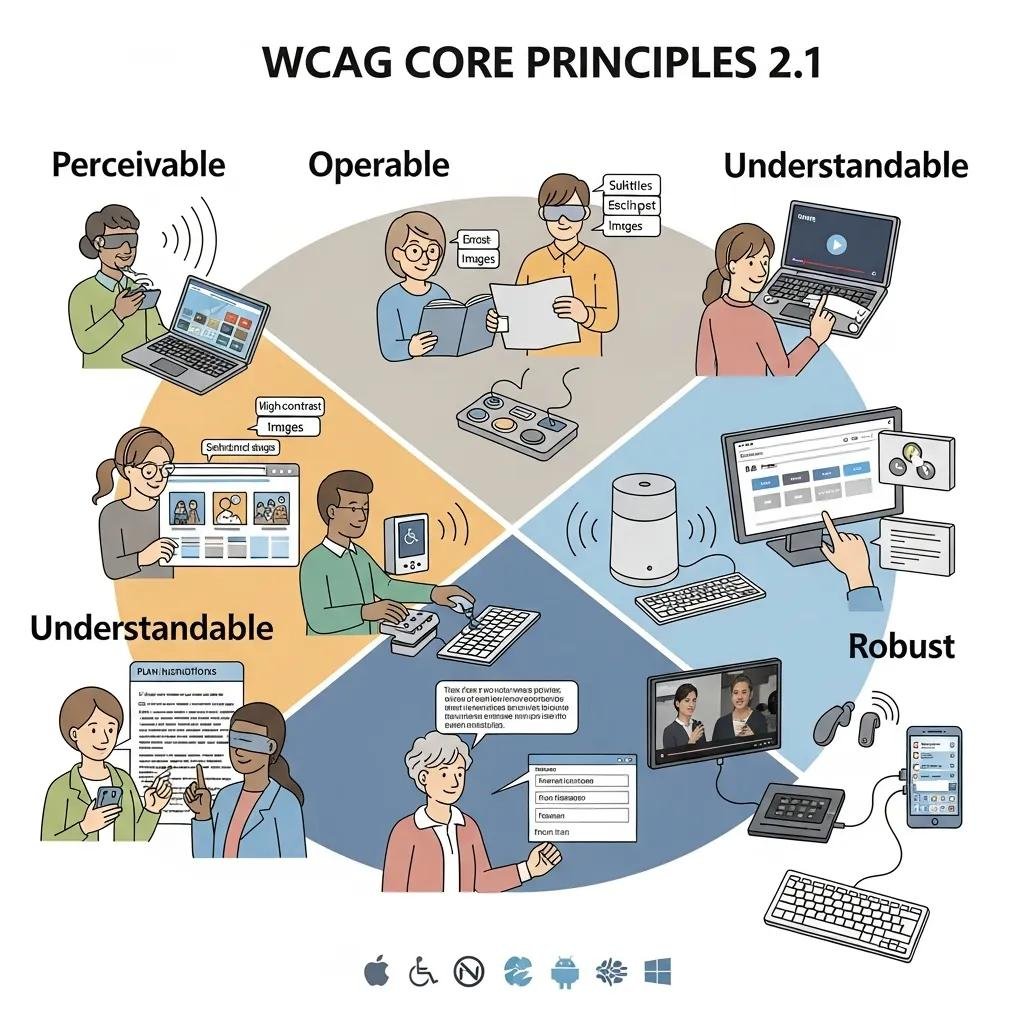
The key principles of WCAG 2.1 are organized under the acronym POUR: Perceivable, Operable, Understandable, and Robust.
- Perceivable: Information must be presented in ways that users can perceive, such as providing text alternatives for non-text content.
- Operable: Users must be able to navigate and interact with the website using various input methods, including keyboard navigation.
- Understandable: The content and interface must be clear and easy to understand, ensuring that users can comprehend the information presented.
- Robust: Content should be compatible with current and future user agents, including assistive technologies.
These principles guide therapists in creating websites that are accessible to all clients, enhancing their overall user experience.
How Does WCAG 2.1 Level AA Define Accessibility Standards for Therapy Sites?
WCAG 2.1 Level AA outlines specific criteria that websites should meet to be considered accessible. These include standards for text contrast, resizing text, and providing captions for audio content. For therapy sites, this means ensuring that all text is readable against its background, that users can adjust text size up to 200% without loss of content or functionality, and that multimedia elements are accessible to those with hearing impairments. Meeting these standards not only helps therapists comply with legal expectations but also improves the overall user experience for all clients.
How Can Therapists Achieve ADA Compliance Through Website Accessibility?
What Are the Legal Requirements for ADA Compliance in Mental Health Websites?
The Americans with Disabilities Act (ADA) mandates that places of public accommodation, which courts have interpreted to include websites, must be accessible to individuals with disabilities. This includes providing equal access to information and services. For mental health websites, this means ensuring that all content is accessible to users with various disabilities, including visual, auditory, and cognitive impairments. While the ADA does not explicitly reference WCAG, following WCAG 2.1 Level AA is widely accepted as the standard for compliance. Failure to comply with these requirements can result in legal consequences and loss of clientele.
What Practical Steps Ensure Your Therapist Website Meets ADA Standards?
To ensure ADA compliance, therapists can take several practical steps:
- Conduct a Website Audit: Regularly assess the website for accessibility issues using automated tools and manual testing.
- Implement Accessibility Features: Include features such as alt text for images, keyboard navigation, and screen reader compatibility.
- Provide Training: Educate staff on accessibility best practices and the importance of maintaining an inclusive online presence.
By taking these steps, therapists can create a website that meets ADA standards and serves all clients effectively.
Which Essential Accessibility Features Should Therapist Websites Include?
How Do Alt Text, Keyboard Navigation, and Screen Reader Support Improve Accessibility?
Alt text, keyboard navigation, and screen reader support are critical components of web accessibility.
- Alt Text: Provides descriptions for images, allowing visually impaired users to understand the content.
- Keyboard Navigation: Ensures that users can navigate the website without a mouse, which is essential for individuals with mobility impairments.
- Screen Reader Support: Allows users with visual impairments to access content through audio output, making it crucial for delivering information effectively.
These features enhance the overall accessibility of therapist websites, ensuring that all clients can engage with the content.
Why Are High Contrast, Readable Fonts, and Accessible Forms Critical for Therapy Sites?
High contrast, readable fonts, and accessible forms are essential for improving user experience on therapy sites.
- High Contrast: Ensures that text is easily readable against its background, benefiting users with low vision.
- Readable Fonts: Using clear, legible fonts helps all users, particularly those with cognitive disabilities, to comprehend the content.
- Accessible Forms: Forms should be designed to be easily navigable and understandable, allowing all clients to complete necessary tasks without frustration.
Implementing these design choices not only meets accessibility standards but also enhances user engagement and satisfaction.
How to Design Neurodiverse-Friendly Websites for Therapists and Coaches?
What Design Considerations Address Sensory and Cognitive Needs of Neurodiverse Patients?
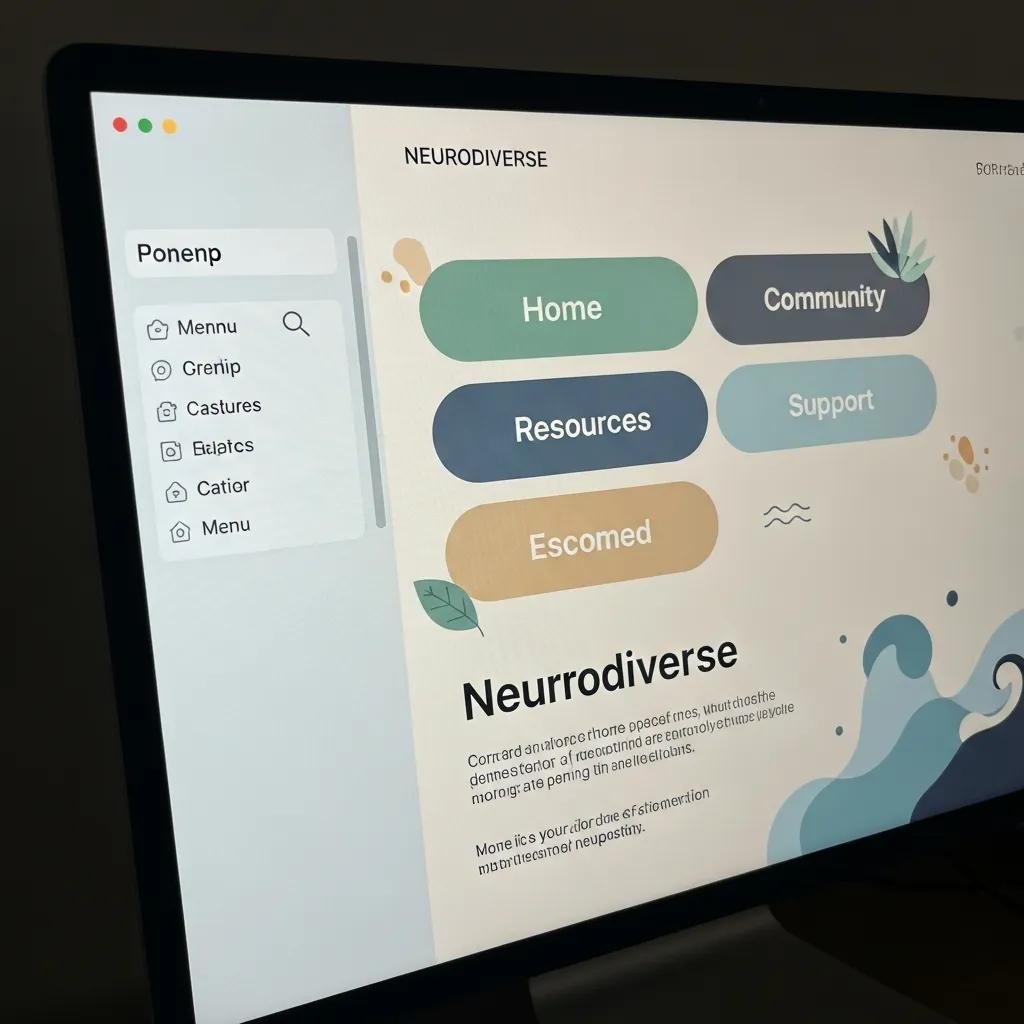
When designing for neurodiverse patients, therapists should consider sensory-friendly design elements. This includes minimizing distracting animations, using calming color schemes, and providing clear navigation paths. By creating a sensory-friendly environment, therapists can help neurodiverse clients feel more comfortable and focused while using the website.
Further research emphasizes the importance of tailored digital design for neurodiverse audiences, highlighting specific strategies to enhance engagement and reduce cognitive overload.
ADHD-Friendly Digital Design for Neurodiverse Audiences
Current digital publications often fail to meet the needs of neurodiverse audiences, such as those with ADHD, which leads to low engagement and cognitive overload. This thesis explored how ADHD-friendly designs can be incorporated into current digital magazines to create accessible and engaging reading content for neurodiverse readers. Providing a guide can assist with creating more diverse content and allows designers to have a reference for future publications. The research applied also goes over the literature review, case studies, visual analysis, and surveys to help showcase the best results for designing for ADHD readers. Some of the case studies’ main findings include simplified navigation, structured layouts, and a minimalistic visual design, allowing readers to focus and digest the information.
Designing for Neurodiversity: Creating ADHD-Friendly Digital Publications, 2025
How Does Clear Language and Simple Layout Enhance User Experience for Neurodiversity?
Using clear language and a simple layout is crucial for enhancing the user experience for neurodiverse individuals.
- Clear Language: Avoiding jargon and using straightforward language helps ensure that all users can understand the content.
- Simple Layout: A clean, uncluttered layout allows users to navigate the site easily, reducing cognitive load and enhancing usability.
These design principles contribute to a more inclusive online experience for all clients.
What Are the Business Benefits of Accessible Therapist Websites?
How Does Accessibility Improve Client Trust, SEO, and Practice Reach?
Accessibility can significantly enhance client trust, improve search engine optimization (SEO), and expand practice reach.
- Client Trust: By demonstrating a commitment to inclusivity, therapists can build trust with clients, encouraging them to seek services.
- SEO Benefits: Accessible websites often rank higher in search engine results, increasing visibility and attracting more clients.
- Wider Audience Reach: By catering to individuals with disabilities, therapists can tap into a broader client base, ultimately growing their practice.
These benefits highlight the importance of accessibility in the digital landscape for mental health professionals.
Why Is Inclusive Design a Competitive Advantage for Mental Health Professionals?
Inclusive design serves as a competitive advantage for mental health professionals by differentiating their services in a crowded market.
- Market Differentiation: Therapists who prioritize accessibility can stand out from competitors who do not.
- Positive Brand Perception: An inclusive approach fosters a positive brand image, attracting clients who value diversity and inclusion.
- Long-term Client Relationships: By creating an accessible environment, therapists can foster long-term relationships with clients, leading to increased retention and referrals.
These factors underscore the strategic importance of accessibility in building a successful therapy practice.
How Does Therapeia Web Design Integrate WCAG 2.1 Accessibility into Its Services?
How Does the “Website in a Week” Service Ensure Rapid, Accessible Website Delivery?
The “Website in a Week” service ensures rapid, accessible website delivery by offering quick and effective brand and website transformations, promising to bring clients’ visions to life in just one week. This service is designed to be stress-free and beautiful, making it an attractive option for those looking to avoid long waiting times for website development.
What Support Does Therapeia Offer for Maintaining Accessibility and Compliance?
Therapeia Web Design provides ongoing support for maintaining accessibility and compliance. This includes regular updates, audits, and training for clients to ensure their websites remain compliant with evolving standards. By partnering with Therapeia, therapists can focus on their practice while ensuring their online presence is accessible and effective.