Unlock Growth: Comprehensive Online Marketing for Therapists
SEO and Digital Marketing Strategies: Comprehensive Guide for Therapists to Grow Their Practice Online
In the digital age, therapists must leverage effective online marketing strategies to enhance their visibility and attract clients. This comprehensive guide will explore essential SEO techniques, content marketing strategies, social media approaches, and website design features tailored specifically for therapists. By understanding these digital marketing strategies, mental health professionals can establish a strong online presence, build credibility, and ultimately grow their practices. Many therapists struggle with reaching potential clients in a crowded marketplace, but by implementing the right strategies, they can effectively connect with those in need of their services. This article will cover essential SEO techniques, content marketing tactics, social media strategies, key website design features, and advanced digital marketing techniques.
SEO and Digital Marketing Tactics to Grow Your Therapy Practice
Search Engine Optimization (SEO) is crucial for therapists looking to improve their online visibility. By implementing effective SEO techniques, therapists can enhance their website’s ranking on search engines, making it easier for potential clients to find their services. Key components of SEO include keyword research, on-page optimization, and technical SEO practices. These strategies not only help in attracting more visitors but also in converting them into clients.
How to Conduct Keyword Research Tailored for Therapy Practices
Keyword research is the foundation of effective SEO. Therapists should identify relevant keywords that potential clients are searching for, such as “therapy for anxiety” or “counseling services near me.” Utilizing tools like Google Keyword Planner or SEMrush can help therapists discover high-traffic keywords specific to their practice. Analyzing competitor keywords can also provide insights into effective terms to target, ensuring that therapists can optimize their content for maximum visibility.
What Are the Best On-Page and Technical SEO Practices for Therapist Websites?
On-page SEO involves optimizing individual web pages to rank higher and earn more relevant traffic. Therapists should focus on optimizing title tags, meta descriptions, and header tags with targeted keywords. Additionally, improving site speed and ensuring mobile responsiveness are critical technical SEO practices. A well-structured URL and proper use of alt text for images also contribute to better search engine rankings, enhancing the overall user experience.
How Can Therapists Use Content Marketing to Attract and Engage Clients?
Content marketing is a powerful tool for therapists to engage with potential clients and establish authority in their field. By creating valuable content, therapists can address common concerns, share insights, and provide resources that resonate with their audience. This approach not only attracts visitors but also fosters trust and encourages them to seek therapy services.
Indeed, content marketing serves as a powerful mechanism for service promotion and fostering user engagement, as highlighted by various studies.
Content Marketing Strategies for Service Promotion and User Engagement
Content marketing can be a powerful tool for marketing the services of academic and health sciences libraries. Competing for the attention of busy students and faculty, the library must develop its own channels of engagement, which makes content-driven activities essential. A common example is resource licensing. Once a library licenses a new resource, driving or encouraging usage is a challenge. Traditional communication efforts such as email blasts are usually not sufficient as busy users tend to use resources that they are already familiar with. Creating content-driven marketing around the availability of library resources is an innovative way to create long-term engagement with users and reinforce the availability of new resources. Yet creating content for marketing is not an easy task, especially when librarians are already busy with managing their libraries’ daily operations and a variety of projects.
Creating content marketing for libraries, G Halevi, 2016
What Blogging Topics and Video Content Work Best for Mental Health Professionals?

Therapists can create blog posts and videos on various topics that resonate with their audience. Popular blog topics include coping strategies for anxiety, the benefits of therapy, and self-care tips. Engaging video content, such as guided meditations or Q&A sessions, can also attract viewers. By consistently producing high-quality content, therapists can build a loyal following and position themselves as trusted experts in mental health.
How to Create Downloadable Resources and Webinars That Build Authority?
Offering downloadable resources, such as eBooks or worksheets, can provide additional value to potential clients. Webinars on relevant topics can also engage audiences and showcase a therapist’s expertise. Promoting these resources through social media and email marketing can help therapists reach a wider audience, ultimately driving more traffic to their websites and increasing client inquiries.
Which Social Media Strategies Are Most Effective for Therapists and Counselors?
Social media platforms offer therapists a unique opportunity to connect with potential clients and build a community. By utilizing effective social media strategies, therapists can enhance their online presence and engage with their audience in meaningful ways.
How to Choose the Right Social Platforms for Therapy Practices
Selecting the appropriate social media platforms is essential for effective engagement. Therapists should consider platforms like Facebook, Instagram, and LinkedIn, which cater to different demographics. Understanding the target audience and the type of content that resonates with them can help therapists choose the right platforms to maximize their reach and impact.
What Ethical Considerations Should Therapists Follow in Social Media Marketing?
Therapists must adhere to ethical guidelines when using social media for marketing. Maintaining client confidentiality and professional boundaries is crucial. Therapists should avoid sharing personal client stories or testimonials without consent and ensure that their online presence reflects their professional values. By following ethical practices, therapists can build trust and credibility with their audience.
The evolving landscape of social media also brings new ethical considerations, particularly for therapists who gain a public presence.
Mental Health Influencers: Ethical Challenges for Therapists on Social Media
The increase in social media usage contributes to a greater number of Marriage and Family Therapists (MFTs) using social media to grow their professional outreach and to increase awareness about mental health by engaging with online audiences. Although existing literature has discussed how MFTs can make ethical use of personal social media in and around their therapeutic role, no literature at this time has explored the potential ethical issues faced by MFTs seeking to build public presence on social media as a “mental health influencer.” The present paper intends to provide a definition of mental health influencers (MHIs) and reviews ethical concerns relevant to MFTs acting as MHIs.
Ethics for mental health influencers: MFTs as public social media personalities, 2022
What Are the Key Features of an Effective Therapist Website Design?
An effective therapist website design is essential for attracting and retaining clients. Key features include user-friendly navigation, mobile responsiveness, and compliance with regulations such as HIPAA where applicable. A well-designed website not only enhances user experience but also encourages potential clients to reach out for services.
How to Ensure Mobile Responsiveness, Security, and HIPAA Compliance?
Mobile responsiveness is critical, as many users access websites via smartphones. Therapists should ensure their websites are optimized for mobile devices, providing a seamless experience. Additionally, implementing security measures, such as SSL certificates, protects client information. While HIPAA compliance is important for websites that handle protected health information (PHI), not all therapist websites require full HIPAA compliance unless they collect, store, or transmit PHI electronically. Understanding these aspects is vital for building a trustworthy online presence.
What Calls-to-Action and User Experience Elements Boost Client Conversion?
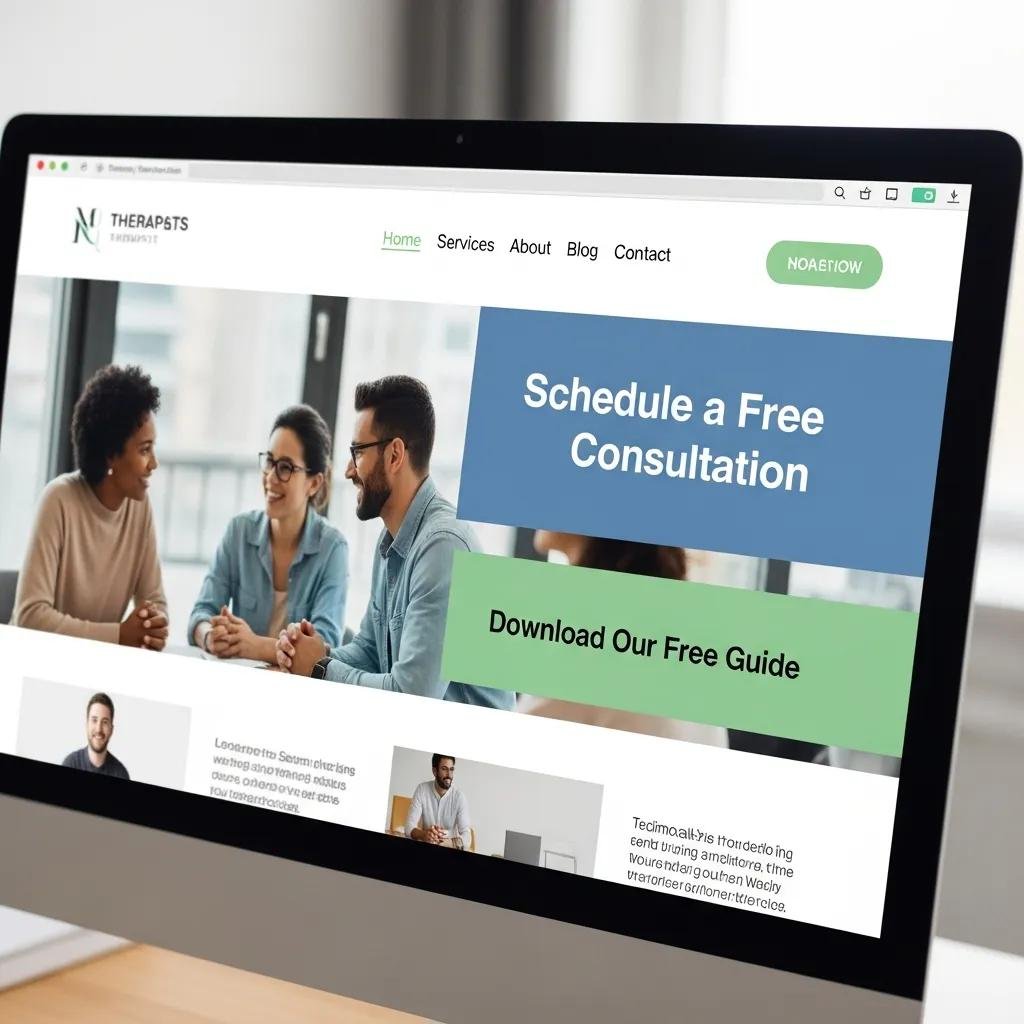
Effective calls-to-action (CTAs) and user experience elements can significantly boost client conversion rates. Therapists should incorporate clear offers, such as “Schedule a Free Consultation” or “Download Our Free Guide,” to encourage user engagement. Providing easy access to contact information and highlighting service variety can also enhance user experience, making it easier for potential clients to take the next step.
This table highlights the essential features that contribute to an effective therapist website design, emphasizing the importance of user experience and security.
How Can Therapists Leverage Advanced Digital Marketing Techniques for Practice Growth?
Therapists can leverage advanced digital marketing techniques to enhance their practice growth. Utilizing services such as SEO and digital marketing can significantly improve online visibility and client acquisition. Companies like Therapeia Web Design specialize in creating tailored websites for therapists, ensuring they have a strong digital foundation to support their practice.
What Paid Advertising and Email Marketing Strategies Work for Therapists?
Paid advertising, such as Google Ads or Facebook Ads, can effectively target potential clients searching for therapy services. Therapists should consider creating targeted ad campaigns that highlight their specialties and services. Additionally, email marketing can nurture leads by providing valuable content and updates, keeping therapists top-of-mind for potential clients.
How to Manage Online Reputation and Use AI Tools in Therapy Marketing?
Managing online reputation is crucial for therapists, as reviews and testimonials can significantly impact client decisions. Therapists should actively monitor their online presence and respond to reviews professionally. Utilizing AI tools can also enhance marketing efforts, providing insights into client behavior and preferences, allowing therapists to tailor their strategies effectively.
By implementing these digital marketing strategies, therapists can enhance their online presence, attract more clients, and ultimately grow their practices. The integration of effective SEO techniques, engaging content marketing, strategic social media use, and a well-designed website will create a solid foundation for success in the digital landscape.