Therapist Website Builder Comparison Guide
Best Therapist Website Builder Comparison Guide: Find Your Ideal Platform for Online Practice Growth
Choosing the right website builder is crucial for therapists looking to establish a strong online presence. A well-designed website not only attracts clients but also enhances credibility and facilitates communication. In this guide, we will explore the essential features that a therapist’s website should include, compare popular DIY website builders, and highlight specialized services that cater specifically to therapists. Many therapists struggle with the technical aspects of website creation, which can hinder their practice growth. This guide aims to provide clarity and actionable insights to help you select the best platform for your needs. We will cover essential features, compare DIY options, discuss specialized services, analyze costs, and provide guidance on making the right choice for your practice.
Establishing a strong online presence is fundamental for therapists, as highlighted by research on web design frameworks for allied health professionals.
Web Design Framework for Therapists & Allied Health
using the Internet to deliver information and provide service to your clients can be a counseling. This article offers a framework for the rehabilitation professional to develop their website
Essentials of Web Design for Vocational Rehabilitation Counselors and Other Allied Health Professionals, 2025
What Essential Features Should a Therapist Website Include?
A therapist’s website must include several key features to effectively serve clients and comply with industry standards. These features enhance user experience and ensure that the website meets the specific needs of therapy practices.
Which Online Scheduling and Client Portal Features Are Must-Haves?
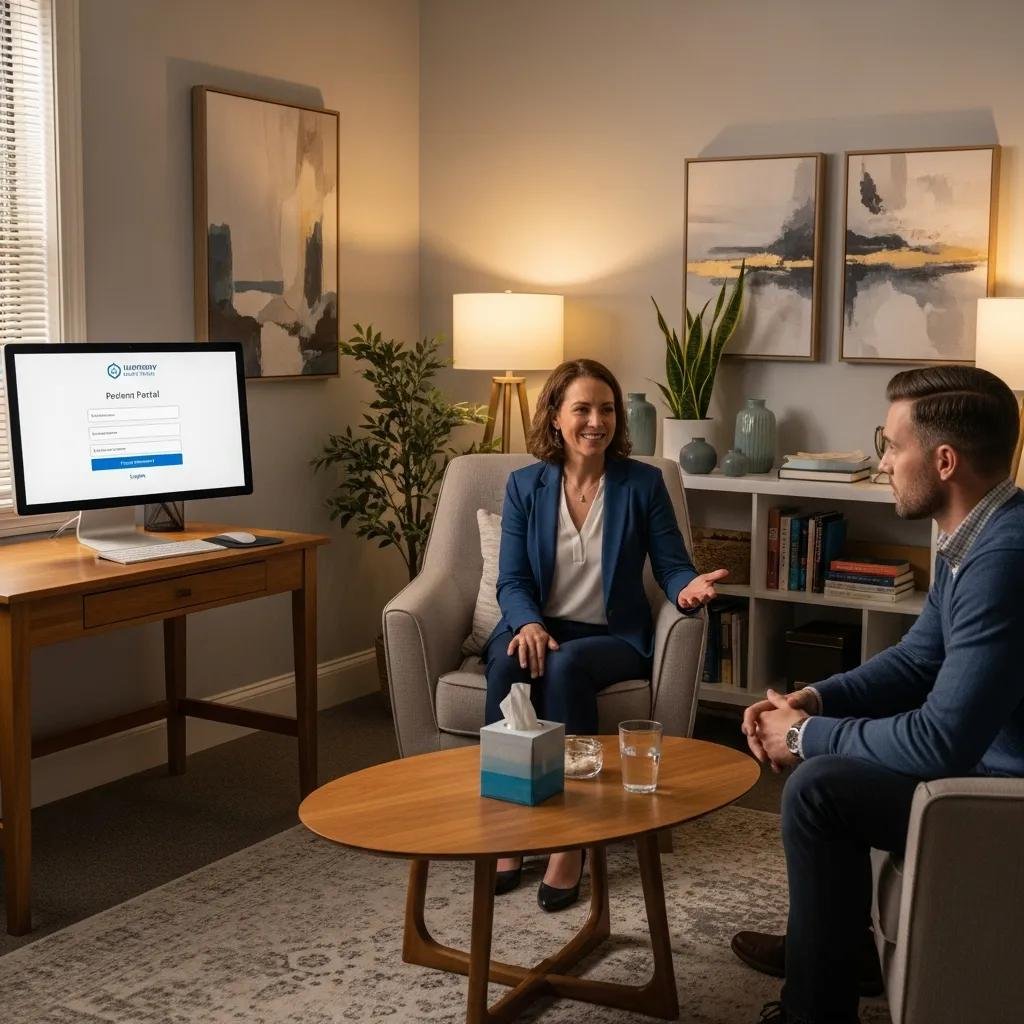
Online scheduling capabilities are essential for therapists, allowing clients to book appointments easily. A user-friendly client portal enhances communication and provides a secure space for clients to access their information. Key features to consider include:
- Easy Scheduling: Clients should be able to view available time slots and book appointments without hassle.
- Secure Client Portal: A secure area for clients to access their records and communicate with their therapist is vital for confidentiality.
- Automated Reminders: Automated email or SMS reminders can reduce no-shows and keep clients informed about their appointments.
These features not only improve client satisfaction but also streamline administrative tasks for therapists.
How Does HIPAA Compliance Impact Therapist Website Design?

HIPAA compliance is crucial for therapists to protect client information. Websites must incorporate specific design elements to ensure compliance, including:
- Secure Hosting: Websites should be hosted on secure servers with SSL certificates to encrypt data.
- Privacy Policies: Clear privacy policies must be displayed, outlining how client information is used and protected.
- Access Controls: Implementing access controls ensures that only authorized personnel can view sensitive information.
By prioritizing HIPAA compliance, therapists can build trust with clients and avoid potential legal issues.
How Do DIY Website Builders Compare for Therapists?
DIY website builders offer a range of options for therapists looking to create their own websites. However, it’s essential to understand the pros and cons of each platform to make an informed decision.
For those considering a hands-on approach, various resources exist to guide therapists through the entire process of building their own website.
Building DIY Websites for Therapy Practices
the DIY website builder through the process of building a website from start to finish. Jennifer has been building websites If you provide therapy solutions, you might want to design a
Building DIY Websites For Dummies, 2024
What Are the Pros and Cons of Wix, Squarespace, and WordPress for Therapists?
Therapists should consider their technical skills and specific needs when choosing a platform.
Are Popular DIY Builders HIPAA Compliant and Secure for Therapy Practices?
When selecting a DIY website builder, it’s crucial to assess their security features and HIPAA compliance. Key considerations include:
- Data Encryption: Ensure the platform offers SSL encryption to protect client data.
- Compliance Certifications: Most popular DIY builders (Wix, Squarespace, WordPress.com) do not provide HIPAA compliance out of the box and do not sign Business Associate Agreements (BAAs), which are required for HIPAA compliance.
- User Access Controls: Look for options that allow you to manage user access to sensitive information.
Because of these limitations, therapists handling protected health information (PHI) should consider specialized HIPAA-compliant platforms or add-ons rather than relying solely on standard DIY builders.
The critical importance of HIPAA compliance for therapist websites cannot be overstated, requiring careful consideration of software vendors and platform capabilities.
HIPAA Compliance for Therapist Websites & Software
to ensure the software vendor is HIPAA compliant. Websites: Most therapists’ websites are nothing more than a
HIPAA Compliance Kit, 2003
What Specialized Therapist Website Services Offer Beyond DIY Builders?

Specialized therapist website services provide several advantages over DIY builders, including tailored solutions and ongoing support. These services are designed specifically for therapists and coaches, ensuring that their unique needs are met.
- Quick and Effective Transformations: Specialized services can often deliver a fully functional website in a matter of days to weeks, allowing therapists to start their online presence quickly.
- Tailored Services: These services are designed with therapists in mind, ensuring that the website meets the specific requirements of therapy practices.
- Ongoing Support: Many specialized services offer maintenance and updates, which are crucial for keeping content fresh and relevant.
These benefits make specialized services a compelling option for therapists looking to establish a professional online presence.
How Do Brighter Vision, TherapySites, and SimplePractice Compare?
When considering specialized services, it’s helpful to compare the features and pricing of different providers. Here’s a breakdown:
Each service offers unique features that cater to the needs of therapists, making it essential to evaluate which aligns best with your practice.
What Unique Benefits Does Therapeia Web Design Provide for Therapists?
- Quick Turnaround: With a “Website in a Week” service, therapists can have their site up and running quickly.
- Specialized Services: Focused on therapist and coach websites, Therapeia ensures that all designs meet the specific needs of private practices.
- Ongoing Support: The company provides website maintenance and updates, along with SEO and digital marketing services to enhance online visibility.
- Discounts: New clients can receive 10% off their website template by joining the newsletter.
These advantages make Therapeia a strong contender for therapists seeking a professional and efficient website solution.
How Does Therapist Website Cost Vary Between DIY and Professional Design?
Understanding the cost differences between DIY and professional website design is crucial for therapists budgeting for their online presence.
What Are the Initial and Ongoing Costs of Different Website Solutions?
The costs associated with website solutions can vary significantly. Here’s a breakdown of typical expenses:
- DIY Builders: Initial costs can range from $0 to $300 per year, depending on the platform, subscription plan, and features chosen. Ongoing costs may include monthly subscriptions (typically $12–$40/month) and domain fees (around $10–$20/year).
- Professional Design: Initial costs for a professionally designed website can range from $1,000 to $5,000 or more, with ongoing maintenance fees typically between $50 and $300 per month depending on the level of service.
Investing in a professional design may seem higher initially, but it often leads to better long-term results.
Why Is Investing in Custom Design Valuable for Long-Term Practice Growth?
- Enhanced User Experience: A professionally designed site can improve navigation and client engagement, leading to higher conversion rates.
- Brand Identity: Custom designs help establish a unique brand identity, making it easier for clients to recognize and remember your practice.
- SEO Benefits: Professional websites are often optimized for search engines, increasing visibility and attracting more clients.
These factors contribute to the overall growth and success of a therapy practice.
How to Choose the Best Therapist Website Builder for Your Practice?
Selecting the right website builder involves careful consideration of various factors to ensure it meets your practice’s needs.
What Factors Should Influence Your Website Platform Choice?
- Technical Skills: Assess your comfort level with technology and design. Some platforms are more user-friendly than others.
- Budget: Determine your budget for both initial setup and ongoing costs to find a solution that fits your financial plan.
- Features Needed: Identify the essential features your website must have, such as scheduling tools and HIPAA compliance.
These considerations will help narrow down your options and lead to a more informed decision.
How Can You Get Started with a Custom or DIY Website Solution?
- Research Options: Explore different website builders and specialized services to find the best fit for your needs.
- Fill Out Inquiry Forms: If considering a custom solution, fill out the inquiry form on the Therapeia website to get started.
- Explore Offerings: Review the various services offered, including website maintenance, SEO, and e-commerce web design.
By taking these steps, you can begin the process of establishing a professional online presence for your therapy practice.