The Therapist’s Guide to Owning Your Online Presence: Personal Branding, Website Design, SEO, and Marketing Strategies for Mental Health Professionals
In the digital age, establishing a robust online presence is crucial for therapists, counselors, and mental health professionals. This guide delves into the essential strategies for owning your online identity rather than merely renting it through third-party platforms. Readers will learn about personal branding, effective website design, SEO techniques, and marketing strategies tailored specifically for mental health professionals. Many practitioners struggle with visibility and client engagement, often relying on social media or directory listings that limit their control. By implementing the strategies outlined in this article, therapists can enhance their credibility, attract more clients, and build a sustainable practice. We will explore the importance of personal branding, the essentials of website design, effective SEO practices, and innovative marketing strategies to help you thrive in the competitive mental health landscape.
Personal Branding for Mental Health Professionals
Personal branding is the process of establishing a unique professional identity that resonates with your target audience. For mental health professionals, a strong personal brand can enhance credibility and foster trust among potential clients. This involves clearly communicating your values, expertise, and the unique approach you bring to therapy. By developing a consistent online persona, therapists can differentiate themselves in a crowded market, making it easier for clients to connect with them.
Building a personal brand requires a strategic approach. Start by identifying your core values and the message you want to convey. This clarity will guide your content creation and online interactions. Additionally, engaging with your audience through social media and professional networks can help reinforce your brand identity. As you cultivate your online presence, remember that authenticity is key; clients are more likely to trust a therapist who presents a genuine and relatable image.
Website Design for Mental Health Professionals
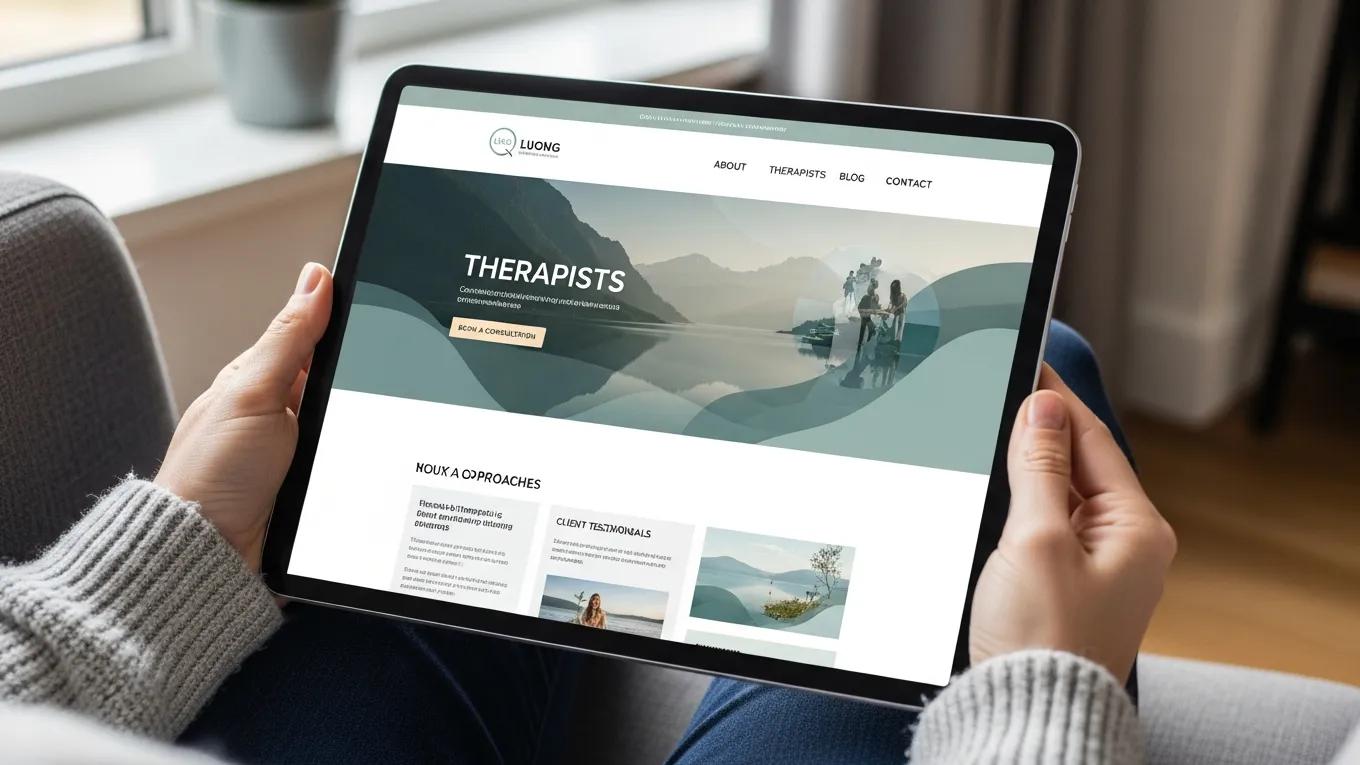
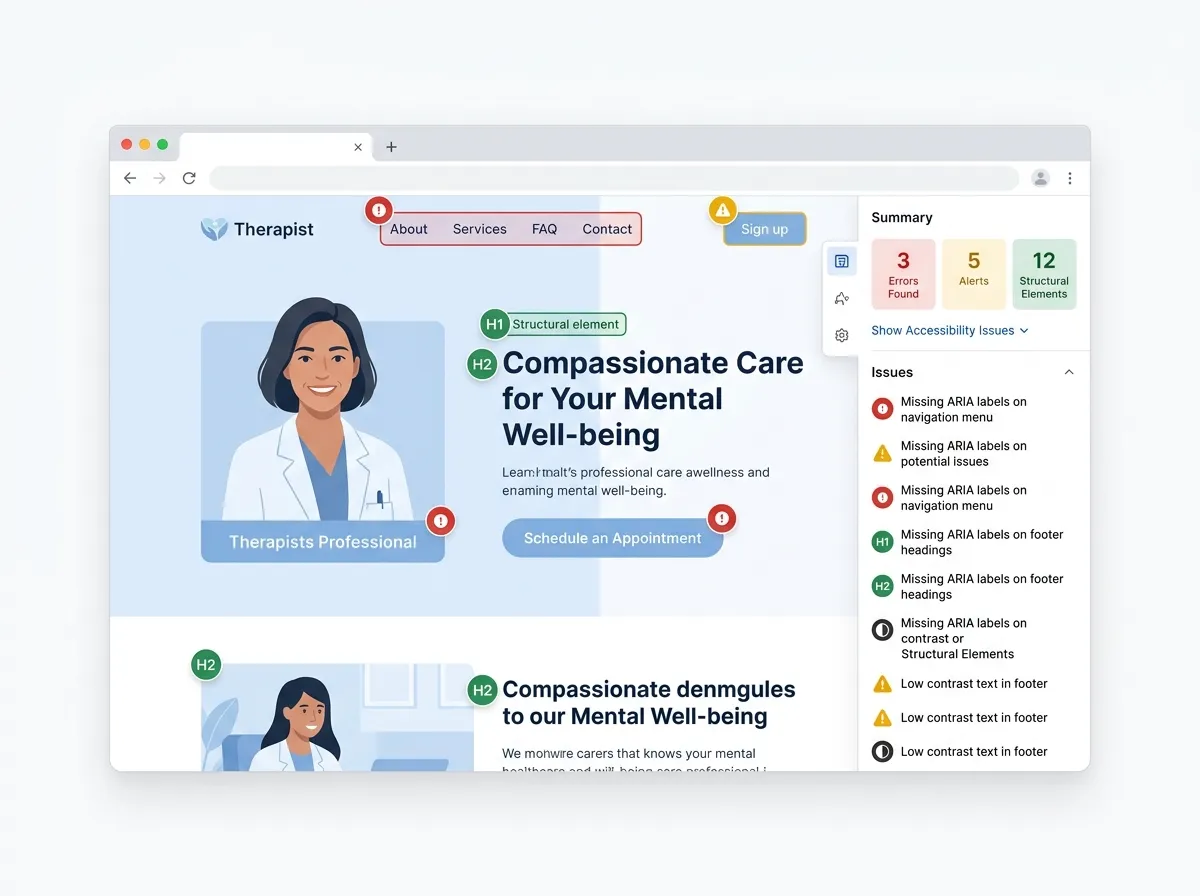
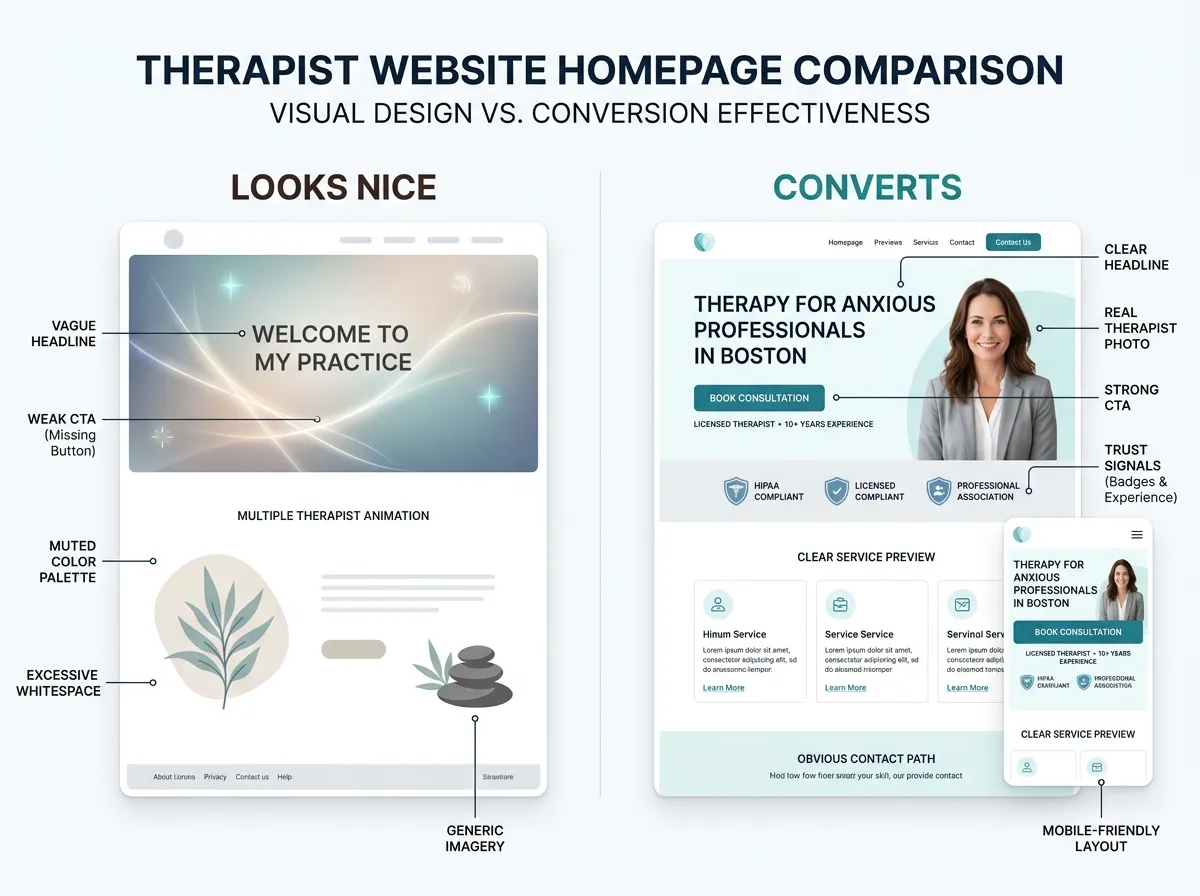
A well-designed website is a critical component of owning your online presence. It serves as the digital storefront for your practice, providing potential clients with essential information about your services, approach, and contact details. Key features of an effective therapist website include user-friendly navigation, mobile optimization, and professional branding elements that reflect your personal style.
Investing in professional web design services can significantly enhance your online presence. For instance, Therapeia Web Design specializes in creating custom therapist websites that are tailored to meet the unique needs of mental health professionals. A professional website not only improves user experience but also establishes credibility and trust with potential clients.
Essential Website Design Tips for Therapists to Own Their Digital Space
To create an effective website, consider the following essential design tips:
- User-Friendly Navigation: Ensure that visitors can easily find information about your services, background, and contact details.
- Mobile Optimization: With many users accessing websites via smartphones, a mobile-friendly design is crucial for retaining visitors.
- Professional Branding: Use consistent colors, fonts, and imagery that reflect your personal brand and resonate with your target audience.
These design elements work together to create a cohesive online experience that encourages potential clients to engage with your services.
SEO Strategies for Mental Health Professionals
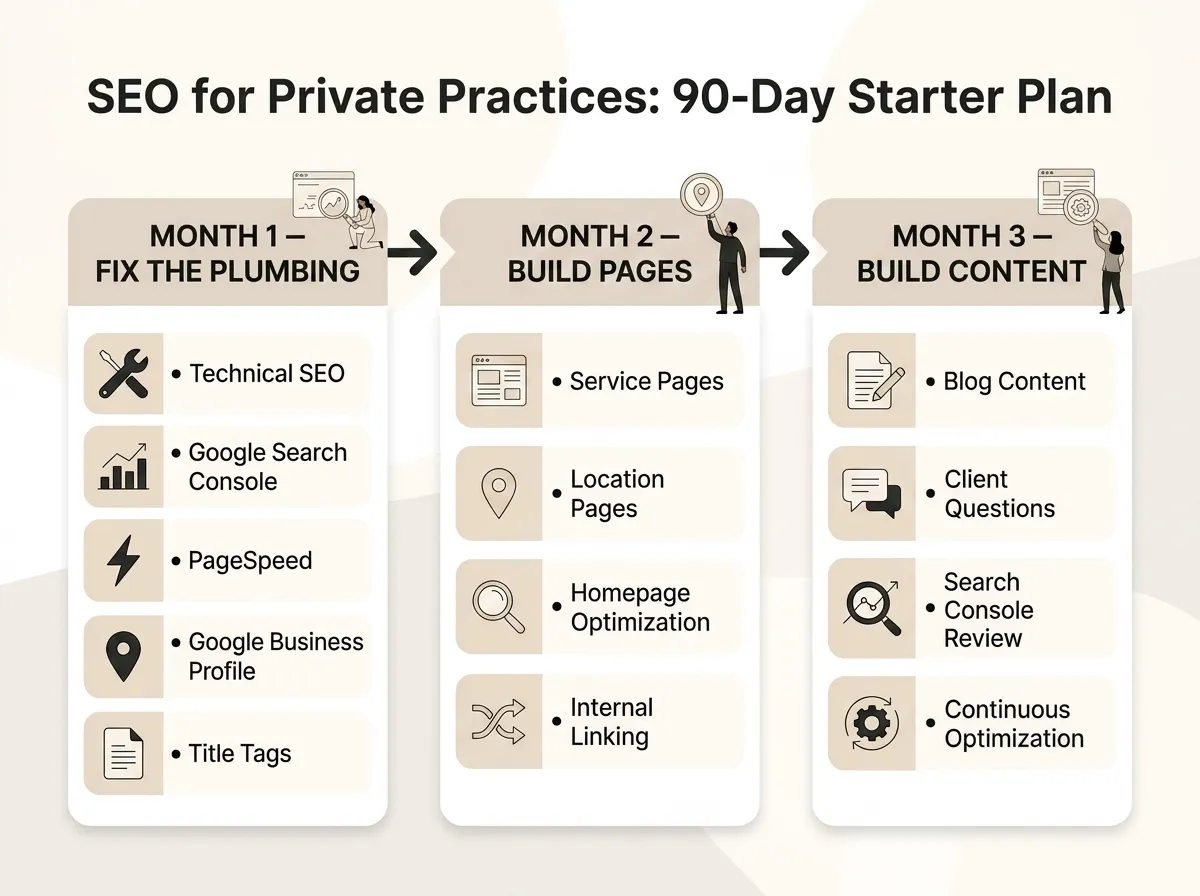
Search Engine Optimization (SEO) is vital for increasing your website’s visibility in search engine results. By implementing effective SEO strategies, therapists can attract more clients and enhance their online presence. Key components of a successful SEO strategy include keyword optimization, local SEO techniques, and content optimization.
Understanding the importance of SEO is the first step in improving your online visibility. By optimizing your website for relevant keywords, you can ensure that potential clients find you when searching for mental health services. Local SEO is particularly important for therapists, as many clients look for practitioners in their area. This involves optimizing your website for local search terms and ensuring your practice is listed on relevant directories.
To further emphasize the importance of local optimization, consider this comprehensive guide on improving online visibility for healthcare providers.
Local SEO Guide for Medical Practices
This chapter provides a comprehensive guide to local SEO for medical practices, emphasizing how healthcare providers can improve online visibility and attract more patients through strategic optimization. It explains key concepts such as keyword targeting, metadata use, structured data tags, and directory listings.
Mastering Local SEO for Medical Practices, 2025
How Can Mental Health Professionals Optimize Their Websites with SEO Best Practices?
To effectively optimize your website, consider the following best practices:
- Keyword Research: Identify relevant keywords that potential clients are searching for and incorporate them into your website content.
- On-Page Optimization Techniques: Ensure that your website’s meta tags, headings, and content are optimized for your target keywords.
- Content Strategies: Regularly update your website with valuable content, such as blog posts or articles, to improve your search engine ranking.
By following these strategies, therapists can enhance their online visibility and attract more clients.
What SEO Strategies Are Most Effective for Therapist Lead Generation?
Different SEO strategies can yield varying results for lead generation. Here are some effective approaches:
Implementing these strategies can significantly improve your website’s performance and lead generation capabilities.
Marketing Strategies for Mental Health Professionals

Effective marketing is essential for attracting clients and growing your practice. Mental health professionals can utilize various marketing strategies, including content marketing, social media engagement, and community outreach. Each of these approaches can help build awareness of your services and establish your reputation in the field.
Content marketing involves creating informative and engaging content that addresses the needs of your target audience. This can include blog posts, videos, or podcasts that provide valuable insights into mental health topics. By sharing your expertise, you can position yourself as a trusted resource for potential clients.
How Does Digital Marketing Support Therapist Client Acquisition and Retention?
Digital marketing plays a crucial role in client acquisition and retention. By leveraging online platforms, therapists can reach a wider audience and maintain ongoing relationships with clients. Key digital marketing strategies include:
- Email Marketing: Regular newsletters can keep clients informed about your services and provide valuable mental health tips.
- Social Media Engagement: Actively engaging with your audience on social media platforms can foster a sense of community and encourage referrals.
- Online Reviews Management: Encouraging satisfied clients to leave positive reviews can enhance your online reputation and attract new clients.
These strategies not only help in acquiring new clients but also in retaining existing ones by maintaining a strong connection.
Why Should Therapists Own Their Online Presence Instead of Renting It?
Owning your online presence offers numerous advantages over relying on third-party platforms. When therapists control their websites, they have the freedom to shape their branding, content, and client interactions. This autonomy enhances credibility and fosters trust among potential clients.
Additionally, owning your online presence allows for long-term sustainability. Unlike rented platforms, which may change their policies or algorithms, a personal website provides a stable foundation for your practice. This stability is crucial for building a lasting relationship with clients and ensuring consistent visibility in search results.
What Are the Risks of Relying on Third-Party Platforms for Therapist Marketing?
While third-party platforms can offer exposure, they come with significant risks. Key concerns include:
- Limited Control: Therapists have little say over how their services are presented or marketed on these platforms.
- Reputation Vulnerability: Negative reviews or changes in platform policies can adversely affect a therapist’s reputation.
- Dependency on External Platforms: Relying solely on third-party platforms can lead to instability in client acquisition efforts.
By understanding these risks, therapists can make informed decisions about their marketing strategies and prioritize owning their online presence.
How Can Therapists Convert Website Visitors into Booked Consultations?
Converting website visitors into booked consultations is a critical goal for therapists. Effective strategies include:
- Online Booking Systems: Implementing an easy-to-use online booking system can streamline the appointment scheduling process for clients.
- Clear Calls to Action: Ensure that your website has prominent calls to action that guide visitors toward booking a consultation.
- Client Testimonials: Displaying positive testimonials can build trust and encourage potential clients to take the next step.
These strategies can significantly enhance conversion rates and help therapists grow their practices.
What Lead Generation Techniques Are Proven Effective for Mental Health Professionals?
Lead generation is essential for sustaining a successful therapy practice. Here are some proven techniques:
- Engaging Content: Creating valuable content that addresses common client concerns can attract potential leads.
- Networking: Building relationships with other professionals in the mental health field can lead to referrals and new clients.
- Community Involvement: Participating in local events or workshops can increase visibility and establish your presence in the community.
By implementing these lead generation techniques, therapists can effectively grow their client base and enhance their practice.
How Do Testimonials and Case Studies Enhance Conversion Rates?
Testimonials and case studies play a vital role in enhancing conversion rates for therapists. They provide social proof of your effectiveness and can significantly influence potential clients’ decisions. By showcasing positive client experiences, therapists can build trust and credibility.
Incorporating testimonials into your website and marketing materials can create a compelling narrative that resonates with potential clients. Additionally, detailed case studies can illustrate your approach and the outcomes clients can expect, further encouraging them to reach out for services.
For detailed pricing information, Ahrefs offers transparent tier-based plans that can help you choose the best SEO tools for your practice.