
Streamline Your Therapy with Expert Practice Management
Streamline Your Therapy Practice with Virtual Assistants
In the fast-paced world of mental health care, therapists often find themselves overwhelmed with administrative tasks that detract from their primary focus: patient care. Virtual assistants (VAs) offer a solution by providing essential support that can streamline practice management and enhance overall efficiency. This article will explore how virtual assistants can transform therapy practices, reduce burnout, and improve client interactions. We will delve into the specific tasks VAs can handle, the benefits of outsourcing administrative duties, and how to effectively integrate these services into your practice. Additionally, we will discuss the importance of a well-designed website in enhancing VA efficiency and provide guidance on selecting the right virtual assistant service.
What Is a Virtual Assistant for Therapists and How Can They Support Your Practice?
A virtual assistant for therapists is a professional who provides administrative support remotely, allowing therapists to focus on their clients. These assistants can manage various tasks, including scheduling appointments, handling client communications, and maintaining records. By delegating these responsibilities, therapists can enhance their practice’s efficiency and improve their work-life balance.
Further research highlights the ongoing efforts to refine and enhance the capabilities of virtual assistants specifically for mental health support.
Enhancing Virtual Assistants for Mental Health Support
mental health support has led to the exploration of innovative solutions, with virtual assistance. This paper examines the enhancement of virtual assistants in providing mental health.
Enhancing Virtual Assistance for Mental Health Support, 2025
Which Administrative Tasks Can a Mental Health Virtual Assistant Handle?
- Scheduling Appointments: VAs can coordinate calendars, set up appointments, and send reminders to clients, ensuring that therapists can focus on their sessions without worrying about logistics.
- Client Communication: They can handle emails, phone calls, and follow-ups, providing timely responses to client inquiries and maintaining a professional communication flow.
- Record Keeping: VAs can assist in maintaining accurate client records, ensuring compliance with regulations and facilitating easy access to information when needed.
By taking on these tasks, virtual assistants help therapists save time and reduce stress, allowing them to concentrate on providing quality care.
How Do Virtual Assistants Help Reduce Therapist Burnout?

Therapist burnout is a significant concern in the mental health field, often resulting from overwhelming workloads and emotional strain. Virtual assistants can alleviate this burden by managing administrative tasks that consume valuable time and energy. Research indicates that therapists who delegate these responsibilities experience lower levels of stress and increased job satisfaction. By reducing the administrative load, VAs enable therapists to focus on their clients and maintain a healthier work-life balance.
Why Do Therapists Need Virtual Assistant Services for Effective Practice Management?
Therapists can greatly benefit from virtual assistant services, particularly in terms of practice management. These services not only save time but also enhance client care and reduce operational costs.
How Does Outsourcing Therapy Administrative Tasks Improve Client Care?
- Enhanced Client Interactions: With VAs managing communications, therapists can respond to client needs more promptly, fostering stronger therapeutic relationships.
- Increased Availability: By handling scheduling and follow-ups, VAs ensure that therapists can dedicate more time to their clients, leading to better outcomes.
- Streamlined Processes: VAs can implement efficient systems for managing client information, making it easier for therapists to access necessary data during sessions.
These improvements contribute to a more effective therapeutic environment, ultimately benefiting clients.
What Are the Cost and Time Savings of Hiring a Virtual Assistant for Therapists?
Hiring a virtual assistant can lead to significant cost and time savings for therapists. By outsourcing administrative tasks, therapists can avoid the expenses associated with hiring full-time staff, such as salaries and benefits. Additionally, VAs typically charge on an hourly basis, allowing therapists to pay only for the services they need.
Moreover, the time saved by delegating administrative duties can be redirected towards client care, professional development, or personal time, enhancing overall job satisfaction. Surveys and reports from virtual assistant service providers indicate that therapists who utilize VAs report higher productivity levels and improved work-life balance.
How Does Your Website Enhance Virtual Assistant Efficiency in Therapy Practices?
A well-designed website plays a crucial role in enhancing the efficiency of virtual assistants in therapy practices. It serves as a central hub for client interactions and administrative processes.
Which Website Features Support Virtual Assistant Tasks Like Scheduling and Client Communication?
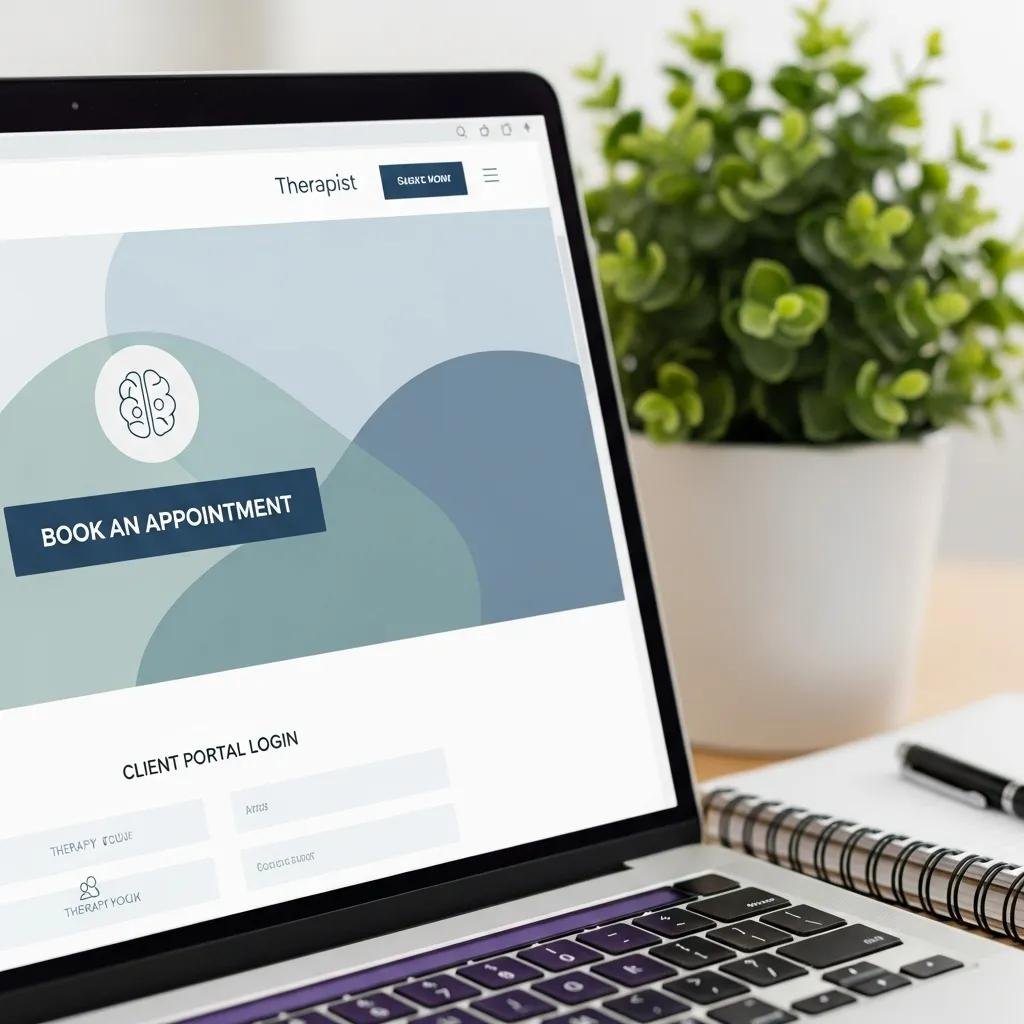
- Online Booking Systems: Allow clients to schedule appointments directly through the website, reducing the need for back-and-forth communication.
- Client Portals: Provide secure access for clients to view their records, complete forms, and communicate with their therapist, streamlining administrative tasks.
- Automated Reminders: Implement systems that send automated reminders to clients about upcoming appointments, minimizing no-shows and cancellations.
These features not only support virtual assistant tasks but also enhance the overall client experience.
How Does a Secure, HIPAA-Compliant Website Protect Client Data When Using Virtual Assistants?
Ensuring that a website is secure and HIPAA-compliant is essential for protecting client data, especially when virtual assistants are involved. A secure website employs encryption and secure access protocols to safeguard sensitive information. Additionally, therapists must ensure that their virtual assistants are trained in HIPAA compliance, understanding the importance of confidentiality and data protection.
By prioritizing security, therapists can confidently utilize virtual assistants while maintaining the trust and safety of their clients.
How to Choose the Right Virtual Assistant Service for Therapists and Counselors?
Selecting the right virtual assistant service is crucial for therapists looking to enhance their practice. Several factors should be considered to ensure a good fit.
What Should Therapists Look for Regarding HIPAA Compliance and Experience?
- HIPAA Compliance: Ensure that the service provider understands and adheres to HIPAA regulations, protecting client confidentiality.
- Relevant Experience: Look for VAs with experience in the mental health field, as they will be more familiar with the specific needs and challenges of therapy practices.
- References and Reviews: Seek testimonials or references from other therapists who have used the service to gauge reliability and effectiveness.
By focusing on these criteria, therapists can find a virtual assistant service that meets their needs and enhances their practice.
How Do Human Virtual Assistants Compare to AI Solutions in Mental Health Support?
While AI solutions offer some advantages, human virtual assistants provide a level of empathy and understanding that technology cannot replicate. Human VAs can engage in nuanced communication, adapt to the specific needs of clients, and handle complex situations that require emotional intelligence.
In contrast, AI solutions may excel in data processing and scheduling but often lack the personal touch essential in mental health support. Therefore, therapists should consider the unique benefits of human virtual assistants when making their choice.
However, the integration of AI-driven virtual assistants into healthcare also necessitates a critical examination of privacy, security, and ethical considerations.
Secure AI Virtual Assistants: Privacy & Ethics in Healthcare
The rapid introduction of Natural Language Processing (NLP)-powered virtual assistants into healthcare has moved faster than the development of supporting governance and security controls, with extensive regions remaining unexplored in privacy, security, and ethics. Although promising, comprehensive consideration of threats to data confidentiality, integrity, and availability and of ethical issues around AI autonomy within clinical settings remains nascent. This literature systematic review therefore attempted to synthesize academic knowledge to date by establishing the primary security issues in NLP- harbored health systems, examining cryptographic solutions to their protection, outlining a regulatory conformity framework, and evaluating the sufficiency of state-of-the-art privacy-enhancing technologies.
Secure and Sustainable AI-Driven Virtual Healthcare Assistants: Privacy-Preserving NLP for Future-Ready Patient Care, S Ebadinezhad, 2025
What Are the Steps to Integrate Virtual Assistants Seamlessly into Your Therapy Practice?
Integrating virtual assistants into a therapy practice requires careful planning and execution to ensure a smooth transition.
How Can Therapists Prepare Their Practice and Website for Virtual Assistant Integration?
- Assess Current Workflows: Identify which tasks can be delegated to a VA and streamline existing processes.
- Update Website Features: Ensure that the website has the necessary features to support VA tasks, such as online booking and secure client communication.
- Train Staff: If applicable, train existing staff on how to collaborate effectively with virtual assistants.
These steps will facilitate a seamless integration process, allowing therapists to maximize the benefits of virtual assistant services.
Which Practice Management Software Works Best with Virtual Assistant Services?
Choosing the right practice management software is essential for effective collaboration with virtual assistants. Popular options that integrate well with VA services include:
- TherapyNotes: Offers comprehensive features for scheduling, billing, and documentation, making it easy for VAs to manage administrative tasks.
- SimplePractice: Provides a user-friendly interface with tools for telehealth, billing, and client management, enhancing VA efficiency.
- Cliniko: A robust platform that supports appointment scheduling, client records, and invoicing, allowing VAs to streamline practice operations.
What Common Questions Do Therapists Have About Virtual Assistants?
Therapists often have questions regarding the use of virtual assistants in their practices, particularly concerning compliance and management.
Are Virtual Assistants for Therapists HIPAA Compliant and Secure?
Yes, many virtual assistants are trained in HIPAA compliance and understand the importance of maintaining client confidentiality. Therapists should verify that their chosen VA service adheres to HIPAA regulations and implements secure practices to protect sensitive information.
How Much Does a Virtual Assistant Cost for a Therapy Practice?
The cost of hiring a virtual assistant can vary based on experience and the scope of services provided. On average, therapists can expect to pay between $25 to $50 per hour for VA services, depending on the complexity of tasks and the assistant’s expertise.
How Do Therapists Hire and Manage Virtual Assistants Effectively?
- Define Clear Roles: Outline specific tasks and responsibilities for the VA to ensure clarity in expectations.
- Establish Communication Protocols: Set up regular check-ins and communication channels to facilitate collaboration.
- Provide Feedback: Offer constructive feedback to help VAs improve their performance and align with the therapist’s needs.
By following these guidelines, therapists can create a productive working relationship with their virtual assistants, enhancing practice efficiency and client care.
In conclusion, virtual assistants can significantly enhance the efficiency of therapy practices by managing administrative tasks, improving client care, and reducing therapist burnout. By carefully selecting the right VA service and integrating it into their practice, therapists can focus more on their clients and less on administrative burdens.