Secure Client Communication: HIPAA Compliant Email Solutions
Implementing Secure Email Solutions for Therapists: A Comprehensive Guide to HIPAA Compliant Communication
In the realm of mental health, ensuring the confidentiality and security of client communications is paramount. Therapists must navigate the complexities of HIPAA regulations while providing effective care. This comprehensive guide delves into the essential components of implementing secure email solutions tailored for therapists, focusing on the critical aspects of HIPAA compliance. Readers will learn about the necessary encryption standards, the importance of business associate agreements, and how to select the best email providers for their practices. Additionally, we will explore best practices for encrypted communication and emerging trends in secure email technology. By understanding these elements, therapists can enhance their client communication while safeguarding sensitive information.
What Are the Essential HIPAA Requirements for Therapist Email Communication?
HIPAA, the Health Insurance Portability and Accountability Act, establishes strict guidelines for protecting patient health information (PHI) during electronic communications. Therapists must ensure that any email communication containing PHI adheres to these regulations to avoid potential legal repercussions. Key requirements include the use of encryption to protect data in transit and at rest, and the implementation of business associate agreements (BAAs) with any third-party email service providers that handle PHI. By understanding these essential HIPAA requirements, therapists can create a secure communication environment that fosters trust and confidentiality.
Research further underscores the critical need for healthcare professionals to understand and comply with privacy and security standards for electronic communication.
Electronic PHI: Privacy, Security, and HIPAA Compliance
In the current study, we sought to evaluate hand surgeons’ knowledge and compliance with privacy and security standards for electronic communication by text message.
Electronic communication of protected health information: privacy, security, and
HIPAA compliance, BC Drolet, 2017
Which Encryption Standards Ensure PHI Protection in Email?
Encryption is a fundamental component of HIPAA compliance, as it protects PHI from unauthorized access during transmission and storage. The most widely recognized encryption standards include Advanced Encryption Standard (AES) and Transport Layer Security (TLS). AES is a symmetric encryption algorithm that secures data by converting it into an unreadable format, while TLS provides a secure channel over the internet, ensuring that emails are encrypted during transmission. Implementing these encryption standards is crucial for therapists to maintain compliance and protect their clients’ sensitive information.
Why Is a Business Associate Agreement Critical for Email Compliance?
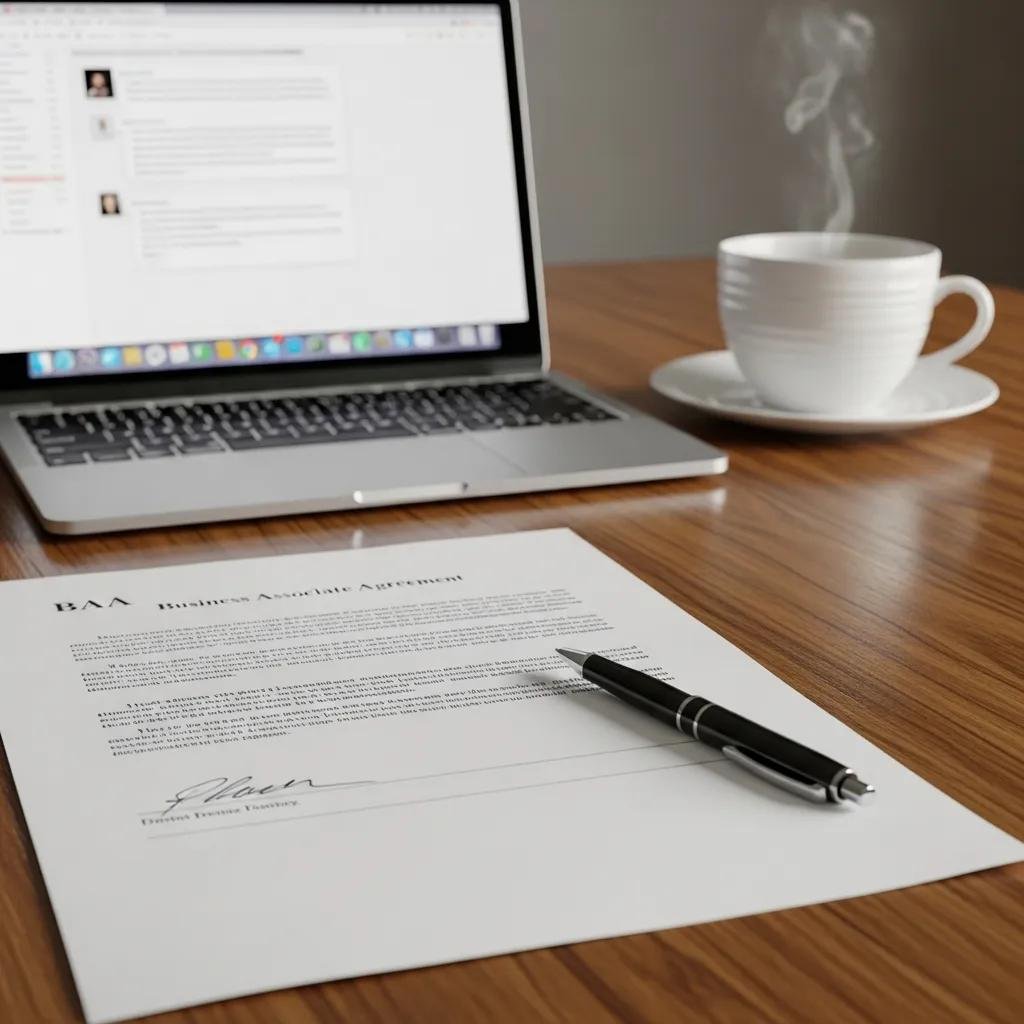
A Business Associate Agreement (BAA) is a legally binding document that outlines the responsibilities of third-party service providers in safeguarding PHI. For therapists, having a BAA in place with their email provider is essential for HIPAA compliance. This agreement ensures that the provider will implement appropriate safeguards to protect PHI and outlines the consequences of non-compliance. Without a BAA, therapists may be held liable for any breaches that occur through their email communications, making it a critical component of secure email practices.
Further emphasizing this point, regulatory guidance highlights the necessity of reviewing BAAs for encrypted email services.
HIPAA Business Associate Agreements for Encrypted Email
encrypted email services and online data backup and -compliant business associate agreement. When this occurs, a dentist should review the agreement to
Regulatory Compliance/The Importance of a HIPAA Associate Agreement, 2022
How to Choose the Best HIPAA Compliant Email Provider for Your Private Practice
Selecting the right email provider is vital for therapists looking to maintain HIPAA compliance. Various factors should be considered, including security features, usability, and pricing. By evaluating these criteria, therapists can make informed decisions that align with their practice’s needs while ensuring the protection of client information.
What Features Differentiate Top Secure Email Providers Like Paubox and Hushmail?
When comparing secure email providers, several key features set the best options apart. Providers like Paubox and Hushmail offer encryption that meets HIPAA requirements, including TLS encryption for emails in transit and AES encryption for data at rest. While Paubox offers seamless end-to-end encryption without requiring recipients to use special portals, Hushmail provides encrypted email with a secure web portal for message access. Additionally, these providers often include user-friendly interfaces, making it easy for therapists to manage their communications without compromising security. Pricing models also vary, with some providers offering tiered plans based on the number of users or features required, allowing practices to choose a solution that fits their budget.
How Do Pricing and Usability Impact Therapist Email Encryption Solutions?
Pricing and usability are critical factors in selecting an email provider. Therapists must balance the need for robust security features with the practicality of using the service. While some providers may offer advanced security options, they may also come with higher costs or complex interfaces that can hinder daily operations. It is essential for therapists to assess their specific needs and choose a provider that offers a combination of affordability, ease of use, and comprehensive security features to ensure effective communication with clients.
How Can Therapists Integrate Secure Email Solutions with Their Therapeia Website?
Integrating secure email solutions with a therapist’s website enhances the overall security of client communications. By ensuring that contact forms and client portals are designed with security in mind, therapists can protect PHI and maintain compliance with HIPAA regulations.
What Steps Ensure Secure Contact Forms and Client Portals Protect PHI?
To protect PHI, therapists should implement secure contact forms that utilize encryption protocols. This includes using HTTPS for secure data transmission and ensuring that any information submitted through the forms is encrypted before being stored. Additionally, client portals should require strong authentication methods, such as two-factor authentication, to further safeguard sensitive information. By taking these steps, therapists can create a secure environment for client interactions.
How Does Therapeia Web Design Support HIPAA Compliant Email Integration?
Therapeia Web Design specializes in creating secure, responsive, and user-friendly websites specifically for therapists. Their services include the integration of HIPAA compliant email solutions, ensuring that therapists can communicate securely with clients. By emphasizing security in their development approach, Therapeia helps mental health professionals establish a credible online presence while protecting sensitive client information.
What Are Best Practices for Encrypted Client Communication in Therapy?
Implementing best practices for encrypted communication is essential for therapists to maintain compliance and protect client confidentiality. These practices not only enhance security but also foster trust between therapists and their clients.
How Should Therapists Educate Clients About Secure Email Use?
Educating clients about secure email use is crucial for ensuring that they understand the importance of protecting their own information. Therapists should provide clear guidelines on how to use secure email, including the importance of not sharing passwords and recognizing phishing attempts. Additionally, offering resources or workshops on digital security can empower clients to take an active role in safeguarding their information.
What Daily Workflows Enhance Email Security and Compliance?
Establishing daily workflows that prioritize email security can significantly enhance compliance. Therapists should regularly review their email practices, ensuring that they are using secure passwords and updating them frequently. Implementing routine checks for software updates and security patches is also essential to protect against vulnerabilities. By creating a culture of security within their practice, therapists can better safeguard client information.
What Emerging Trends and Technologies Are Shaping Secure Email for Therapists?
The landscape of secure email communication is continually evolving, with new technologies and trends emerging to enhance security and compliance. Therapists must stay informed about these developments to ensure they are utilizing the best practices available.
How Is AI Enhancing Email Threat Detection and Compliance Automation?
Artificial Intelligence (AI) is playing a significant role in enhancing email security by improving threat detection and compliance automation. AI algorithms can analyze email patterns to identify potential security threats, such as phishing attempts or unauthorized access. By integrating AI into their email systems, therapists can proactively address security risks and help ensure compliance with HIPAA regulations.
What Regulatory Updates Should Therapists Monitor for Telehealth Email Compliance?
Therapists should stay informed about regulatory updates that may impact telehealth email compliance. Changes in HIPAA regulations or state-specific laws can affect how therapists communicate with clients electronically. Regularly reviewing these updates and adjusting practices accordingly is essential for maintaining compliance and protecting client information in an ever-changing regulatory environment.
This table highlights the essential features that therapists should consider when selecting a secure email provider, emphasizing the importance of both security and usability in maintaining HIPAA compliance.