
Protect Your Clients with Secure Online Consent Forms
Secure Intake: HIPAA-Compliant Online Consent Forms for Therapists
In the digital age, therapists must prioritize secure online consent forms to protect client information and comply with HIPAA regulations. This article explores the significance of these forms in therapy practices, detailing how they enhance client onboarding and ensure data security. By understanding the importance of HIPAA compliant online consent forms, therapists can streamline their intake processes while safeguarding sensitive information. Many practitioners face challenges in maintaining client privacy and managing paperwork efficiently. Secure online consent forms offer a solution by providing a reliable method for obtaining client consent digitally. This guide will cover the critical aspects of secure online consent forms, including their integration into therapy websites, the best online form builders, the role of e-signature consent forms, client portal solutions, and strategies for ensuring data security.
Why Are Secure Online Consent Forms Critical for Therapy Practices?
Secure online consent forms are essential for therapy practices as they ensure compliance with HIPAA regulations while fostering trust between therapists and clients. These forms protect sensitive client information, including protected health information (PHI), and streamline the onboarding process. By utilizing secure online consent forms, therapists can enhance their practice’s efficiency and maintain a professional standard of care.
What Makes an Online Consent Form HIPAA Compliant?
An online consent form is considered HIPAA compliant when it incorporates specific features designed to protect client information. Key criteria include:
- Data Encryption: Ensures that all data transmitted between the client and the therapist is securely encrypted, preventing unauthorized access.
- Access Controls: Limits access to sensitive information to authorized personnel only, safeguarding client privacy.
- Audit Trails: Maintains a record of who accessed the information and when, providing accountability and transparency.
How Do Secure Forms Protect Client Privacy and PHI?
Secure forms protect client privacy and PHI through various technical safeguards. These mechanisms include:
- Data Encryption: Encrypting data during transmission ensures that even if intercepted, the information remains unreadable to unauthorized parties.
- Secure Transmission: Utilizing secure protocols, such as HTTPS, guarantees that data is transmitted safely over the internet.
- User Authentication: Implementing robust authentication methods ensures that only authorized users can access sensitive information, further protecting client privacy.
By employing these safeguards, therapists can confidently manage client information while adhering to HIPAA regulations.
How to Integrate Secure Consent Forms into Your Therapy Website
Integrating secure consent forms into therapy websites is crucial for enhancing client onboarding and ensuring compliance. This process involves several best practices that therapists should follow.
What Are the Best Practices for Embedding HIPAA Compliant Forms?
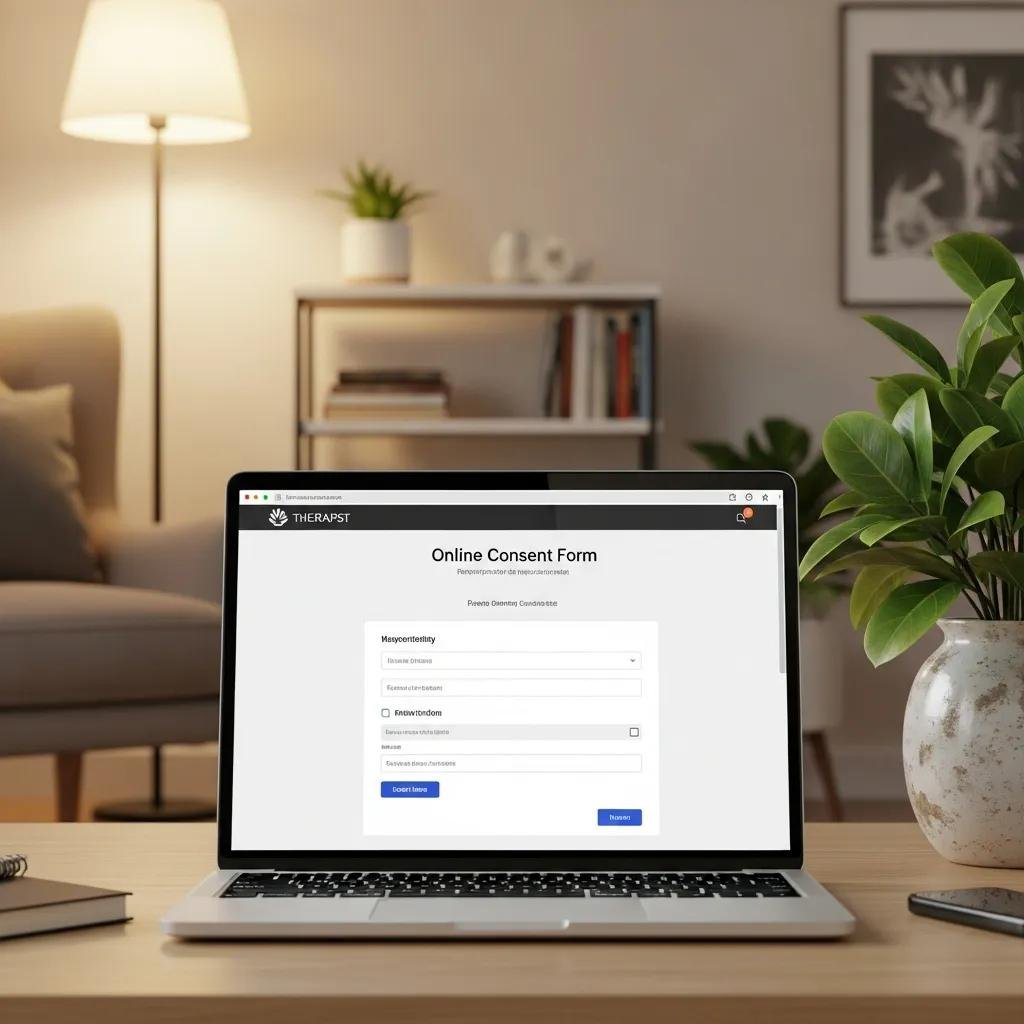
When embedding HIPAA compliant forms on a therapy website, consider the following best practices:
- Responsive Design: Ensure that forms are mobile-friendly, allowing clients to complete them on various devices.
- User-Friendly Interface: Design forms that are easy to navigate, minimizing client frustration and improving completion rates.
- Testing for Functionality: Regularly test forms to ensure they function correctly and securely, addressing any issues promptly.
These practices enhance the user experience and help ensure that the forms meet compliance standards.
How Does Therapeia Web Design Ensure Secure Form Integration?
Therapeia Web Design specializes in creating secure websites for therapists, counselors, and coaches. By focusing on user-friendly and responsive design, Therapeia ensures that secure consent forms are seamlessly integrated into therapy websites. Their approach includes:
- Custom Solutions: Tailoring forms to meet the specific needs of each practice.
- Client Feedback: Incorporating user feedback to improve form design and functionality.
- Security Measures: Implementing the latest security protocols to protect client data.
This commitment to secure form integration helps therapists maintain compliance while providing a positive client experience.
Which Online Form Builders Are Best for Private Practice Websites?
Choosing the right online form builder is essential for therapists looking to implement secure consent forms. Several factors should be considered when evaluating these tools.
How to Evaluate HIPAA Compliance and Security Features?
When assessing online form builders for HIPAA compliance, consider the following criteria:
- Security Certifications: Look for form builders that have undergone third-party security audits and hold relevant certifications.
- Business Associate Agreement (BAA): Ensure the form builder offers a BAA, which is required under HIPAA for vendors handling PHI.
- User Reviews: Research user experiences to gauge the reliability and security of the platform.
- Feature Comparisons: Compare the security features offered by different form builders to ensure they meet HIPAA standards.
These evaluation criteria will help therapists select a form builder that prioritizes security and compliance.
What Are the Costs and Benefits of Popular Form Solutions?
Understanding the costs and benefits of popular form solutions can aid therapists in making informed decisions. Here’s a comparison of some widely used online form builders:
How Can E-Signature Consent Forms Enhance Therapy Client Onboarding?
E-signature consent forms play a significant role in enhancing the client onboarding process for therapists. These digital solutions streamline the consent process, making it more efficient and secure.
Are E-Signatures Legally Valid and HIPAA Compliant?
Yes, e-signatures are legally valid and can be HIPAA compliant when implemented correctly. Key considerations include:
- Legal Standards: E-signatures must comply with the Electronic Signatures in Global and National Commerce (ESIGN) Act and the Uniform Electronic Transactions Act (UETA).
- Compliance Requirements: Ensure that the e-signature solution used meets HIPAA standards for data protection and privacy, including offering a Business Associate Agreement (BAA).
- Case Studies: Many therapy practices have successfully integrated e-signatures, demonstrating their effectiveness in streamlining the onboarding process.
By utilizing e-signature consent forms, therapists can enhance efficiency while maintaining compliance with legal standards.
How to Implement E-Signature Consent in Counseling Websites?
Implementing e-signature consent forms in counseling websites involves several steps:
- Select a Compliant E-Signature Solution: Choose a platform that meets HIPAA requirements and offers secure signing options.
- Integrate with Existing Forms: Ensure that e-signature functionality is seamlessly integrated into existing consent forms.
- Train Staff: Provide training for staff on how to use the e-signature system effectively, ensuring a smooth transition for clients.
These steps will help therapists implement e-signature consent forms successfully, improving the client onboarding experience.
What Are Client Portal Solutions for Secure Therapy Paperwork?
Client portals offer a secure solution for managing therapy paperwork, providing clients with a convenient way to access and complete necessary forms.
How Do Client Portals Facilitate Secure Document Management?

Client portals facilitate secure document management by:
- Secure Storage: Storing sensitive documents in an encrypted environment, protecting client information from unauthorized access.
- Access Controls: Allowing clients to access their documents securely, ensuring that only authorized individuals can view sensitive information.
- User Interface: Providing an intuitive interface that simplifies document management for both clients and therapists.
These features enhance the overall client experience while ensuring compliance with HIPAA regulations.
How Do Portals Integrate with EHR and Practice Management Software?
Client portals can integrate with Electronic Health Records (EHR) and practice management software to streamline workflows. This integration allows for:
- Data Flow: Seamless transfer of information between the portal and EHR systems, reducing manual data entry.
- User Benefits: Clients can easily access their health records and complete necessary forms, improving engagement and satisfaction.
- Compliance Considerations: Ensuring that all data exchanged between systems adheres to HIPAA regulations.
This integration enhances the efficiency of therapy practices while maintaining the security of client information.
How to Ensure Data Security and PHI Protection on Therapy Websites
Ensuring data security and PHI protection is paramount for therapy websites. Therapists must implement robust measures to safeguard client information.
What Technical Safeguards Are Essential for Protecting PHI?
Technical safeguards are critical for protecting PHI and include:
- Encryption Methods: Utilizing strong encryption protocols for data at rest and in transit to prevent unauthorized access.
- Access Controls: Implementing strict access controls to limit who can view and manage sensitive information.
- Regular Audits: Conducting regular audits to identify and address potential vulnerabilities in the system.
These safeguards are essential for maintaining compliance with HIPAA regulations and protecting client data.
How to Maintain Compliance Amid Evolving HIPAA Regulations?
Maintaining compliance with evolving HIPAA regulations requires ongoing efforts, including:
- Training Staff: Regularly training staff on HIPAA requirements and best practices for data protection.
- Monitoring Changes: Staying informed about changes in HIPAA regulations and adjusting policies accordingly.
- Updating Policies: Regularly reviewing and updating privacy policies to reflect current practices and compliance standards.
By implementing these strategies, therapists can ensure that their practices remain compliant with HIPAA regulations while protecting client information.