Optimize Your Private Practice EMR Integration Today
Streamline Your Practice Website with HIPAA-Compliant EHR Integration
In the evolving landscape of healthcare, seamless Electronic Health Record (EHR) integration is crucial for private practices, particularly for therapists. This integration not only streamlines operations but also enhances patient care and compliance with regulations like HIPAA. In this article, we will explore the key benefits of EHR integration, how to choose the right EHR system, practical steps for integration, the impact of HIPAA compliance, and how Therapeia Web Design approaches custom EHR integration for private practices. By understanding these elements, therapists can optimize their practice’s efficiency and improve patient engagement.
What Are the Key Benefits of EHR Integration for Therapists and Private Practices?
EHR integration offers numerous advantages for therapists and private practices, significantly enhancing operational efficiency and patient experience. By automating administrative tasks, practices can reduce the burden of paperwork and streamline workflows. This leads to faster access to patient records, allowing therapists to focus more on patient care rather than administrative duties.
Moreover, seamless integration enhances patient engagement by providing convenient access to health information and online scheduling options. Patients can interact with their healthcare providers more effectively, leading to improved communication and satisfaction.
For those looking to implement EHR integration, Therapeia Web Design specializes in crafting secure, responsive, and user-friendly websites tailored for mental health professionals, ensuring that the integration process is smooth and efficient.
How Does EHR Integration Improve Practice Efficiency and Reduce Administrative Burden?
EHR integration significantly improves practice efficiency by automating routine tasks such as appointment scheduling, billing, and record-keeping. This automation reduces the time therapists spend on administrative duties, allowing them to dedicate more time to patient care.
Additionally, integrated systems minimize errors associated with manual data entry, ensuring that patient information is accurate and up-to-date. Faster access to patient records also means that therapists can make informed decisions quickly, enhancing the overall quality of care provided.
In What Ways Does Seamless Integration Enhance Patient Experience and Engagement?

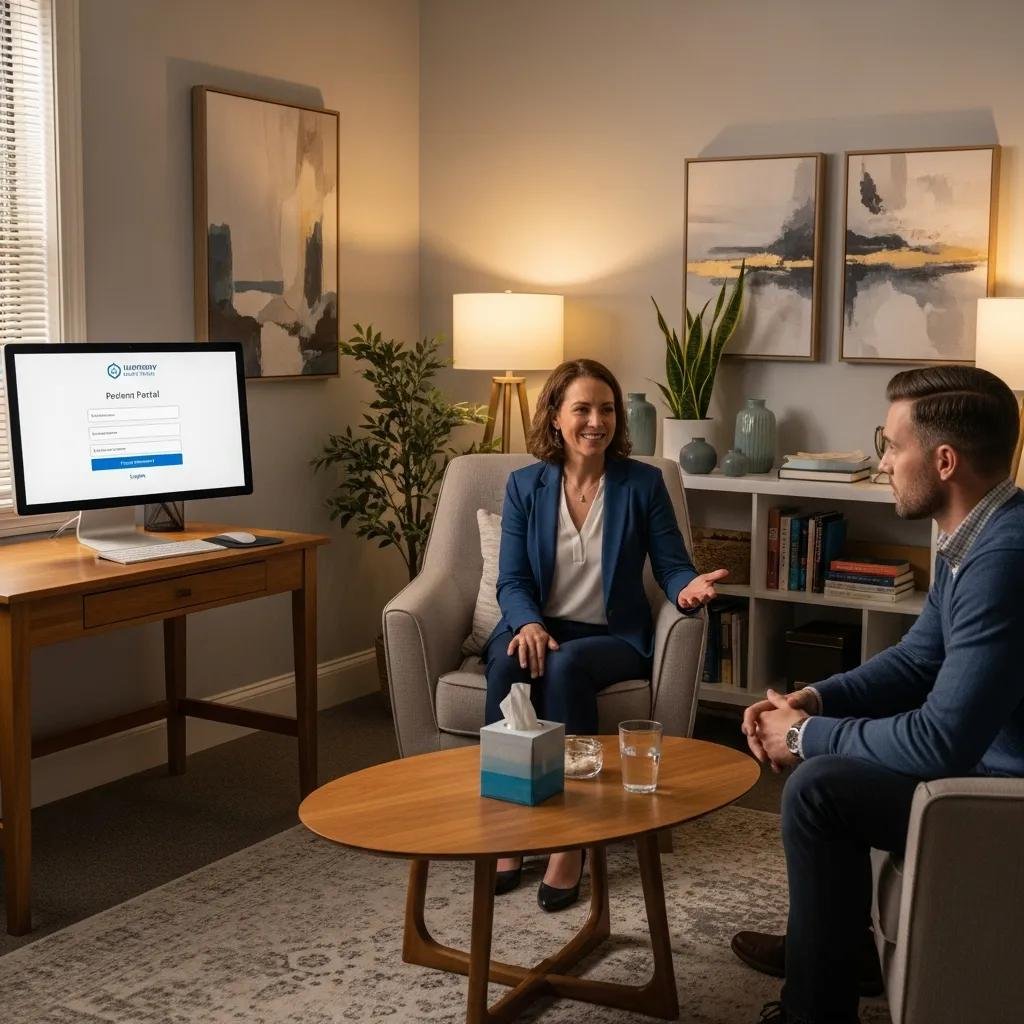
Seamless EHR integration enhances patient experience by providing easy access to health information through secure patient portals. Patients can view their medical records, schedule appointments, and communicate with their therapists online, which fosters a sense of involvement in their own care.
Furthermore, the convenience of online scheduling reduces no-show rates and allows for better management of appointment times. This level of engagement not only improves patient satisfaction but also encourages adherence to treatment plans, ultimately leading to better health outcomes.
How to Choose the Right Mental Health EHR System for Your Therapist Website?
Selecting the right EHR system is crucial for effective integration into a therapist’s website. The ideal system should offer compatibility with existing tools and provide robust API support for seamless integration.
When evaluating EHR systems, therapists should consider user-friendly interfaces that facilitate easy navigation for both staff and patients. Additionally, the system should include features that cater specifically to mental health practices, such as telehealth capabilities and secure messaging options.
What Features Should You Look for in Private Practice EMR Integration Solutions?
When choosing an EHR system, therapists should prioritize the following features:
- Client Portal Capabilities: A secure portal allows patients to access their health information and communicate with their therapists.
- Telehealth Integration: This feature enables remote consultations, which have become increasingly important in today’s healthcare environment.
- Data Security Features: Ensuring that patient data is protected is paramount, so look for systems that comply with HIPAA regulations.
Which EHR Systems Offer the Best Compatibility and API Support for Website Integration?
Several EHR systems are known for their strong compatibility and API support, making them ideal for integration with therapist websites. Popular options include:
- TherapyNotes: Known for its user-friendly interface and robust features tailored for mental health professionals.
- SimplePractice: Offers excellent telehealth capabilities and a secure client portal.
- Kareo: Provides comprehensive billing and practice management features alongside EHR functionalities.
These systems not only facilitate seamless integration but also enhance the overall efficiency of practice management.
What Are the Practical Steps to Integrate EHR Systems with Your Therapist Website?
Integrating EHR systems with a therapist’s website involves several practical steps that ensure a smooth transition and effective implementation.
First, it is essential to assess the current website infrastructure and determine the necessary modifications for integration. This may involve updating the website’s backend to accommodate the EHR system’s API.
Next, therapists should work closely with their EHR provider to ensure that all features are properly configured and that data migration is handled securely.
How to Embed Client Portals and Online Scheduling into Your Private Practice Website?
Embedding client portals and online scheduling features into a therapist’s website can be achieved through the following steps:
- Select an EHR System with Built-in Portal Features: Choose a system that offers a secure client portal as part of its package.
- Utilize API Documentation: Follow the EHR provider’s API documentation to integrate the portal seamlessly into the website.
- Test Functionality: Before going live, thoroughly test the portal to ensure that it functions correctly and securely.
What Are Best Practices for Secure Patient Forms and Telehealth Platform Integration?
To ensure secure patient forms and telehealth platform integration, therapists should adhere to the following best practices:
- Data Encryption: Implement encryption protocols to protect sensitive patient information during transmission.
- HIPAA Compliance: Ensure that all integrated systems comply with HIPAA regulations to safeguard patient privacy.
- User Authentication: Utilize strong authentication methods to verify user identities before granting access to sensitive information.
By following these practices, therapists can maintain the confidentiality and security of their patients’ data.
How Does HIPAA Compliance Impact EHR Integration on Therapist Websites?
HIPAA compliance is a critical consideration when integrating EHR systems into therapist websites. The Health Insurance Portability and Accountability Act (HIPAA) sets forth regulations that protect patient privacy and ensure the security of health information.
Therapists must ensure that their EHR systems are compliant with HIPAA standards, which include implementing appropriate security measures and conducting regular audits to assess compliance.
What Security Measures Ensure HIPAA-Compliant Data Exchange Between Website and EHR?
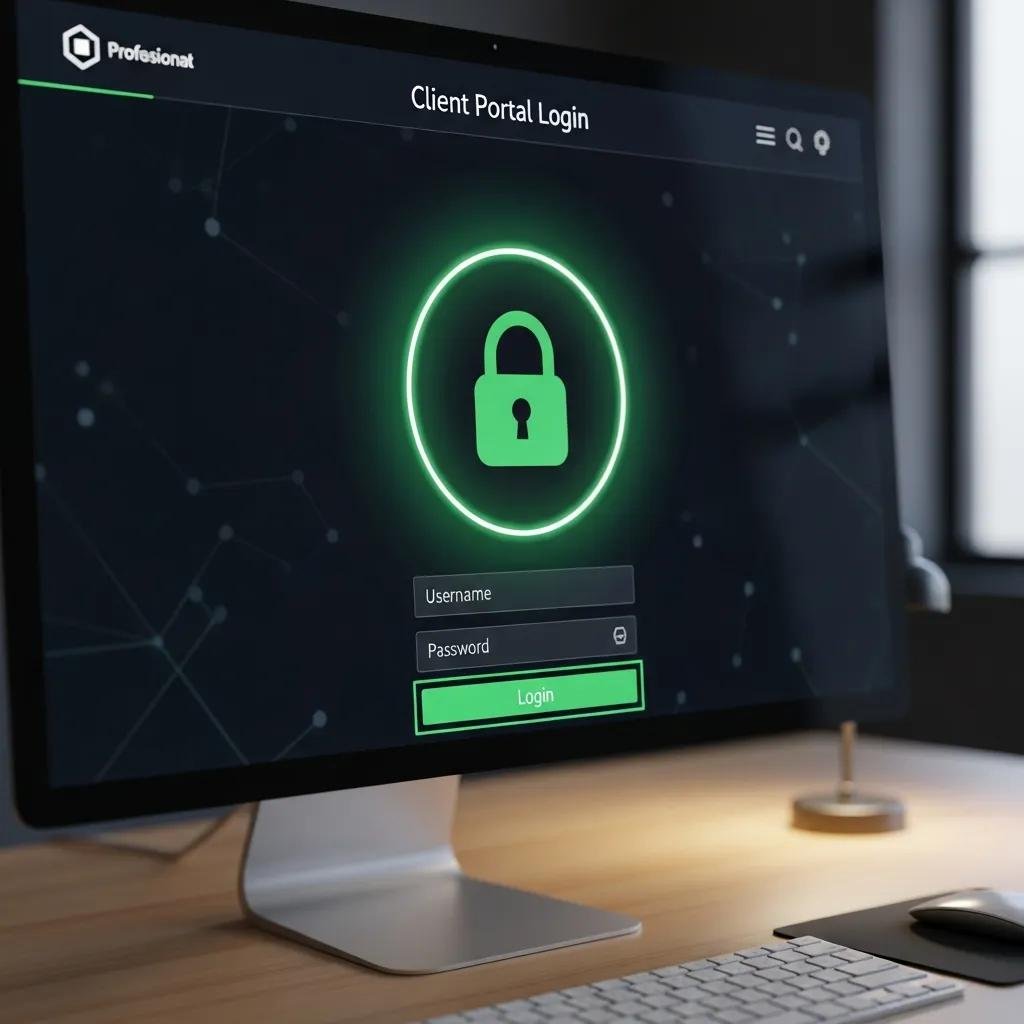
To ensure HIPAA-compliant data exchange between a therapist’s website and EHR system, the following security measures should be implemented:
These measures are essential for safeguarding patient information and maintaining compliance with HIPAA regulations.
How to Maintain Privacy and Confidentiality in Online Client Portals?
Maintaining privacy and confidentiality in online client portals involves several key strategies:
- User Authentication: Implement strong authentication methods to verify user identities.
- Secure Data Storage: Ensure that all patient data is stored securely and is accessible only to authorized personnel.
- Regular Security Audits: Conduct regular audits to identify and address potential vulnerabilities in the system.
By prioritizing these strategies, therapists can create a secure environment for their patients to access their health information.
What Is Therapeia Web Design’s Approach to Custom EHR Integration for Private Practices?
Therapeia Web Design specializes in creating custom EHR-integrated websites tailored to the unique needs of private practices. Their approach focuses on ensuring that the integration process is seamless and enhances the overall user experience.
By leveraging their expertise in web design and development, Therapeia ensures that websites are not only functional but also secure and user-friendly.
How Does Therapeia Ensure Secure, Responsive, and User-Friendly EHR-Integrated Websites?
Therapeia employs several strategies to ensure that their EHR-integrated websites are secure and user-friendly:
- Responsive Design: Websites are designed to be accessible on various devices, ensuring a positive user experience.
- User Testing: Regular user testing is conducted to gather feedback and make necessary adjustments for improved usability.
- Security Features: Advanced security measures are implemented to protect patient data and maintain compliance with regulations.
These strategies contribute to the creation of effective and secure websites for mental health professionals.
What Are the Advantages of the ‘Website in a Week’ Service for Rapid EHR Integration?
Therapeia’s ‘Website in a Week’ service offers several advantages for rapid EHR integration:
- Quick Turnaround Time: Clients can have their websites ready to launch in just one week, minimizing downtime.
- Stress-Free Process: The streamlined process reduces the stress associated with website development and integration.
- Client Satisfaction: This service has received positive feedback from clients who appreciate the efficiency and quality of the final product.
By offering this service, Therapeia helps therapists quickly establish a professional online presence while ensuring that their EHR systems are effectively integrated.
What Are Real-World Examples and Solutions for Seamless EHR Integration in Therapist Websites?
Real-world examples of successful EHR integration can provide valuable insights for therapists considering this transition. Many practices have reported significant improvements in efficiency and patient satisfaction following integration.
Can You Share Case Studies Demonstrating Successful Private Practice EMR Integration?
Several case studies highlight the benefits of EHR integration in private practices:
- Case Study 1: A small therapy practice integrated an EHR system that streamlined their billing process, resulting in a 30% reduction in administrative time.
- Case Study 2: A counseling center implemented a client portal that improved patient engagement, leading to a 25% increase in appointment attendance.
These examples demonstrate the tangible benefits that EHR integration can bring to private practices.
How to Troubleshoot Common Challenges in EHR and Website Integration?
Common challenges in EHR and website integration can often be addressed through proactive troubleshooting:
- Data Migration Issues: Ensure that data is accurately transferred during the integration process by conducting thorough testing.
- User Training: Provide comprehensive training for staff to familiarize them with the new system and its features.
- Technical Support: Establish a reliable support system to address any technical issues that may arise post-integration.
By anticipating these challenges and implementing effective solutions, therapists can ensure a smooth integration process.