Optimize Your Client Journey with Therapy Website UX Tips
Enhancing Therapy Website User Experience: Best Practices to Attract and Support Clients
In the digital age, a therapy website serves as a crucial touchpoint for potential clients seeking support and guidance. Enhancing user experience (UX) on these platforms is essential for attracting and retaining clients. This article will explore best practices for improving UX on therapy websites, focusing on clear navigation, engaging content, and responsive design. By addressing common pain points, therapists can create a welcoming online environment that fosters trust and encourages client engagement. We will delve into core UX principles, strategies for optimizing the client journey, and the importance of responsive design, among other key topics.
What Are the Core UX Principles for Therapist Website Design?
Core UX principles are fundamental to creating effective therapy websites that resonate with users. These principles include intuitive navigation, visual hierarchy, and emotional design, all of which contribute to a positive user experience.
How Does Intuitive Navigation Improve Therapy Website Usability?
Intuitive navigation is vital for enhancing usability on therapy websites. A clear menu structure allows users to find information about services, contact details, and resources effortlessly. When users can navigate a site without confusion, they are more likely to stay engaged and explore the offerings. This ease of use directly impacts client satisfaction and can lead to higher conversion rates.
Why Is Visual Hierarchy and Readability Essential for Therapy Websites?
Visual hierarchy and readability are crucial for effective content presentation on therapy websites. By utilizing appropriate font choices, spacing, and layout, therapists can ensure that their content is easily digestible. A well-structured layout guides users’ attention to important information, making it easier for them to understand the services offered. This clarity fosters trust and encourages potential clients to reach out for support.
How Can Therapists Optimize the Client Journey on Their Websites?
Therapists can optimize the client journey on their websites by implementing strategies that enhance user engagement and streamline the process of finding information. This includes providing clear service descriptions, easy access to resources, and user-friendly inquiry forms.
One effective approach is to offer quick and effective brand and website transformations, ensuring a stress-free design process. Additionally, therapists can provide incentives, such as discounts for newsletter subscriptions, to encourage engagement. By mapping out the client journey, therapists can identify key touchpoints that significantly impact user experience.
What Are the Key Touchpoints in Mapping the Client Journey for Therapy Websites?
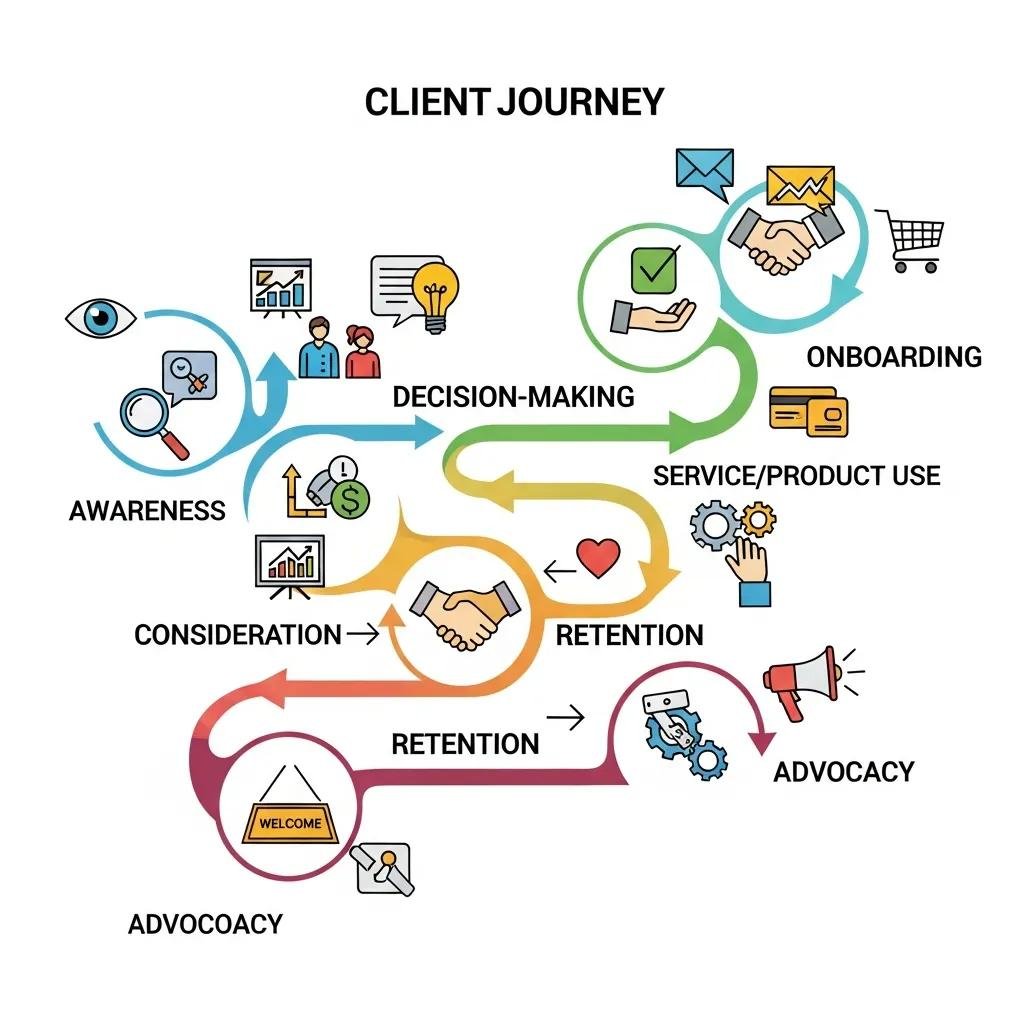
Key touchpoints in the client journey include awareness, consideration, and decision-making stages. At the awareness stage, potential clients discover the therapist’s services through online searches or referrals. During the consideration phase, they evaluate the therapist’s offerings, often comparing them with competitors. Finally, in the decision-making stage, clients decide to reach out or book an appointment. Understanding these touchpoints allows therapists to tailor their websites to meet client needs effectively.
Indeed, the strategic implementation of marketing throughout the customer journey significantly influences a client’s decision to engage with online therapy services.
Customer Journey & Online Therapy Engagement
through their marketing strategies implemented throughout the customer journey. Specifically, the customer journey will influence people’s decision to engage in online therapy.
A Journey to Wellbeing: How do mental health platforms drive people’s decision to engage in online therapy?, 2024
How to Streamline Online Booking and Inquiry Forms for Better Client Engagement?
Streamlining online booking and inquiry forms is essential for improving client engagement. Therapists should design user-friendly forms that require minimal information while still capturing essential details. Quick access to information about services and pricing can also enhance the user experience. By simplifying these processes, therapists can reduce barriers to entry, making it easier for potential clients to connect.
Why Is Responsive and Accessible Design Critical for Therapy Website UX?
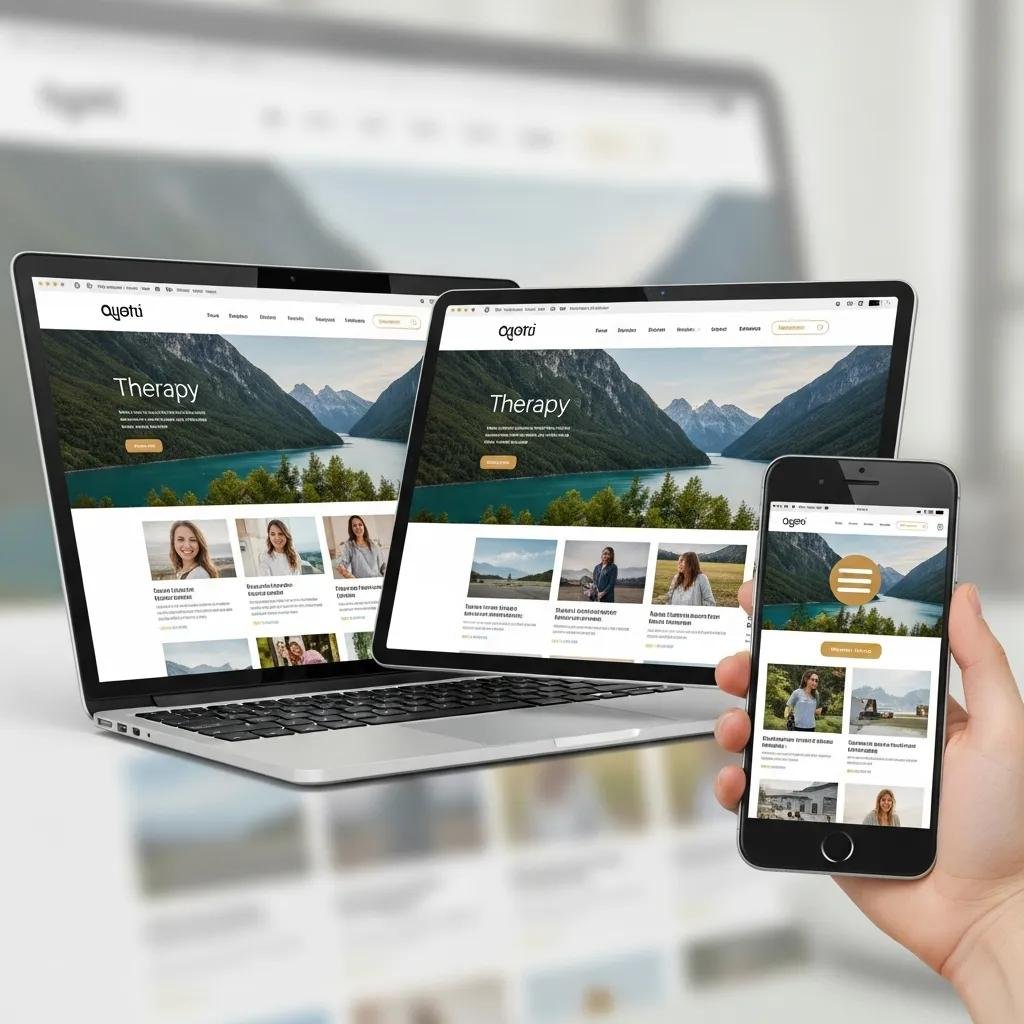
Responsive and accessible design is critical for ensuring that therapy websites cater to a diverse audience. With an increasing number of users accessing websites via mobile devices, it is essential that therapy websites are optimized for various screen sizes.
How Does Responsive Design Enhance Mobile User Experience for Therapists?
Responsive design enhances mobile user experience by ensuring that websites adapt seamlessly to different devices. This adaptability improves navigation and readability, making it easier for users to access information on the go. As mobile traffic continues to grow, therapists must prioritize responsive design to meet user expectations and provide a positive experience.
Further research underscores the significant impact of responsive design on user experience, particularly for mobile users.
Responsive Web Design: Enhancing User Experience Across Devices
The advent of the responsive web design (RWD) philosophy, revolutionized the way Web pages are designed and the way they appear to the users in the various devices. RWD makes Web pages to adjust to the size of any devices’ screen irrespective of the device type. In this study, the effect of responsive web design of the user experience with a laptop and smartphone devices was measured and evaluated. The results revealed that users had a better user experience with Smartphones.
The effect of responsive web design on the user experience with laptop and smartphone devices, A Hussain, 2015
What Are WCAG Accessibility Standards and Their Role in Therapy Websites?
The Web Content Accessibility Guidelines (WCAG) are essential for ensuring that therapy websites are accessible to all users, including those with disabilities. Compliance with these standards not only enhances user experience but also helps meet legal requirements in many jurisdictions. By implementing accessibility features, such as alternative text for images and keyboard navigation, therapists can create an inclusive environment that welcomes all potential clients.
The importance of adhering to these guidelines for healthcare-related resources is further emphasized by studies on web accessibility for disabled users.
Web Accessibility for Healthcare Websites & Disabled Users
Individuals with disabilities rely on online healthcare-related resources to access educational information and promote informed decision-making in their care. The Web Content Accessibility Guidelines (WCAG) were created to provide universal web practices which complement the needs of all individuals, such as those with low vision or screen readers users. However, many websites and the resources within them (e.g., PDFs) do not prioritise WCAG, leaving individuals with disabilities at a disadvantage in terms of their autonomy and health literacy.
Readily available but how accessible?:
An analysis of the web accessibility of healthcare-related resources, L Cockburn, 2023
What Are Effective Strategies to Improve Therapy Website Speed and Performance?
Improving website speed and performance is crucial for enhancing user satisfaction. Fast load times can significantly influence client retention and overall experience.
How Do Fast Load Times Influence Client Satisfaction and Retention?
Fast load times are directly correlated with client satisfaction. Research indicates that users are more likely to abandon a website if it takes more than 3 seconds to load. By optimizing images, leveraging browser caching, and minimizing server response times, therapists can enhance their website’s performance. This optimization not only improves user experience but also contributes to higher search engine rankings.
Which Tools and Techniques Optimize Website Performance for Therapists?
Several tools and techniques can optimize website performance for therapists. Regular website maintenance and updates are essential for ensuring optimal functionality. Additionally, implementing SEO and digital marketing strategies can improve visibility and traffic. For therapists offering services or products online, effective e-commerce web design can enhance user experience and performance.
What Are Inspiring Examples of User-Friendly Therapy Website Designs?
User-friendly therapy website designs can serve as excellent examples for therapists looking to improve their own sites. These designs often incorporate elements that foster trust and connection with potential clients.
Which Therapist Website Layouts Best Support Client Connection and Trust?
Layouts that prioritize simplicity and clarity tend to support client connection and trust. For instance, websites that feature warm colors, inviting images, and straightforward navigation create a welcoming atmosphere. Additionally, including client testimonials prominently can enhance credibility and encourage potential clients to reach out.
How Have UX Transformations Improved Private Practice Websites?
UX transformations have led to significant improvements in private practice websites. By adopting modern design principles and focusing on user needs, many therapists have successfully enhanced their online presence. Case studies show that practices that have undergone these transformations often experience increased client inquiries and higher satisfaction rates.
How Can Therapists Choose the Right Website Design Service to Enhance UX?
Choosing the right website design service is crucial for therapists looking to enhance UX. Several factors should be considered to ensure the selected service aligns with their needs.
- Service Offerings: Look for services that cater specifically to therapists and coaches, such as private practice growth and coaching web design.
- Speed of Delivery: Consider services that promise quick turnaround times, like creating a website in about one week.
- Customization Options: Ensure the service provides templates that can be tailored to fit individual branding and vision.
- Support and Maintenance: Check if the service includes ongoing website maintenance and updates.
- SEO and Digital Marketing: Evaluate if the service offers SEO and digital marketing to enhance online visibility.
- Client Testimonials: Look for warm remarks or testimonials from previous clients to gauge satisfaction and effectiveness.
- Contact and Support: Ensure there is accessible contact information for inquiries and support.
What Makes Custom Therapy Website Design Services Effective?
Custom therapy website design services are effective because they offer quick and effective brand and website transformations, allowing clients to have their dream website ready in about one week. These services are tailored to specific needs, such as private practice growth and coaching web design, ensuring that the final product aligns with the client’s vision. Additionally, they provide ongoing website maintenance, updates, and digital marketing support, which enhances the overall effectiveness of the website.
How Does a Fast Website Launch Like ‘Website in a Week’ Support Practice Growth?
A fast website launch like ‘Website in a Week’ supports practice growth by providing quick and effective brand and website transformations, allowing practitioners to establish their online presence rapidly. This can lead to increased visibility, attracting more clients, and ultimately fostering growth in their practice.