My Therapist Website Was Hacked: Essential Recovery Steps
My Therapist Website Was Hacked: Essential Recovery and Security Steps for Private Practice Websites
Experiencing a website hack can be a distressing event for therapists and mental health professionals. The implications of a compromised website extend beyond mere inconvenience; they can affect client trust and confidentiality. This article provides a comprehensive guide on what to do next if your therapist website has been hacked. You will learn immediate actions to take, technical recovery steps, legal obligations, and preventive measures to enhance your website’s security. By understanding these essential recovery steps, you can mitigate damage and restore your online presence effectively. We will also explore how Therapeia Web Design can assist in creating secure, HIPAA-compliant websites tailored for mental health professionals.
The increasing reliance of mental health practitioners on digital systems underscores the heightened importance of robust cybersecurity practices to mitigate the risk of cyber breaches.
Cybersecurity Practices for Mental Health Professionals
Mental health practitioners rely on digital systems to interact with and in some instances treat patients. Yet, while widespread use of digital devices provides significant practical advantages, that same use exacerbates the possibility of a cyber breach. This research describes mental health practitioners’ current cyber security practices and the factors influencing their behavioral intentions to implement cyber security within clinical mental health settings.
Cyber security in mental health: An assessment of current practice and behavioral intent, 2020
What Are the Immediate Actions to Take When Your Therapist Website Is Hacked?
When your therapist website is hacked, swift action is crucial to minimize damage and secure sensitive information. The first step is to isolate the compromised website to prevent further unauthorized access. This involves temporarily taking the site offline and changing access credentials. Following this, you should notify your hosting provider and any relevant stakeholders about the breach.
How Do You Isolate and Secure Your Compromised Website Quickly?
To quickly isolate your compromised website, follow these steps:
- Disconnect from the Internet: Temporarily take your website offline to prevent further unauthorized access.
- Change Access Credentials: Update passwords for all accounts associated with your website, including admin accounts and database access.
These immediate actions help contain the breach and protect sensitive client information from further exposure.
Which Credentials Should You Change and Who Should You Notify First?
After isolating your website, focus on changing critical credentials:
- Admin Passwords: Change passwords for all admin accounts to prevent unauthorized access.
- Client Notifications: Inform clients about the breach, especially if their data may have been compromised. Transparency is key to maintaining trust.
Notifying your hosting provider is also essential, as they can assist in the recovery process and provide additional security measures.
How Can You Technically Recover Your Hacked Therapist Website?
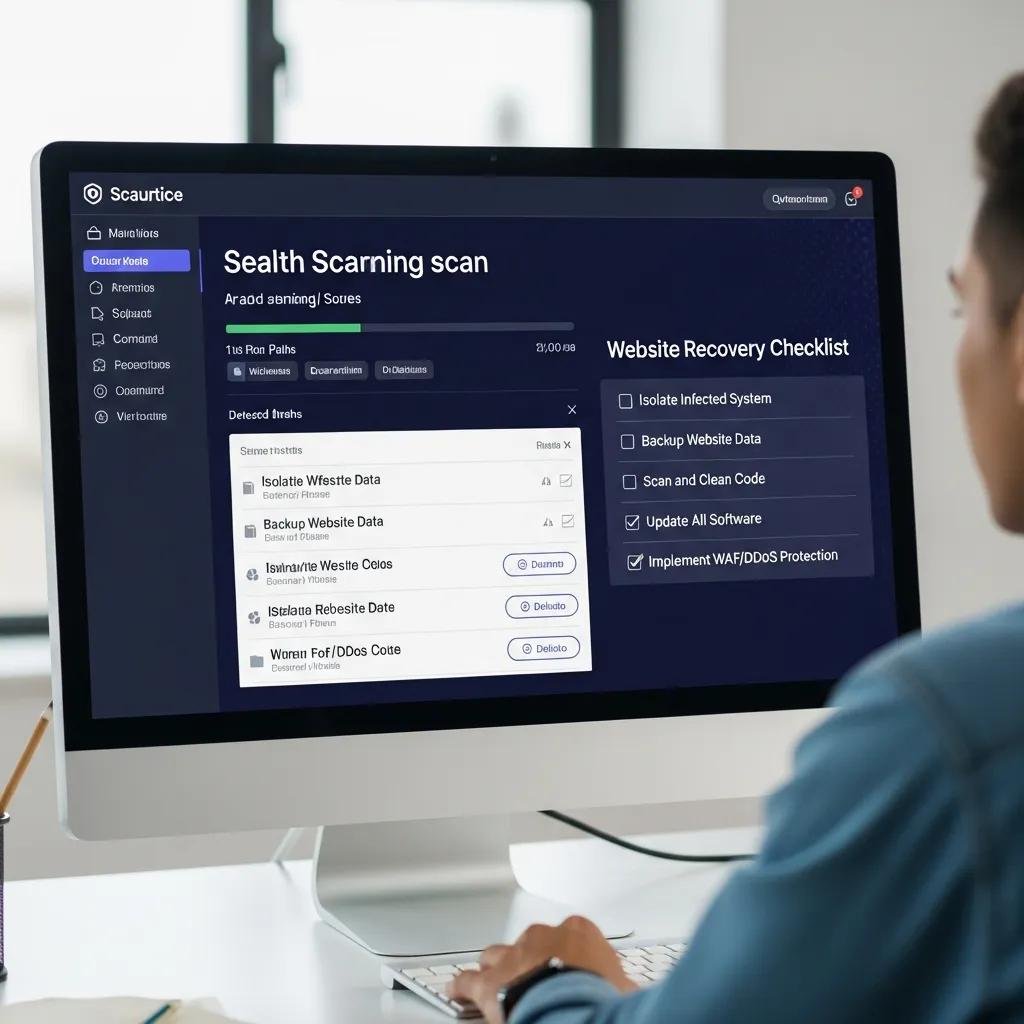
Recovering a hacked website involves several technical steps to ensure that the site is secure and functional. This includes detecting and removing malware, restoring website data, and patching any vulnerabilities that may have been exploited during the hack.
Understanding the nature and impact of malicious software is fundamental to implementing effective detection and prevention strategies for website security.
Malware Detection & Prevention for Website Security
Malicious software is a kind of software or codes which took some: private data, information from the PC framework, its operations is to do only malicious objectives to the PC framework, without authorization of the PC clients. The effect of malicious software are worsen to the client. Malicious software i.e malwares are programs that are made to mischief, hinder or harm PCs, organizations and different assets related with it. Malwares are moved in PCs without the knowledge on its proprietor. Presently malicious program is a serious threat. It is created to harm the PC system and some of them are spread over the associated system in the organization or web association. Researchers are making great efforts in malware system field with compelling malware detection techniques to safeguard PC system.
Review of computer malware: detection and preventive strategies, OK Akinde, 2021
What Are the Best Practices for Malware Detection and Removal on Therapist Websites?
Effective malware detection and removal are critical for recovery. Here are some best practices:
- Use Security Plugins: Implement security plugins that can scan for malware and vulnerabilities.
- Regular Scans: Schedule regular scans to detect any malicious activity promptly.
These practices help maintain the integrity of your website and protect against future attacks.
How Do You Restore Website Data and Patch Vulnerabilities Effectively?
Restoring your website data and patching vulnerabilities involves:
- Backup Restoration: Use a recent backup to restore your website to its pre-hack state.
- Updating Software: Ensure that all software, including plugins and themes, is up to date to close any security gaps.
By following these steps, you can effectively recover your website and enhance its security.
What Are Your Legal and Ethical Obligations After a Therapist Website Security Breach?
After a security breach, therapists have legal and ethical obligations to uphold client confidentiality and comply with regulations. Understanding these responsibilities is crucial for maintaining trust and legal compliance.
When and How Should You Notify Clients About a Data Breach?
Clients should be notified about a data breach as soon as possible. The notification should include:
- Timing: Notify clients without unreasonable delay after discovering the breach, in accordance with applicable laws.
- Content of Notification: Clearly explain what information was compromised and the steps being taken to address the issue.
This transparency is vital for maintaining client trust and complying with legal obligations.
What Are the Key HIPAA Requirements Related to Website Security Breaches?
Under HIPAA regulations, therapists must adhere to specific requirements following a security breach:
- Reporting to OCR: Breaches affecting 500 or more individuals must be reported to the Office for Civil Rights (OCR) within 60 days. Breaches affecting fewer than 500 individuals must be reported annually.
- Client Rights: Clients have the right to be informed about breaches involving their protected health information and the steps taken to mitigate harm.
Understanding these requirements helps therapists navigate the complexities of data protection and client communication.
Further emphasizing the critical nature of these regulations, the HITECH Act mandates specific HIPAA breach notifications for mental health practitioners.
HIPAA Breach Notification for Mental Health Practitioners
In addition to these enforcement changes, HITECH also now mandates that a HIPAA covered mental health practitioner submit specific notifications of unsecured PHI or HIPAA breach.
Mental health practitioners and HIPAA., TD Letzring, 2011
How Can You Prevent Future Hacks and Strengthen Your Private Practice Website Security?
Preventing future hacks is essential for maintaining a secure online presence. Implementing robust security measures can significantly reduce the risk of future breaches.
Which Security Best Practices Should Therapists Implement on Their Websites?

Therapists should consider the following security best practices:
- Use of SSL: Secure your website with an SSL certificate to encrypt data transmitted between the server and clients.
- Regular Security Audits: Conduct regular security audits to identify and address vulnerabilities.
These practices create a strong security foundation for your website.
Why Are Regular Backups and Website Maintenance Crucial for Security?
Regular backups and maintenance are critical for website security:
- Backup Frequency: Schedule regular backups (daily or weekly depending on site activity) to ensure that you can quickly restore your website if needed.
- Maintenance Checklists: Implement maintenance checklists to ensure that all software is updated and security measures are in place.
These strategies help ensure that your website remains secure and functional.
Why Choose Therapeia Web Design for Secure, HIPAA-Compliant Therapist Websites?
Therapeia Web Design specializes in creating secure, responsive, and user-friendly websites for therapists, counselors, and coaches. Their services aim to help mental health professionals establish a strong online presence, connect with clients, and grow their practices.
How Does Therapeia Ensure Secure-by-Design Websites Tailored for Mental Health Professionals?
Therapeia employs a secure-by-design approach, focusing on:
- Custom Designs: Each website is tailored to reflect the unique style of the practice while ensuring security.
- Security Features: Implementing advanced security features to protect sensitive client information.
This approach ensures that therapists can focus on their practice while Therapeia handles the technical aspects of website security.
What Ongoing Maintenance and Security Support Does Therapeia Provide?
Therapeia offers ongoing maintenance and security support, including:
- Regular Updates: Ensuring that all website components are up to date to prevent vulnerabilities.
- Client Support: Providing assistance and guidance to therapists regarding website management and security.
With Therapeia’s support, therapists can maintain a secure online presence and focus on their clients.