Maximize Client Engagement with a Mobile-First Design
Mobile-First Design for Therapists: Why Your Therapy Website Needs Responsive Optimization to Attract and Engage Clients
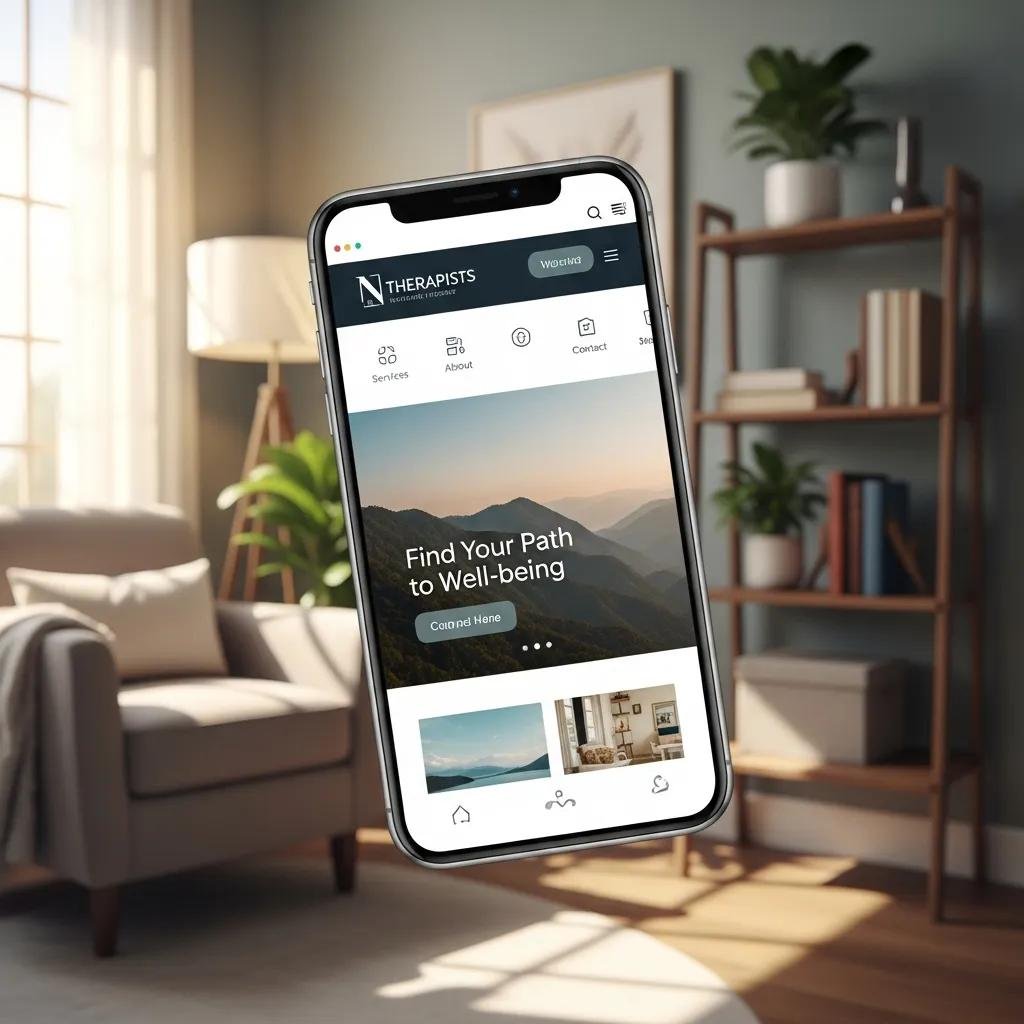
In an increasingly digital world, mobile-first design has emerged as a crucial strategy for therapists looking to enhance their online presence. This approach prioritizes the mobile user experience, ensuring that therapy websites are not only visually appealing but also functional on smaller screens. By adopting mobile-first design principles, therapists can significantly improve client engagement and satisfaction. This article will explore the importance of mobile-first design for therapist websites, the benefits it offers, and how it can enhance user experience and accessibility. We will also discuss how mobile-first design impacts SEO and local visibility, ultimately leading to increased client acquisition.
What Is Mobile-First Design and Why Is It Essential for Therapist Websites?
Mobile-first design is a web development approach that prioritizes designing for mobile devices before scaling up to larger screens. This strategy is essential for therapist websites because a significant portion of potential clients access services via smartphones. By focusing on mobile-first design, therapists can create a seamless user experience that caters to the needs of their clients, ultimately leading to higher engagement and conversion rates.
How Does Mobile-First Design Differ from Responsive Web Design?
While both mobile-first design and responsive web design aim to create optimal user experiences across devices, they differ fundamentally in their approach. Mobile-first design starts with the mobile version of a website, ensuring that essential features are prioritized for smaller screens. In contrast, responsive web design typically starts with a desktop design and uses CSS media queries to adapt the layout to different screen sizes. This distinction is crucial for therapists, as a mobile-first approach ensures that the most critical information is easily accessible to clients on the go.
What Are the Latest Trends in Mobile Usage Among Therapy Clients?
Recent studies indicate that a majority of therapy clients prefer to access services through their mobile devices, with estimates often ranging between 60% to 70%. This trend highlights the necessity for therapists to adopt mobile-first design principles. As clients increasingly rely on smartphones for scheduling appointments, accessing resources, and communicating with their therapists, a mobile-optimized website becomes essential for attracting and retaining clients.
How Does Mobile-First Design Enhance User Experience and Accessibility for Therapists?
Mobile-first design significantly enhances user experience by ensuring that websites are intuitive and easy to navigate on mobile devices. This approach not only improves client satisfaction but also fosters a sense of trust and professionalism.
The growing emphasis on user experience in digital healthcare is a topic of ongoing research and development.
Enhancing Patient Experience in Healthcare Mobile Apps
This study addresses the critical need to enhance patient’s experience with healthcare mobile applications. With the exponential growth of healthcare apps over the past decade, it is imperative to understand the patients’ perceptions of what is lacking and how healthcare mobile applications can be improved in terms of design, features, and communication between patients and providers, such as doctors or hospitals.
Understanding Customer Experience with Healthcare Mobile Applications, MC Ferreira, 2024
What Are the Key Mobile UX Elements for Therapy Websites?
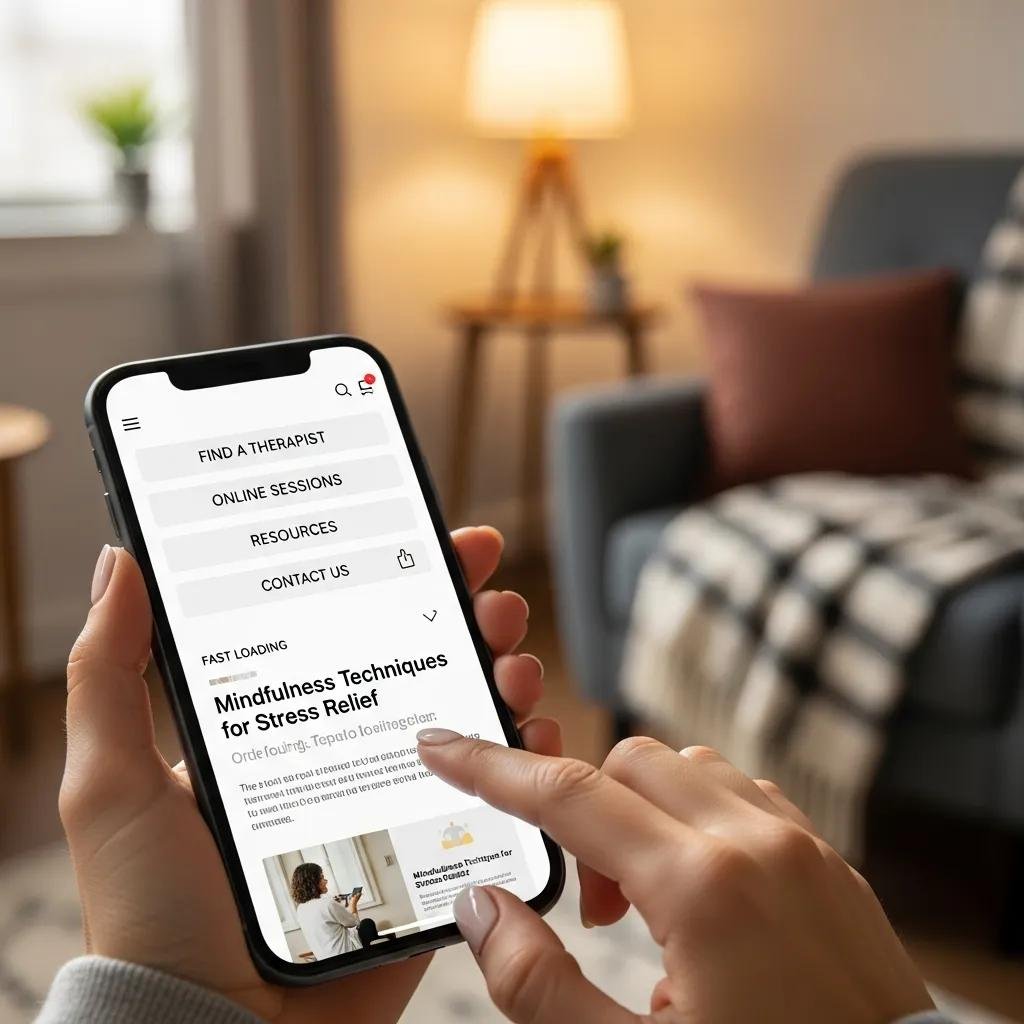
- Simplified Navigation: Clear and concise menus that allow users to find information quickly.
- Fast Loading Times: Optimized images and streamlined content to reduce loading times, enhancing user experience.
- Touch-Friendly Interfaces: Buttons and links that are easy to tap, ensuring accessibility for all users.
These elements work together to create a user-friendly environment that encourages clients to engage with the website.
How Does Mobile-First Design Support Accessibility and Inclusivity for Neurodiverse Clients?
Mobile-first design also plays a vital role in supporting accessibility and inclusivity for neurodiverse clients. By adhering to WCAG 2.1 standards, therapists can ensure that their websites are usable for individuals with various cognitive and sensory needs. This includes providing alternative text for images, ensuring sufficient color contrast, and offering easy-to-read fonts. Such considerations not only enhance the user experience but also demonstrate a commitment to inclusivity.
In What Ways Does Mobile-First Design Improve SEO and Local Visibility for Private Practices?
Mobile-first design is closely linked to improved SEO and local visibility, which are critical for private practices looking to attract new clients. Google’s mobile-first indexing means that the mobile version of a website is considered the primary version for ranking purposes.
How Does Google’s Mobile-First Indexing Affect Therapist Website Rankings?
Google’s mobile-first indexing prioritizes mobile-optimized websites in search results. This means that therapists who implement mobile-first design principles are more likely to rank higher in search results, making it easier for potential clients to find their services. By ensuring that their websites are mobile-friendly, therapists can enhance their online visibility and attract more clients.
The importance of mobile-first indexing in modern SEO strategies is further emphasized by recent research.
Mobile-First Indexing & Advanced SEO Strategies
SEO has evolved from basic keyword targeting to advanced strategies like schema markup, voice search optimization, and mobile-first indexing. Ethical SEO practices—including
From Field Force to Feed: A Scoping Review of Digital Marketing in India’s
Prescription Drug Sector, T Anthuvan, 2025
What SEO Benefits Does a Mobile-Friendly Counseling Site Provide?
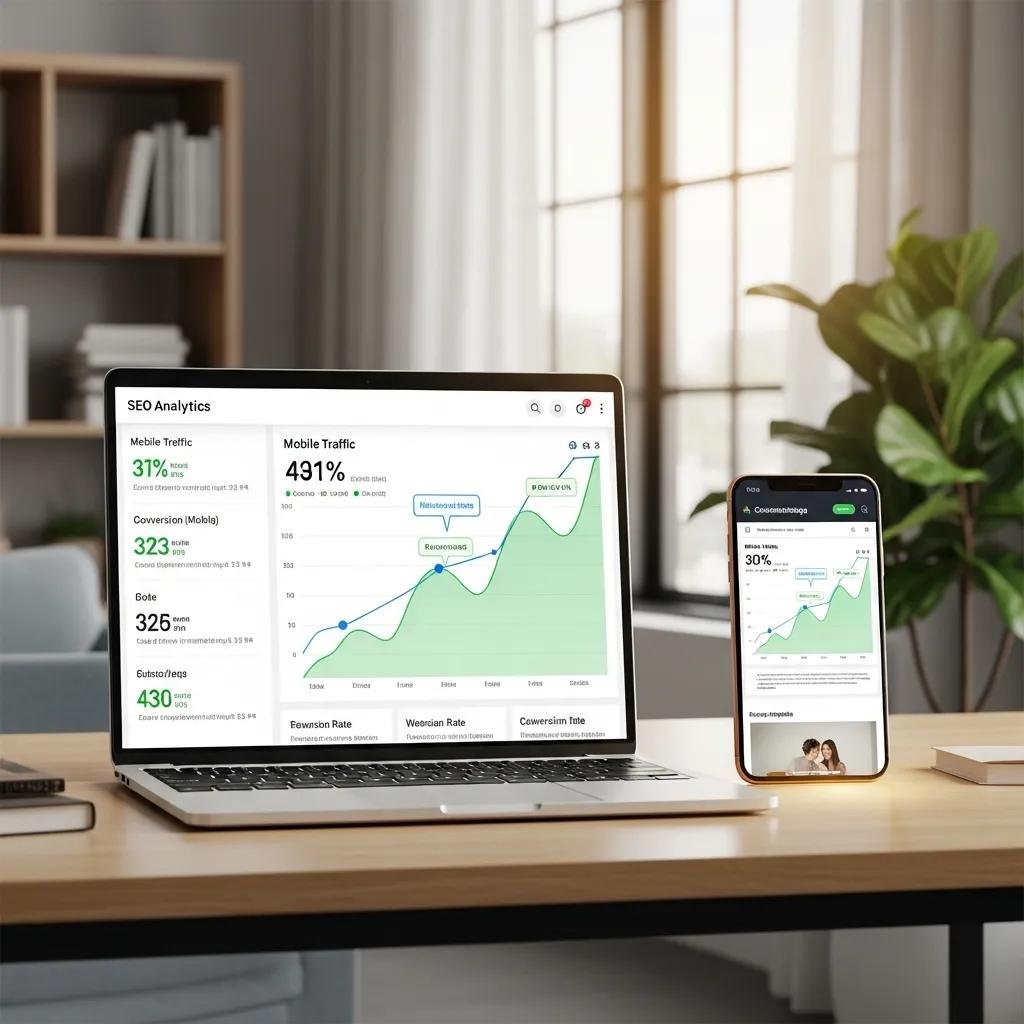
- Improved Search Rankings: Mobile-optimized sites are favored by search engines, leading to higher rankings.
- Increased Traffic: Enhanced visibility results in more visitors to the website.
- Better User Engagement: A positive user experience reduces bounce rates, signaling to search engines that the site is valuable.
These benefits collectively contribute to a stronger online presence for therapists.
How Can Mobile-First Design Increase Client Engagement and Conversion Rates for Therapists?
Mobile-first design can significantly increase client engagement and conversion rates by providing a seamless and enjoyable user experience. When clients can easily navigate a therapist’s website, they are more likely to book appointments and engage with the content.
What Mobile Features Streamline Online Booking and Contact for Therapy Clients?
- One-Click Call Buttons: Allowing clients to call directly from the website with a single tap.
- Online Booking Forms: Simplified forms that can be filled out quickly on mobile devices.
- Chat Features: Instant messaging options that enable clients to ask questions in real-time.
These features enhance the client experience, making it easier for them to connect with therapists.
How Does Mobile Optimization Reduce Bounce Rates and Boost Client Acquisition?
Mobile optimization reduces bounce rates by ensuring that users have a positive experience when visiting a therapist’s website. A well-designed mobile site encourages users to stay longer, explore more pages, and ultimately convert into clients. By providing a seamless experience, therapists can significantly boost client acquisition rates.
What Are the Best Practices and Tools for Implementing Mobile-First Design in Therapist Websites?
Implementing mobile-first design requires adherence to best practices and the use of appropriate tools to ensure optimal results.
Which Platforms and Builders Support Mobile-First Development for Therapists?
- WordPress: Offers numerous themes and plugins designed for mobile optimization.
- Wix: Provides user-friendly tools for creating mobile-friendly websites.
- Squarespace: Features responsive design templates that automatically adjust to mobile devices.
These platforms enable therapists to create effective mobile-first websites without extensive technical knowledge.
How Should Therapists Test and Optimize Mobile Website Performance?
Therapists should regularly test and optimize their mobile websites using tools such as:
- Google PageSpeed Insights: Analyzes website performance and provides suggestions for improvement.
- Mobile-Friendly Test: Assesses whether a website is optimized for mobile devices.
- User Testing: Gathering feedback from actual users to identify areas for improvement.
Regular testing ensures that the website remains functional and user-friendly.
How Does Therapeia Web Design Deliver Mobile-First Solutions Tailored for Therapists?
Therapeia Web Design specializes in creating mobile-first websites tailored specifically for therapists, counselors, and life coaches. By emphasizing a ‘Therapeia Framework,’ the company engineers Clinical User Journeys with Conversion Architecture to enhance client engagement.
What Is Therapeia’s Mobile-First Design Process for Therapy Websites?
- Initial Consultation: Understanding the therapist’s goals and target audience.
- Design Phase: Creating a mobile-first layout that prioritizes user experience.
- Testing and Optimization: Ensuring the website performs well on all devices before launch.
This structured approach guarantees that therapists receive a website that meets their specific needs.
What Success Stories Demonstrate the Impact of Mobile-First Design on Therapist Practices?
Therapeia has numerous success stories showcasing the impact of mobile-first design on therapist practices. For instance, a recent client experienced a 40% increase in online bookings within three months of launching their mobile-optimized website. Such results highlight the effectiveness of mobile-first design in attracting and retaining clients.
In conclusion, mobile-first design is not just a trend; it is a necessity for therapists aiming to connect with clients effectively. By prioritizing mobile optimization, therapists can improve user experience, enhance SEO, and ultimately increase client engagement and conversion rates. Therapeia Web Design offers tailored solutions to help therapists navigate this essential aspect of their online presence.