
Legal & Ethical Guidelines for Online Therapy Practice
Legal & Ethical Guidelines for Online Therapy Practice: Essential Compliance and Best Practices
The rise of online therapy has transformed mental health care, making it more accessible than ever. However, with this convenience comes the responsibility of adhering to legal and ethical guidelines that govern practice. This article will explore the essential legal requirements, HIPAA compliance, ethical guidelines, and how website design can support therapists in maintaining these standards. By understanding these frameworks, mental health professionals can ensure they provide safe and effective care while navigating the complexities of telehealth. We will also discuss the latest telehealth policy updates that may impact online therapy practices in 2024 and beyond.
What Are the Key Legal Requirements for Online Therapy Practice?
Legal requirements for online therapy practice are crucial for ensuring that therapists operate within the law and provide safe services to clients. These requirements vary by state and can significantly impact how telehealth services are delivered. Understanding these laws is essential for compliance and effective practice.
How Do State Licensing Laws Affect Telehealth Practice?
State licensing laws dictate where therapists can practice and under what conditions. Each state has its own regulations regarding telehealth, which can create a complex landscape for practitioners. For instance, most states require therapists to be licensed in the state where the client resides, while some have more flexible regulations or participate in interstate compacts. Non-compliance with these laws can lead to severe consequences, including fines and loss of licensure. Therefore, therapists must stay informed about the specific licensing requirements in each state they serve.
What Is the Role of PSYPACT and Interstate Telepsychology Compacts?
The Psychology Interjurisdictional Compact (PSYPACT) facilitates the practice of telepsychology across state lines, allowing licensed psychologists to provide services in member states without obtaining additional licenses. This compact aims to enhance access to psychological services while maintaining high standards of care. However, not all states are members, and therapists must be aware of the limitations and requirements of PSYPACT to ensure compliance. Understanding the role of PSYPACT is essential for psychologists who wish to expand their practice across state lines.
How Can Therapists Ensure HIPAA Compliance in Telehealth Services?

HIPAA compliance is a critical aspect of telehealth services, ensuring that patient information remains confidential and secure. Therapists must implement specific measures to protect client data and maintain compliance with federal regulations.
What Technical Safeguards Must Telehealth Websites Implement?
- Encryption: All data transmitted between clients and therapists should be encrypted to prevent unauthorized access.
- Access Controls: Websites must have strict access controls to ensure that only authorized personnel can access sensitive information.
- Secure Hosting: Utilizing secure hosting services that comply with HIPAA regulations is essential for protecting client data.
These safeguards not only protect client information but also enhance the overall security of telehealth services.
Why Are Business Associate Agreements Critical for Compliance?
Business Associate Agreements (BAAs) are essential for ensuring that third-party vendors who handle protected health information (PHI) comply with HIPAA regulations. Therapists must establish BAAs with any vendors that process or store client data, such as telehealth platforms and billing services. These agreements outline the responsibilities of each party regarding data protection and compliance. Failure to have a BAA in place can result in significant legal repercussions, making it a critical component of HIPAA compliance.
What Ethical Guidelines Should Govern Online Therapy Practice?
Ethical guidelines are fundamental to maintaining professionalism and integrity in online therapy. These guidelines help therapists navigate complex situations and ensure that they provide the best possible care to their clients.
How Is Informed Consent Obtained and Documented for Telehealth?
Informed consent is a vital process in therapy, ensuring that clients understand the nature of the services being provided. For telehealth, therapists must clearly explain the limitations and risks associated with online therapy, including issues related to confidentiality and technology. Documentation of informed consent should be obtained electronically, with clients signing consent forms that outline their rights and responsibilities. This process not only protects clients but also helps therapists maintain ethical standards.
What Are Professional Boundaries and Duty to Warn in Virtual Therapy?
Maintaining professional boundaries is crucial in online therapy, as the virtual environment can blur the lines between personal and professional interactions. Therapists must establish clear boundaries to protect both themselves and their clients. Additionally, the duty to warn is an ethical obligation that requires therapists to take action if a client poses a risk to themselves or others. Understanding these concepts is essential for ethical practice in the digital age.
Research consistently highlights the importance of these ethical considerations, particularly in the context of video-based therapy.
Ethical & Security Considerations for Video-Based Therapy
ResultsFour themes were identified in the literature—applying traditional ethical concerns to video-based psychotherapy, unique security and data safety concerns related to the use of video and streaming technologies, the establishment of clear boundaries prior to therapy beginning, and the accessibility and suitability of video-based therapy.
A systematic review of the ethical considerations of delivering video-based therapy, 2024
How Does Website Design Support Legal and Ethical Compliance for Therapists?
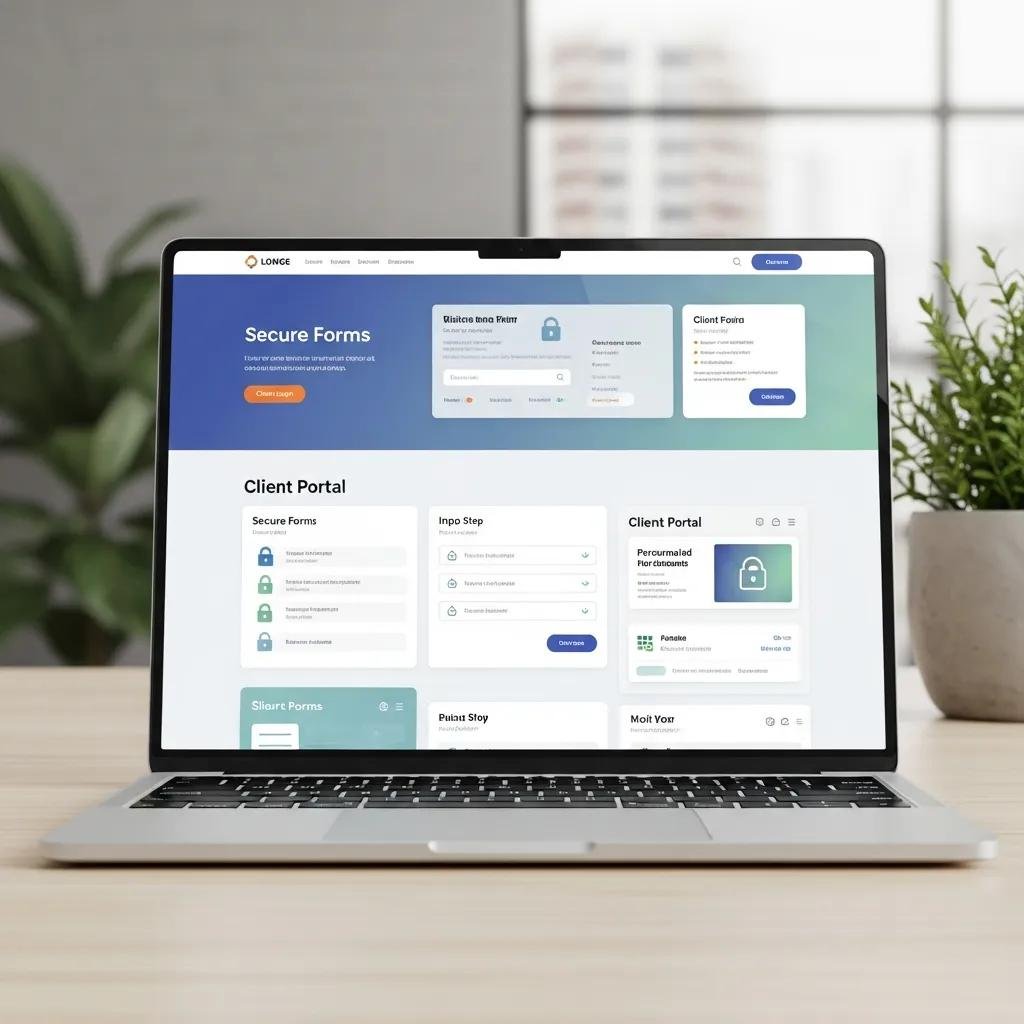
Website design plays a significant role in helping therapists maintain legal and ethical compliance. A well-designed website can facilitate secure communication, enhance user experience, and ensure accessibility for all clients.
Which Website Features Facilitate Secure Client Intake and Communication?
- Secure Forms: Utilizing encrypted forms for client intake ensures that sensitive information is protected during submission.
- Client Portals: Implementing secure client portals allows clients to access their information and communicate with therapists safely.
- Encrypted Communication: Offering encrypted messaging services enhances confidentiality and protects client data.
These features not only comply with legal requirements but also foster trust between therapists and clients.
How Does Accessibility and User Experience Impact Telehealth Compliance?
Accessibility is a critical aspect of website design that impacts telehealth compliance. Websites must adhere to accessibility standards such as the Web Content Accessibility Guidelines (WCAG) to ensure that all clients, including those with disabilities, can access services. A user-friendly design enhances the overall experience, making it easier for clients to navigate the site and access necessary resources. By prioritizing accessibility and user experience, therapists can ensure compliance with legal standards while providing high-quality care.
What Are the Latest Telehealth Policy Updates Affecting Online Therapy in 2026?
Staying informed about the latest telehealth policy updates is essential for therapists to adapt their practices accordingly. Recent changes in regulations can significantly impact how services are delivered and reimbursed.
How Do Recent Medicare and DEA Flexibilities Influence Telehealth Practice?
Recent flexibilities introduced by Medicare and the Drug Enforcement Administration (DEA) have expanded access to telehealth services. These changes include provisions allowing for the prescribing of certain controlled substances via telehealth under specific conditions, which were initially expanded during the COVID-19 public health emergency and have seen some extensions and modifications. Understanding these updates is crucial for therapists to navigate the evolving landscape of telehealth and ensure compliance with new regulations.
What Are Emerging Trends in Digital Ethics and Data Privacy for Therapists?
As telehealth continues to evolve, emerging trends in digital ethics and data privacy are becoming increasingly important. Therapists must stay informed about best practices for protecting client data and maintaining ethical standards in a digital environment. This includes understanding the implications of data breaches, the importance of transparency in data usage, and the need for ongoing education in digital ethics. By staying ahead of these trends, therapists can enhance their practice and ensure compliance with evolving standards.
Therapists must navigate a complex landscape of legal and ethical guidelines in online therapy. By understanding state licensing laws, ensuring HIPAA compliance, and adhering to ethical standards, mental health professionals can provide safe and effective care. Additionally, leveraging website design to support compliance and staying informed about policy updates will further enhance their practice in the evolving telehealth environment.