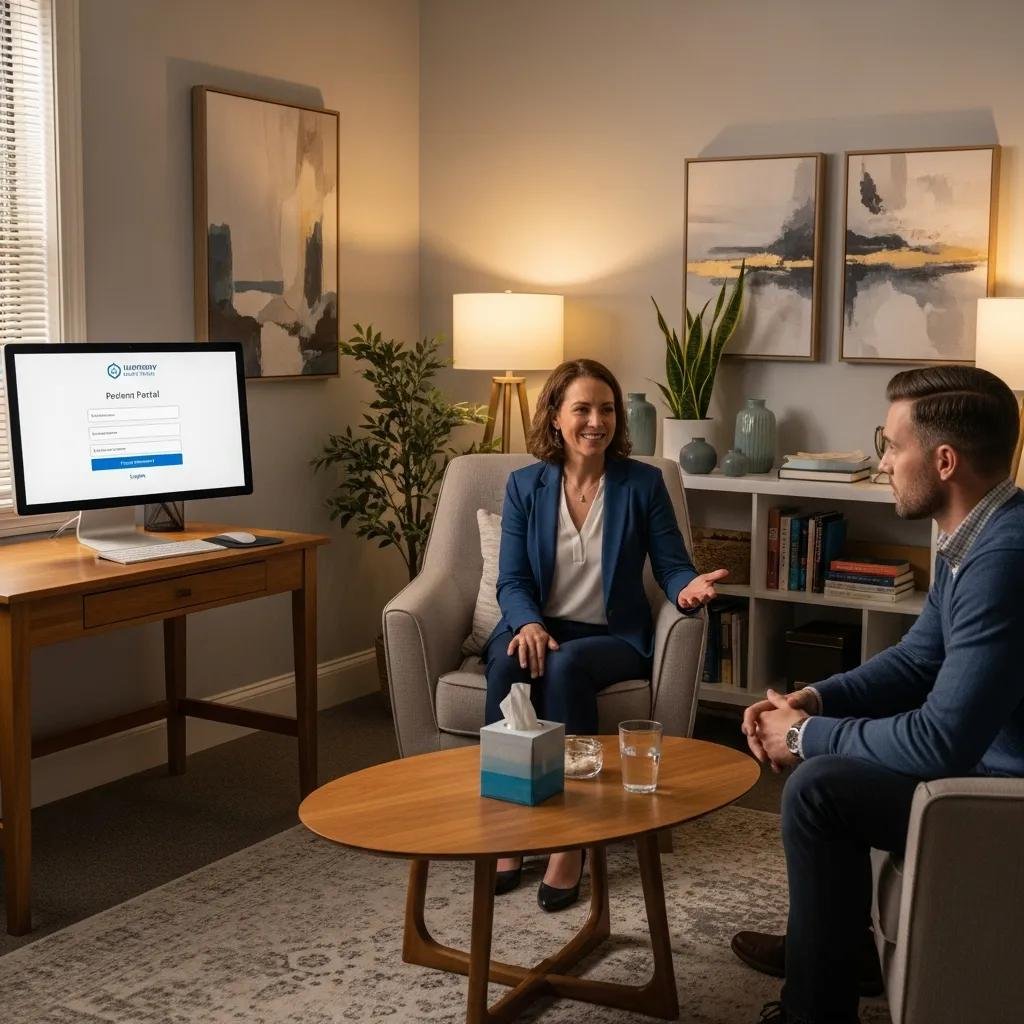
Launch a Successful Startup Therapy Website from Scratch
Build Your Therapist Website from Scratch — An Expert Guide to Launching Your Online Practice
To build your therapist website from the ground up, follow these comprehensive, evidence-based steps tailored specifically for licensed mental health professionals and clinical practitioners. Establishing a clear, professional online presence is essential not only for credibility but also for compliance with industry standards and ethical guidelines. This authoritative guide leads you through clarifying your professional vision, adhering to regulatory requirements, and implementing best practices in design, content strategy, and SEO optimization. By following this framework, you will develop a robust, client-centered website that effectively supports your practice’s growth and reputation.
Why a Professional Therapist Website Is Critical for Your Private Practice
A thoughtfully designed, professionally developed website is a cornerstone of modern mental health practice management. It builds trust, demonstrates your clinical expertise, and provides prospective clients with confidence in your therapeutic services. For many individuals seeking support, your website serves as the initial point of contact — making it imperative that it is informative, welcoming, and authentically represents your therapeutic approach. Beyond visual appeal, a well-crafted website communicates your core values, clinical specialties, and the tangible benefits clients can expect from your care.
How Does a Website Establish Credibility and Trust?
Credibility is grounded in clarity, consistency, and transparency. A clean, intuitive layout combined with professional photography and detailed, accurate descriptions of your services creates a trustworthy first impression. Incorporating verified client testimonials and clear disclosures about your qualifications, licensure, and therapeutic modalities further reassures visitors that they are engaging with a competent, ethical professional.
What Role Does Online Visibility Play in Filling Your Calendar?
Online visibility is a decisive factor in client acquisition. The majority of individuals seeking mental health support initiate their search online; if your website is not easily discoverable or user-friendly, potential clients will turn to competitors. Implementing advanced SEO strategies and optimizing local search presence—such as maintaining an up-to-date Google Business Profile—significantly enhances your practice’s accessibility to clients within your geographic area.
Extensive research in digital marketing confirms that strategic SEO implementation is vital for healthcare providers to effectively reach and engage their target audience online.
SEO and Online Visibility
In the context of digital transformation and heightened competition, healthcare providers must adopt sophisticated marketing strategies including search engine optimization. SEO enhances a provider’s online visibility relative to competitors and facilitates improved communication and engagement with diverse patient populations.
Business Optimization in the Digital Age: Insights and Recommendations, A Natorina, 2020
Planning Your Therapist Website: Defining Goals, Audience, and Budget
Strategic planning is fundamental to developing a focused, effective website. Clearly define your practice’s objectives, identify your target client demographics, and establish a realistic budget. These foundational decisions will guide your design choices, content development, and the integration of essential features.
How Do You Define Your Practice’s Vision and Target Audience?

Begin with a succinct vision statement that encapsulates your clinical goals, ethical values, and the emotional outcomes you aim to foster in clients. Conduct thorough audience research to understand who your ideal clients are, the challenges they face, and where they seek support. This insight enables you to tailor your website’s language, service offerings, and navigation structure to resonate deeply with your intended audience.
How Much Does a Therapist Website Typically Cost?
Costs vary depending on the complexity of the site and the expertise of the developer. Expect a professionally designed, HIPAA-compliant website to range between $1,000 and $5,000 on average. Factors influencing cost include custom design elements, integrated SEO, secure booking systems, and ongoing technical maintenance.
Best Design and Development Practices for Therapist Websites
Adhering to user-centered design principles and rigorous development standards ensures your website is welcoming, accessible, and easy to navigate. This enhances client experience and increases the likelihood that visitors will engage with your services.
Custom Design or Template — Which Should You Choose?
Custom design offers a unique, brand-aligned website that reflects your clinical identity and practice philosophy, though it requires a higher investment of time and resources. Templates provide a cost-effective, faster-to-launch alternative, many of which can be customized to maintain a personal touch. Select the option that aligns with your budget, timeline, and desired level of differentiation in the marketplace.
Why Mobile Responsiveness and Accessibility Are Non-Negotiable
With the majority of users accessing websites via mobile devices, your site must be fully responsive to different screen sizes. Additionally, incorporating accessibility features ensures compliance with legal standards such as the Americans with Disabilities Act (ADA) and broadens your reach to clients with disabilities. Prioritizing mobile-friendliness and accessibility is not optional; it is a professional imperative that reflects your commitment to inclusive, client-centered care.
In today’s mobile-first environment, delivering seamless experiences across all devices is essential to attract and retain clients.
Responsive Design in a Mobile-First World
Responsive web design enables healthcare organizations to meet user expectations in a landscape dominated by mobile access. Maintaining an active mobile presence is critical, requiring creative adaptation to an information-rich environment with limited user attention.
Responsive Web Design, Discoverability, and
Mobile Challenge, B Kim, 2013
Essential Content Your Therapist Website Must Include to Connect with Clients
Including the right pages and crafting clear, empathetic content are key to helping visitors understand your services and how to engage with you. Emphasize clarity, warmth, and actionable next steps.
How to Craft a Homepage and About Page That Build Connection
Your homepage should immediately communicate who you serve and how, featuring a clear call to action such as booking an appointment, contacting you, or learning more. The About page should present your professional journey in relatable terms, highlighting your clinical training, therapeutic approach, and what clients can expect from working with you. Ensure contact information is prominently displayed and easy to access.
Frequently Asked Questions
What Are the Best Practices for Writing Content on a Therapist Website?
Write with precision and empathy. Use straightforward language to describe your services and therapeutic methods, avoiding jargon. Address common client concerns directly and incorporate personal narratives or brief case examples to enhance relatability. Regularly update content to maintain relevance and guide visitors toward clear next steps.
How Can I Effectively Use Social Media to Promote My Therapist Website?
Engage on social media platforms where your target audience is active—commonly Instagram, Facebook, and LinkedIn for therapists. Share evidence-based tips, concise articles, and practice updates that reflect your professional voice and expertise. Foster respectful interactions with followers and consider targeted advertising to increase local client engagement and drive traffic to your website.
What Common Mistakes Should I Avoid When Building a Therapist Website?
Avoid neglecting mobile optimization, confusing navigation, missing or hard-to-find contact information, and reliance on generic stock images that lack authenticity. Do not overlook fundamental SEO practices, and ensure your website and any client communication tools comply with privacy laws and regulatory standards such as HIPAA.
How Can I Measure the Success of My Therapist Website?
Utilize analytics tools like Google Analytics to monitor key performance indicators including visitor numbers, session duration, and bounce rates. Most critically, track conversion metrics such as inquiry submissions and appointment bookings originating from your site. Solicit client feedback to assess ease of information access and overall user experience.
What Role Does Client Feedback Play in Improving My Therapist Website?
Client feedback provides invaluable insights into what aspects of your website are effective and which may cause confusion. Encourage feedback through brief surveys or direct communication, and use this data to refine content, navigation, and calls to action. Displaying positive testimonials appropriately can further enhance trust and credibility.
How Often Should I Update My Therapist Website Content?
Regular updates are essential to maintain relevance and support SEO efforts. Aim to refresh core content every few months and add new blog posts, service descriptions, or recent testimonials more frequently when possible. An actively maintained website signals professionalism and reliability to prospective clients.
How to Optimize Your Therapist Website for SEO and Local Visibility
Implementing a comprehensive SEO strategy ensures that your ideal clients can find you easily. Combine thorough keyword research, local search optimization, and consistent, high-quality content to enhance your search engine rankings and increase client inquiries.
What Keyword Research and Local SEO Strategies Are Effective for Therapists?

Identify the specific search terms prospective clients use, including geo-targeted phrases relevant to your practice location, and integrate them naturally throughout your website content. Utilize professional tools such as Google Keyword Planner for data-driven insights. Develop location-specific pages and maintain consistent directory listings to strengthen your local search performance.
How Can Blogging and a Google Business Profile Enhance Your Reach?
Publishing regular blog posts allows you to address common client questions and demonstrate your clinical expertise, which supports SEO and builds visitor trust. Maintaining a fully optimized Google Business Profile significantly improves local discoverability and facilitates easy contact or appointment booking for clients in your vicinity.
Ensuring HIPAA Compliance and Website Security
Safeguarding client information is a legal and ethical imperative. Fully understand HIPAA requirements and implement comprehensive technical and administrative safeguards to ensure client data is protected, fostering trust and compliance.
What Are HIPAA Requirements for Websites and Secure Client Portals?
Compliance with HIPAA mandates the use of secure online forms, encrypted data transmission, and hosting environments that meet regulatory standards when collecting or storing protected health information (PHI). A website alone does not guarantee compliance; it must be supported by secure hosting, encrypted connections (SSL/TLS), and HIPAA-compliant client portals or intake systems.
Adhering to these stringent privacy and security standards is essential to meet regulatory obligations and protect client confidentiality.
HIPAA Considerations for Therapist Websites
Therapists and their business associates are legally required to protect the privacy and security of therapy records and comply with HIPAA regulations. Educational materials and continuing education content posted on organizational websites, as well as materials used in clinical settings, fall under these regulatory requirements.
The Impact of HIPAA and HITECH Regulations on the Couple and Family Therapist, 2016
Why Ongoing Maintenance Is Vital for Security and Performance
Continuous website maintenance is critical to ensure security, reliability, and optimal performance. Regularly updating software, plugins, and monitoring site functionality prevents vulnerabilities and guarantees a seamless user experience for clients seeking information or scheduling appointments.
Building a therapist website from scratch requires meticulous planning, adherence to professional standards, and attention to detail. By following these authoritative guidelines, you can create a professional, client-focused online presence that supports your practice’s growth and helps individuals access the care they need.
Conclusion
A well-crafted therapist website is a strategic asset that strengthens your practice by establishing trust, enhancing discoverability, and simplifying client engagement. By integrating clear, professional design, advanced SEO techniques, and rigorous security protocols, you create a digital platform that authentically reflects your clinical expertise and commitment to care. Leverage specialized resources and services designed for mental health professionals to take the next step in launching and sustaining your successful online practice.
Ready to Elevate Your Practice?
Start building a professional, secure, and client-focused therapist website that grows your practice and connects you with those who need your expertise. Explore tailored web design services and expert SEO strategies crafted specifically for mental health professionals.