
Join the Best Therapist Organizations for Your Career Growth
Top Therapist Associations to Enhance Practice & Online Visibility
Joining professional organizations is a crucial step for therapists looking to enhance their practice and online presence. These associations provide valuable resources, networking opportunities, and support that can significantly impact a therapist’s career. In this article, we will explore the top professional organizations for therapists, the benefits of membership, and how these affiliations can enhance your online visibility.
Many therapists struggle with establishing credibility and accessing essential resources in a competitive field. By joining professional associations, therapists can gain the tools and connections needed to thrive. We will cover the key benefits of joining these organizations, major mental health professional organizations, specialty and coaching industry organizations, and how to effectively showcase your memberships on your therapist website.
Why Join Professional Associations for Therapists?
Joining professional associations offers numerous advantages for therapists, including networking opportunities, access to resources, and enhanced credibility. These organizations serve as a platform for therapists to connect with peers, share knowledge, and stay updated on industry trends. Membership often provides access to exclusive training, workshops, and conferences that can enhance professional skills and knowledge.
Understanding the motivations behind joining these organizations is crucial for both therapists and the associations themselves, as research highlights various factors influencing engagement.
Factors Influencing Professional Association Membership for Therapists
Exploring the factors that influence occupational therapy (OT) and occupational therapy assistant (OTA) students to join and participate in professional associations is critical to determine how to extend engagement after graduation. Previous research on health care student participation in professional associations has not included OT or OTA students. The researchers conducted an online quantitative national pilot survey to explore the perceptions of OT/OTA students and to identify supports and challenges for membership. The purposive sampling of currently enrolled students took place over three months in 2017, resulting in 251 responses representing all geographic regions in the United States. The researcher-developed survey evaluated student perceptions of professional membership challenges and supports at both the state and national levels.
What drives engagement in professional associations?
A national survey of occupational therapy students, SE Holm, 2020
What Are the Key Benefits of Therapist Professional Memberships?

Therapist professional memberships come with several key benefits:
- Continuing Education Opportunities: Many associations offer workshops, webinars, and courses that help therapists stay current with best practices and new research.
- Networking and Referrals: Membership provides access to a network of professionals, which can lead to referrals and collaborative opportunities.
- Access to Industry Standards: Professional organizations often set ethical guidelines and standards that members can rely on to ensure they are practicing within the legal and ethical frameworks of their profession.
These benefits not only enhance a therapist’s skills but also contribute to their professional growth and reputation in the field.
How Does Membership Support Ethical Standards and Advocacy?
Membership in professional organizations plays a vital role in supporting ethical standards and advocacy within the therapy profession. These organizations often advocate for the interests of therapists at local, state, and national levels, ensuring that the voices of mental health professionals are heard in policy discussions.
- Advocacy for the Profession: Professional associations lobby for legislation that benefits mental health practitioners and their clients.
- Resources for Ethical Practice: Members have access to guidelines and resources that help them navigate ethical dilemmas in their practice.
- Support for Members in Ethical Dilemmas: Organizations provide support and guidance for therapists facing ethical challenges, ensuring they have the resources needed to make informed decisions.
By joining these associations, therapists not only enhance their own practices but also contribute to the overall integrity of the profession.
Major Mental Health Professional Organizations to Know
Several key professional organizations are essential for therapists to consider. These organizations provide a wealth of resources, advocacy, and networking opportunities.
What Are the Roles of the American Counseling Association and American Psychological Association?
The American Counseling Association (ACA) and the American Psychological Association (APA) are two of the most prominent organizations in the mental health field.
- Advocacy Efforts: Both organizations advocate for mental health policies that benefit practitioners and clients alike.
- Resources Provided: They offer a variety of resources, including research publications, ethical guidelines, and professional development opportunities.
- Membership Benefits: Members gain access to exclusive events, training, and networking opportunities that can enhance their practice.
These organizations play a crucial role in shaping the landscape of mental health care in the United States.
How Do Organizations Like AMHCA and AAMFT Serve Therapists?
The American Mental Health Counselors Association (AMHCA) and the American Association for Marriage and Family Therapy (AAMFT) provide specialized support for therapists in their respective fields.
- Specialized Training: Both organizations offer training and certification programs tailored to their members’ specialties.
- Networking Opportunities: They facilitate connections among professionals in similar fields, fostering collaboration and support.
- Ethical Guidelines: These organizations provide ethical frameworks that help members navigate complex situations in their practice.
By joining these organizations, therapists can enhance their expertise and better serve their clients.
Specialty and Coaching Industry Organizations for Therapists and Coaches
In addition to general mental health organizations, there are several specialty and coaching industry organizations that cater to specific areas of therapy and coaching.
Which Organizations Focus on Addiction, Family, and Identity-Based Therapy?
Organizations such as the National Association for Alcoholism and Drug Abuse Counselors (NAADAC) and the American Family Therapy Academy (AFTA) focus on specific therapeutic areas.
- Addiction-Focused Organizations: NAADAC provides resources and training specifically for addiction counselors, helping them stay informed about best practices.
- Family Therapy Associations: AFTA offers support and resources for family therapists, emphasizing the importance of family dynamics in mental health.
- Identity-Based Networks: Organizations like the LGBTQ+ Therapy Association provide resources and advocacy for therapists working with diverse populations.
These organizations help therapists specialize and provide targeted support to their clients.
What Are the Leading Coaching Industry Associations Like ICF and AC?
The International Coaching Federation (ICF) and the Association for Coaching (AC) are leading organizations in the coaching industry.
- ICF’s Role in Coaching Standards: ICF sets the standards for coaching practices and offers certification programs that enhance credibility.
- AC’s Focus on Coaching Ethics: The Association for Coaching emphasizes ethical practices in coaching, providing resources for professional development.
- Membership Benefits for Coaches: Both organizations offer networking opportunities, training, and resources that help coaches grow their practices.
Joining these organizations can significantly enhance a coach’s professional standing and effectiveness.
How Can Professional Memberships Enhance Your Therapist Website?
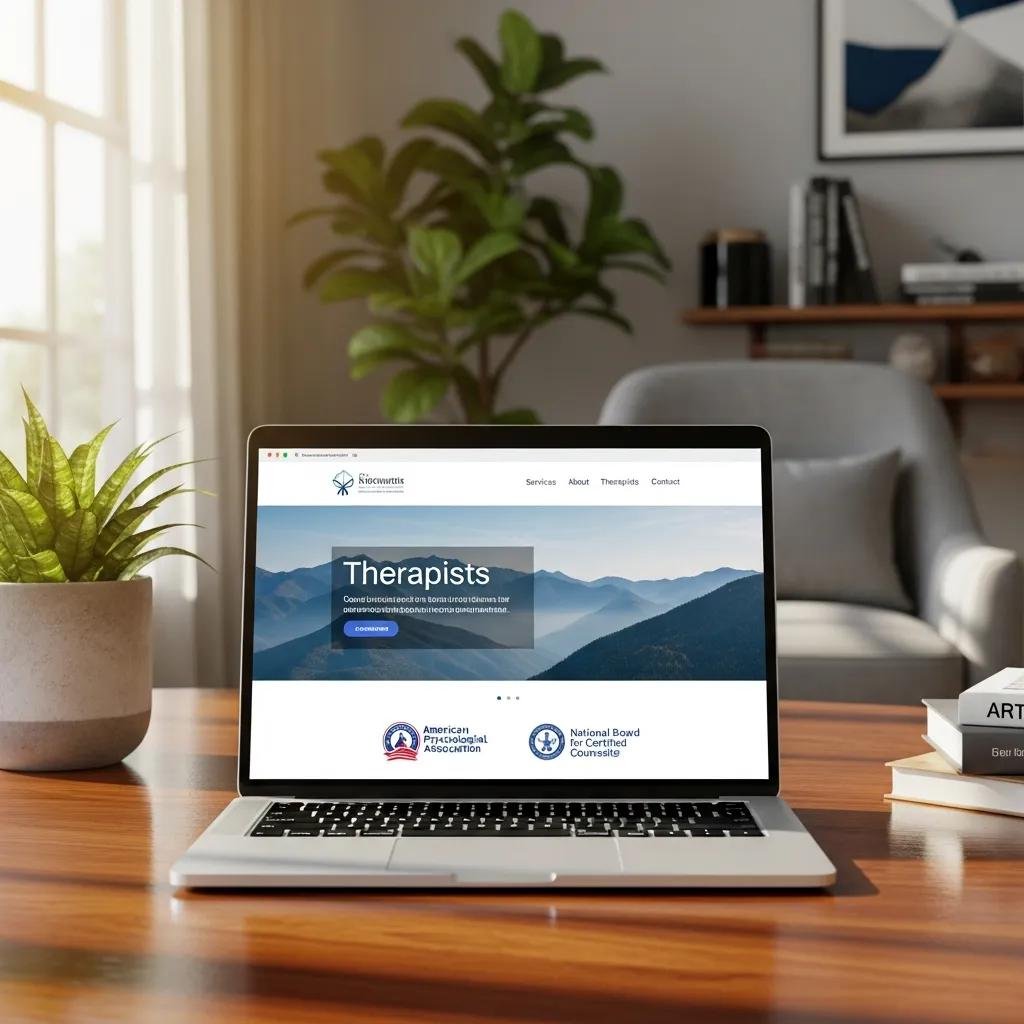
Professional memberships can greatly enhance a therapist’s website by showcasing affiliations and building credibility.
What Are Effective Ways to Showcase Professional Affiliations Online?
Displaying professional affiliations on a therapist’s website can be done effectively through several methods:
- Using Badges and Logos: Incorporating the logos of professional organizations on the website can immediately convey credibility to potential clients.
- Highlighting Membership Benefits: Creating a dedicated section that outlines the benefits of membership can inform clients about the therapist’s commitment to professional development.
- Creating Dedicated Sections for Affiliations: A dedicated page for professional affiliations can enhance the website’s authority and provide additional information for clients.
These strategies not only enhance the website’s appearance but also build trust with potential clients.
How Does Displaying Credentials Build Client Trust and Referrals?
Displaying credentials and professional memberships on a therapist’s website can significantly impact client perceptions.
- Client Trust Factors: Clients are more likely to trust therapists who display their professional affiliations and credentials prominently.
- Referral Generation: A well-presented website that showcases professional memberships can lead to increased referrals from satisfied clients and colleagues.
- Professional Credibility: By highlighting memberships, therapists can position themselves as credible and knowledgeable professionals in their field.
This approach can lead to a stronger online presence and increased client engagement.
Therapist Website Design Examples Highlighting Professional Organization Memberships
Effective website design can reflect a therapist’s professional affiliations and enhance their online presence.
What Website Features Best Reflect ACA and APA Memberships?
Websites that effectively showcase memberships in organizations like the ACA and APA often include specific features:
- Membership Badges: Displaying badges from these organizations can enhance credibility and trust.
- Ethical Statements: Including statements about adherence to ethical guidelines can reassure clients about the therapist’s professionalism.
- Client Testimonials: Featuring testimonials that mention the therapist’s professional affiliations can further build trust.
These features can create a professional and trustworthy online presence.
How Do Design Styles Vary for Coaches and Specialty Therapists?
The design styles of websites for coaches and specialty therapists can vary significantly based on their target audience.
- Design Preferences for Coaches: Coaching websites often emphasize a clean, motivational design that reflects the coaching process and client empowerment.
- Specialty Therapist Design Trends: Specialty therapists may opt for designs that reflect their specific focus, such as family therapy or addiction counseling, incorporating relevant imagery and colors.
- User Experience Considerations: Regardless of the style, all websites should prioritize user experience, ensuring easy navigation and accessibility for potential clients.
These design considerations can enhance the effectiveness of a therapist’s online presence.
How to Choose the Right Professional Organization for Your Therapy Practice
Selecting the right professional organization is crucial for therapists looking to enhance their practice.
What Factors Should Influence Your Selection of a Professional Association?
When choosing a professional association, therapists should consider several factors:
- Specialty Alignment: Ensure the organization aligns with your specific area of practice, whether it’s counseling, psychology, or coaching.
- Career Stage Considerations: Consider whether the organization offers resources and support that match your career stage, from student to seasoned professional.
- Location Relevance: Some organizations may have a stronger presence or offer more resources in certain geographic areas.
These factors can help therapists make informed decisions about their professional affiliations.
How Do Career Stage, Specialty, and Location Affect Your Choice?
The choice of professional organization can be influenced by a therapist’s career stage, specialty, and location.
- Entry-Level vs. Experienced Professionals: New therapists may benefit from organizations that offer mentorship and training, while experienced professionals might seek associations that provide advanced resources.
- Specialty-Specific Organizations: Therapists should consider organizations that cater specifically to their area of expertise, ensuring they receive relevant support.
- Regional Organizations: Local organizations may offer networking opportunities and resources tailored to the specific needs of therapists in that area.
Understanding these factors can guide therapists in selecting the most beneficial professional organization for their practice.
This table highlights the diverse focus areas and membership benefits of key professional organizations, helping therapists make informed decisions about their affiliations.
Joining professional organizations is a strategic move for therapists looking to enhance their practice and online presence. By leveraging the resources, networking opportunities, and credibility that these associations provide, therapists can significantly improve their professional standing and client engagement.