Inspiring Therapist Website Examples for Your Practice
Inspiring Therapist Website Examples: Essential Designs & Features
In the digital age, a well-designed therapist website is crucial for attracting and retaining clients. This article explores inspiring therapist website examples that showcase effective design and features tailored for mental health professionals. Readers will learn about the latest design trends, essential features for functionality, and how these elements can enhance user experience and conversion rates. Many therapists struggle with creating an online presence that reflects their practice’s values and engages potential clients. By examining successful website designs, we can identify strategies that foster trust and encourage client engagement. This guide will cover the best therapist website designs for 2024, essential features for mental health websites, design principles that improve user experience, and the importance of mobile responsiveness.
What Are the Best Therapist Website Designs for 2024?
The best therapist website designs for 2024 reflect current trends that prioritize user experience, aesthetics, and functionality. As mental health professionals increasingly rely on their online presence, understanding these design trends is essential for creating an impactful website.
Which Design Trends Define Top Therapist Websites in 2024?
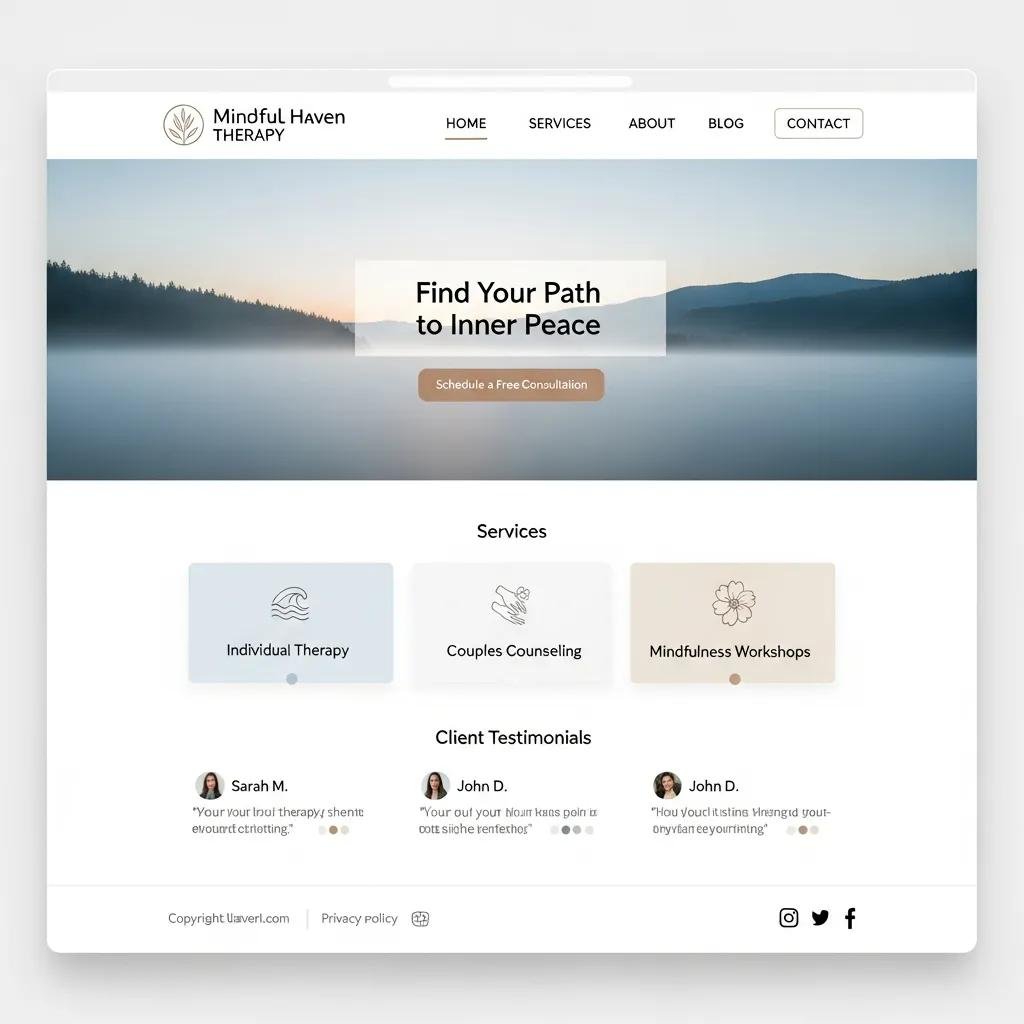
In 2024, top therapist websites are characterized by several key design trends:
- Minimalist Layouts: Clean, uncluttered designs that focus on essential information help users navigate easily.
- Interactive Elements: Features like chatbots and interactive questionnaires engage visitors and provide immediate assistance.
- Personalized Content: Tailored content that addresses specific client needs fosters a sense of connection and relevance.
These trends not only enhance the visual appeal of therapist websites but also improve user engagement and satisfaction.
How Do Calm Aesthetics and Soothing Color Palettes Enhance Client Trust?
Calm aesthetics and soothing color palettes play a significant role in enhancing client trust. Research in color psychology indicates that:
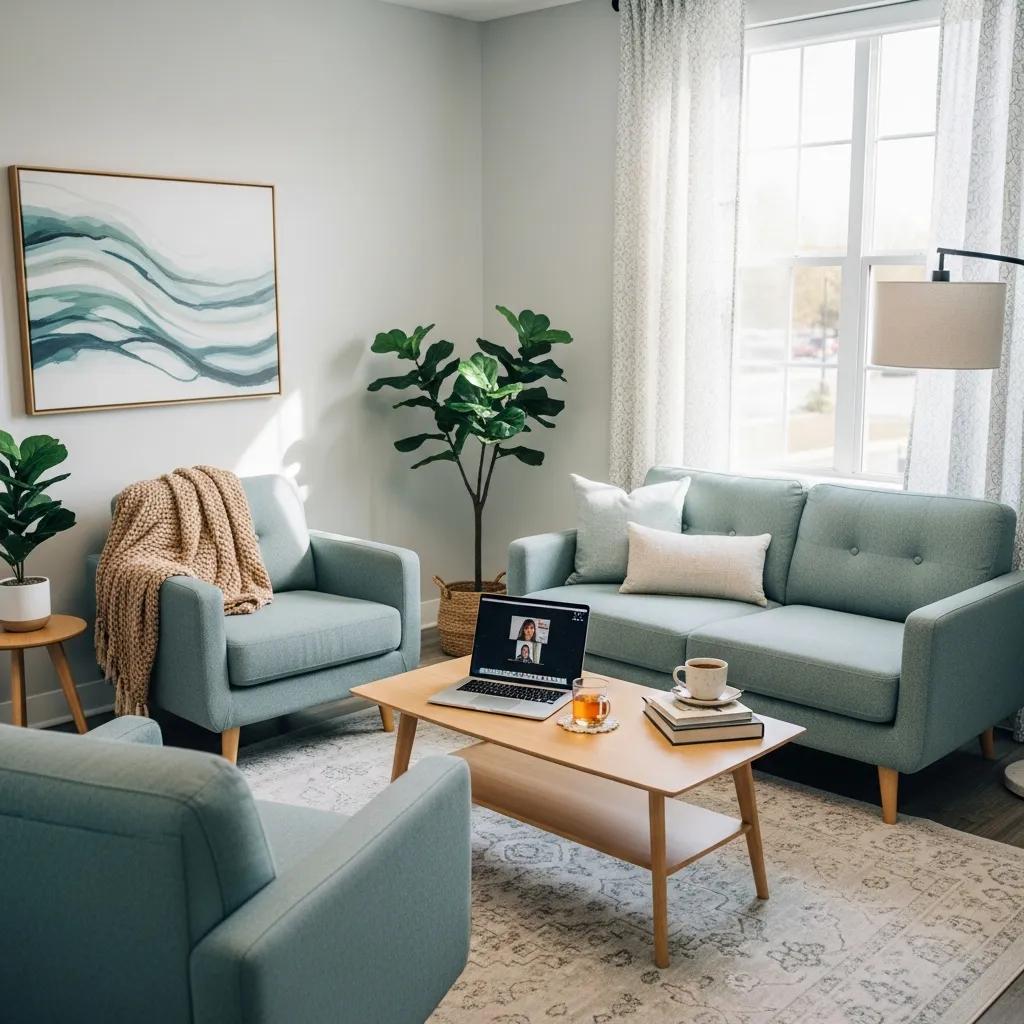
- Soft Blues and Greens: These colors evoke feelings of tranquility and safety, making clients feel more at ease.
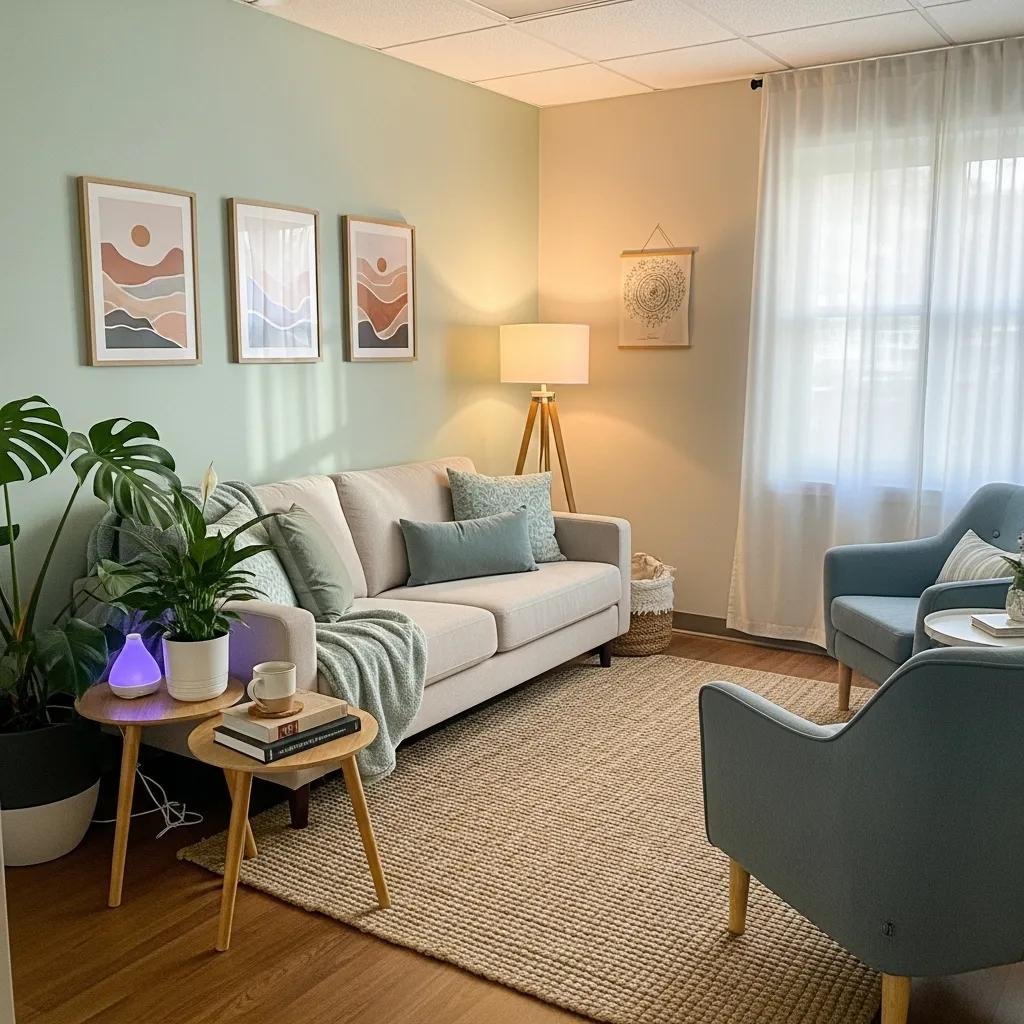
- Warm Neutrals: Earthy tones create a welcoming atmosphere, encouraging potential clients to explore the website further.
By incorporating these design elements, therapists can create a comforting online environment that resonates with clients seeking support.
Indeed, the visual appeal and functionality of a website are paramount in building initial trust with potential clients.
Web Design Psychology: Building Client Trust
of a website itself is a crucial element in establishing trust since 94% of users do not trust poorly
The psychology behind web design, 2016
What Essential Features Should a Mental Health Website Include?
A well-designed mental health website should include several essential features that enhance functionality and user experience. These features not only improve client engagement but also ensure compliance with industry standards.
How Do Online Booking Systems and HIPAA Compliance Support Client Convenience and Security?
Online booking systems streamline the appointment scheduling process, allowing clients to book sessions at their convenience. Additionally, ensuring HIPAA compliance protects sensitive client information, fostering trust and security. Features such as encrypted communication and secure payment processing are vital for maintaining confidentiality and meeting legal requirements.
Why Are Clear Calls-to-Action and Educational Content Crucial for Client Engagement?
Clear calls-to-action (CTAs) guide visitors toward desired actions, such as scheduling an appointment or signing up for a newsletter. Educational content, such as blog posts and resources, establishes the therapist’s expertise and provides valuable information to potential clients. Together, these elements enhance engagement and encourage visitors to take the next step in their mental health journey.
How Can Therapy Website Design Principles Improve User Experience and Conversion?
Effective therapy website design principles significantly enhance user experience and conversion rates. By focusing on intuitive navigation and authentic imagery, therapists can create a more engaging online presence.
What Role Does Intuitive Navigation Play in Enhancing Accessibility?
Intuitive navigation is crucial for enhancing accessibility on therapist websites. A well-structured menu allows users to find information quickly, reducing frustration and improving overall satisfaction. Key elements of intuitive navigation include:
- Clear Labels: Descriptive menu items help users understand where to find specific information.
- Consistent Layout: Maintaining a consistent layout across pages ensures users can navigate seamlessly.
These design principles contribute to a positive user experience, ultimately leading to higher conversion rates.
How Does Authentic Photography Build Professionalism and Trust?
Authentic photography, featuring real therapists and genuine interactions, builds professionalism and trust.
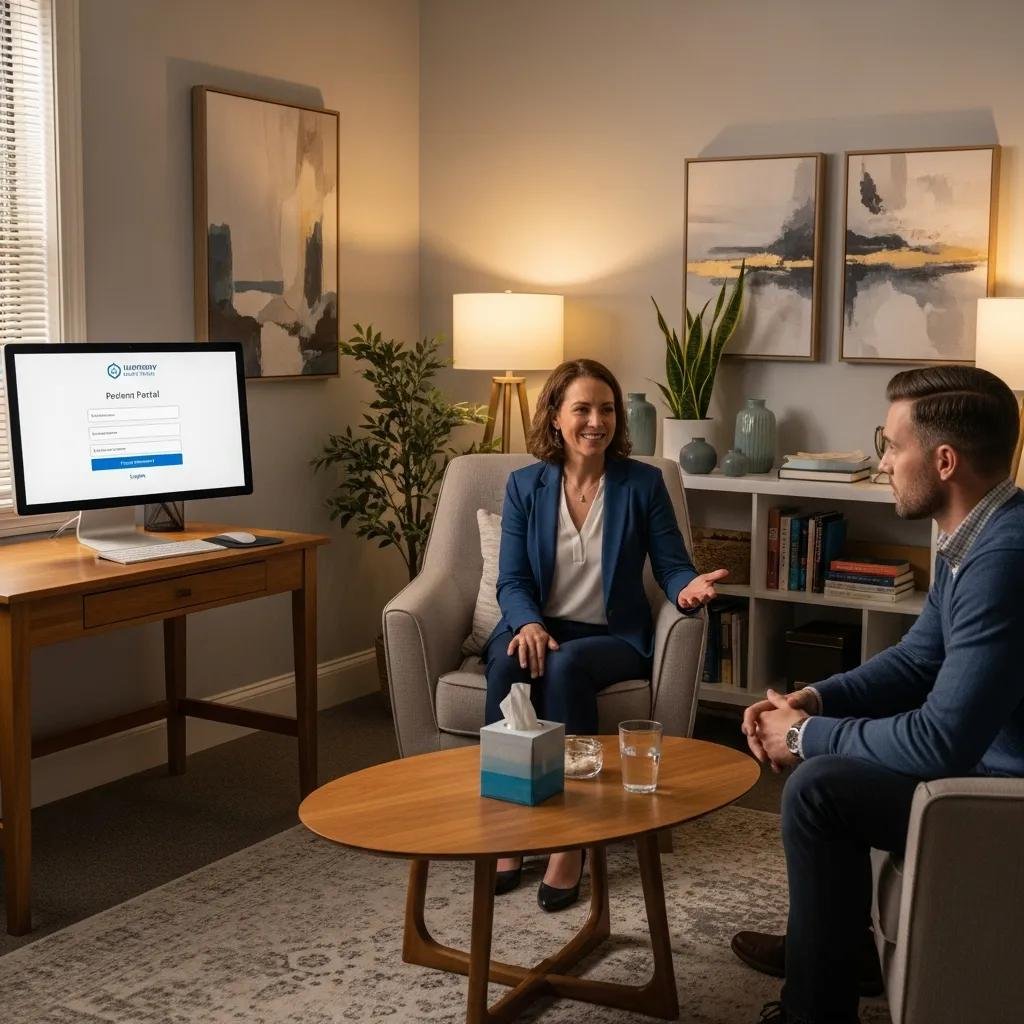
High-quality images that reflect the therapist’s practice environment create a relatable and inviting atmosphere. Clients are more likely to engage with a therapist who appears approachable and genuine, making authentic imagery a vital component of effective website design.
Which Inspiring Therapist Website Examples Showcase Effective Design and Features?
Examining successful therapist websites can provide valuable insights into effective design and features. These examples highlight how various elements come together to create a compelling online presence.
What Can We Learn from Couples Counseling and Trauma Therapy Website Examples?
Couples counseling and trauma therapy websites often emphasize empathy and understanding through their design. Key takeaways include:
- Client-Centric Messaging: Language that speaks directly to the client’s experience fosters connection.
- Resource Availability: Providing access to articles, videos, and tools helps clients feel supported even before they reach out.
These strategies demonstrate how effective design can enhance the therapeutic relationship from the very first interaction.
How Do Coaching Websites Differ in Design and Client Messaging?
Coaching websites typically adopt a more dynamic and motivational tone compared to traditional therapy sites. They often feature:
- Bold Visuals: Eye-catching images and graphics that inspire action.
- Success Stories: Testimonials and case studies that showcase the effectiveness of coaching services.
By understanding these differences, therapists can adapt their messaging and design to better resonate with their target audience.
Why Is Mobile Responsiveness Vital for Therapist Websites in 2024?
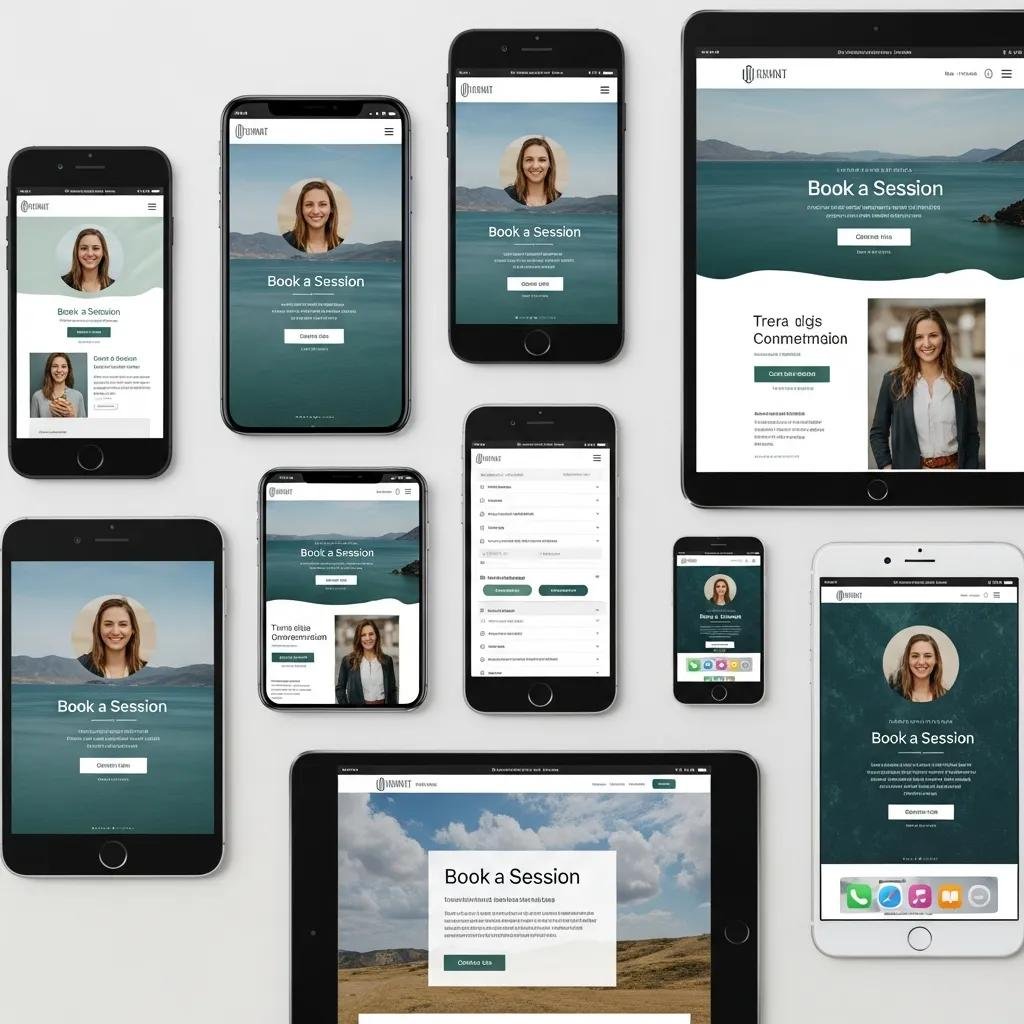
In 2024, mobile responsiveness is essential for therapist websites due to the increasing use of smartphones for online browsing. A mobile-friendly design ensures that clients can access information and services seamlessly, regardless of their device.
How Does Mobile-First Design Enhance Accessibility and Client Experience?
Mobile-first design prioritizes the mobile user experience, ensuring that websites are optimized for smaller screens. This approach enhances accessibility by:
- Streamlining Content: Simplifying layouts and reducing clutter for easier navigation.
- Improving Load Times: Optimizing images and scripts to ensure fast loading on mobile devices.
These enhancements lead to a more satisfying client experience, encouraging users to engage with the website.
Further emphasizing this point, research highlights the comprehensive benefits of adopting a mobile-first strategy for online platforms.
Mobile-First Design for Engaging Therapist Websites
This paper explores integrating mobile-first approaches in online education, focusing on the principles of mobile-first design, challenges and considerations in implementation, strategies for successful adoption, the importance of accessibility and inclusivity, and the evaluation of mobile learning initiatives. By examining the unique affordances and constraints of mobile devices, this paper highlights the significance of creating responsive, intuitive, and engaging learning experiences that cater to the needs and preferences of mobile learners.
Implementing Mobile-first strategies in online education, 2024
What Are Best Practices for Mobile-Friendly Therapist Website Layouts?
Best practices for mobile-friendly therapist website layouts include:
- Responsive Design: Ensuring the website adapts to various screen sizes and orientations.
- Touch-Friendly Elements: Designing buttons and links that are easy to tap on mobile devices.
- Minimalist Approach: Reducing unnecessary elements to focus on essential content.
Implementing these practices can significantly improve user experience and client satisfaction.
How Do Custom Therapist Website Designs Compare to Templates?
When considering website design, therapists often face the choice between custom designs and templates. Each option has its advantages and disadvantages, impacting the overall effectiveness of the website.
What Are the Pros and Cons of Therapist Website Templates?
Therapist website templates offer several benefits, including:
- Cost-Effectiveness: Templates are generally more affordable than custom designs.
- Quick Setup: Pre-designed layouts allow for faster website launches.
However, templates may lack the unique branding and personalization that custom designs provide, potentially making it harder to stand out in a competitive market.
How Can Custom Designs Better Reflect Your Practice’s Unique Brand and Needs?
Custom designs can better reflect a practice’s unique brand and needs by allowing for tailored features and aesthetics. This personalized approach ensures that the website aligns with the therapist’s vision and enhances their online presence. Custom designs also offer greater flexibility for future updates and changes, making them a worthwhile investment for long-term success.
This comparison highlights the trade-offs between custom and template designs, helping therapists make informed decisions about their website strategy.