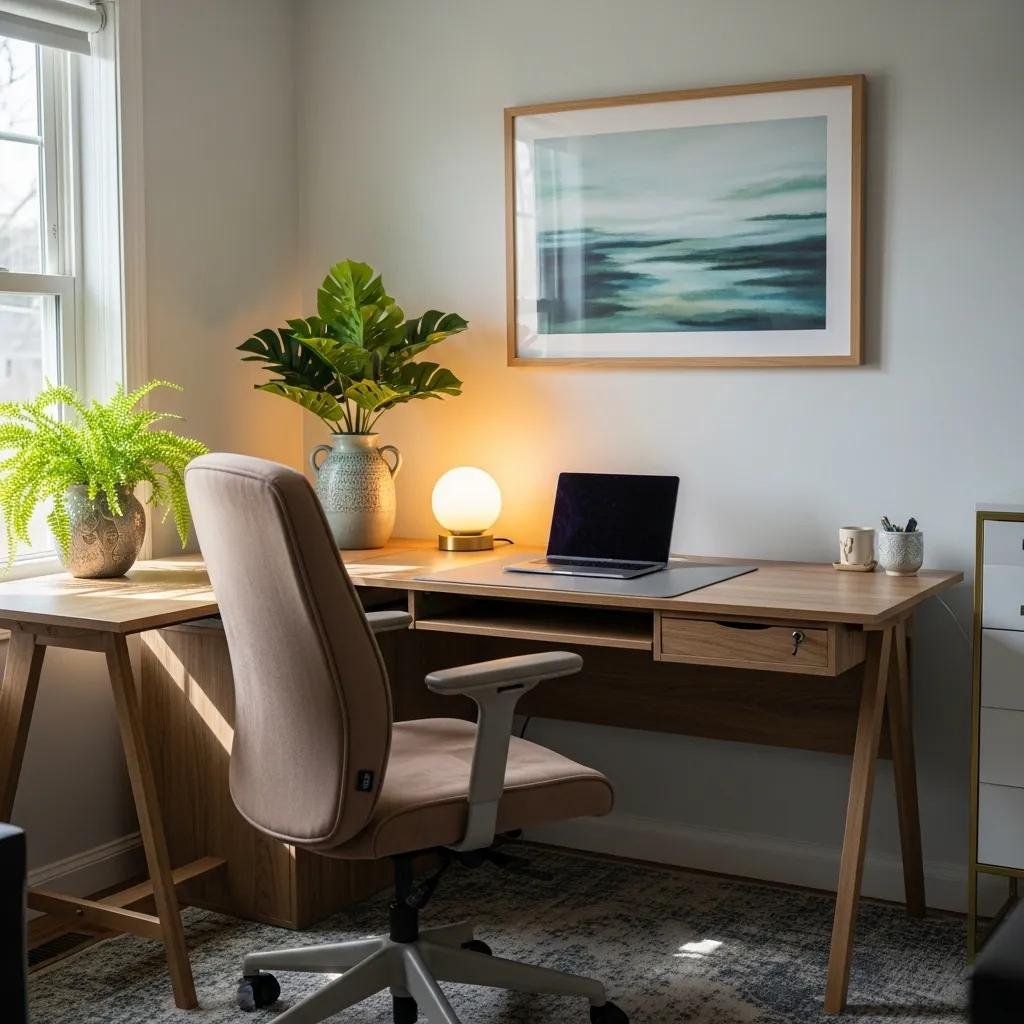
Ideal Workspace Design for Your Home Office Therapist Setup
Home Therapy Office Design: Create Your Ideal Practice Space
Creating an ideal home office for your therapy practice is crucial for fostering a professional environment that promotes healing and comfort. A well-designed workspace not only enhances your productivity but also significantly impacts the therapeutic experience for your clients. In this article, you will learn how to ensure privacy and confidentiality, select essential office elements, integrate technology, and address legal considerations in your home office setup. Additionally, we will explore how to bridge your physical office with your online presence, ensuring a cohesive professional image. By the end of this guide, you will have a comprehensive understanding of how to create a functional and inviting therapy space that meets both your needs and those of your clients.
Understanding the broader context of home-based therapy, a study provides valuable insights into the experiences and attitudes of practitioners in this unique setting.
Insights into Home-Based Therapy Practice
This article reports on the findings from a study that assessed the attitudes and practice experiences of home-based therapists. Existing research in the field of couple and family therapy encompasses largely qualitative information detailing the experiences of this therapist population. We explored several hypotheses generated from the qualitative literature on home-based therapy. Study results corroborated much of the qualitative data on home-based therapists’ experiences and reveal the profile of today’s home-based therapists along with their attitudes and therapeutic practices. A surprising result was that various aspects of home-based therapy models seem incongruent with therapist attitudes about the delivery of home-based services.
A survey of the attitudes and practice experiences of home-based practitioners, AJ Blow, 2010
How Can You Ensure Privacy and Confidentiality in Your Therapist Home Office?
Ensuring privacy and confidentiality in your therapist home office is paramount for maintaining client trust and adhering to ethical standards. A dedicated workspace that minimizes distractions and protects sensitive information is essential. Implementing effective soundproofing solutions and establishing confidentiality protocols are key components in creating a secure environment for therapy sessions.
What Are Effective Soundproofing Solutions for Confidential Therapy Sessions?
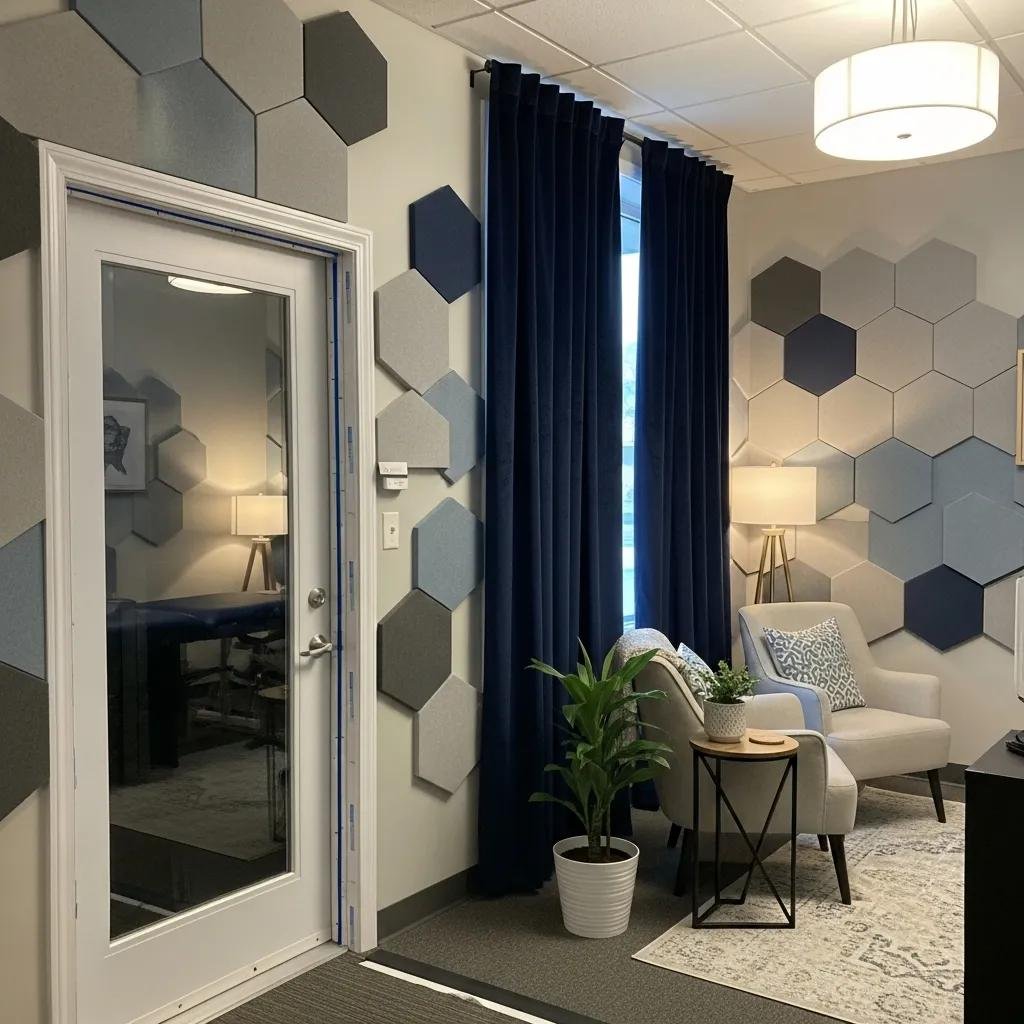
Soundproofing is vital in a therapy setting to prevent external noise from disrupting sessions and to protect client confidentiality. Here are some effective soundproofing solutions:
- Acoustic Panels: Installing acoustic panels on walls can absorb sound and reduce echo, creating a quieter environment.
- Weatherstripping: Sealing gaps around doors and windows with weatherstripping can prevent sound leakage.
- Heavy Curtains: Using heavy drapes can block outside noise and add an element of privacy to your office.
These soundproofing measures help create a serene atmosphere conducive to therapy, allowing clients to feel safe and secure during their sessions.
How to Establish Confidentiality Protocols in a Home-Based Therapy Space?
Establishing confidentiality protocols is essential for protecting client information in a home-based therapy space. Here are some best practices:
- Client Consent Forms: Ensure that clients sign consent forms that outline how their information will be used and stored.
- Secure Storage: Use locked filing cabinets for physical records and encrypted digital storage for electronic files to safeguard sensitive information.
- Clear Communication: Inform clients about your confidentiality policies and the measures you take to protect their privacy.
By implementing these protocols, you can foster a trusting relationship with your clients while ensuring compliance with legal and ethical standards.
What Are the Key Elements of Professional Therapist Office Essentials?
Creating a professional therapist office requires careful consideration of essential elements that enhance comfort and functionality. The right furniture, layout, and decor can significantly influence the therapeutic atmosphere and client experience.
Which Furniture and Layout Optimize Comfort and Functionality?
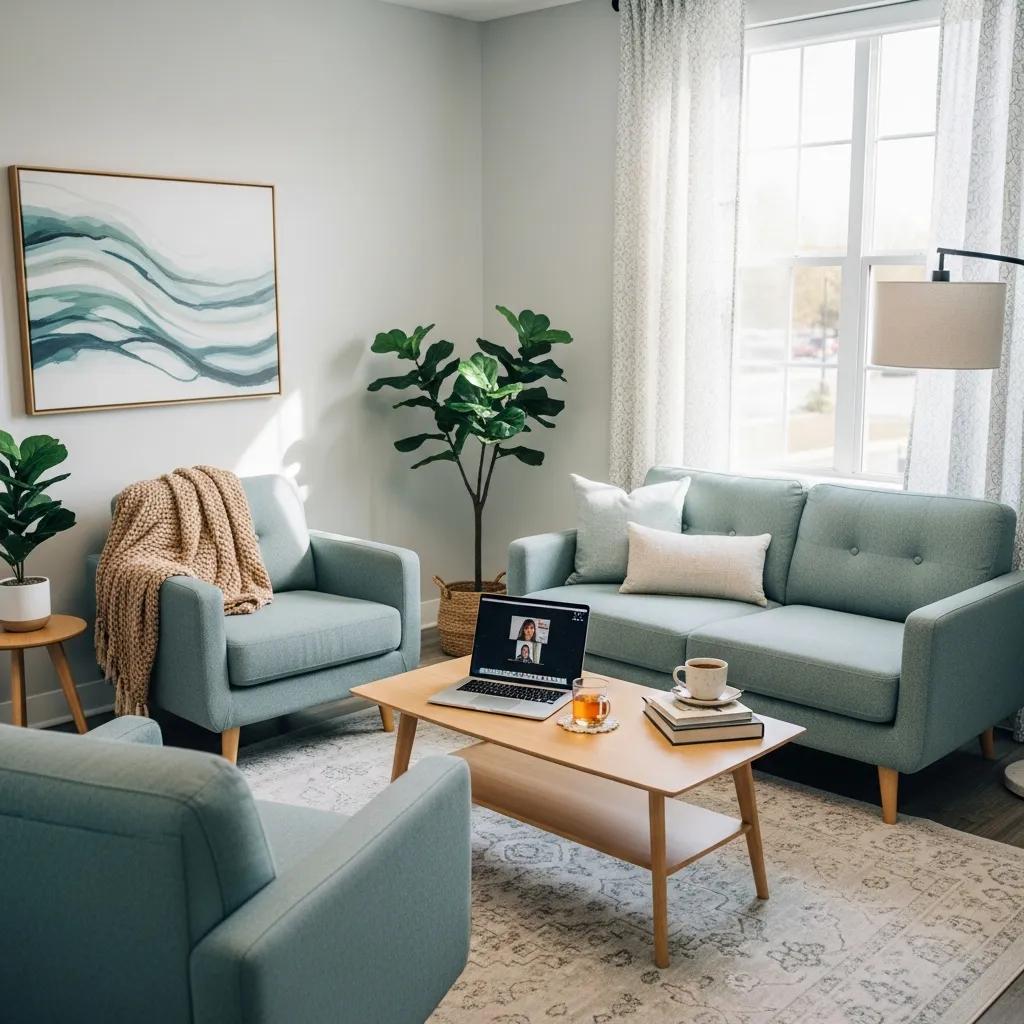
Selecting the right furniture and layout is crucial for creating a comfortable and functional therapy space. Consider the following:
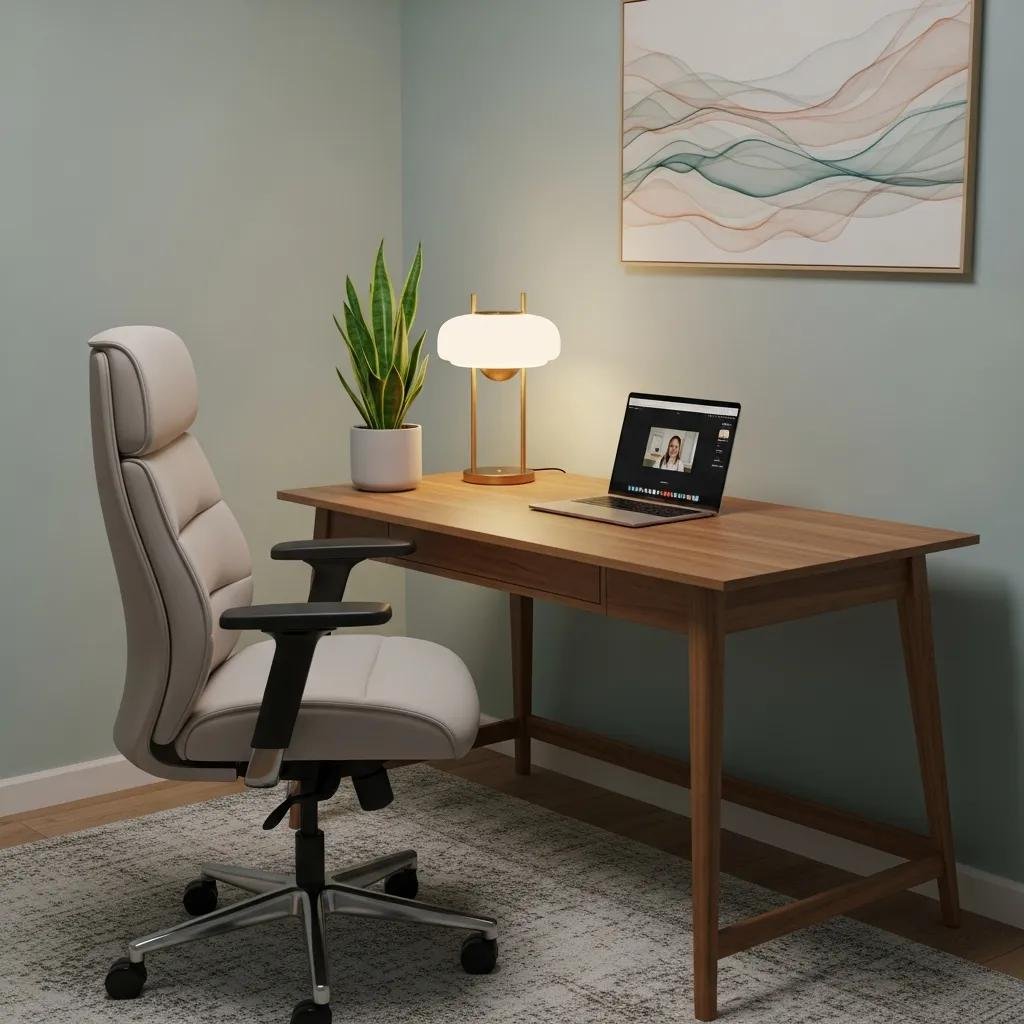
- Ergonomic Chairs: Invest in ergonomic chairs that provide support for both you and your clients during sessions.
- Flexible Layout: Arrange furniture to allow for easy movement and interaction, ensuring that the space feels open and inviting.
- Multi-Functional Pieces: Use furniture that serves multiple purposes, such as a coffee table that can also be used for art therapy activities.
These choices not only enhance the aesthetic appeal of your office but also contribute to a more effective therapeutic environment.
Further emphasizing the importance of thoughtful design, research highlights how architectural acoustics and ergonomics are crucial for creating a safe and humane work environment in contemporary offices.
Ergonomic & Acoustic Design for Therapy Home Offices
Properly designed architecture and acoustics is one of the crucial aspects in contemporary ergonomic offices, which should state a safe and humane work environment, experienced by employees and employers on daily basis. Strictly connected to formal, functional and material architectural solutions, sound field perimeters are becoming one of the main aspects of currently formulated norms and standards, which are especially dedicated to specific types of these work places. However the subject is yet broader and considers not only large scale open areas, but also cell-offices, combined solutions, active (mobile) layouts, etc. Thus, this article was devoted to study on shaping architectural acoustic of contemporary office in respect of ergonomics.
Ergonomics of architectural-acoustic solutions in contemporary offices, J Jablonska, 2020
How Does Lighting and Decor Influence Client Comfort and Atmosphere?
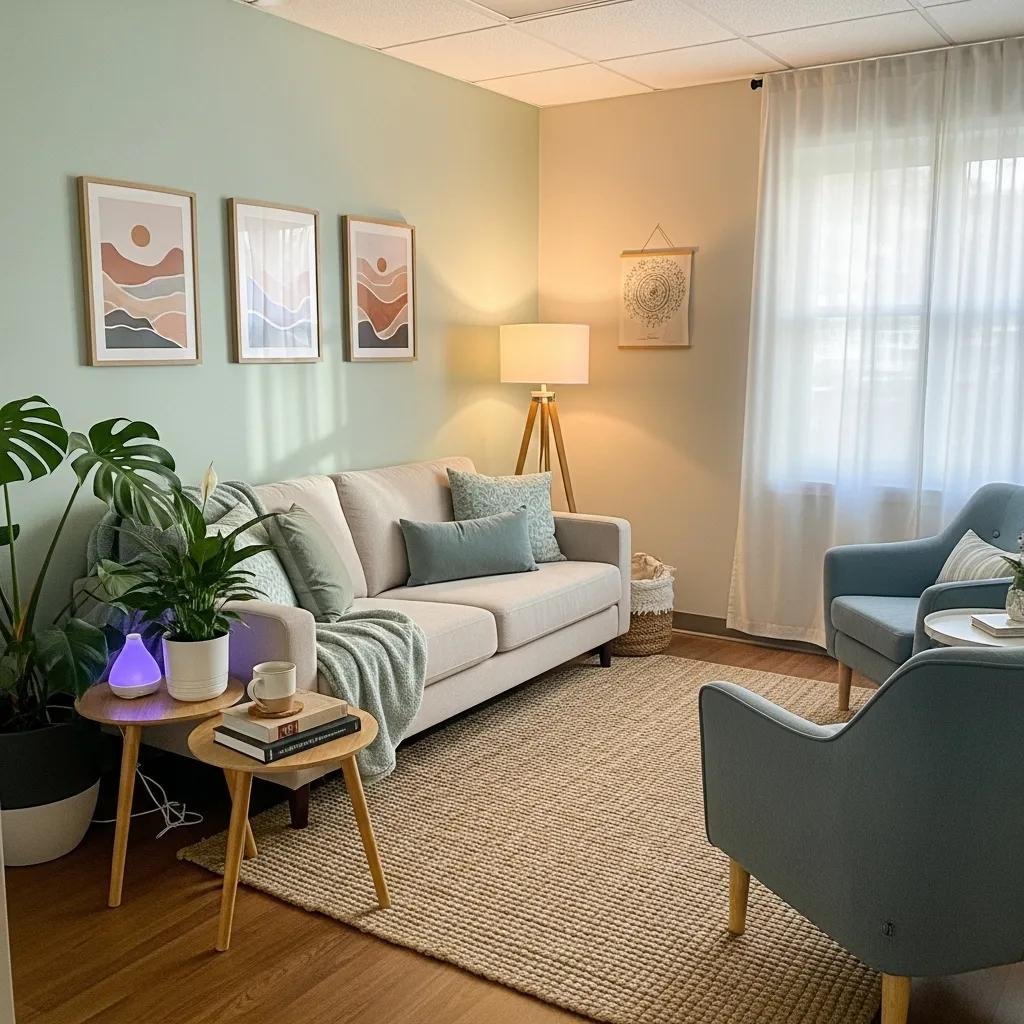
Lighting and decor play a significant role in shaping the atmosphere of your therapy office. Here are some considerations:
- Natural Light: Maximize natural light by positioning your desk near windows, which can improve mood and create a welcoming environment.
- Soft Lighting: Use soft, adjustable lighting to create a calming ambiance that helps clients feel relaxed.
- Personal Touches: Incorporate decor that reflects your personality and therapeutic style, such as artwork or plants, to make the space feel more inviting.
By thoughtfully selecting lighting and decor, you can create a warm and comforting atmosphere that enhances the therapeutic experience.
How Do You Integrate Technology and Telehealth Tools in Your Private Practice Workspace Setup?
Integrating technology and telehealth tools into your private practice workspace is essential for modern therapy practices. This integration allows for seamless communication and enhances the overall client experience.
What Are HIPAA-Compliant Platforms and Equipment for Virtual Therapy?
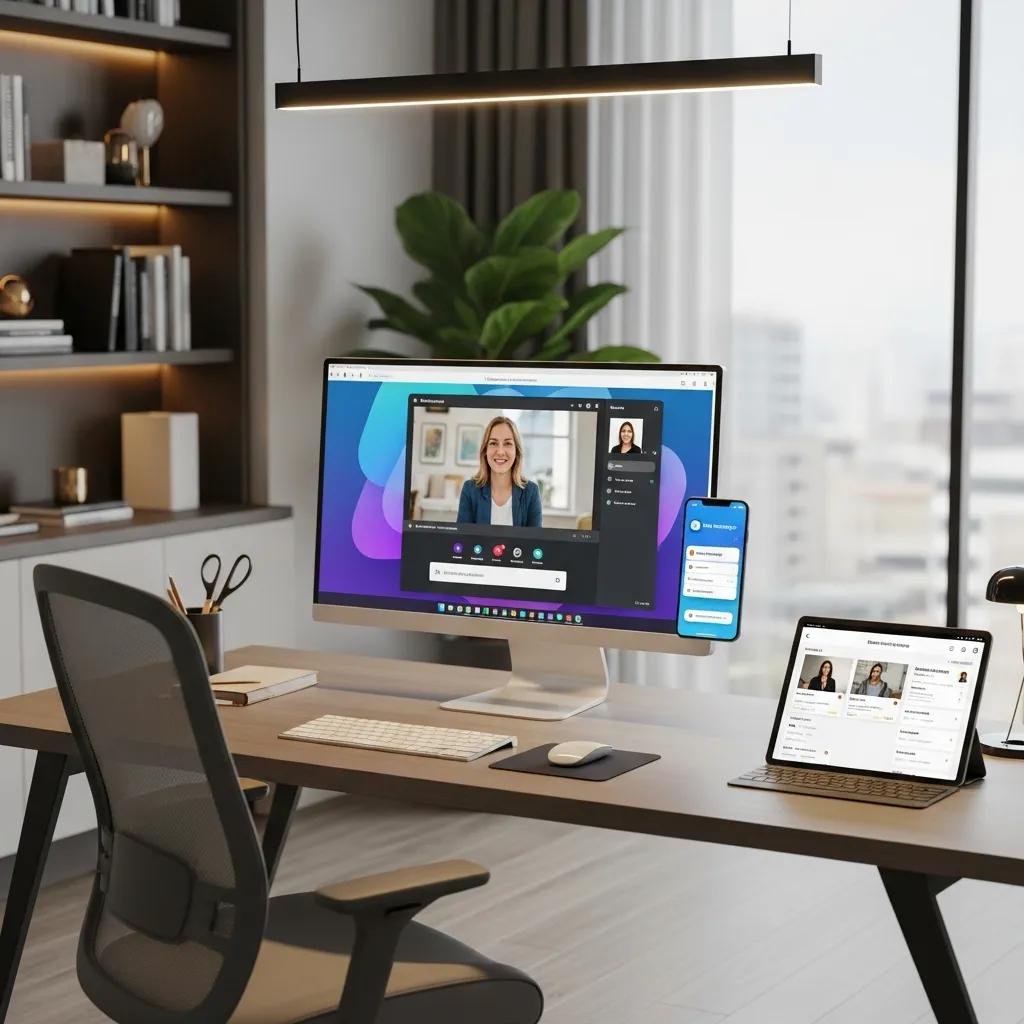
When conducting virtual therapy sessions, it is crucial to use HIPAA-compliant platforms to protect client information. Consider the following tools:
- Telehealth Software: Platforms like Doxy.me, SimplePractice, and TheraNest offer secure video conferencing options that comply with HIPAA regulations.
- Secure Messaging: Use encrypted messaging services for communication with clients to ensure confidentiality.
- Digital Record Keeping: Implement electronic health record (EHR) systems that are HIPAA-compliant for managing client information securely.
These tools not only protect client data but also facilitate effective communication and service delivery in a virtual setting.
Indeed, the availability of numerous HIPAA-compliant telehealth platforms underscores the industry’s commitment to secure and confidential virtual care.
Ensuring HIPAA Compliance for Telehealth Therapy
, many HIPAA-compliant telehealth platforms exist and are that all their electronic platforms are HIPAA-compliant, but small of those plans will likely choose the method with the lowest
HIPAA, Telehealth, and the Treatment of Mental Illness in a post-COVID World, 2021
Which Digital Tools Enhance Efficiency in a Home Therapy Office?
In addition to telehealth platforms, various digital tools can enhance efficiency in your home therapy office. Here are some recommendations:
- Scheduling Software: Tools like Calendly, Acuity Scheduling, or SimplePractice can streamline appointment bookings and reduce administrative tasks.
- Client Management Systems: Use client management software to track progress notes, treatment plans, and billing in one place.
- Task Management Apps: Applications like Trello or Asana can help you organize tasks and manage your workflow effectively.
By leveraging these digital tools, you can optimize your practice’s efficiency and focus more on providing quality care to your clients.
What Legal and Ethical Considerations Must Be Addressed in a Home Therapy Office?
Operating a home therapy office involves navigating various legal and ethical considerations to ensure compliance and protect client welfare. Understanding these aspects is crucial for maintaining a professional practice.
How to Maintain HIPAA Compliance in a Home Setting?
Maintaining HIPAA compliance in a home setting requires implementing specific measures to protect client information. Here are some strategies:
- Secure Access: Limit access to your home office to authorized individuals only, ensuring that client information remains confidential.
- Data Encryption: Use encryption for electronic communications and data storage to safeguard sensitive information.
- Regular Training: Stay informed about HIPAA regulations and participate in training to ensure compliance in your practice.
By prioritizing HIPAA compliance, you can protect your clients’ privacy and uphold ethical standards in your therapy practice.
What Are the Emergency Protocols and Safety Planning Essentials?
Establishing emergency protocols and safety planning is essential for ensuring a secure environment in your home therapy office. Consider the following essentials:
- Emergency Contacts: Maintain a list of emergency contacts, including local authorities and mental health crisis lines, readily available in your office.
- Safety Drills: Conduct regular safety drills to prepare for potential emergencies, such as fire or medical situations.
- Client Safety Plans: Develop safety plans for clients who may be at risk, outlining steps to take in case of a crisis.
These protocols not only enhance safety but also demonstrate your commitment to client welfare and professional responsibility.
How Can You Bridge Your Physical Home Office with Your Online Therapy Presence?
Bridging your physical home office with your online therapy presence is essential for creating a cohesive professional image. This integration helps clients feel connected to your practice, whether they are visiting in person or online.
How Does Your Website Reflect Your Home Office’s Professionalism?
Your website serves as a digital extension of your therapy practice, reflecting the professionalism of your home office. Consider the following elements:
- Consistent Branding: Ensure that your website design aligns with the aesthetic of your home office, using similar colors and fonts.
- Professional Imagery: Use high-quality images of your office space to give potential clients a sense of what to expect during their visits.
- Clear Messaging: Communicate your therapeutic approach and services clearly on your website to attract the right clients.
By aligning your online presence with your physical office, you create a unified brand that enhances client trust and engagement.
What Website Features Support a Seamless Client Experience for Home-Based Therapists?
Incorporating specific website features can significantly enhance the client experience for home-based therapists. Here are some essential features to consider:
- Online Booking System: Implement an online booking system that allows clients to schedule appointments easily.
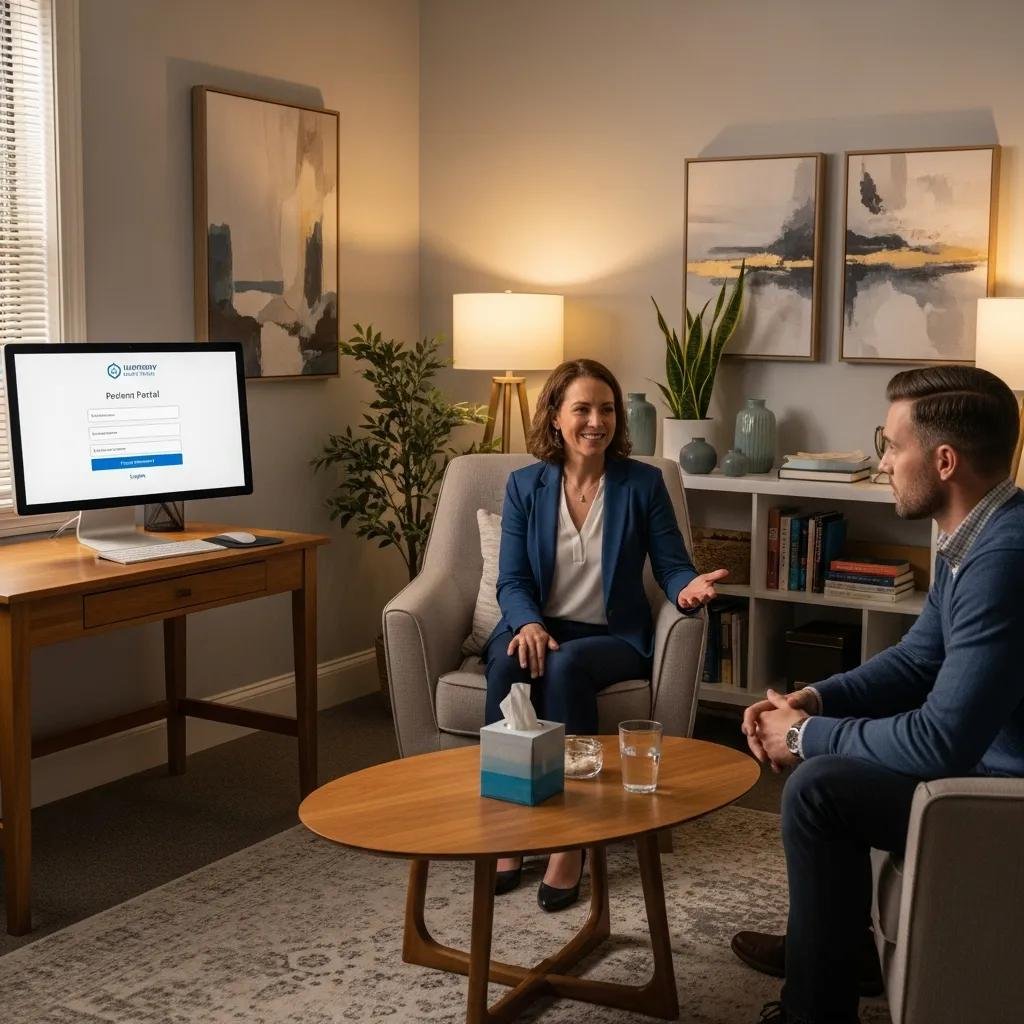
- Client Portal: Provide a secure client portal for accessing resources, forms, and session notes to streamline communication.
- Resource Library: Create a resource library with articles, worksheets, and videos that clients can access for additional support.
These features not only improve client satisfaction but also facilitate efficient practice management, allowing you to focus on providing quality care.
This table illustrates how selecting the right furniture can enhance both comfort and functionality in your therapy office, contributing to a more effective therapeutic environment.
This comparison highlights the importance of integrating technology into your home therapy office to enhance efficiency and maintain client confidentiality.
Creating an ideal home office for your therapy practice involves careful consideration of various elements, from ensuring privacy and confidentiality to integrating technology and addressing legal considerations. By following the guidelines outlined in this article, you can establish a professional and inviting workspace that supports both your practice and your clients’ needs.