Grow Your Online Presence: Social Media Tips for Therapists
Social Media Strategies for Therapists: Grow Your Reach with Effective Marketing and Content
In today’s digital landscape, therapists can leverage social media to enhance their online presence and connect with potential clients. This article explores effective social media strategies tailored for therapists, focusing on how to grow their reach and engage with their audience. By understanding the nuances of various platforms and creating compelling content, therapists can establish a strong online identity that resonates with their target demographic. Many therapists struggle with visibility and client engagement, but by implementing strategic social media practices, they can effectively address these challenges. This guide will cover the best social media platforms for therapists, engaging content ideas, ethical guidelines for marketing, measuring success, and integrating social media with professional websites.
Indeed, research highlights the growing need for clear guidance on how therapists can effectively leverage social media for client engagement and professional growth.
Effective Social Media Engagement Strategies for Therapists
Mental health providers are beginning to use social media to engage with prospective clients. However, there is a lack of guidance on how to maximize the utility of social media engagement for couple and family therapists (CFTs). This paper reviews the current literature on therapists’ professional presence on social media and younger generations’ expectations around social media competency. Recommendations for how CFTs can effectively engage with younger generations through social media are provided. A discussion of professionalism, accessibility, demonstrating aligned values, branding CFT, and gaining a reputation of cost effectiveness are emphasized.
Are we prepared? Recommendations for couple and family therapists engaging with young generations on social media, 2022
Which Social Media Platforms Are Best for Therapists to Grow Their Practice?
Selecting the right social media platforms is crucial for therapists aiming to expand their practice. Each platform offers unique features that can enhance client engagement and professional networking.
What Makes Instagram Effective for Therapist Client Engagement?
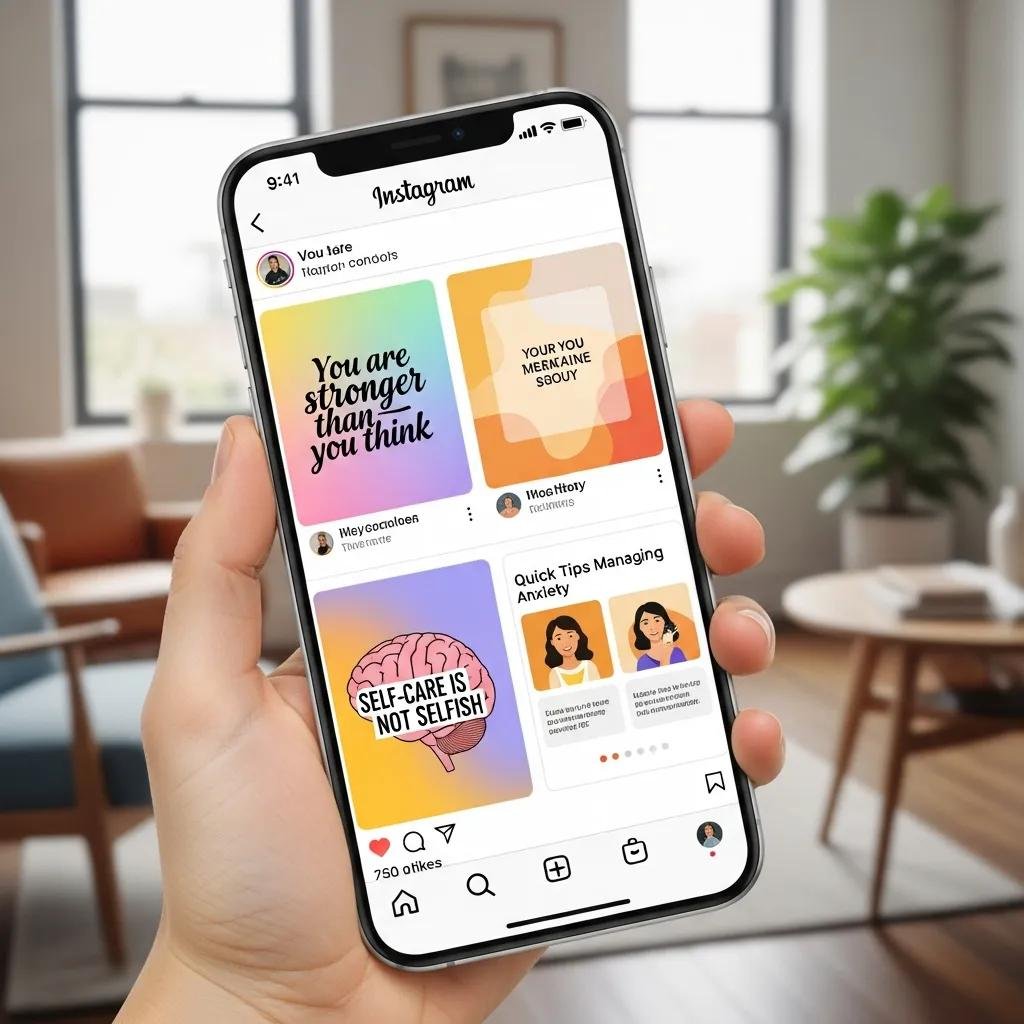
Instagram is particularly effective for therapists due to its visual nature, allowing for creative expression through images and videos. The platform’s features, such as Stories and Reels, enable therapists to share quick tips, motivational quotes, and insights into their practice. Engaging visuals can capture the attention of potential clients, making them more likely to follow and interact with the therapist’s content. Additionally, Instagram’s algorithm favors content that generates meaningful interactions, which can help therapists reach a broader audience.
How Can LinkedIn Enhance Professional Networking for Therapists?
LinkedIn serves as a powerful tool for professional networking among therapists. By optimizing their profiles and sharing relevant articles or insights, therapists can connect with other professionals in their field. This platform allows for the establishment of credibility and authority, as therapists can showcase their expertise and engage in discussions with peers. Networking on LinkedIn can lead to referrals and collaborations, ultimately benefiting their practice.
What Are Engaging Social Media Content Ideas for Therapists?
Creating engaging content is essential for maintaining an active social media presence. Therapists can utilize various content ideas to connect with their audience effectively.
How to Create Educational and Interactive Posts for Therapy Audiences?
Educational posts can significantly enhance client engagement. Therapists can create infographics, videos, or carousel posts that explain therapeutic concepts or coping strategies. Interactive content, such as polls or quizzes, encourages audience participation and fosters a sense of community. By providing valuable information, therapists can position themselves as trusted resources, attracting potential clients.
What Are Ethical Ways to Share Client Success Stories and Behind-the-Scenes Content?
Sharing client success stories can be a powerful marketing tool, but it must be done ethically. Therapists should always obtain consent and anonymize any identifying information. Behind-the-scenes content, such as a day in the life of a therapist, can humanize the practice and make therapists more relatable. This transparency can help build trust with potential clients while adhering to ethical guidelines.
How Can Therapists Use Ethical Guidelines to Navigate Social Media Marketing?

Ethical considerations are paramount for therapists using social media. Understanding and adhering to these guidelines can protect both the therapist and their clients.
What Are Best Practices for Maintaining Client Confidentiality Online?
Maintaining client confidentiality is crucial in the digital age. Therapists should avoid sharing any identifiable information about clients on social media. Best practices include using pseudonyms, obtaining explicit consent before sharing stories, and being mindful of the context in which information is shared. By prioritizing confidentiality, therapists can foster a safe environment for their clients.
Therapeia Web Design specializes in creating secure and user-friendly websites for therapists, ensuring that client confidentiality is upheld through robust design practices.
How to Set Professional Boundaries and Craft Ethical Disclaimers on Social Profiles?
Setting professional boundaries on social media is essential for maintaining a therapeutic relationship. Therapists should clearly outline their professional role and avoid engaging in personal discussions with clients online. Crafting ethical disclaimers on social profiles can help clarify the nature of the therapist-client relationship and set expectations. For instance, a disclaimer might state that social media interactions do not constitute therapy.
How Do Therapists Measure Social Media Success to Grow Their Private Practice?
Measuring social media success is vital for therapists to understand the effectiveness of their strategies. By analyzing key performance indicators (KPIs), therapists can make informed decisions about their marketing efforts.
Which Key Performance Indicators Reflect Effective Social Media Engagement?
Key performance indicators for social media engagement include likes, shares, comments, and follower growth. These metrics provide insights into how well content resonates with the audience. Additionally, tracking website traffic generated from social media can help therapists assess the impact of their online presence on practice growth.
What Tools Help Analyze and Optimize Social Media Performance for Therapists?
Several tools can assist therapists in analyzing their social media performance. Platforms like Hootsuite and Buffer offer analytics features that track engagement metrics and audience demographics. By utilizing these tools, therapists can optimize their content strategy, ensuring that they reach their target audience effectively.
Therapeia Web Design emphasizes the importance of a professional website in measuring social media success, as a well-designed site can convert social media traffic into potential clients.
How Can Therapists Integrate Social Media with Their Professional Website?
Integrating social media with a professional website can enhance a therapist’s online presence and drive traffic to their practice.
What Strategies Drive Social Media Traffic to Therapist Websites?
To drive traffic from social media to their websites, therapists can include links in their bios, share blog posts, and create compelling calls to action in their posts. Engaging content that encourages followers to visit the website for more information can significantly increase website traffic. Additionally, hosting webinars or online workshops can provide valuable content while directing participants to the therapist’s website.
How to Ensure Consistent Branding and Optimize Landing Pages for Conversions?
To ensure consistent branding and optimize landing pages for conversions, focus on the following strategies:
- Consistent Branding: Maintain uniformity in design elements such as colors, fonts, and imagery across all pages. This helps in creating a cohesive brand identity.
- Clear Messaging: Use concise and compelling copy that aligns with your brand voice. Highlight key benefits and calls to action prominently.
- User-Friendly Design: Ensure that the layout is intuitive and easy to navigate. A clean design can enhance user experience and encourage conversions.
- Optimize for Mobile: Make sure your landing pages are responsive and function well on mobile devices, as many users access websites via smartphones.
- A/B Testing: Regularly test different versions of your landing pages to see which elements perform better in terms of conversion rates.
- Fast Load Times: Optimize images and reduce unnecessary scripts to ensure your landing pages load quickly, as slow load times can deter potential clients.
- Clear Call to Action: Use strong, action-oriented language for your calls to action, making it clear what the user should do next.
- Trust Signals: Incorporate testimonials, reviews, or certifications to build credibility and trust with your audience.
By implementing these strategies, therapists can enhance their branding consistency and improve conversion rates on their landing pages.