Exploring Telehealth Future: Trends Shaping Virtual Care
Telehealth Technology Trends and Insights for Therapists and Coaches
The rapid advancement of telehealth technology is reshaping the way therapists and coaches connect with clients, offering innovative solutions that enhance accessibility and effectiveness. This article delves into the latest trends in telehealth technology, providing valuable insights for mental health professionals looking to adapt to this evolving landscape. As telehealth continues to gain traction, understanding its implications and benefits is crucial for therapists and coaches aiming to improve client engagement and outcomes. We will explore key trends such as AI and VR integration, essential website features for private practice success, seamless integration of virtual therapy platforms, security considerations, future innovations, and effective marketing strategies using SEO.
What Are the Latest Telehealth Technology Trends in 2024?
As of 2024, telehealth technology is witnessing significant advancements that are transforming the mental health landscape. These trends include the integration of artificial intelligence (AI) and virtual reality (VR) into therapy practices, enhancing the overall client experience and therapeutic outcomes.
How Is AI Transforming Virtual Therapy Platforms?

AI is revolutionizing virtual therapy platforms by providing personalized experiences for clients. Through AI-driven chatbots, therapists can offer immediate support and resources, improving client interaction. Additionally, AI algorithms analyze client data to tailor therapy sessions, ensuring that interventions are customized to individual needs. This level of personalization not only enhances engagement but also leads to improved therapeutic outcomes, making AI a vital component of modern telehealth.
Further research highlights how AI-powered analysis tools can significantly enhance diagnostic capabilities and therapeutic interventions for mental health professionals.
AI for Personalized Mental Health in Online Therapy
In advancing the field of conversational AI within the context of online therapy applications, this study meticulously documents the methods and processes integral to the research. The integration of AI-powered speech and text analysis tools can significantly enhance the diagnostic capabilities and therapeutic interventions available to mental health professionals, leading to more personalized and effective client outcomes.
Enhancing Personalized Mental Health Support Through Artificial Intelligence: Advances in Speech and Text Analysis Within Online Therapy Platforms, M Jelassi, 2024
What Role Does VR Play in Modern Mental Health Care?
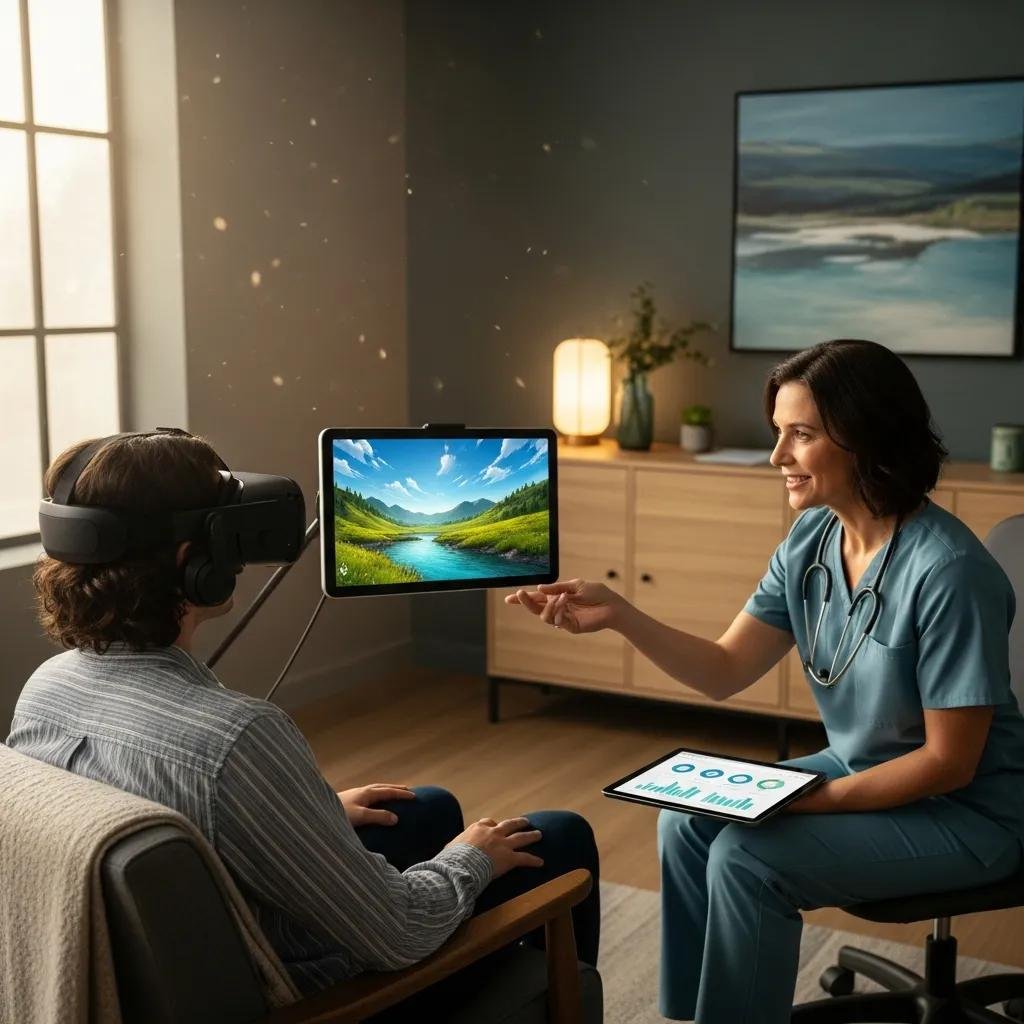
Virtual reality (VR) is increasingly being utilized in mental health care, particularly for exposure therapy. By immersing clients in controlled environments, therapists can help them confront fears and anxieties in a safe space. Case studies have shown that VR can significantly reduce symptoms of PTSD and phobias, providing clients with immersive experiences that traditional therapy cannot offer. The benefits of VR therapy extend to enhanced client feedback, as users often report feeling more engaged and motivated during sessions.
The effectiveness of VR in treating specific phobias through exposure therapy has been systematically reviewed, showing promising results.
VR Exposure Therapy: Efficacy for Phobias
The results demonstrated a positive outcome of Virtual Reality Exposure Treatment in the treatment of most phobias. In contrast, some of these treatments did not work for a few specific phobias in which the standard procedures were more effective. The findings suggest that for some specific phobias treatment, Virtual Reality Exposure Treatment does not reach thein vivoexposure level of immersion and presence.
Virtual reality exposure treatment in phobias: a systematic review, JRS Freitas, 2021
Which Essential Telehealth Website Features Support Private Practice Success?
For therapists and coaches, having a robust telehealth website is essential for practice success. Key features that enhance client interaction and streamline operations include secure client portals and integrated video conferencing tools.
How Do Secure Client Portals Enhance Therapist-Client Interaction?
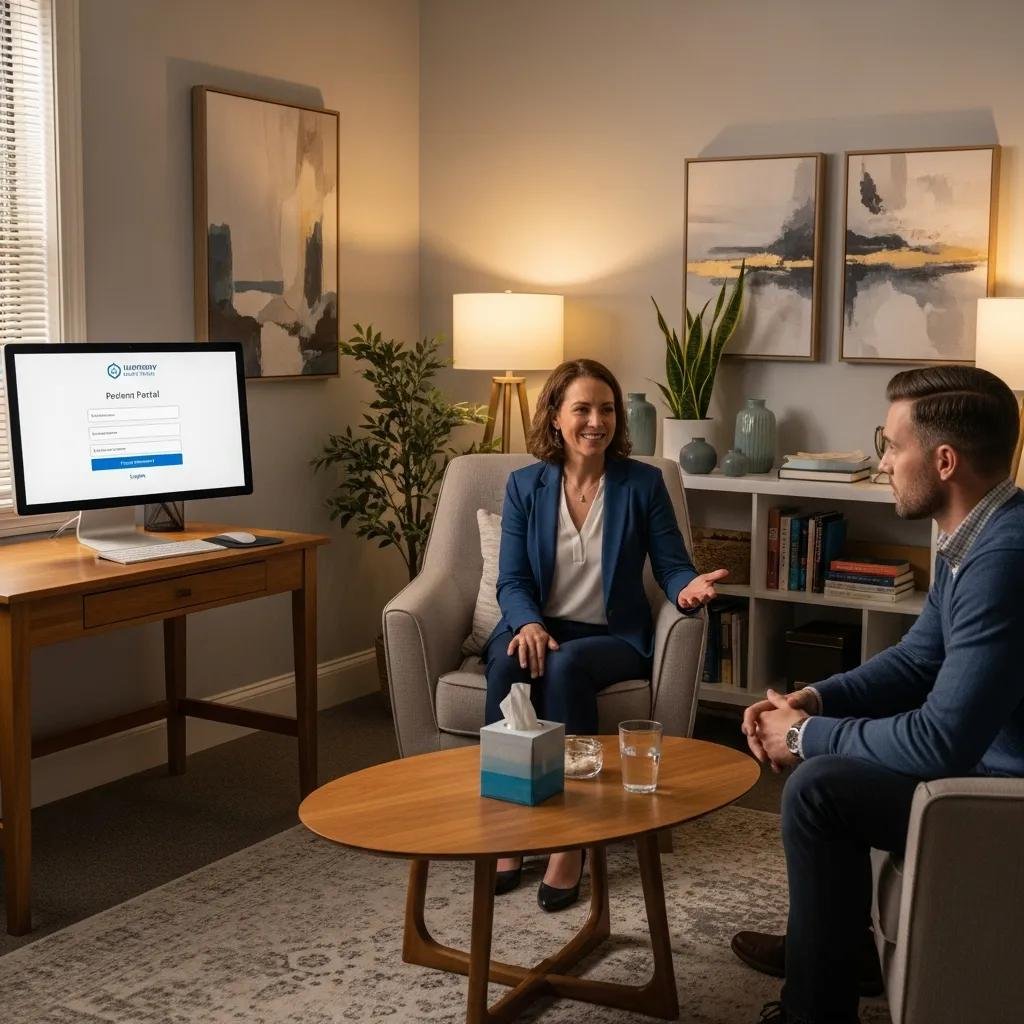
Secure client portals are crucial for maintaining confidentiality and facilitating communication between therapists and clients. These portals allow clients to access their records, schedule appointments, and communicate securely with their therapists. The ease of access and streamlined communication foster a stronger therapeutic alliance, ultimately enhancing the client experience.
Why Is Integrated Video Conferencing Crucial for Virtual Therapy?
Integrated video conferencing tools are vital for effective virtual therapy sessions. High-quality video and audio capabilities ensure that therapists can communicate clearly with clients, minimizing technical disruptions. Additionally, user-friendly interfaces and integration with scheduling tools enhance the overall experience, making it easier for clients to engage in therapy without unnecessary barriers.
Therapeia Web Design specializes in creating professional, secure, and user-friendly websites tailored for therapists, counselors, and coaches. Their services include custom web design, a ‘Website in a Week’ service for rapid deployment, and ongoing website maintenance, ensuring that mental health professionals can establish a strong online presence and connect effectively with clients.
How Can Therapists Integrate Virtual Therapy Platforms Seamlessly Into Their Websites?
Integrating virtual therapy platforms into existing websites is essential for therapists looking to provide a comprehensive online service. This process involves selecting the right platform and following best practices for API integration to ensure a smooth user experience.
What Are Best Practices for Telehealth Platform API Integration?
When integrating telehealth platforms, therapists should prioritize compatibility with existing systems. This includes thorough testing and troubleshooting to ensure that all features function seamlessly. Gathering user feedback during the integration process can also help identify areas for improvement, enhancing the overall client experience.
How Does User Experience Impact Telehealth Adoption?
User experience (UX) plays a critical role in the adoption of telehealth services. An intuitive design that prioritizes ease of navigation can significantly impact client retention. By incorporating feedback mechanisms, therapists can continuously improve their platforms, ensuring that clients feel comfortable and supported throughout their therapeutic journey.
What Are the Key Security and Privacy Considerations for Telehealth Websites?
Security and privacy are paramount in telehealth, as therapists must protect sensitive client information. Understanding HIPAA compliance and implementing robust data encryption measures are essential for safeguarding client confidentiality.
How Does HIPAA Compliance Affect Website Design?
HIPAA compliance directly influences website design by necessitating specific security features. Key design elements include user access controls, secure data storage, and regular audits to ensure ongoing compliance. By prioritizing these aspects, therapists can create a safe online environment for their clients.
What Data Encryption Measures Protect Client Confidentiality?
Data encryption is a critical component of protecting client confidentiality in telehealth. Utilizing SSL certificates and other encryption methods ensures that client data is secure during transmission. Implementing these measures not only safeguards sensitive information but also builds trust with clients, reinforcing the therapist-client relationship.
What Future Innovations Will Shape Online Counseling Technology?
The future of online counseling technology is poised for exciting innovations that will further enhance the therapeutic experience. Emerging technologies such as wearable devices and personalized digital therapeutics are set to play a significant role in shaping the landscape of mental health care.
How Will Wearable Tech and Personalized Digital Therapeutics Impact Therapy?
Wearable technology is becoming increasingly relevant in therapy, providing real-time data on clients’ physiological responses. This information can help therapists tailor interventions more effectively. Personalized digital therapeutics, which adapt to individual client needs, offer additional support outside of traditional therapy sessions, enhancing overall treatment efficacy.
What Are the Implications of Hybrid Care Models for Therapists?
Hybrid care models, which combine in-person and virtual therapy, offer flexibility for clients and therapists alike. These models allow therapists to reach a broader audience while accommodating clients’ preferences for remote or face-to-face sessions. As consumer demand for flexible care options grows, therapists must adapt to these changing expectations to remain competitive.
The potential of hybrid care models to offer increased access, higher engagement, and greater efficacy in mental health is further supported by recent frameworks.
Hybrid Mental Health Care: Blending Telehealth & Digital Tools
Hybrid care – the combination of synchronous in-person or telehealth appointments with the use of asynchronous digital tools such as smartphone applications, wearable devices, or digital therapeutics – has the potential to offer the best of both worlds, providing both increased access and higher engagement and efficacy.
Hybrid care in mental health: a framework for understanding care, research, and future opportunities, K Chen, 2024
How Can Therapists Market Their Telehealth Practice Effectively Using SEO?
Effective marketing strategies are essential for therapists looking to promote their telehealth practices. Implementing local SEO strategies and utilizing schema markup can significantly enhance visibility and attract new clients.
What Local SEO Strategies Boost Visibility for Virtual Therapists?
Local SEO strategies are crucial for therapists aiming to increase their online presence. Optimizing Google Business Profile listings, targeting local keywords, and building local backlinks can improve search visibility. These tactics help therapists connect with potential clients in their area, driving traffic to their websites.
How Does Schema Markup Enhance Telehealth Service Listings?
Schema markup is a powerful tool for enhancing telehealth service listings. By providing search engines with structured data about services offered, therapists can improve their visibility in search results. Implementing schema markup not only boosts search rankings but also enhances the overall user experience by providing clear and relevant information.
Different telehealth technologies and strategies offer unique benefits that can significantly enhance the practice of therapists and coaches.
This table illustrates how various technologies can be leveraged to improve telehealth practices, ultimately leading to better client outcomes and satisfaction.