Expert Tips for Therapist Website Conversion Success
Boost Client Bookings: Effective Therapist Website Conversion Strategies for Private Practice Growth
In the competitive landscape of therapy and counseling, having a conversion-optimized website is essential for boosting client bookings. This article explores effective strategies that therapists can implement to enhance their online presence and attract more clients. By focusing on key elements such as website design, conversion rate optimization techniques, and SEO strategies, therapists can significantly improve their client acquisition efforts. Many practitioners struggle with low conversion rates, which can hinder their practice growth. However, by applying the right strategies, therapists can transform their websites into powerful tools for client engagement and bookings. This guide will cover high-converting website design features, effective calls-to-action, seamless online booking integration, targeted SEO techniques, and the importance of building trust and authority online.
Indeed, many practitioners find navigating the complexities of digital marketing challenging, yet crucial for attracting new clients.
Digital Marketing Plan for Private Practice Patient Acquisition
Digital marketing in the hearing profession can be confusing, difficult, and make any private practice owner or manager frustrated with the results they are or are not getting. This article provides a digital marketing plan for getting new patients to contact your office for hearing healthcare services. Practitioners and managers are frustrated and confused by what they should be doing online. This article will give each reader a plan for getting results online and attracting new patients to their practice for less money than any other marketing medium available today.
Digital marketing for private practice: how to attract new patients, 2019
How Can High-Converting Therapist Website Design Increase Client Bookings?
High-converting therapist website design plays a crucial role in attracting and retaining clients. A well-designed website not only enhances user experience but also encourages visitors to take action, such as booking an appointment. Key features of effective website design include responsiveness, visual branding, and intuitive navigation, all of which contribute to a positive user experience.
What Are the Key Features of Responsive and Mobile-Friendly Therapist Websites?
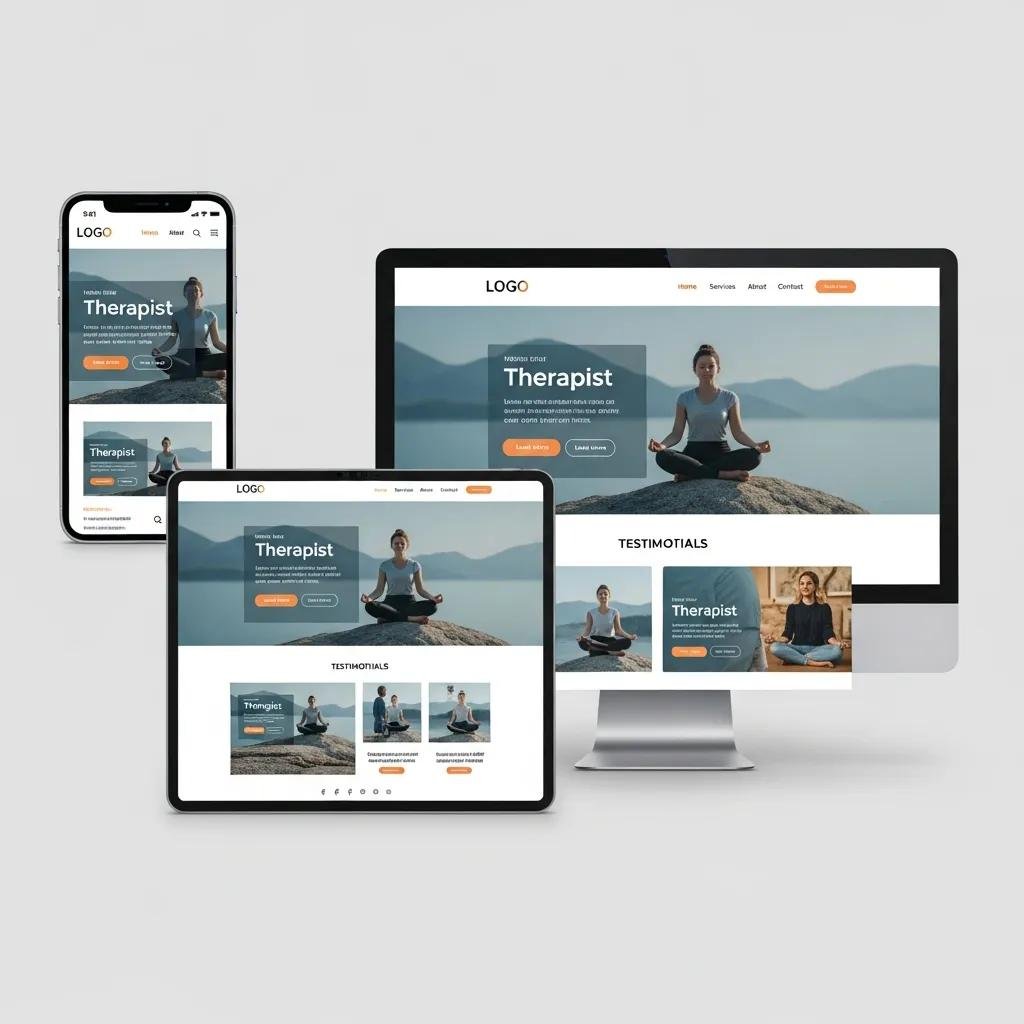
Responsive and mobile-friendly therapist websites are designed to provide an optimal viewing experience across various devices. Key features include:
- Mobile Responsiveness: Ensures that the website adapts to different screen sizes, making it accessible on smartphones and tablets.
- User Experience: A seamless experience encourages visitors to stay longer and explore services offered.
- Design Examples: Websites that utilize clean layouts and fast loading times significantly reduce bounce rates.
These features are essential for engaging potential clients and increasing the likelihood of bookings.
How Does Visual Branding and Intuitive Navigation Enhance Client Engagement?
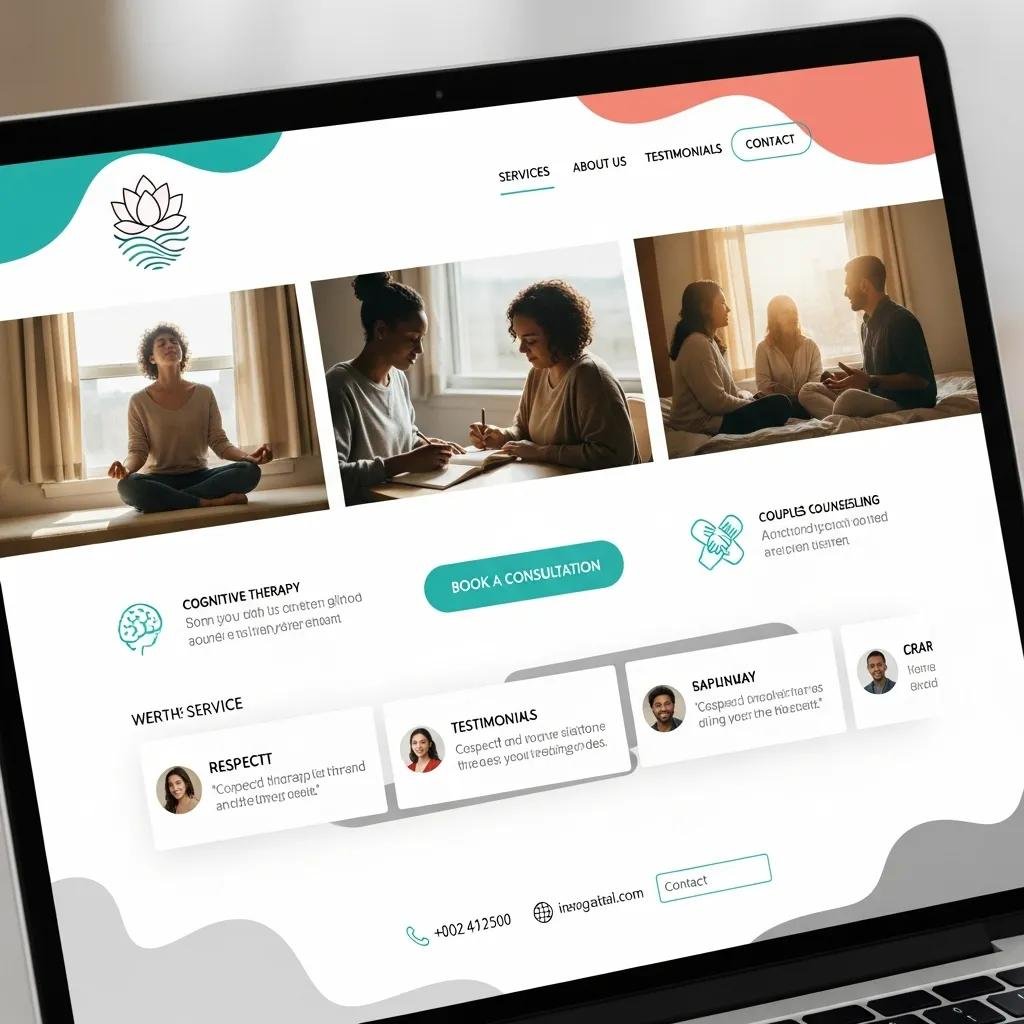
Visual branding and intuitive navigation are vital for creating a memorable online presence. Effective branding communicates professionalism and trust, while intuitive navigation allows users to find information quickly. Key aspects include:
- Visual Branding Importance: Consistent use of colors, fonts, and imagery reinforces brand identity and builds trust.
- Navigation Ease: Clear menus and logical page structures help users locate services effortlessly.
- Client Engagement Strategies: Engaging visuals and straightforward navigation can lead to higher conversion rates.
By focusing on these elements, therapists can create a website that not only attracts visitors but also converts them into clients.
What Conversion Rate Optimization Techniques Boost Therapy Practice Bookings?
Conversion rate optimization (CRO) techniques are essential for enhancing the effectiveness of a therapist’s website. By implementing specific strategies, therapists can significantly increase the number of visitors who become clients. Key techniques include crafting effective calls-to-action, optimizing contact forms, and leveraging social proof.
The importance of optimizing websites for lead generation and business growth is further underscored by research highlighting its effectiveness in boosting revenue.
Website Optimization & CRO for Lead Generation & Business Growth
Currently, their primary source of new clients is through their website because after trying other channels, website is the most effective and digital marketing nowadays have proven to be highly impactful. To increase sales and help PT. LVC grow, their website needs to be optimized to generate leads or potential customers, ultimately boosting revenue. Increasing revenue is PT. LVC current primary objective. To achieve this, the conversion rate optimization theory developed by Chris Goward (2012) will be utilized, with a qualitative approach.
Enhancing PT. LVC Website Marketing Strategy To Generate Leads Through Conversion Rate Optimization (CRO), AR Qastharin, 2024
How to Craft Effective Calls-to-Action That Drive Client Inquiries?
To craft effective calls-to-action (CTAs) that drive client inquiries, consider the following strategies:
- Clear Value Proposition: Highlight the benefits clearly, such as “Your Dream Website in Just One Week – Stress-Free, Beautiful, and Ready to Launch!” This communicates urgency and value.
- Incentives: Offer discounts or promotions, like “10% OFF Your New Website Template!” to encourage immediate action.
- Engaging Language: Use inviting phrases like “Ready to ditch the waiting game?” to create a sense of excitement and urgency.
- Simplicity: Ensure the call-to-action is straightforward, such as “JOIN THE NEWSLETTER & RECEIVE 10% OFF,” making it easy for clients to understand what to do next.
- Visual Appeal: Make the call-to-action prominent on the website, ensuring it stands out visually to attract attention.
These elements can help create compelling calls-to-action that encourage potential clients to inquire about services.
Why Are Optimized Contact Forms and Social Proof Essential for Conversion?
Optimized contact forms and social proof are critical components of a successful conversion strategy. Key points include:
- Form Optimization: Simplifying forms to require only essential information can reduce friction and increase submission rates.
- Social Proof Effectiveness: Testimonials and reviews from satisfied clients can enhance credibility and encourage new clients to reach out.
- User Experience: A well-designed contact form that is easy to fill out can significantly improve conversion rates.
By focusing on these aspects, therapists can create a more inviting and trustworthy environment for potential clients.
How Does Seamless Online Booking Integration Improve Therapy Client Acquisition?
Integrating seamless online booking systems into a therapist’s website can greatly enhance client acquisition. This integration simplifies the booking process, making it easier for potential clients to schedule appointments.
The growing trend of online consultation scheduling in healthcare services further emphasizes its role in improving client access and acquisition.
Online Scheduling for Healthcare: Risks, Benefits & Booking Trends
Online consultation scheduling is increasingly common in health services across various countries. This paper reviews articles published in the past five years and reflects on the risks and benefits of this practice, linking it to a recent Portuguese pilot project. A search for articles from Web of Science and Scopus published since 2018 was conducted using the terms “online scheduling,” “online booking,” and “consultations.”
Technology and access to healthcare with different scheduling systems: A scoping review, 2024
Which Online Scheduling Systems Best Fit Private Practice Needs?
When selecting an online scheduling system, therapists should consider features that align with their practice needs. Popular options include:
- System Features: Look for systems that offer calendar synchronization, automated reminders, and easy rescheduling options.
- User Reviews: Research user feedback to identify systems that provide excellent customer support and user-friendly interfaces.
- Integration Capabilities: Ensure the scheduling system can integrate with existing practice management software for streamlined operations.
Choosing the right system can significantly reduce administrative burdens and enhance client satisfaction.
What Are Best Practices to Reduce Friction in the Client Booking Journey?
To reduce friction in the client booking journey, therapists can implement several best practices:
- Simplifying Forms: Keep booking forms concise and user-friendly to encourage completion.
- Automated Reminders: Use automated reminders to reduce no-shows and keep clients informed about their appointments.
- User Feedback: Regularly solicit feedback from clients to identify pain points in the booking process and make necessary adjustments.
These practices can lead to a smoother booking experience, ultimately increasing client acquisition.
How Can SEO Strategies Specifically Target Therapist Client Acquisition?
SEO strategies tailored for therapists are essential for improving online visibility and attracting potential clients. By optimizing their websites for search engines, therapists can increase their chances of being found by individuals seeking their services.
What Local SEO Techniques Help Therapists Attract Nearby Clients?
Local SEO techniques are crucial for therapists looking to attract clients in their area. Key strategies include:
- Google Business Profile: Claiming and optimizing a Google Business Profile listing can enhance local search visibility.
- Local Keywords: Incorporating local keywords into website content helps target nearby clients effectively.
- Community Engagement: Participating in local events and networking can improve visibility and establish authority in the community.
Implementing these techniques can significantly boost a therapist’s local presence and client acquisition efforts.
How Does Keyword Research and Content Marketing Increase Therapy Website Visibility?
Keyword research and content marketing are fundamental components of an effective SEO strategy. Key points include:
- Keyword Targeting: Identifying relevant keywords helps therapists create content that addresses potential clients’ needs.
- Content Types: Utilizing various content formats, such as blog posts, videos, and infographics, can engage different audience segments.
- SEO Best Practices: Following SEO best practices, such as optimizing meta tags and using alt text for images, can improve search engine rankings.
By focusing on these strategies, therapists can enhance their website’s visibility and attract more clients.
Why Is Building Trust and Authority Online Vital for Therapist Client Bookings?
Building trust and authority online is essential for therapists aiming to increase client bookings. A strong online presence can reassure potential clients and encourage them to seek services.
How Do HIPAA Compliance and Website Security Build Client Confidence?
HIPAA compliance and website security are critical for establishing trust with potential clients. Key aspects include:
- HIPAA Requirements: Ensuring that the website and any online communication or data storage comply with HIPAA regulations protects client information and builds trust.
- Security Features: Implementing SSL certificates and secure payment gateways enhances website security and client confidence.
- Client Trust: Demonstrating a commitment to privacy and security can significantly influence a potential client’s decision to book an appointment.
By prioritizing these elements, therapists can foster a sense of safety and reliability among potential clients.
What Role Does Accessibility Play in Expanding Client Reach?
Accessibility is a vital consideration for therapists looking to expand their client base. Key points include:
- WCAG Standards: Adhering to Web Content Accessibility Guidelines (WCAG) ensures that websites are usable for individuals with disabilities.
- Inclusive Design: Implementing inclusive design practices can enhance user experience for all visitors, regardless of their abilities.
- Client Demographics: Expanding accessibility can attract a broader range of clients, including those who may have previously faced barriers to accessing services.
By focusing on accessibility, therapists can create a more inclusive environment that welcomes all potential clients.
Therapeia Web Design specializes in creating custom, conversion-optimized websites for therapists, counselors, and coaches, with a core focus on boosting client bookings. By implementing these strategies, therapists can transform their online presence and significantly increase their client acquisition efforts.