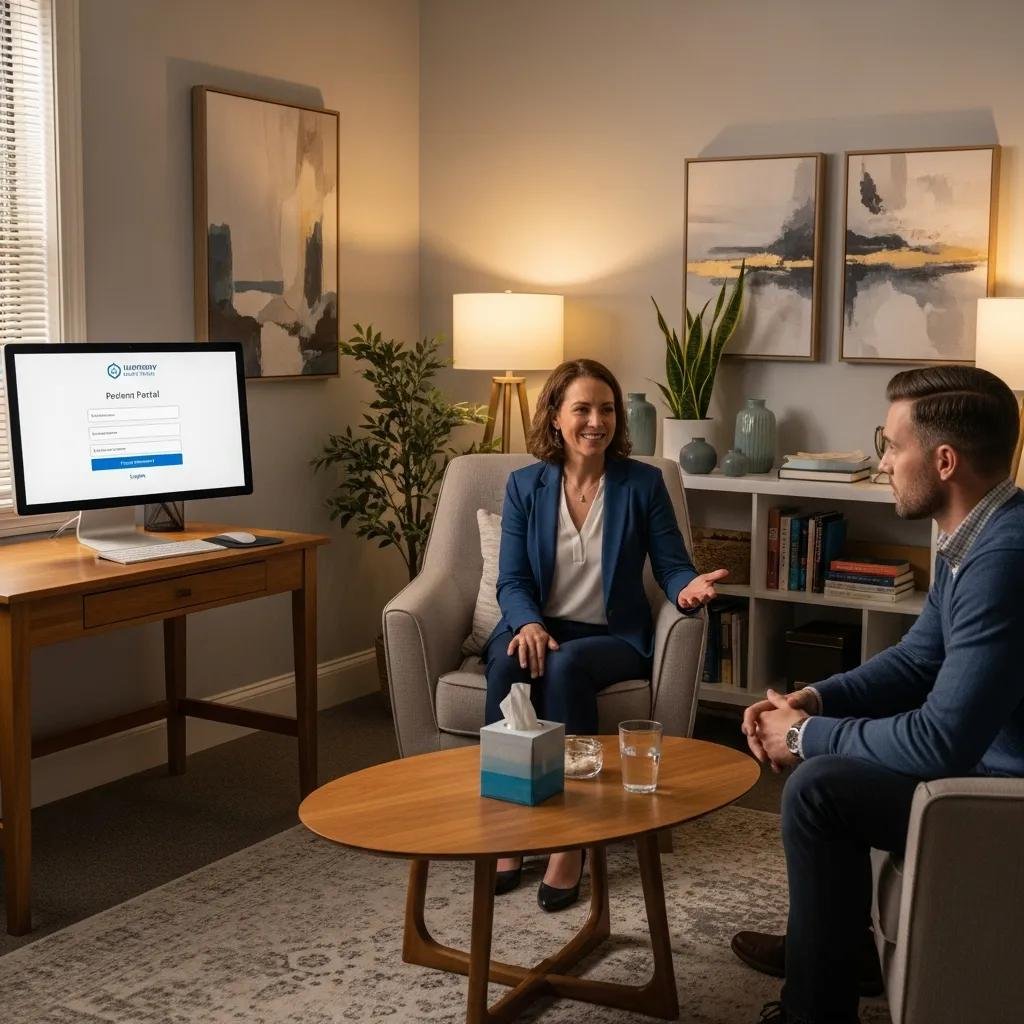
Establishing E-E-A-T for Authority in Therapy SEO
Establish E-E-A-T Authority for Therapists with Web Design and SEO
In the competitive landscape of therapy services, establishing E-E-A-T—Experience, Expertise, Authoritativeness, and Trustworthiness—is crucial for therapists aiming to enhance their online presence. This article will delve into the significance of E-E-A-T in therapy SEO, providing actionable strategies for therapists to build authority through effective website design and content. Readers will learn how to leverage E-E-A-T principles to attract and retain clients, ultimately leading to business growth. Many therapists struggle with visibility and credibility in a crowded market, but by implementing E-E-A-T strategies, they can effectively differentiate themselves. We will explore the components of E-E-A-T, trust-building design elements, effective SEO practices, and the role of case studies in demonstrating success.
What is E-E-A-T and Why is it Crucial for Therapists’ SEO?
E-E-A-T stands for Experience, Expertise, Authoritativeness, and Trustworthiness, a framework that Google uses to assess the quality of content and its creators. This concept is vital for therapists as it directly influences their search engine rankings and client trust. By showcasing their qualifications and experience, therapists can enhance their online visibility and attract potential clients. E-E-A-T is particularly important in the mental health field, where clients seek reliable and credible professionals to guide them through sensitive issues.
Understanding Experience, Expertise, Authoritativeness, and Trustworthiness
Experience refers to the practical knowledge therapists gain through their work, which can be highlighted through case studies and testimonials. Expertise involves the qualifications and training that establish a therapist’s knowledge in their field. Authoritativeness is built through recognition by peers and clients, often demonstrated through published articles, professional affiliations, or speaking engagements. Trustworthiness is crucial in therapy, as clients need to feel safe and secure in their choice of therapist. By effectively communicating these elements on their websites, therapists can significantly improve their E-E-A-T and, consequently, their SEO performance.
Recognizing the diverse needs of client demographics, especially millennials, further underscores the importance of tailored trust-building strategies, including the strategic use of digital media.
Building Trust with Millennial Clients in Mental Health Counseling
Trust is a key element in the effectiveness of the mental health counseling process, especially in reaching millennials who have unique characteristics in terms of values, communication, and expectations of psychological services. This study aims to identify and analyze effective strategies counselors use in building trust with millennial clients. The results revealed four main strategies used consistently, namely: (1) empathic and authentic communication, (2) the use of storytelling and personal narratives, (3) the application of inclusive and culturally sensitive language, and (4) the use of digital media as an initial medium for building trust.
Millennial Clients’
Trust-Building Strategies In Mental Health Counseling, U Wahyudin, 2025
How to Build Trust on Therapy Websites Using Design and Content
Building trust on therapy websites involves a combination of effective design and high-quality content. Trust signals such as professional credentials, client testimonials, and secure design elements play a pivotal role in establishing credibility. A well-designed website that reflects professionalism can enhance a therapist’s authority and encourage potential clients to engage with their services.
This foundational principle is echoed in research highlighting trust as a critical determinant for user engagement with web-based health information.
Web-Based Health Advice: Trust Factors for Website Engagement
Trust is a key factor in consumer decisions about website engagement. Consumers will engage with sites they deem trustworthy and turn away from those they mistrust.
A framework for understanding trust factors in web-based health advice, E Sillence, 2006
Key Trust Signals: Credentials, Testimonials, and Secure Design Elements

To foster trust, therapists should prominently display their credentials, including degrees, certifications, and licenses. Client testimonials serve as powerful endorsements, providing social proof of a therapist’s effectiveness. Additionally, secure design elements, such as SSL certificates and clear privacy policies, reassure visitors that their information is protected. By integrating these trust signals into their website design, therapists can create a welcoming and credible online presence.
Therapist Website Design Examples and Layout Ideas to Enhance Authority
Effective website design is essential for therapists looking to enhance their authority online. A well-structured website not only improves user experience but also communicates professionalism and trustworthiness. By examining successful therapy websites, therapists can gain insights into effective design strategies that resonate with potential clients.
Showcasing Professionalism Through Curated Therapy Website Examples
Therapists can draw inspiration from curated examples of successful therapy websites that effectively showcase professionalism. Key elements to consider include clean layouts, easy navigation, and visually appealing design. Websites that feature engaging content, such as informative blog posts and resource sections, can further establish a therapist’s authority and expertise. By analyzing these examples, therapists can implement similar strategies to enhance their own online presence.
SEO Best Practices for Mental Health Professionals to Boost Online Presence
Implementing effective SEO practices is crucial for mental health professionals seeking to improve their online visibility. By optimizing their websites for search engines, therapists can attract more potential clients and establish their authority in the field. This section outlines essential SEO strategies tailored specifically for therapy websites.
Optimizing Content and Keywords for Therapy Website SEO
To optimize content and keywords for a therapy website’s SEO, consider the following strategies based on the provided context:
- Targeted Keywords: Use specific keywords related to therapy and web design, such as “therapist website design,” “private practice growth,” “coaching web design,” and “SEO for therapists.”
- Service Descriptions: Expand on the services offered, like “Website Maintenance & Updates” and “SEO & Digital Marketing,” to include relevant keywords and phrases that potential clients might search for.
- Content Quality: Ensure the content is engaging and informative, addressing common pain points for therapists looking to establish or improve their online presence.
- Call to Action: Include clear calls to action, such as “Join the Newsletter” or “Ready to ditch the waiting game?” to encourage user engagement and improve conversion rates.
- Local SEO: Optimize for local search by including location-based keywords, especially if the therapist operates in a specific area.
- Blog Content: Consider adding a blog section with articles on topics like “How to Build a Therapist Website” or “SEO Tips for Therapists” to attract organic traffic.
- Mobile Optimization: Ensure the website is mobile-friendly, as many users will access it via smartphones.
- Social Media Integration: Promote social media links (LinkedIn, Instagram, Facebook) to enhance visibility and engagement.
Mobile-First Design and Page Speed Importance for Therapy Sites
In today’s digital landscape, mobile-first design and page speed are critical factors for therapy websites. With a significant portion of users accessing websites via mobile devices, ensuring a responsive design is essential. Additionally, fast-loading pages enhance user experience and reduce bounce rates, which can positively impact search engine rankings. Therapists should prioritize mobile optimization and page speed to ensure their websites are accessible and user-friendly.
How to Use Case Studies and Success Stories to Demonstrate Therapy SEO Effectiveness
Case studies and success stories serve as powerful tools for therapists to demonstrate the effectiveness of their services. By showcasing real-life examples of client transformations, therapists can build credibility and trust with potential clients. This section explores how to effectively incorporate these elements into a therapy website.
Incorporating Client Testimonials and Measurable SEO Results

Client testimonials provide valuable insights into the effectiveness of a therapist’s services. By featuring detailed testimonials that highlight specific outcomes, therapists can create a compelling narrative that resonates with potential clients. Additionally, measurable SEO results, such as increased website traffic or improved search rankings, can further validate a therapist’s expertise and authority in the field. By integrating these elements into their websites, therapists can effectively showcase their success and attract new clients.
What Structured Data and FAQ Schema Can Do for Therapy Website Visibility
Structured data and FAQ schema are essential tools for enhancing the visibility of therapy websites in search engine results. By implementing these techniques, therapists can improve their chances of appearing in rich snippets and other enhanced search features.
The strategic application of structured data, in particular, offers significant advantages for improving the visibility and utility of digital health resources.
Structured Data for Digital Health SEO & Visibility
The use of structured data in healthcare websites can increase the visibility of health resources through search engine optimization (SEO), show rich, personalized results to target users, and allow the website to serve as a living digital directory of resource information for patients.
Utilization of Structured Data to Improve Visibility of Digital Health Websites, S Mitragotri, 2025
Implementing Service and FAQ Schema for Better Search Engine Recognition
To implement service and FAQ schema, therapists should follow a structured approach that includes defining key services and frequently asked questions. By using schema markup, therapists can provide search engines with clear information about their offerings, which can lead to improved visibility in search results. This enhanced recognition can ultimately drive more traffic to their websites and increase client inquiries.