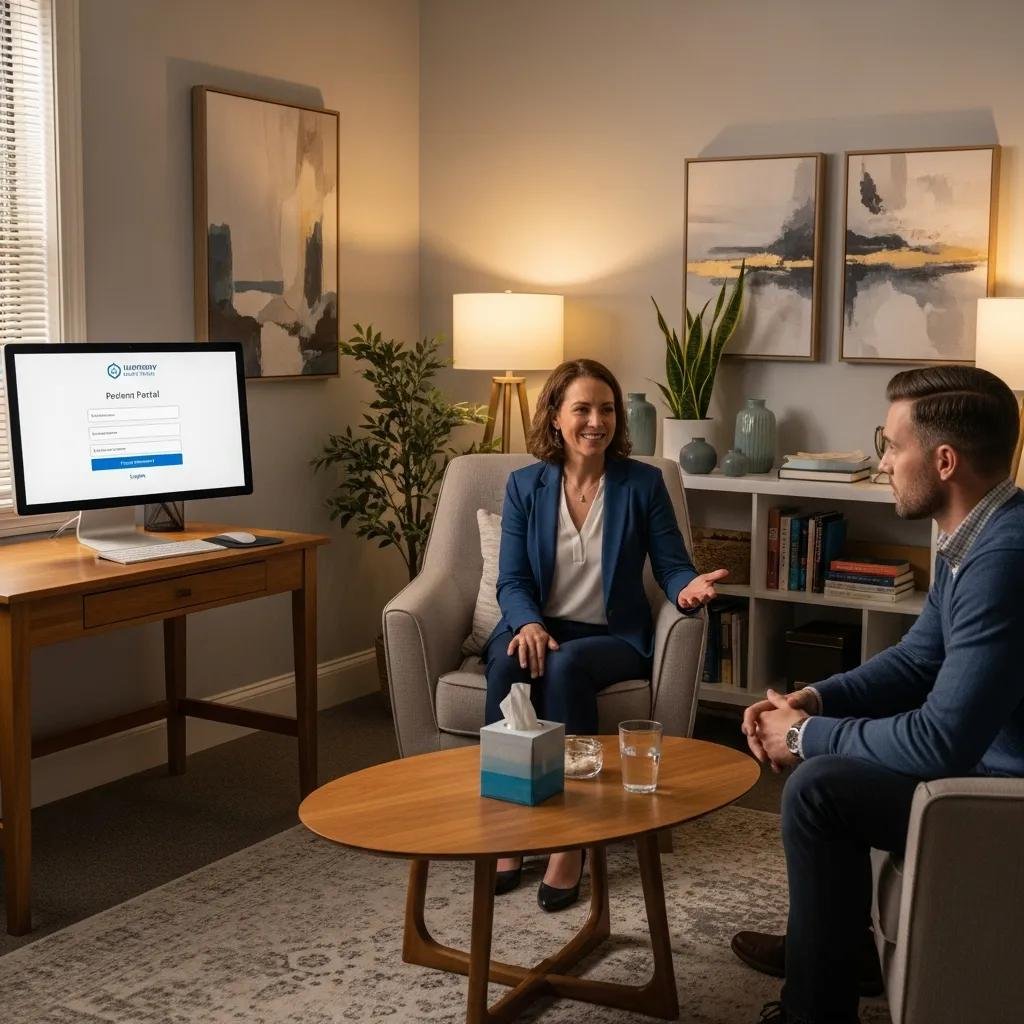
Enhance Your Practice: Secure Forms for Client Onboarding
Secure Client Intake Forms for Therapist Websites: The Complete Guide to HIPAA Compliant Digital Onboarding
In the digital age, secure client intake forms are essential for therapists looking to streamline their onboarding processes while ensuring compliance with HIPAA regulations. This comprehensive guide will explore the importance of these forms, their key features, and best practices for implementation. By understanding the mechanisms behind secure client intake forms, therapists can enhance their practice’s efficiency and improve client experiences. Many mental health professionals face challenges in managing client information securely and efficiently. Secure client intake forms provide a solution that not only protects sensitive data but also simplifies the onboarding process. This article will cover the necessity of secure forms, their features, how to choose the right solution, best practices for implementation, and future trends in digital client intake.
Why Are Secure Client Intake Forms Essential for Therapists’ Private Practices?
Secure client intake forms are vital for therapists as they ensure the confidentiality and protection of sensitive client information. These forms are designed to comply with HIPAA regulations, which mandate strict guidelines for handling patient data. By utilizing secure forms, therapists can safeguard their clients’ personal information, thereby fostering trust and credibility within their practice. Additionally, secure intake forms streamline the onboarding process, allowing therapists to focus more on client care rather than administrative tasks.
How Do HIPAA Compliance and Client Confidentiality Protect Patient Data?

HIPAA compliance is crucial for protecting patient data in the healthcare sector. The Health Insurance Portability and Accountability Act (HIPAA) establishes national standards for the protection of health information. By adhering to these regulations, therapists can ensure that client data is stored securely and accessed only by authorized personnel. This compliance not only protects clients from potential data breaches but also shields therapists from legal repercussions associated with mishandling sensitive information. For instance, implementing encryption methods and secure access controls can significantly enhance data protection.
Further emphasizing the importance of these regulations, research highlights how HIPAA and HITECH provide a foundational framework for ethical technology use in counselor education and practice.
HIPAA & HITECH Best Practices for Counselor Technology Use
The Health Insurance Portability and Accountability Act (HIPAA) and the Health Information Technology for Economic and Clinical Health (HITECH) Act provide a framework for best practices that counselor educators can utilize when incorporating the use of technology into counselor education programs. This article discusses recommended guidelines, standards, and regulations of HIPAA and HITECH that can provide a framework through which counselor educators can work to design policies and procedures to guide the ethical use of technology in programs that prepare and train future counselors.
Technology in Counselor Education: HIPAA and HITECH as Best Practice., 2015
What Benefits Do Digital Intake Forms Offer for Practice Efficiency and Client Experience?
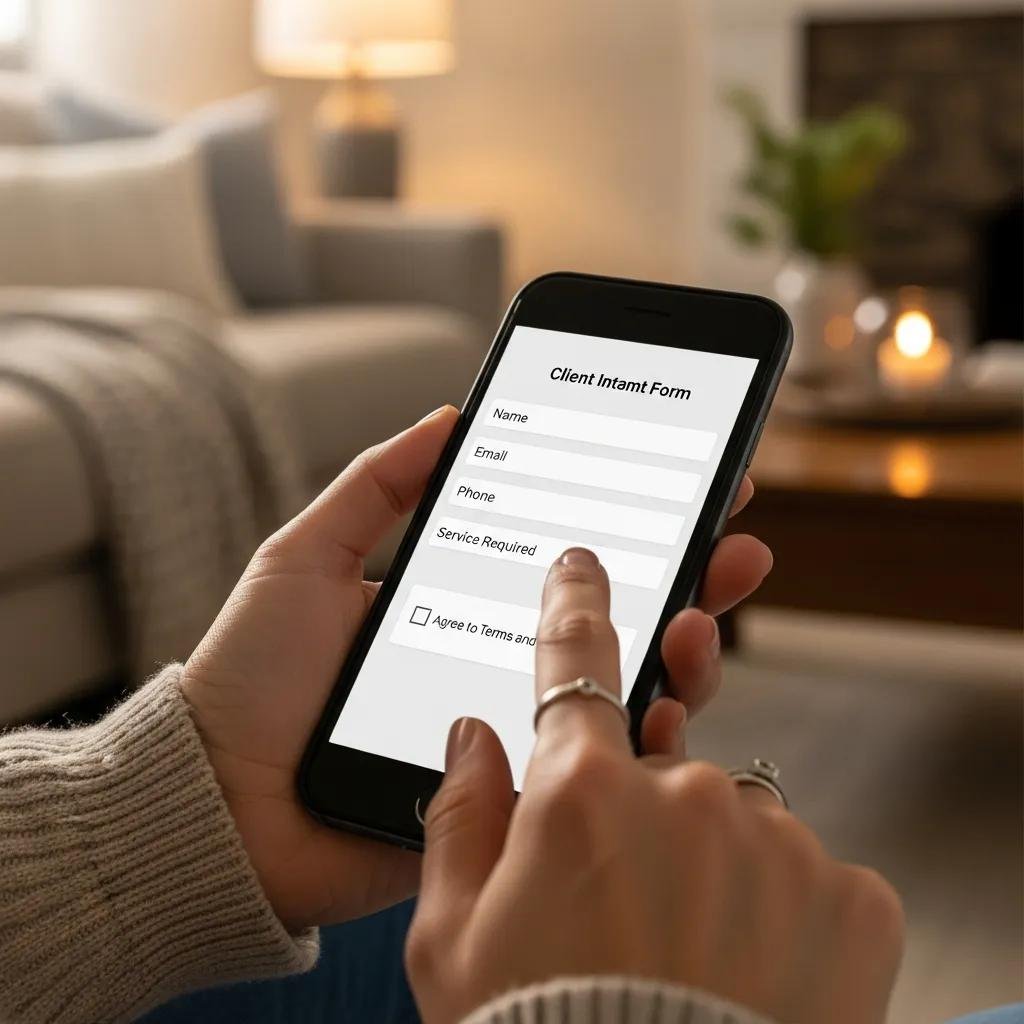
Digital intake forms provide numerous benefits that enhance both practice efficiency and client experience. Firstly, they save time by allowing clients to complete forms online before their first appointment, reducing wait times. Secondly, digital forms minimize the risk of errors associated with handwritten documents, ensuring that client information is accurately captured. While specific efficiency gains vary by practice, many report significant improvements in workflow and time management when using digital intake forms. Furthermore, the convenience of online forms improves the overall client experience, making it easier for clients to engage with their therapists.
What Are the Key Features of Effective HIPAA Compliant Intake Forms?
Effective HIPAA compliant intake forms should incorporate several key features to ensure data security and usability. These features include robust security measures, customization options, and seamless integration capabilities with existing practice management systems. By understanding these features, therapists can select the most suitable intake form solutions for their practices.
Which Security Measures Ensure Data Protection in Online Therapy Forms?
To ensure data protection in online therapy forms, several security measures should be implemented. These include:
- Data Encryption: Encrypting data both in transit and at rest protects sensitive information from unauthorized access.
- Access Control: Implementing strict access controls ensures that only authorized personnel can view or modify client data.
- Regular Security Audits: Conducting regular audits helps identify vulnerabilities and ensures compliance with HIPAA regulations.
These measures collectively enhance the security of client data, providing peace of mind for both therapists and clients.
How Can Customization and Mobile Responsiveness Enhance Therapist Website Forms?
Customization and mobile responsiveness are essential features that enhance the usability of therapist website forms. Customization allows therapists to tailor forms to their specific practice needs, ensuring that all necessary information is collected. Mobile responsiveness ensures that forms are easily accessible on various devices, accommodating clients who prefer to complete forms on their smartphones or tablets. This flexibility not only improves the user experience but also increases the likelihood of clients completing their intake forms promptly.
How to Choose the Right Secure Intake Form Solution for Your Therapist Website?
Selecting the right secure intake form solution is crucial for therapists aiming to enhance their practice’s efficiency and client experience. Therapists should consider several factors when evaluating potential solutions, including compliance features, user-friendly interfaces, and integration capabilities with existing systems.
What Should Therapists Look for in HIPAA Compliant Form Builders?
When searching for HIPAA compliant form builders, therapists should prioritize the following features:
- Compliance Features: Ensure that the form builder adheres to HIPAA regulations and offers necessary security measures.
- User-Friendly Interface: A simple and intuitive interface encourages clients to complete forms without frustration.
- Integration Capabilities: The ability to integrate with existing practice management software streamlines data entry and management.
These criteria will help therapists select a form builder that meets their specific needs while ensuring compliance with regulations.
How Does Therapeia Web Design Integrate Secure Forms Seamlessly?
Therapeia Web Design specializes in creating secure, responsive, and user-friendly websites specifically for therapists, counselors, and coaches. Their integration process involves a step-by-step approach that ensures seamless implementation of secure forms into existing websites. By focusing on user experience and compliance, Therapeia Web Design helps mental health professionals establish a strong online presence while enhancing client communication. This integration not only simplifies the onboarding process but also reinforces the practice’s commitment to client confidentiality.
What Are Best Practices for Implementing Secure Client Intake Forms?
Implementing secure client intake forms requires careful planning and execution. Therapists should follow best practices to ensure a smooth transition and effective use of these forms within their practices.
What Are the Step-by-Step Guidelines for Launching Secure Intake Forms?
To successfully launch secure client intake forms, therapists should follow these guidelines:
- Assess Needs: Identify the specific information required from clients and tailor forms accordingly.
- Select a Secure Form Builder: Choose a HIPAA compliant form builder that meets your practice’s needs.
- Test the Forms: Conduct thorough testing to ensure functionality and user-friendliness.
- Train Staff: Provide training for staff on how to manage and utilize the new forms effectively.
By following these steps, therapists can ensure a successful implementation of secure client intake forms.
How Can Therapists Train Staff and Integrate Forms into Workflow?
Training staff is essential for the successful integration of secure client intake forms into daily workflows. Therapists should provide comprehensive training sessions that cover the following aspects:
- Form Management: Teach staff how to access, manage, and troubleshoot forms.
- Client Interaction: Train staff on how to assist clients in completing forms and addressing any questions.
- Data Security Protocols: Ensure that all staff members understand the importance of data security and HIPAA compliance.
By equipping staff with the necessary knowledge and skills, therapists can enhance the overall efficiency of their practice.
What Future Trends Will Shape Digital Client Intake for Mental Health Practices?
As technology continues to evolve, several trends are expected to shape the future of digital client intake for mental health practices. Therapists should stay informed about these trends to remain competitive and responsive to client needs.
How Will AI and Low-Code Solutions Transform Secure Client Onboarding?
AI and low-code solutions are poised to revolutionize secure client onboarding by automating processes and enhancing user experiences. AI can streamline data collection and analysis, allowing therapists to gain insights into client needs more efficiently. Low-code platforms enable therapists to create customized forms without extensive technical knowledge, making it easier to adapt to changing client demands. This technological advancement will likely lead to more efficient onboarding processes and improved client satisfaction.
What Are Emerging Client Expectations for Therapy Website Forms in 2026?
By 2026, clients are expected to have higher expectations for therapy website forms, emphasizing convenience and security. Clients will likely prefer forms that are not only easy to complete but also provide assurances regarding data protection. Additionally, the demand for mobile-friendly and accessible forms will continue to grow, as more clients seek to engage with their therapists through various digital platforms. Therapists who adapt to these emerging expectations will be better positioned to attract and retain clients in a competitive landscape.
Secure client intake forms are a critical component of modern therapy practices, providing numerous benefits that enhance both efficiency and client satisfaction. By understanding the importance of these forms, their key features, and best practices for implementation, therapists can create a secure and user-friendly onboarding experience for their clients. As technology continues to evolve, staying informed about future trends will further empower therapists to meet the changing needs of their clients.