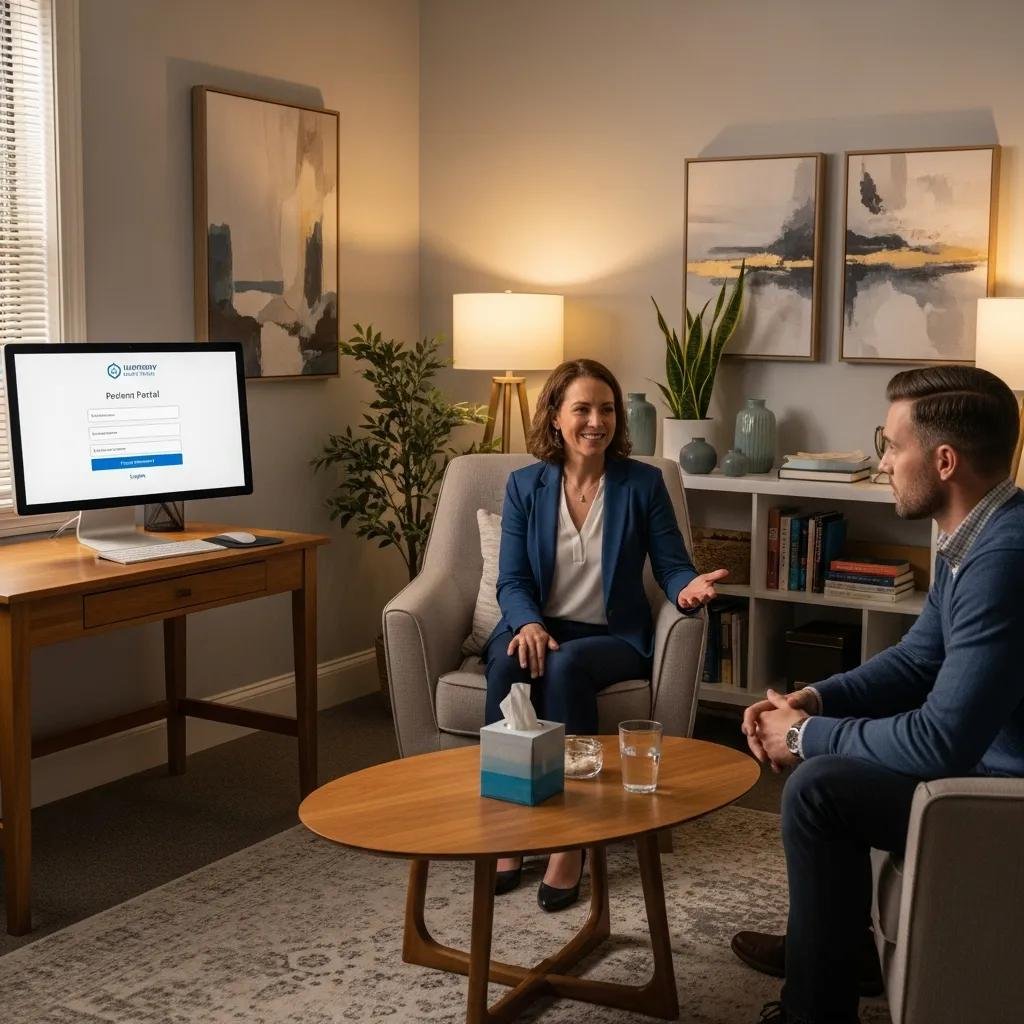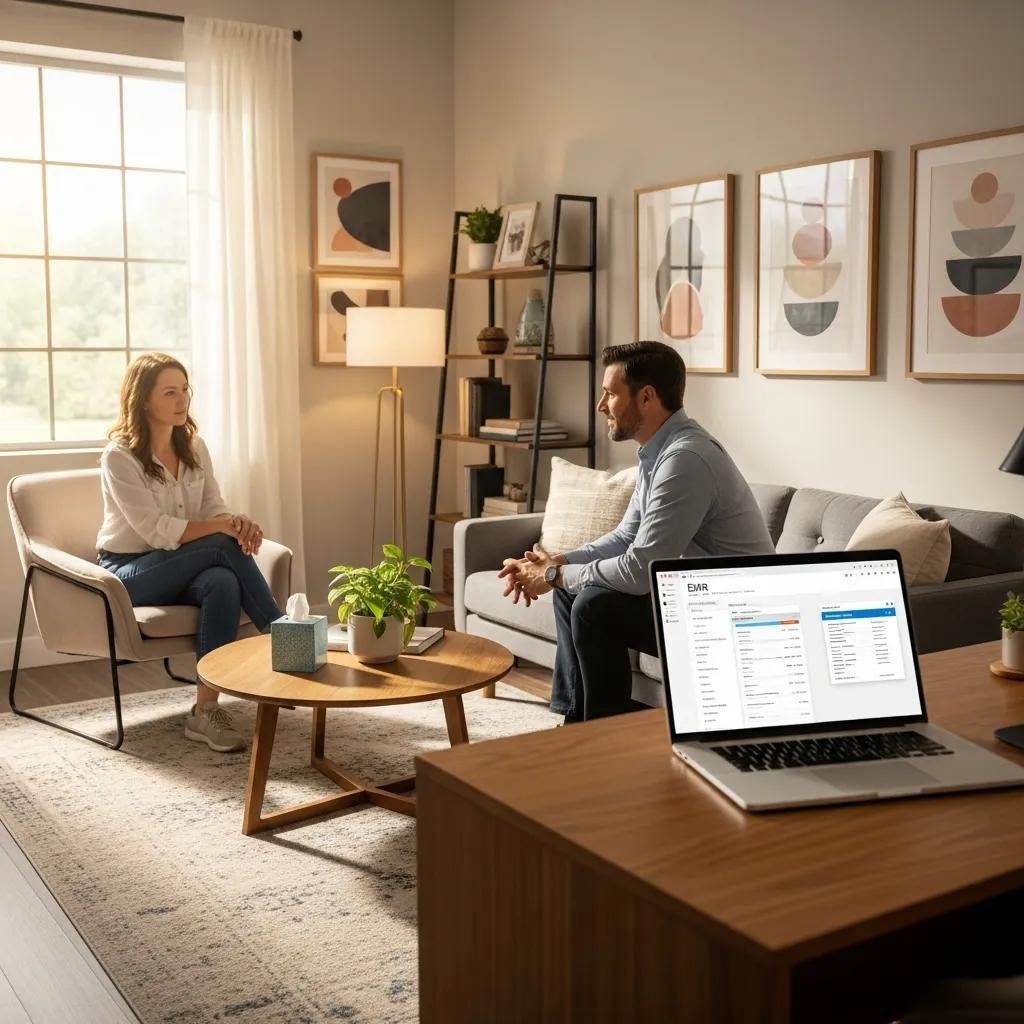
Enhance Patient Engagement with CRM for Therapists
Effective Digital Strategies for Building Therapy Client Relationships
Building strong client relationships is essential for the success of any therapy practice. A solid rapport fosters trust, enhances client engagement, and ultimately leads to better therapeutic outcomes. In this article, we will explore effective strategies and digital tools that can help therapists cultivate meaningful connections with their clients. By understanding the importance of these relationships, therapists can create an environment that encourages open communication and collaboration. We will delve into how a professional therapist website can build trust, improve client engagement, streamline onboarding, promote retention, and support relationship management through CRM integration.
Research highlights the growing importance of digital tools in mental health, emphasizing their role in improving treatment effectiveness and accessibility.
Digital Tools in Mental Health: Understanding MHP Use in Client Interaction
ABSTRACT: Mental disorders are the leading cause of disease burden worldwide [1]. However, a substantial number of people with mental disorders fail to receive adequate support and treatment for their challenges [2]. It is believed that digital technologies can increase the effectiveness, accessibility, and cost-effectiveness of existing treatments, which is a considerable motivation for their development [3-7].
1. 4Centre for Cognitive Neuroimaging, Institute of Neuroscience and Psychology, University of Glasgow, Glasgow, United Kingdom
2. Background:Digital tools and interventions are being increasingly developed in response to the growing mental health crisis, and mental health professionals (MHPs) considerably influence their adoption in client practice. However, how MHPs use digital tools in client interaction is yet to be sufficiently understood, which poses challenges to their design, development, and implementation.
3. Objective:This study aimed to create a contextual understanding of how MHPs use different digital tools in clinical client practice and what characterizes the use across tools.
4. Methods:A total of 19 Finnish MHPs participated in semistructured interviews, and the data were transcribed, coded, and inductively analyzed.
5. Results:We found that MHP digital tool use was characterized by 3 distinct functions: communication, diagnosis and evaluation, and facilitating therapeutic change. The functions were addressed using analog tools, digitized tools that mimic their analog counterparts, and digital tools that use the possibilities native to digital. The MHP-client communication included various media alongside face-to-face meetings, the MHPs increasingly used digitized tools in client evaluation, and the MHPs actively used digitized materials to facilitate therapeutic change. MHP tool use was generally characterized by adaptability—it was negotiated in client interactions. However, there was considerable variance in the breadth of MHPs’ dig
Factors affecting digital tool use in client interaction according to mental health professionals: interview study, L Lukka, 2023
How Does a Professional Therapist Website Build Trust and Credibility?
A professional therapist website serves as a critical tool for establishing trust and credibility with potential clients. By presenting a polished and informative online presence, therapists can convey their expertise and commitment to client care. Key elements such as professional design, clear communication of services, and secure client portals play a significant role in building this trust.
What Website Design Elements Enhance Client Confidence?
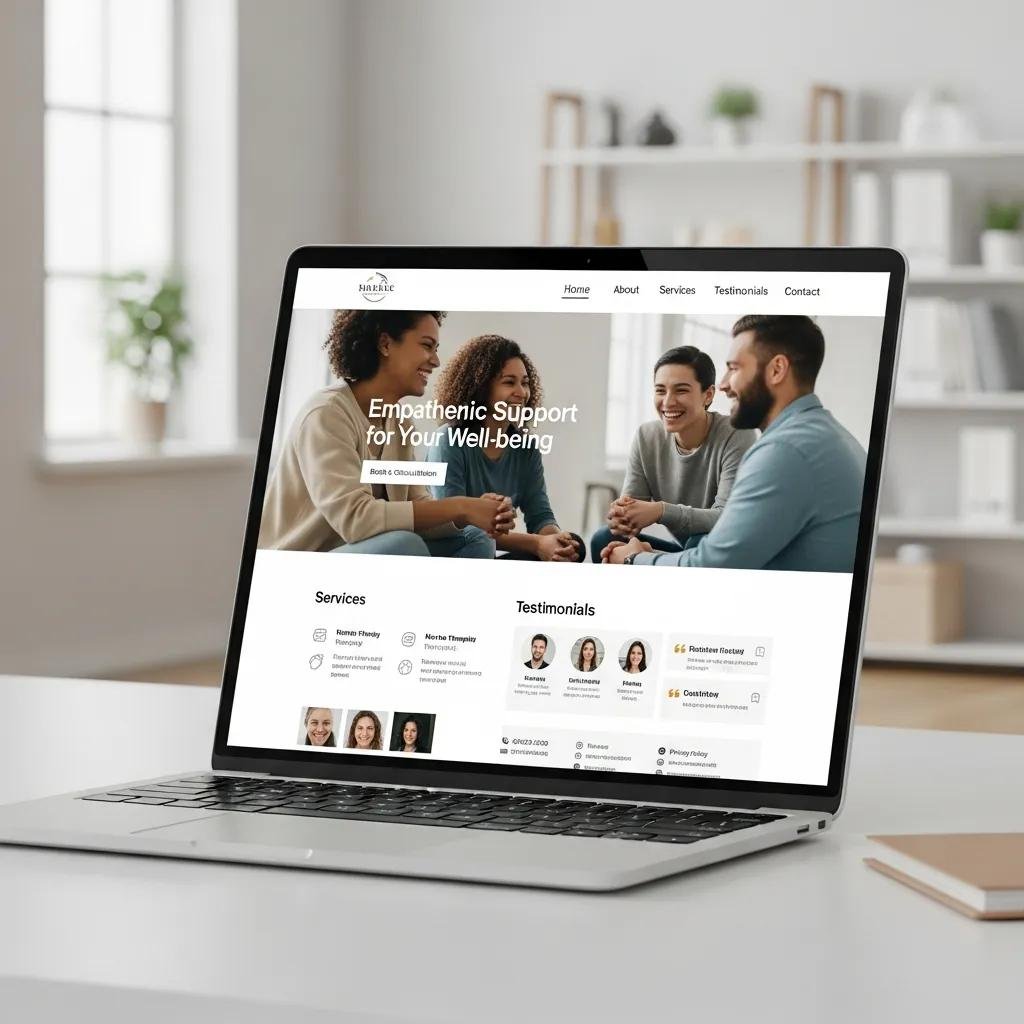
Effective website design elements can significantly enhance client confidence. A visually appealing layout, intuitive navigation, and mobile responsiveness are essential features that contribute to a positive user experience. Additionally, incorporating professional photographs and testimonials can further establish credibility, making potential clients feel more comfortable reaching out for help.
How Do Secure Client Portals Support Confidential Communication?
Secure client portals are vital for maintaining confidentiality in therapy practices. These portals allow clients to communicate sensitive information safely, ensuring that their privacy is protected. Features such as encrypted messaging and secure document sharing foster trust, as clients can feel confident that their personal information is handled with care.
Therapeia Web Design specializes in creating professional, secure, and user-friendly websites specifically for therapists, counselors, and coaches. Their services aim to help mental health professionals establish a strong online presence that reflects their unique style and connects effectively with clients. They offer expedited services like ‘Website in a Week’ and focus on custom design to attract ideal clients.
What Website Features Improve Client Engagement in Therapy?

Engaging clients effectively is crucial for a successful therapy practice. Certain website features can significantly enhance client participation and connection. By incorporating interactive resources, online scheduling, and client feedback mechanisms, therapists can create a more engaging experience for their clients.
How Does Online Scheduling Facilitate Client Participation?
Online scheduling tools simplify the appointment booking process, making it more convenient for clients to participate in therapy. By allowing clients to choose their preferred times and manage their appointments easily, therapists can reduce no-show rates and encourage consistent attendance. This convenience fosters a sense of commitment and accountability among clients.
Which Interactive Resources Foster Client Connection?
Interactive resources such as blogs, FAQs, and self-assessment tools can help foster a deeper connection between therapists and clients. By providing valuable content that addresses common concerns and questions, therapists can demonstrate their expertise and commitment to client well-being. These resources also encourage clients to engage with the therapist’s practice outside of sessions, reinforcing the therapeutic relationship.
How Can Your Website Streamline Client Onboarding and Communication?
Your website can streamline client onboarding and communication by offering a Website Inquiry Form, which allows potential clients to easily submit their information and inquiries. Additionally, providing clear information about your services, such as quick website transformations and maintenance options, can enhance communication. Joining a newsletter for updates and discounts can also keep clients informed and engaged.
What Role Do Online Inquiry Forms and Intake Processes Play?
Online inquiry forms play a crucial role in the client onboarding process. They allow potential clients to provide their information and express their needs before the first appointment. This ease of use not only streamlines the intake process but also helps therapists gather essential information to tailor their approach to each client’s unique situation.
How Do Automated Reminders and Secure Messaging Enhance Communication?
Automated reminders and secure messaging systems enhance communication by ensuring that clients receive timely notifications about appointments and important updates. These systems can improve client engagement by reducing missed appointments and facilitating ongoing communication between sessions. By providing a reliable communication channel, therapists can maintain a strong connection with their clients.
What Strategies Using Your Website Promote Long-Term Client Retention?
Promoting long-term client retention is essential for the sustainability of a therapy practice. Strategies such as personalization, feedback mechanisms, and ongoing value can significantly enhance client loyalty and satisfaction.
How Does Personalization Increase Client Loyalty?
Personalization in therapy can take many forms, from tailored treatment plans to customized communication. By addressing clients’ specific needs and preferences, therapists can create a more meaningful experience that fosters loyalty. Clients are more likely to return when they feel understood and valued in their therapeutic journey.
Why Are Testimonials and Social Proof Important for Retention?
Testimonials and social proof play a vital role in client retention. Positive feedback from previous clients can build trust and encourage new clients to engage with the therapist. By showcasing success stories and client experiences, therapists can demonstrate their effectiveness and commitment to client care, reinforcing the decision to continue therapy.
How Does CRM Integration Support Client Relationship Management in Therapy?
Customer Relationship Management (CRM) systems can significantly enhance client relationship management in therapy practices. By streamlining processes and improving client interactions, CRMs can help therapists maintain strong connections with their clients.
What Are the Benefits of CRM for Private Practice?
CRMs offer numerous benefits for private practices, including improved organization, efficient communication, and enhanced client tracking. By centralizing client information and interactions, therapists can provide a more personalized experience and ensure that no important details are overlooked.
How Can Practice Management Software Improve Client Interactions?
Practice management software can enhance client interactions by automating administrative tasks and facilitating communication. Features such as appointment scheduling, billing, and secure messaging can save time and reduce stress for both therapists and clients. This efficiency allows therapists to focus more on providing quality care and building strong relationships with their clients.
Which Therapist Website Design Examples Inspire Strong Client Connections?
Examining successful therapist website designs can provide valuable insights into creating strong client connections. Effective layouts and branding can significantly impact how potential clients perceive a practice.
What Layout and Style Options Enhance Therapeutic Rapport?
Layouts that prioritize user experience, such as clear navigation and visually appealing designs, can enhance therapeutic rapport. A well-organized website that reflects the therapist’s personality and approach can make clients feel more comfortable and connected.
How Does Branding Reflect Your Therapeutic Approach?
Branding is an essential aspect of a therapist’s online presence. It communicates the therapist’s values, style, and approach to therapy. A cohesive brand identity can help attract ideal clients who resonate with the therapist’s philosophy, fostering a stronger connection from the outset.