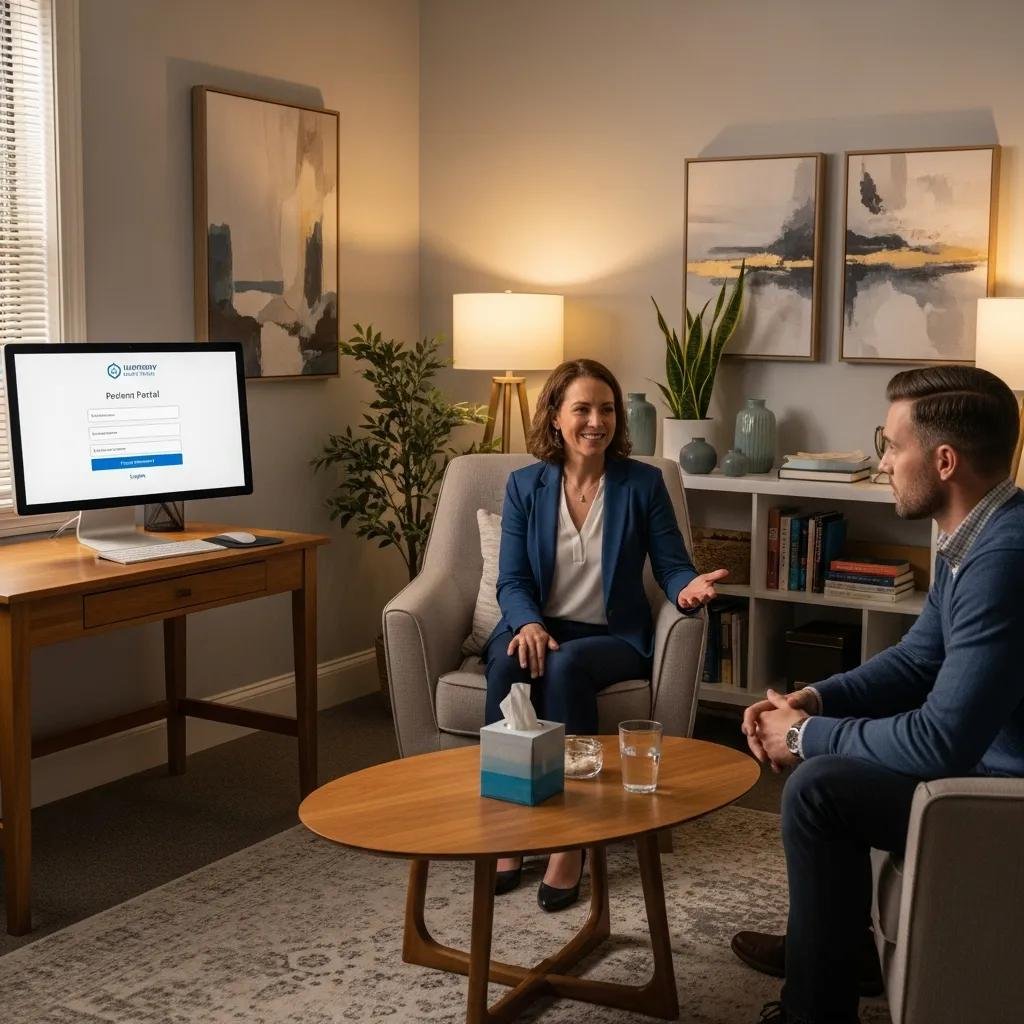
Enhance Communication: Online Therapy Dashboard for Clients
Implementing Secure Client Portals for Therapy Practices: A Complete Guide to HIPAA Compliant Client Portal Solutions
In the evolving landscape of mental health care, secure client portals have become essential for therapy practices. These digital platforms not only enhance communication between therapists and clients but also ensure compliance with regulations like HIPAA. This comprehensive guide will delve into the significance of HIPAA-compliant client portals, their key features, and best practices for implementation. Readers will learn how these portals protect sensitive patient data, streamline administrative tasks, and improve overall client engagement. As therapists face increasing demands for confidentiality and efficiency, understanding the mechanisms behind secure client portals is crucial. This article will cover the definition of HIPAA-compliant portals, their features, selection criteria, security best practices, and the benefits they offer to both therapists and clients.
What Is a HIPAA Compliant Client Portal for Therapists?
A HIPAA-compliant client portal is a secure online platform that allows therapists to manage client interactions while ensuring the confidentiality of sensitive information. These portals utilize advanced security measures to protect patient data, making them essential for any therapy practice. By adhering to HIPAA regulations, these portals not only safeguard client information but also enhance the overall therapeutic experience. The importance of such portals lies in their ability to facilitate secure communication, appointment scheduling, and document sharing, all while maintaining compliance with legal standards.
Indeed, the broader adoption of such digital platforms is increasingly recognized for its benefits to both patients and providers in mental health care.
Implementing Patient Portals in Mental Health Care
Electronic patient portals are web-based systems through which patients can access personal health information or communicate and collaborate with their healthcare providers. The implementation of patient portals may be beneficial both for patients and providers and use of patient portals in different health care disciplines and settings has been increasing, but the rate of implementation in clinical practice still lags behind expectations.
Implementation of an electronic patient portal in routine mental health care of hospitals in Germany–evaluation of attitudes of healthcare providers, 2024
How Does a Therapy Client Portal Protect Patient Data?
Therapy client portals protect patient data through various mechanisms, including encryption and access controls. Encryption ensures that any data transmitted between the client and therapist is unreadable to unauthorized users. Access controls limit who can view or modify sensitive information, ensuring that only authorized personnel have access. These measures are crucial for maintaining confidentiality and trust in the therapeutic relationship, as they prevent data breaches and unauthorized access to protected health information (PHI).
Which Security Features Ensure HIPAA Compliance?
Several security features are essential for ensuring HIPAA compliance in therapy client portals. Key features include:
- Audit Trails: These logs track who accessed the portal and what actions were taken, providing accountability and transparency.
- Secure Messaging: This feature allows for confidential communication between therapists and clients, reducing the risk of information leaks.
- Data Backup Protocols: Regular backups ensure that client data is not lost in case of system failures, maintaining continuity of care.
These features collectively contribute to a secure environment where client data is protected, fostering trust and compliance with HIPAA regulations.
What Are the Key Features of Effective Therapy Client Portal Software?
Effective therapy client portal software should include several key features that enhance functionality and user experience. These features not only streamline operations but also improve client satisfaction.
How Does Secure Messaging Enhance Client Communication?
Secure messaging enhances client communication by providing a confidential channel for discussions. This feature allows clients to reach out to their therapists with questions or concerns outside of scheduled sessions, fostering a continuous therapeutic relationship. Additionally, secure messaging ensures that sensitive information remains protected, which is crucial for maintaining client trust and confidentiality.
Research further highlights the significant role secure messaging plays in modern healthcare, becoming a highly valued feature within patient portals.
Secure Messaging in Mental Health Patient Portals
With a growing number of countries worldwide allowing web-based medical record access to patients, the integration of secure messaging (SM) systems into patient portals is also increasing [1]. SM is recognized as a valuable tool with multiple benefits in health care. It is one of the most popular features of patient portals among both patients and health care professionals (HCPs) [2] and has been rapidly adopted in recent years [3,4]. SM enables patients and HCPs to communicate effectively, provide treatment feedback, and address urgent questions without the need for them to be postponed until the next in-office visit [5].
Patient–Health Care Professional Communication via a Secure Web-Based Portal in Severe Mental Health Conditions: Qualitative Analysis of Secure …, C Turvey, 2025
What Role Does Online Scheduling Play in Client Portals?
Online scheduling plays a significant role in client portals by simplifying the appointment booking process. Clients can view available time slots and book appointments at their convenience, which reduces the likelihood of no-shows. This feature not only saves time for therapists but also enhances the overall client experience by providing flexibility and ease of access.
How to Choose the Best Private Practice Client Portal Software?
Selecting the right client portal software for a therapy practice involves considering several critical factors. Therapists should evaluate their specific needs and the features offered by different software options.
What Factors Should Therapists Consider When Selecting Client Portals?
- Cost: Evaluate the pricing structure to ensure it fits within the practice’s budget.
- User-Friendliness: The interface should be intuitive for both therapists and clients to encourage usage.
- Support and Training Availability: Ensure that the software provider offers adequate support and training resources.
These factors are essential for ensuring that the selected portal meets the practice’s operational needs while providing a positive user experience.
How Do Therapy Client Portals Integrate with EHR and Telehealth Platforms?
Integration capabilities with Electronic Health Records (EHR) and telehealth platforms are crucial for therapy client portals. Effective integration allows for seamless data sharing between systems, enhancing the efficiency of practice management. This integration can streamline workflows, reduce administrative burdens, and improve the overall quality of care provided to clients.
What Are the Best Practices for Client Portal Security in Therapy Practices?
Implementing best practices for client portal security is essential for protecting sensitive client information. These practices help ensure compliance with HIPAA regulations and foster trust in the therapeutic relationship.
How to Implement Robust Data Encryption and Access Controls?
- Utilize Strong Encryption Protocols: Ensure that all data transmitted is encrypted using industry-standard protocols such as TLS 1.2 or higher.
- Establish Role-Based Access Controls: Limit access to sensitive information based on user roles within the practice.
- Regularly Update Security Measures: Stay informed about the latest security threats and update protocols accordingly.
These steps are vital for maintaining a secure environment for client interactions.
What Steps Ensure Ongoing HIPAA Compliance and Risk Management?
- Regular Compliance Checks: Conduct audits to assess adherence to HIPAA regulations.
- Risk Assessment Procedures: Identify potential vulnerabilities and implement strategies to mitigate risks.
These practices help maintain a culture of compliance and security within the therapy practice.
How Do Client Portals Benefit Therapists and Their Clients?
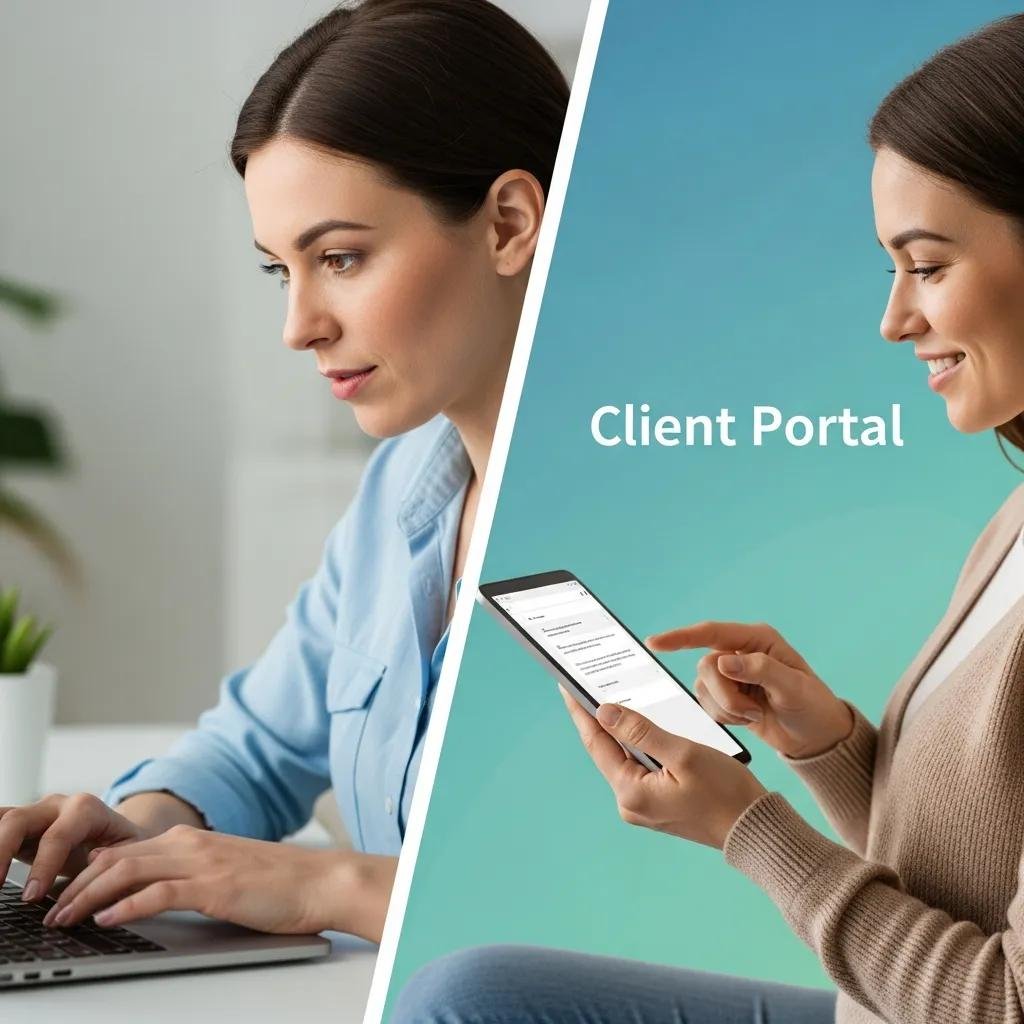
Client portals offer numerous benefits for both therapists and their clients, enhancing the overall therapeutic experience.
In What Ways Do Client Portals Improve Practice Efficiency?
Client portals improve practice efficiency by automating administrative tasks such as appointment scheduling and document management. This automation reduces the time therapists spend on paperwork, allowing them to focus more on client care. Additionally, the streamlined communication facilitated by secure messaging enhances responsiveness and engagement, further improving practice efficiency.
How Do Secure Client Portals Enhance Client Engagement and Satisfaction?
Secure client portals enhance client engagement and satisfaction by providing a convenient platform for communication and access to resources. Clients appreciate the ability to manage their appointments and communicate with their therapists securely. This level of accessibility fosters a stronger therapeutic alliance and encourages clients to take an active role in their treatment.
How to Set Up Secure Messaging and Online Patient Access in Therapy Client Portals?
Setting up secure messaging and online patient access in therapy client portals involves several key steps to ensure a smooth implementation.
What Are the Steps to Configure Secure Messaging for Therapy Clients?
- Select a Secure Messaging Platform: Choose a platform that meets HIPAA compliance standards.
- Train Staff on Usage: Ensure that all staff members are trained on how to use the messaging system effectively.
- Inform Clients About the Feature: Educate clients on how to use secure messaging to communicate with their therapists.
These steps are essential for ensuring that secure messaging is effectively integrated into the practice.
How Can Therapists Enable Easy and Safe Online Patient Access?
- Design an Intuitive User Interface: Ensure that the portal is user-friendly and accessible for clients of all ages.
- Implement Strong Authentication Measures: Use multi-factor authentication (MFA) to enhance security during client logins.
- Provide Clear Instructions: Offer guidance on how clients can navigate the portal and access their information securely.
These measures help create a positive user experience while maintaining the security of client data.