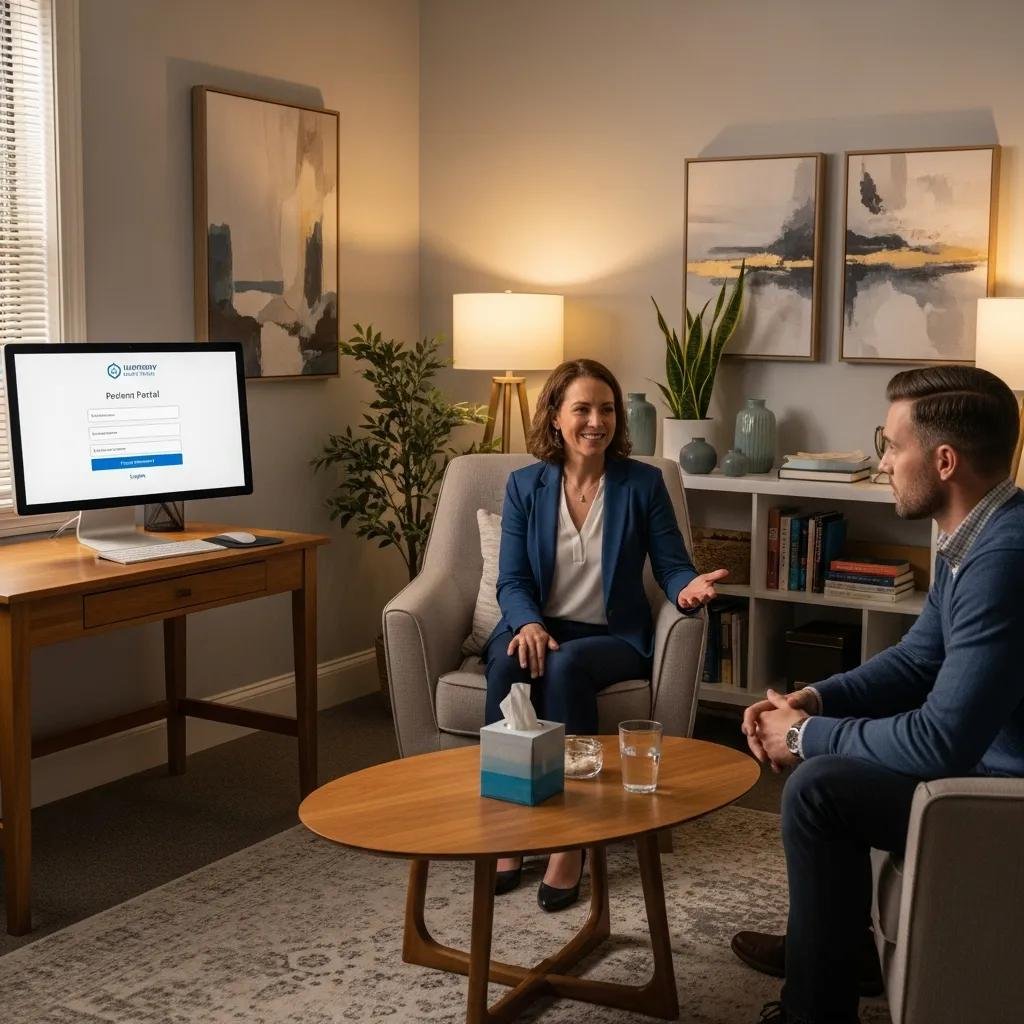
Enhance Client Credibility Signals for Your Therapy Website
Building Trust and Credibility on Your Therapy Website: How to Establish Client Confidence and Professional Online Presence
In the digital age, establishing trust and credibility on your therapy website is paramount for attracting and retaining clients. This article will explore effective strategies to build a professional online presence that resonates with potential clients. Trust is not just a nice-to-have; it is a critical component that influences client decisions and practice growth. By understanding the key elements that foster trust, therapists can create a website that not only showcases their expertise but also connects with clients on a personal level.
We will delve into the importance of trust, the design elements that enhance credibility, content strategies that establish authority, technical security measures that protect client data, and effective online reputation management. Each section will provide actionable insights to help therapists create a trustworthy online environment that encourages client engagement and confidence.
Why Is Trust Essential for Your Therapy Website?
Trust is the foundation of any therapeutic relationship, and it is especially crucial in the context of therapy websites. Clients are often hesitant to reach out for help, and a lack of trust can deter them from seeking the support they need. Research indicates that a significant percentage of clients conduct online research before choosing a therapist, making it essential for therapists to present a trustworthy image online.
Indeed, research highlights the critical role of trust and credibility in how individuals evaluate and select online health information, including therapy services.
Assessing Trust & Credibility in Online Health Information
Internet sources are becoming increasingly important in seeking health information, such that they may have a significant effect on health care decisions and outcomes. Hence, given the wide range of different sources of Web-based health information (WHI) from different organizations and individuals, it is important to understand how information seekers evaluate and select the sources that they use, and more specifically, how they assess their credibility and trustworthiness.
Trust and credibility in web-based health information: a review and agenda for future research, L Sbaffi, 2017
How Does Client Trust Impact Therapy Practice Growth?
Client trust directly influences the growth of a therapy practice. When clients feel confident in a therapist’s abilities, they are more likely to engage in services, refer others, and establish long-term relationships. Studies show that practices with higher trust levels experience increased client retention and satisfaction, leading to sustainable growth. Furthermore, a strong reputation built on trust can enhance a therapist’s visibility and attract new clients.
What Are the Key Trust Factors Clients Look for Online?
Clients look for several key trust factors when evaluating therapy websites. These include:
- Professional Design: A well-designed website conveys professionalism and attention to detail.
- Client Testimonials: Positive feedback from previous clients serves as social proof of a therapist’s effectiveness.
- Security Features: Visible security measures, such as SSL certificates, reassure clients that their data is protected.
Understanding these factors can help therapists create a website that instills confidence in potential clients.
What Professional Design Elements Build Credibility on Therapy Websites?

The design of a therapy website plays a crucial role in establishing credibility. A professional appearance not only attracts visitors but also fosters trust and confidence in the services offered.
The visual appeal and overall design of a website are fundamental in shaping user perceptions of credibility and trustworthiness.
Web Page Design & Credibility: Building Online Trust
Today, more than ever, knowledge that interfaces appearance analysis is a crucial point in human-computer interaction field has been accepted. As nowadays virtually anyone can publish information on the web, the credibility role has grown increasingly important in relation to the web-based content. Areas like trust, credibility, and behavior, doubled by overall impression and user expectation are today in the spotlight of research compared to the last period, when other pragmatic areas such as usability and utility were considered.
Credibility judgments in web page design–a brief review, DF Muresanu, 2016
How Does Responsive Design Enhance User Experience for Therapy Clients?
Responsive design ensures that a therapy website functions well on various devices, including smartphones and tablets. This accessibility is vital, as many clients may search for services on their mobile devices. A responsive website enhances user experience by providing easy navigation and quick access to information, which can lead to higher engagement and conversion rates.
Why Are Visual Branding and Professional Photography Vital for Therapist Websites?
Visual branding and professional photography are essential for creating a strong first impression. High-quality images and a cohesive color scheme can evoke emotions and establish a connection with potential clients. Professional photography, particularly of the therapist, can humanize the practice and make it more relatable. This personal touch can significantly enhance the perceived credibility of the therapist and their services.
Therapeia Web Design specializes in creating professional, secure, and user-friendly websites specifically for therapists, counselors, and coaches. Their services aim to help mental health professionals establish a strong online presence that reflects their unique style and connects with clients effectively.
How Can Content Strategies Strengthen Your Therapy Website’s Authority?
Content is a powerful tool for establishing authority and credibility on a therapy website. By providing valuable information, therapists can position themselves as experts in their field.
What Should an Authoritative ‘About Me’ Page Include to Build Credibility?
An effective ‘About Me’ page should include the therapist’s professional qualifications, personal story, and a client-focused approach. This page serves as an opportunity to connect with potential clients on a personal level, showcasing not only expertise but also empathy and understanding. Including relevant credentials and experiences can further enhance credibility.
How Do Ethical Testimonials and Social Proof Increase Client Confidence?

Ethical testimonials are a vital component of building trust. They provide social proof that can significantly influence potential clients’ decisions. When displaying testimonials, it is essential to ensure they are genuine and reflect real experiences. This transparency fosters trust and encourages new clients to reach out for services.
However, therapists must navigate the ethical complexities surrounding client testimonials to ensure compliance with professional standards.
Ethical Use of Client Testimonials on Therapy Websites
A psychologist linking to or displaying reviews from a third-party website (e.g., Yelp, Google) or directly soliciting and displaying client testimonials on their professional website may violate ethical codes by including client testimonials on their professional websites. In this article, we review standards surrounding client testimonials and discuss the scope and ethics of psychologists’ use of client testimonials on professional websites.
Scope and ethics of psychologists’ use of client testimonials on professional websites., E Lacroix, 2018
What Technical Security Measures Ensure Trust on Therapy Websites?
Technical security measures are crucial for protecting client data and establishing trust. Clients need to feel confident that their personal information is safe when they visit a therapy website.
How Does HIPAA Compliance Protect Client Data on Therapy Websites?
HIPAA compliance is essential for therapists who handle sensitive client information. Adhering to HIPAA regulations ensures that client data is protected and that therapists are following best practices for confidentiality. This compliance not only safeguards client information but also enhances the therapist’s credibility in the eyes of potential clients. It is important to note that HIPAA applies primarily to covered entities and their business associates, so therapists must ensure their website and data handling practices align with HIPAA requirements if they fall under its scope.
Why Are SSL Certificates and Secure Online Booking Crucial for Client Privacy?
SSL certificates encrypt data transmitted between the client and the website, ensuring that sensitive information remains confidential. A secure online booking system further enhances client privacy by providing a safe platform for scheduling appointments. Displaying security badges on the website can reassure clients that their information is protected, fostering trust and encouraging them to engage with the services offered.
Different security measures contribute to building trust on therapy websites. The following table compares various technical security measures and their benefits:
How Can Therapists Manage Their Online Reputation Effectively?
Managing an online reputation is essential for therapists looking to build and maintain trust with potential clients. A positive online presence can significantly influence client perceptions and decisions.
What Are Best Practices for Managing Online Reviews and Client Feedback?
Therapists should actively manage online reviews by encouraging satisfied clients to leave positive feedback. Responding to reviews, both positive and negative, demonstrates professionalism and a commitment to client satisfaction. Best practices include addressing concerns raised in negative reviews and thanking clients for their positive feedback, which can enhance the therapist’s reputation.
How Does Professional Social Media Integration Support Therapist Credibility?
Integrating professional social media profiles can enhance a therapist’s credibility by showcasing their expertise and engaging with clients. Social media platforms provide an opportunity to share valuable content, connect with potential clients, and build a community around the practice. Maintaining a professional presence on social media can further establish trust and credibility in the digital space.
In conclusion, building trust and credibility on a therapy website is a multifaceted process that involves professional design, authoritative content, technical security measures, and effective online reputation management. By implementing these strategies, therapists can create a strong online presence that resonates with potential clients and fosters lasting relationships.