Engaging Website Copy for Therapy – Client Focused Content
Crafting Engaging Therapy Website Copywriting: How to Connect, Convert, and Build Trust
Creating compelling website copy for therapy practices is essential for connecting with potential clients and establishing trust. Effective copy not only communicates the services offered but also resonates with the emotional and psychological needs of clients seeking help. This article will explore the nuances of empathetic content, client-focused messaging, and best practices for writing engaging website copy that converts visitors into clients. By understanding the importance of empathy in communication, therapists can create a welcoming online presence that encourages potential clients to reach out for support.
In this guide, we will cover the significance of empathetic content, strategies for writing client-focused text, best practices for crafting about and service pages, the role of calls-to-action, SEO integration, and tools that can assist in creating effective website copy. Each section will provide insights and actionable tips to enhance your therapy practice’s online presence.
What Is Empathetic Content for Therapists and Why Does It Matter?
Empathetic content refers to writing that acknowledges and addresses the feelings, experiences, and needs of clients seeking therapy. This type of content is crucial because it fosters a sense of understanding and connection, which can significantly influence a potential client’s decision to engage with a therapist. By using empathetic language, therapists can create a welcoming atmosphere that encourages individuals to seek help.
Empathy enhances therapy website messaging by making it relatable and comforting. When potential clients feel understood, they are more likely to trust the therapist and feel safe in reaching out for assistance. This connection can lead to higher conversion rates as clients are more inclined to book appointments with therapists who demonstrate genuine understanding and compassion.
Research further supports that empathetic narratives and relatable storytelling are key to increasing engagement and emotional connection in digital counseling.
Empathetic Copywriting for Digital Counseling Engagement
Findings reveal that educational copywriting, through empathetic narratives, persuasive messages, simplified legal concepts, and relatable storytelling, significantly increases engagement, legal understanding, and emotional
EDUCATIONAL COPYWRITING AND INTERPERSONAL COMMUNICATION IN ISLAMIC FAMILY LAW COUNSELING: A Digital Media-Based Qualitative Study, OH Wijaya, 2025
How Does Empathy Enhance Therapy Website Messaging?
Empathy enhances therapy website messaging by incorporating language that resonates with clients’ emotions and experiences. For instance, using phrases like “We understand how overwhelming life can be” or “You’re not alone in this journey” can create a sense of belonging and validation. This approach not only builds rapport but also encourages potential clients to take the next step in seeking help.
Studies confirm that effectively conveying emotion through written communication is vital for building rapport and encouraging clients to seek support in web-based therapeutic contexts.
Conveying Emotion in Web-Based Therapy Communication
Objectives:The objective of this review was to identify the techniques used to convey emotion in written or typed Web-based communication and assess the empirical evidence regarding impact on communication and psychological outcomes.
Techniques for improving communication of emotional content in text-only web-based therapeutic communications: systematic review, AW Boyes, 2017
Additionally, empathetic messaging can include testimonials or stories that reflect the struggles and triumphs of past clients. By sharing relatable experiences, therapists can demonstrate their understanding of common challenges, making their services more appealing to those in need.
What Are Key Elements of Compassionate Therapy Website Copy?
Key elements of compassionate therapy website copy include:
- Clarity and Warmth: Use clear, straightforward language that conveys warmth and understanding. Avoid jargon that may alienate potential clients.
- Client-Focused Language: Frame content around the client’s needs and experiences, emphasizing how therapy can help them achieve their goals.
- Trust-Building Elements: Incorporate elements that foster trust, such as credentials, experience, and a welcoming tone that reassures clients they are in safe hands.
By integrating these elements, therapists can create a compassionate online presence that resonates with potential clients and encourages them to reach out for support.
How to Write Client-Focused Therapy Website Text That Resonates

Writing client-focused therapy website text involves understanding the specific needs and pain points of potential clients. This section will explore effective strategies for crafting engaging content that speaks directly to clients’ concerns and desires.
How Do You Identify and Address Client Pain Points Effectively?
Identifying and addressing client pain points effectively requires a combination of research and empathy. Therapists can utilize the following methods:
- Client Feedback: Gather insights from current and past clients about their experiences and challenges. This feedback can inform the language and topics addressed on the website.
- Market Research: Analyze common issues faced by individuals seeking therapy, such as anxiety, depression, or relationship struggles. Understanding these pain points allows therapists to tailor their messaging accordingly.
- Surveys and Questionnaires: Conduct surveys to gather information about potential clients’ needs and preferences. This data can guide the development of targeted content that resonates with their experiences.
By addressing these pain points in website copy, therapists can create a more relatable and engaging online presence.
What Benefits-Driven Language Converts Therapy Website Visitors?
The benefits-driven language that converts therapy website visitors includes phrases like “Ready to ditch the waiting game?” and “Quick and effective brand and website transformations in just one day.” Additionally, offering a discount, such as “10% OFF Your New Website Template!” can also be effective in attracting visitors.
Using benefits-driven language helps potential clients understand the value of therapy services and encourages them to take action. By clearly articulating the benefits of therapy, therapists can motivate visitors to reach out and schedule an appointment.
What Are Best Practices for Crafting About and Service Pages for Therapy Websites?
Crafting effective about and service pages is essential for establishing credibility and providing potential clients with the information they need to make informed decisions. This section will outline best practices for creating these critical pages.
How to Tell Your Personal Story to Build Connection and Credibility?
Telling a personal story can significantly enhance connection and credibility. Therapists should consider the following elements when sharing their stories:
- Authenticity: Be genuine and honest about your journey, including challenges and successes. Authenticity fosters trust and relatability.
- Relevance: Ensure that your story relates to your professional journey and the services you offer. Highlight experiences that shaped your approach to therapy.
- Connection: Use your story to connect with potential clients on an emotional level. Share insights that demonstrate your understanding of their struggles.
By sharing a personal narrative, therapists can create a deeper connection with potential clients, making them more likely to reach out for support.
How to Describe Therapy Services Clearly and Persuasively?
To describe therapy services clearly and persuasively, focus on the following elements:
- Highlight Benefits: Emphasize how your services can help clients achieve their goals, such as personal growth or improved mental health.
- Clear Offerings: List specific services, such as individual therapy, couples counseling, and group therapy, to give potential clients a clear understanding of what you provide.
- Transformative Results: Use phrases like “quick and effective transformations” to convey the impact of your services.
- Urgency and Incentives: Create a sense of urgency with offers like “Schedule your first session today” and discounts to encourage immediate action.
- Personal Connection: Use warm and inviting language to make potential clients feel comfortable and understood.
- Call to Action: Encourage potential clients to reach out or subscribe for more information, making it easy for them to take the next step.
By combining these elements, you can create a compelling description of your therapy services that resonates with potential clients.
How Can Calls-to-Action Optimize Engagement on Therapy Websites?
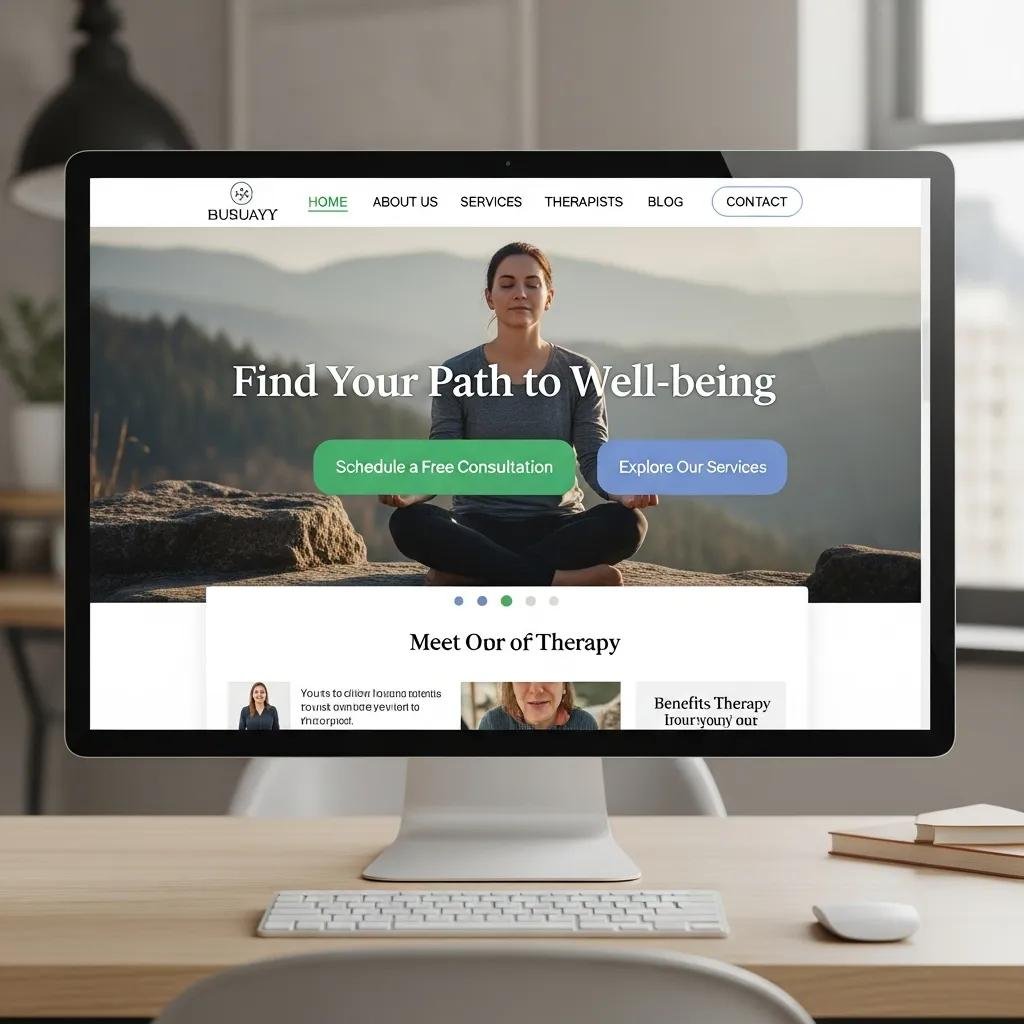
Calls-to-action (CTAs) are essential for guiding visitors toward taking the next step, whether that be scheduling an appointment or signing up for a newsletter. This section will explore effective strategies for implementing CTAs on therapy websites.
Indeed, a well-crafted call-to-action serves as a crucial catalyst, transforming website visitors into engaged clients and significantly boosting lead generation efforts.
Call-to-Action Strategies for Therapy Website Conversion
A well-crafted call-to-action (CTA) is the catalyst that turns website visitors into loyal customers. It’s more than just a button or a line of text-it’s a strategic element that guides users toward taking the next step in their journey. Whether it’s subscribing to a newsletter, downloading a guide, or making a purchase, a strong CTA can significantly boost your lead generation efforts.
The Power of a Strong Call-to-Action: Maximizing Lead Generation| Playful Sparkle, 2024
What Are Effective Call-to-Action Strategies for Therapists?
Effective call-to-action strategies for therapists include:
- Clear Language: Use direct and actionable language, such as “Schedule Your Free Consultation Today!” or “Contact Us for More Information.”
- Visibility: Place CTAs prominently on the website, ensuring they are easily accessible without overwhelming the visitor.
- Incentives: Offer incentives, such as free resources or discounts, to encourage visitors to take action.
How to Guide Visitors Seamlessly from Interest to Booking?
Guiding visitors seamlessly from interest to booking involves creating a smooth user journey. Consider the following techniques:
- User-Friendly Navigation: Ensure that the website is easy to navigate, with clear pathways to important information and booking options.
- Follow-Up Communication: Implement follow-up emails or messages to engage visitors who have shown interest but have not yet booked an appointment.
- Streamlined Booking Process: Simplify the booking process to minimize barriers for potential clients. A straightforward online scheduling system can significantly enhance user experience.
By focusing on these aspects, therapists can create a seamless transition from initial interest to booking an appointment.
How to Integrate SEO Best Practices into Therapy Website Copywriting?
Integrating SEO best practices into therapy website copywriting is essential for improving visibility and attracting potential clients. This section will outline key strategies for optimizing website content.
Which Keywords and Phrases Boost Visibility for Therapy Practices?
Identifying effective keywords and phrases is crucial for boosting visibility. Therapists should consider the following strategies:
- Keyword Research: Utilize tools to identify relevant keywords that potential clients are searching for, such as “therapy for anxiety” or “couples counseling.”
- Long-Tail Keywords: Focus on long-tail keywords that are more specific and less competitive, increasing the chances of ranking higher in search results.
- Local SEO: Incorporate location-based keywords to attract clients in your area, such as “therapy in [City Name].”
By strategically using these keywords, therapists can enhance their online presence and attract more visitors to their websites.
How to Balance Readability and Search Engine Optimization?
Balancing readability and search engine optimization involves creating content that is both engaging for readers and optimized for search engines. Consider the following tips:
- Natural Language: Write in a conversational tone that is easy to read and understand. Avoid overly complex language that may alienate potential clients.
- Keyword Placement: Integrate keywords naturally within the content, ensuring they fit seamlessly into the narrative without disrupting flow.
- Formatting: Use headings, bullet points, and short paragraphs to enhance readability and make the content more digestible.
By maintaining this balance, therapists can create content that appeals to both readers and search engines.
What Tools and Templates Help Therapists Craft Compelling Website Copy?
Utilizing tools and templates can significantly enhance the process of crafting effective website copy. This section will explore resources that can assist therapists in creating engaging content.
How to Use Downloadable Checklists and Templates for Therapy Copywriting?
Downloadable checklists and templates can streamline the copywriting process.
Therapists can benefit from:
- Content Templates: Use templates for service descriptions, about pages, and blog posts to ensure consistency and clarity in messaging.
- Checklists: Implement checklists to guide the writing process, ensuring all essential elements are included in the final copy.
- Style Guides: Develop a style guide to maintain a consistent tone and voice across all website content.
What Examples Illustrate Successful Therapy Website Messaging?
Successful therapy website messaging can be illustrated by the following examples:
- Empathetic and Client-Focused Messaging: Phrases like “We understand how overwhelming life can be” create a welcoming and supportive tone that resonates with potential clients.
- Clear Service Descriptions: Listing specific therapy services such as individual therapy, couples counseling, and group therapy helps clients understand offerings.
- Strong Calls to Action: Using direct prompts like “Schedule Your Free Consultation Today!” encourages visitors to take the next step.
These examples focus on empathy, clarity, and engagement, which are effective in connecting with potential clients.