Effective Strategies for Optimizing Therapy Landing Pages
High-Converting Landing Pages for Therapy Services: How to Design and Optimize for Client Acquisition
Creating high-converting landing pages is essential for therapy services aiming to attract and retain clients. A well-designed landing page not only captures attention but also guides potential clients through the decision-making process. In this article, we will explore the key elements that contribute to high-converting therapy landing pages, focusing on design strategies, user experience, and effective client acquisition techniques. Many therapists struggle with converting website visitors into clients, often due to poorly designed landing pages that fail to communicate value. This guide will provide actionable insights into optimizing your landing pages for better client acquisition. We will cover essential components, design enhancements, successful examples, integration of client acquisition strategies, and the latest best practices for 2024.
What Are the Key Elements of a High-Converting Therapy Landing Page?
A high-converting therapy landing page incorporates several critical elements that work together to engage visitors and encourage them to take action. These elements include clear calls to action, authentic client testimonials, and visually appealing design. Each component plays a vital role in building trust and guiding potential clients toward making an appointment.
How Do Clear Calls to Action Improve Therapy Website Conversions?

Clear calls to action (CTAs) are essential for guiding visitors toward desired actions on a therapy landing page. Effective CTAs are specific, actionable, and visually distinct, making them easy to identify. For instance, phrases like “Schedule Your Free Consultation” or “Get Started Today” create a sense of urgency and encourage immediate action. Research shows that landing pages with prominent CTAs can increase conversion rates by up to 200%. By strategically placing CTAs throughout the page, therapists can effectively lead potential clients through the decision-making process.
Why Are Authentic Client Testimonials Essential for Building Trust?
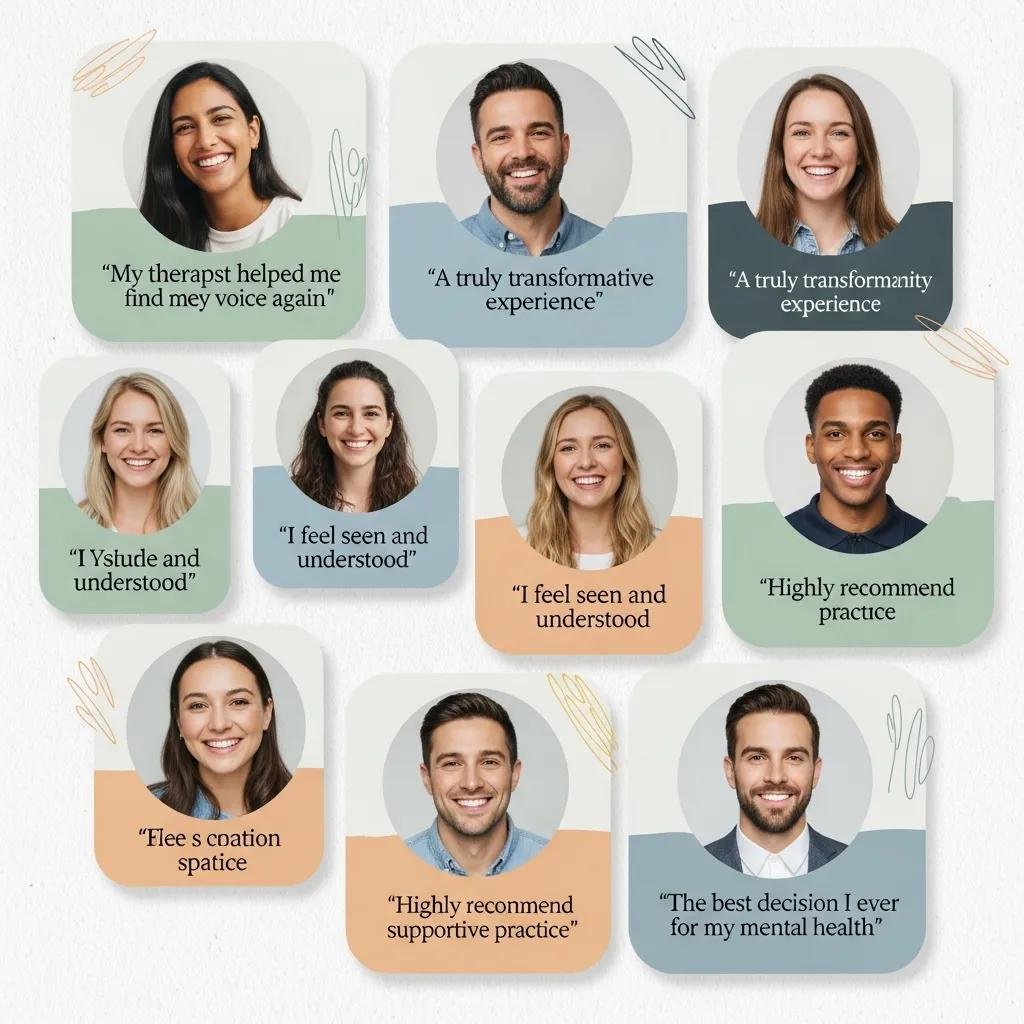
Authentic client testimonials serve as powerful social proof that can significantly influence potential clients’ decisions. When visitors see positive feedback from others who have benefited from therapy services, they are more likely to trust the provider. Effective testimonials should highlight specific outcomes and experiences, making them relatable to prospective clients. Collecting testimonials can be done through follow-up surveys or direct requests after successful therapy sessions. By showcasing these testimonials prominently on the landing page, therapists can enhance their credibility and encourage new clients to take the next step.
How Can Therapy Landing Page Design Enhance User Experience and Accessibility?
The design of a therapy landing page plays a crucial role in enhancing user experience and ensuring accessibility for all visitors. A well-structured layout, intuitive navigation, and mobile responsiveness are key factors that contribute to a positive user experience. By prioritizing these design elements, therapists can create landing pages that are not only visually appealing but also functional and easy to use.
What Role Does Mobile Responsiveness Play in Therapy Website Success?
Mobile responsiveness is vital for therapy websites, as a significant portion of users access the internet via mobile devices. A mobile-responsive design ensures that the landing page adapts seamlessly to different screen sizes, providing an optimal viewing experience. Statistics indicate that over 60% of web traffic comes from mobile devices, making it essential for therapists to prioritize mobile-friendly designs. By implementing responsive design techniques, therapists can improve user engagement and reduce bounce rates, ultimately leading to higher conversion rates.
How Does Accessibility Improve Engagement for Mental Health Websites?
Accessibility features are crucial for ensuring that all potential clients, including those with disabilities, can navigate therapy websites effectively. Implementing accessibility best practices, such as alt text for images, keyboard navigation, and screen reader compatibility, enhances user engagement. Research shows that accessible websites not only reach a broader audience but also foster a sense of inclusivity. By prioritizing accessibility, therapists can create a welcoming environment that encourages all individuals to seek the help they need.
Which Therapy Website Examples Showcase Best Practices in Conversion Optimization?
Examining successful therapy websites can provide valuable insights into effective design and conversion optimization strategies. By analyzing these examples, therapists can identify key features that contribute to high conversion rates and apply similar techniques to their own landing pages.
What Features Make Trauma Therapist Landing Pages Effective?
Effective trauma therapist landing pages often include features such as calming visuals, clear messaging, and easy navigation. For instance, a well-designed landing page may use soft color palettes and imagery that evoke a sense of safety and comfort. Additionally, concise and empathetic messaging can resonate with potential clients seeking support. Successful trauma therapist websites also prioritize user-friendly layouts that guide visitors toward booking appointments without overwhelming them with information.
How Do Couples Counselor Websites Use Design to Attract Clients?
Couples counselor websites typically employ design strategies that emphasize connection and communication. Features such as engaging visuals, relatable content, and testimonials from couples can create an inviting atmosphere. Effective messaging that addresses common relationship challenges can also resonate with potential clients. By showcasing their expertise and understanding of couples’ dynamics, these websites can attract clients seeking help in their relationships.
How Do Client Acquisition Strategies Integrate with Therapy Landing Pages?
Integrating effective client acquisition strategies into therapy landing pages is essential for maximizing conversion potential. By employing SEO best practices and online appointment scheduling, therapists can enhance their visibility and streamline the client onboarding process.
What SEO Best Practices Boost Visibility for Therapy Websites?
Implementing SEO best practices is crucial for improving the visibility of therapy websites in search engine results. Key strategies include optimizing on-page elements such as title tags, meta descriptions, and header tags with relevant keywords. Additionally, creating high-quality, informative content that addresses common client concerns can attract organic traffic. Building backlinks from reputable sources and utilizing local SEO techniques can further enhance visibility, making it easier for potential clients to find therapy services.
How Can Online Appointment Scheduling Increase Conversion Rates?
Online appointment scheduling simplifies the process for potential clients, making it easier for them to take action. By integrating scheduling tools directly into the landing page, therapists can reduce barriers to entry and encourage immediate bookings. Research indicates that websites with online scheduling options experience higher conversion rates, as clients appreciate the convenience and flexibility. By offering this feature, therapists can enhance the user experience and increase the likelihood of securing new clients.
What Are the Latest Mental Health Website Best Practices for 2024?
As the digital landscape evolves, staying updated on the latest best practices for mental health websites is essential for therapists. Emerging trends in design, content personalization, and technology integration can significantly impact client engagement and conversion rates.
Why Is Calming Visual Design Important for Therapy Websites?
Calming visual design is crucial for therapy websites, as it sets the tone for the user experience. Soft colors, soothing imagery, and clean layouts can create a sense of tranquility, making visitors feel more comfortable. Research suggests that visually appealing designs can enhance user engagement and reduce anxiety, which is particularly important for individuals seeking mental health support. By prioritizing calming design elements, therapists can foster a welcoming environment that encourages potential clients to explore their services.
How Does Personalized ‘About Me’ Content Build Human Connection?
Personalized ‘About Me’ content is an effective way to build a human connection with potential clients. By sharing personal stories, professional backgrounds, and therapeutic approaches, therapists can create a relatable narrative that resonates with visitors. This content should highlight the therapist’s values, expertise, and commitment to client well-being. Research indicates that personalized content can enhance trust and rapport, making it more likely for potential clients to reach out for support. By incorporating authentic and relatable ‘About Me’ sections, therapists can strengthen their connection with visitors and encourage them to take the next step.