Discover Top Web Design Trends for Therapists in 2024
2024 Therapist Website Design Trends for Engagement & Security
In the evolving landscape of mental health services, having a modern and effective website is crucial for therapists. This article explores the top web design trends for therapists in 2024, focusing on how these trends can enhance client engagement and improve overall user experience. As mental health professionals increasingly rely on their online presence to connect with clients, understanding the latest design trends becomes essential. This guide will cover visual aesthetics, user experience improvements, security features, SEO strategies, and interactive elements that can transform a therapist’s website into a powerful tool for practice growth. By implementing these strategies, therapists can create a secure, responsive, and user-friendly online environment that fosters healing and growth.
What Are the Latest Visual Aesthetic Trends for Therapist Websites in 2024?
Visual aesthetics play a significant role in how clients perceive a therapist’s website. In 2024, several design trends are emerging that can enhance the overall user experience and convey a sense of professionalism and trust.
How Do Minimalist Layouts Enhance Mental Health Website Usability?
Minimalist layouts are gaining popularity among therapist websites due to their ability to enhance usability. By reducing clutter and focusing on essential elements, these designs improve navigation and make it easier for clients to find the information they need. A clean, simple interface minimizes cognitive load, allowing users to engage with content without distractions. This approach not only improves user satisfaction but also encourages potential clients to explore services offered.
Research further emphasizes the importance of these design principles for mental health applications, highlighting elements like singular focus and explicit navigation.
E-Health Design for Mental Illness: Key Elements
Critical Design Elements of E-Health Applications for Users With Severe Mental Illness: Singular Focus, Simple Architecture, Prominent Contents, Explicit Navigation, and Inclusive Hyperlinks
Critical design elements of e-health applications for users with severe mental illness: singular focus, simple architecture, prominent contents, explicit navigation, and …, SM Eack, 2015
Which Calming Color Palettes and Typography Styles Resonate with Therapy Clients?
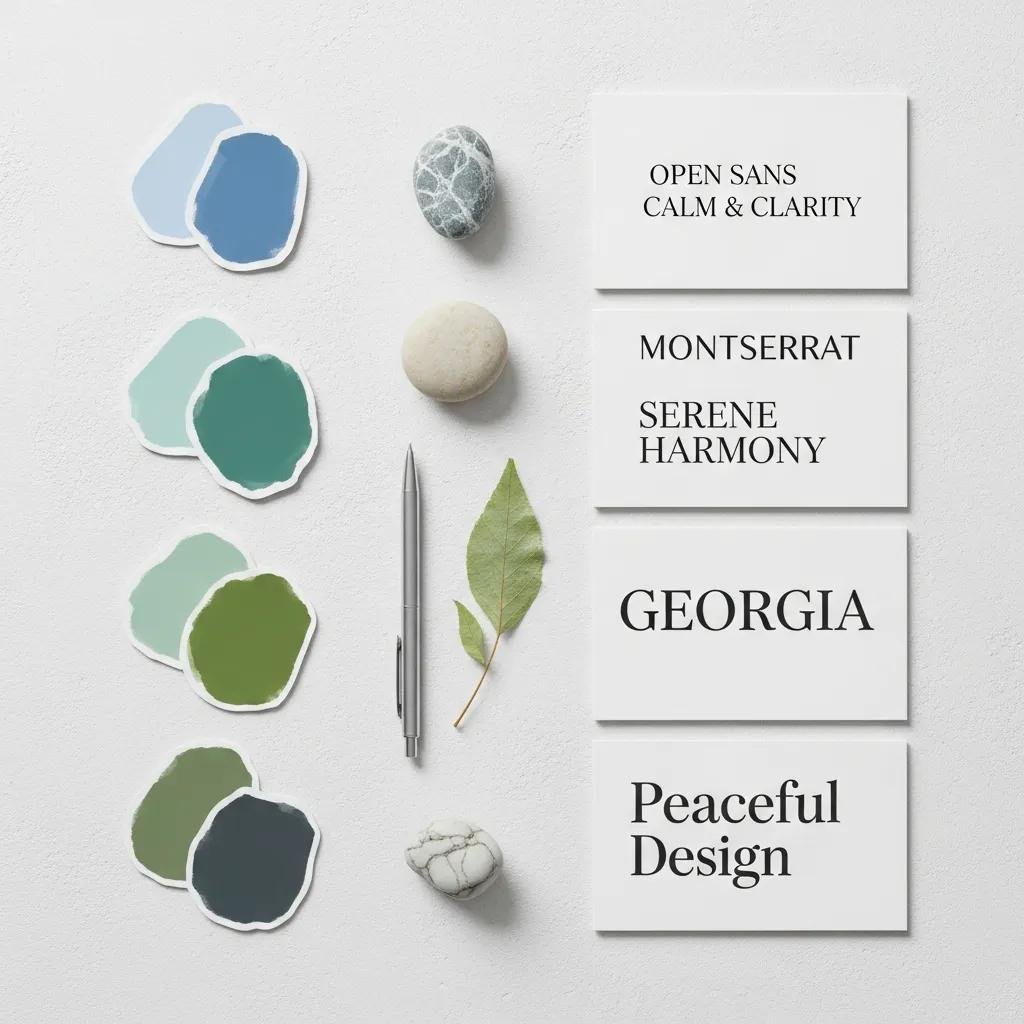
Color psychology plays a crucial role in website design, especially for therapists. Calming color palettes, such as soft blues and greens, evoke feelings of tranquility and trust, making clients feel more at ease. Additionally, typography styles that prioritize readability, such as sans-serif fonts, enhance the overall user experience. By carefully selecting colors and fonts, therapists can create a welcoming online environment that resonates with their clients’ emotional needs.
Therapeia Web Design specializes in creating secure, responsive, and user-friendly websites tailored for therapists, counselors, and coaches. Their focus on building a robust digital foundation supports healing and growth, establishing credibility, and enhancing online visibility for mental health professionals.
How Can Therapists Improve User Experience and Accessibility on Their Websites?
Improving user experience and accessibility is essential for therapists looking to attract and retain clients. By implementing best practices in navigation and design, therapists can create a more inclusive online environment.
What Are Best Practices for Intuitive Navigation and Information Architecture?
Intuitive navigation is critical for ensuring that clients can easily find the information they need. Best practices include clear labeling of navigation items, logical flow of information, and the use of breadcrumb trails to help users understand their location within the site. By organizing content effectively, therapists can enhance user satisfaction and encourage clients to engage more deeply with their services.
Why Is Mobile-First Responsiveness Essential for Private Practice Websites?
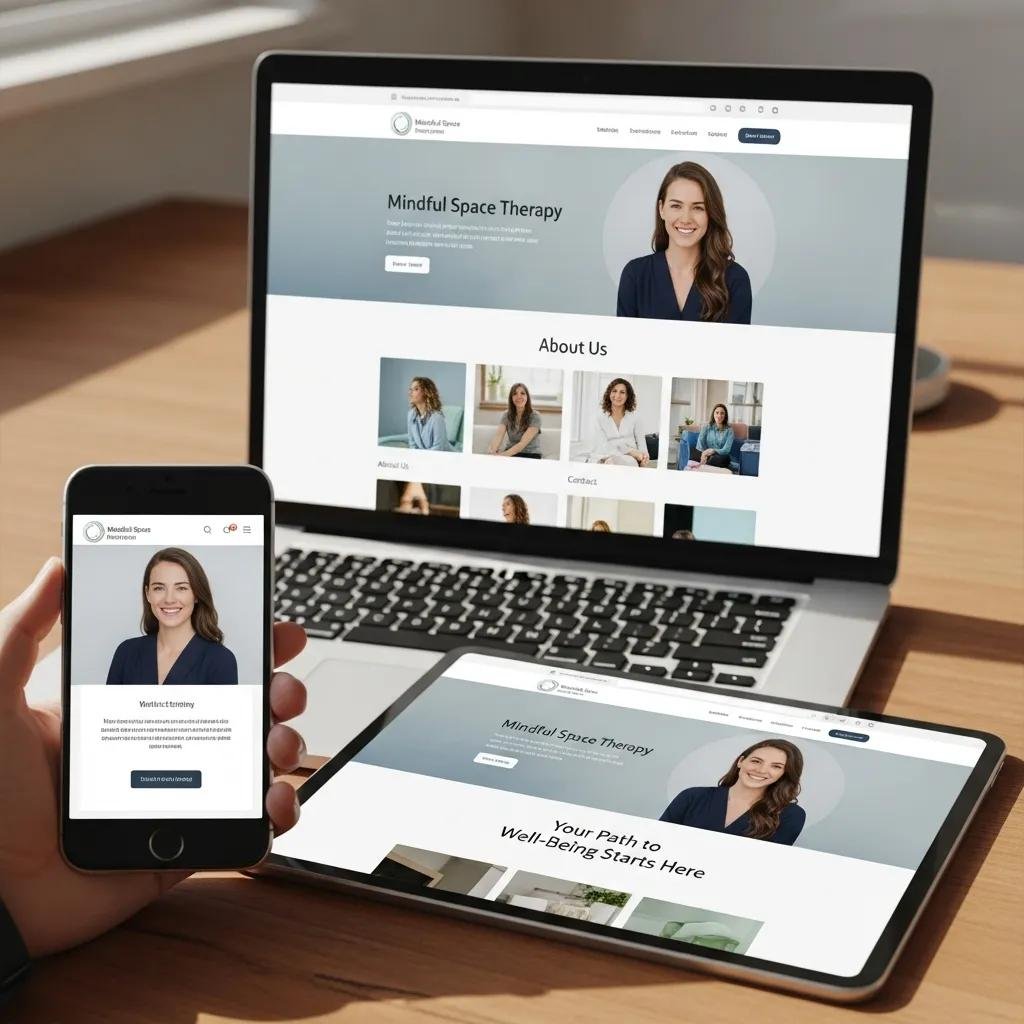
With the increasing use of mobile devices, mobile-first responsiveness has become essential for therapist websites. A mobile-responsive design ensures that the website functions seamlessly across various devices, providing a consistent user experience. Statistics show that over half of all web traffic comes from mobile devices, making it crucial for therapists to prioritize mobile optimization. This approach not only improves client engagement but also positively impacts search engine rankings.
What Security, Privacy, and Compliance Features Must Therapist Websites Include in 2024?
As therapists handle sensitive client information, security and compliance are paramount. In 2024, several key features should be integrated into therapist websites to protect client data and ensure ethical practices.
How Do HIPAA-Compliant Website Features Protect Client Data?
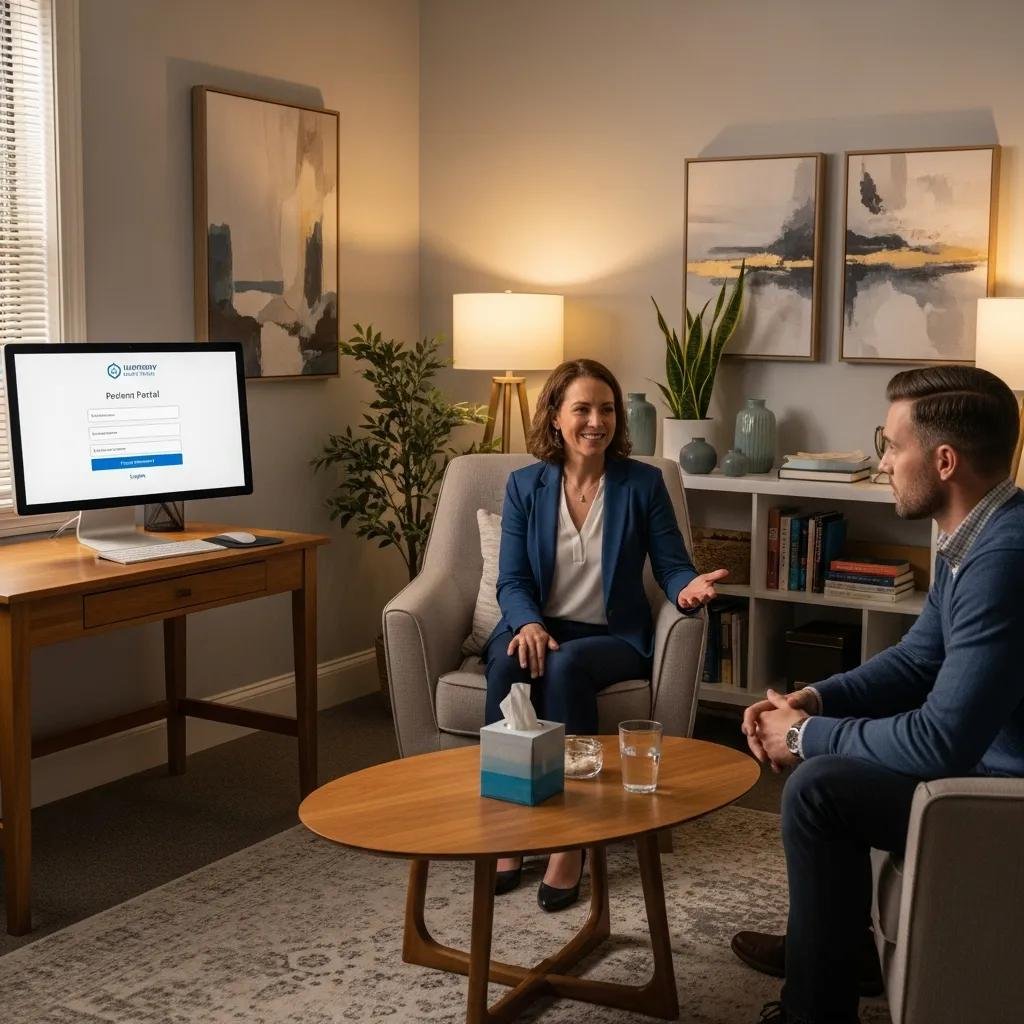
HIPAA compliance is essential for therapists to safeguard client information. Key features include secure data transmission methods, such as SSL certificates, and the implementation of secure client portals that allow for safe communication. However, simply having an SSL certificate or a client portal does not guarantee full HIPAA compliance; therapists must ensure that all electronic communications and data storage meet HIPAA standards, often requiring additional safeguards and business associate agreements. By ensuring that their websites meet HIPAA standards, therapists can protect client confidentiality and build trust with their clients.
This framework for best practices is further elaborated by acts like HIPAA and HITECH, which guide the ethical integration of technology in counseling.
HIPAA & HITECH Best Practices for Counselor Technology
The Health Insurance Portability and Accountability Act (HIPAA) and the Health Information Technology for Economic and Clinical Health (HITECH) Act provide a framework for best practices that counselor educators can utilize when incorporating the use of technology into counselor education programs.
Technology in Counselor Education: HIPAA and HITECH as Best Practice., 2015
What Are Ethical Data Handling and Privacy Policy Best Practices for Counselors?
Ethical data handling practices are crucial for maintaining client trust. Therapists should clearly communicate their data usage policies, ensuring clients understand how their information will be used and stored. Best practices include obtaining informed consent, providing transparent privacy policies, and allowing clients to access and delete their data where applicable. By prioritizing ethical data handling, therapists can foster a sense of security and trust with their clients.
The importance of secure website design services cannot be overstated. By partnering with professionals like Therapeia Web Design, therapists can ensure their websites are not only visually appealing but also secure and compliant with industry standards.
Which SEO and Visibility Strategies Help Therapists Attract More Clients Online?
In the competitive landscape of mental health services, effective SEO strategies are essential for therapists to enhance their online visibility and attract more clients.
How Can Entity-Focused SEO Boost Therapist Website Rankings?
Entity-focused SEO involves optimizing content around specific entities relevant to the therapist’s practice. By understanding the relationships between different entities, therapists can create content that resonates with search engines and improves rankings. This approach includes using relevant keywords, optimizing meta tags, and creating high-quality content that addresses client needs.
What Local SEO Techniques Optimize Mental Health Practice Visibility?
Local SEO techniques are vital for therapists looking to attract clients in their geographic area. Strategies include optimizing Google Business Profile listings, ensuring consistent NAP (Name, Address, Phone) information across platforms, and encouraging client reviews. By focusing on local SEO, therapists can enhance their visibility in search results and connect with potential clients in their community.
What Interactive Features Enhance Client Engagement on Therapy Websites?
Interactive features can significantly enhance client engagement on therapy websites. By incorporating tools that facilitate communication and scheduling, therapists can create a more dynamic online experience.
How Do Integrated Online Booking and Scheduling Systems Benefit Therapists?
Online booking and scheduling systems streamline appointment scheduling for both therapists and clients. These systems allow clients to book appointments at their convenience, reducing the administrative burden on therapists. Additionally, integrated systems can send automated reminders, improving attendance rates and client satisfaction.
What Are the Ethical Considerations for AI-Assisted Client Support and Personalized Content?
As technology advances, ethical considerations surrounding AI-assisted client support become increasingly important. Therapists must ensure that AI tools maintain client confidentiality and do not replace the human touch essential to therapy. Balancing technology with personal interaction is crucial for maintaining the therapeutic relationship while leveraging the benefits of AI for personalized content delivery.
Different security features relevant to therapist websites can be compared to understand their importance in protecting client data.
This comparison highlights the essential security features that therapists should prioritize to protect client information effectively.