Discover Top WCAG Tools for Therapist Website Audits
Free Accessibility Checkers for Therapist Websites: How to Ensure ADA and WCAG Compliance Easily
In today’s digital landscape, ensuring that your therapist website is accessible to all users is not just a best practice; it’s a legal requirement under the Americans with Disabilities Act (ADA) and the Web Content Accessibility Guidelines (WCAG). This article will explore the importance of free accessibility checkers for therapist websites, detailing how these tools can help identify compliance issues and improve user experience. By understanding the role of accessibility checkers, therapists can enhance their online presence and ensure that their services are available to everyone, including those with disabilities. We will cover the types of accessibility checkers available, how to interpret their results, common issues faced by therapist websites, and when to consider professional audits.
What Are Free Website Accessibility Checkers and Why Do Therapists Need Them?
Free website accessibility checkers are tools designed to evaluate websites for compliance with accessibility standards, such as the ADA and WCAG. These tools scan websites for common accessibility issues, providing insights into how well a site accommodates users with disabilities. For therapists, having an accessible website is crucial not only for legal compliance but also for fostering an inclusive environment for all clients. Accessibility checkers help identify barriers that may prevent individuals with disabilities from accessing vital mental health resources.
How Do Accessibility Checkers Help Identify Website Issues?
Accessibility checkers function by analyzing various elements of a website, including text readability, image descriptions (alt text), and navigation structures. They highlight issues such as poor color contrast, missing alt text for images, and non-keyboard navigable elements. By pinpointing these problems, therapists can make necessary adjustments to improve user experience and ensure compliance with legal standards. This proactive approach not only enhances the website’s usability but also demonstrates a commitment to inclusivity.
What Are the Limitations of Free Accessibility Tools for Therapist Websites?
While free accessibility tools are valuable, they do have limitations. Many of these tools may not catch all accessibility issues, particularly those that require human judgment, such as the context of content or the overall user experience. Additionally, free tools often provide a basic overview without in-depth analysis, which may lead to missed critical compliance areas. Therefore, therapists should consider these tools as a starting point rather than a comprehensive solution and be prepared to seek professional audits for a thorough evaluation.
Research further highlights the effectiveness and limitations of various automated accessibility evaluation tools in identifying web accessibility issues.
Evaluating Automated Accessibility Checkers for WCAG Compliance
Digital accessibility ensures that websites and applications are usable by everyone, regardless of ability. In order to make sure web content complies with accessibility standards, automated accessibility evaluation tools have grown in significance. This paper investigates the effectiveness of automated accessibility evaluation tools (AAETs) for identifying web accessibility issues. The research analyzed five prominent AAETs: Accessibility Insights, aXe DevTools, Lighthouse, SiteImprove, and WAVE and tested them against four popular news websites and one local news site.
Evaluating Automated Accessibility Checker Tools, 2024
Which Free Accessibility Checkers Are Best for Therapist Websites?
Several free accessibility checkers are particularly useful for therapist websites, each offering unique features and benefits. Understanding which tools to use can help therapists effectively assess their online presence.
How to Use WAVE and axe DevTools for Therapist Website Audits

WAVE and axe DevTools are two popular accessibility checkers that provide detailed reports on website compliance. WAVE offers a user-friendly interface that highlights accessibility issues directly on the webpage, making it easy to identify and address problems. To use WAVE, simply enter the website URL, and the tool will generate a report with visual indicators of issues. Axe DevTools, on the other hand, is a browser extension that allows for real-time testing during the development process. By integrating these tools into their workflow, therapists can ensure ongoing compliance and improve their website’s accessibility.
Comparing Siteimprove, Silktide, and Other Online Accessibility Testing Tools
Siteimprove and Silktide are additional tools that offer comprehensive accessibility testing features. Siteimprove provides a detailed analysis of website performance, including accessibility, SEO, and content quality. Silktide focuses on user experience and compliance, offering actionable insights to improve website accessibility. Both tools require a subscription for full features but often provide free trials that therapists can utilize to assess their websites. By comparing these tools, therapists can choose the best fit for their specific needs and budget.
How to Interpret WCAG and ADA Compliance Results from Free Checkers?
Interpreting the results from accessibility checkers is crucial for understanding compliance with WCAG and ADA standards. These results typically include a list of identified issues, their severity, and recommendations for remediation.
What Are Key WCAG 2.1 AA Guidelines Relevant to Therapist Websites?
The WCAG 2.1 AA guidelines outline essential criteria for web accessibility, including text alternatives for non-text content, sufficient contrast between text and background, and navigable content. For therapist websites, adhering to these guidelines ensures that all users, including those with visual impairments or cognitive disabilities, can access information and services. Understanding these guidelines helps therapists prioritize which issues to address first, ultimately leading to a more accessible website.
Studies emphasize the critical role of WCAG compliance for healthcare websites, ensuring that vital resources are accessible to all individuals, including those with disabilities.
WCAG Compliance for Healthcare Websites Using Automated Tools
The Web Content Accessibility Guidelines (WCAG) were created to provide universal web practices which complement the needs of all individuals, such as those with low vision or screen readers users. However, many websites and the resources within them (e.g., PDFs) do not prioritise WCAG, leaving individuals with disabilities at a disadvantage in terms of their autonomy and health literacy. This mixed methods study evaluates compliance to WCAG success criteria using automatic web accessibility evaluation tools, specifically WAVE and AChecker.
Readily available but how accessible?:
An analysis of the web accessibility of healthcare-related resources, L Cockburn, 2023
How Does ADA Compliance Impact Mental Health Practice Websites?
ADA compliance is not just a legal obligation; it also impacts the reputation and reach of mental health practices. A compliant website fosters trust and credibility among potential clients, demonstrating a commitment to inclusivity. Furthermore, as more individuals seek mental health services online, having an accessible website can significantly enhance client engagement and retention. Therapists who prioritize accessibility are better positioned to serve a diverse clientele and meet the growing demand for online mental health resources.
What Common Accessibility Issues Do Therapist Websites Face and How Can Free Checkers Detect Them?
Therapist websites often encounter several common accessibility issues that can hinder user experience. Identifying these problems early is essential for compliance and user satisfaction.
A recent study specifically examined the accessibility and performance of mental health webpages, highlighting the importance of open-source tools in evaluating compliance with WCAG 2.1 AA and overall user experience.
Assessing Mental Health Webpage Accessibility with Open-Source Tools
This study examined the accessibility and performance of Canadian universities’ MH webpages. We used open-source tools to examine performance metrics and webpage accessibility. Specifically, we assessed performance metrics such as perceived load speed, page responsiveness, and visual stability. Webpage accessibility metrics included webpage compliance with Web Content Accessibility Guidelines (WCAG) 2.1 AA and webpage content readability.
Evaluating webpage performance and web accessibility of Canadian universities’ mental health service webpages, 2025
How to Identify Alt Text, Color Contrast, and Keyboard Navigation Problems
Accessibility checkers can effectively identify issues such as missing alt text for images, inadequate color contrast, and keyboard navigation barriers. Alt text is crucial for visually impaired users who rely on screen readers to understand image content. Color contrast must meet specific ratios to ensure readability for all users. Additionally, websites should be navigable using a keyboard alone, as some users may not be able to use a mouse. By addressing these issues, therapists can create a more inclusive online environment.
Why Mobile Accessibility Matters for Therapy Clients Searching Online
With the increasing use of mobile devices for internet access, ensuring mobile accessibility is vital for therapist websites. Many clients search for mental health services on their smartphones, making it essential that websites are responsive and easy to navigate on smaller screens. Accessibility checkers can help identify mobile-specific issues, such as touch target sizes and responsive design elements, ensuring that all users have a positive experience regardless of the device they use.
When Should Therapists Move Beyond Free Accessibility Checkers to Professional Audits?
While free accessibility checkers are a great starting point, there are times when therapists should consider professional audits for a more comprehensive evaluation.
What Are the Benefits of Manual Accessibility Audits for Therapist Websites?
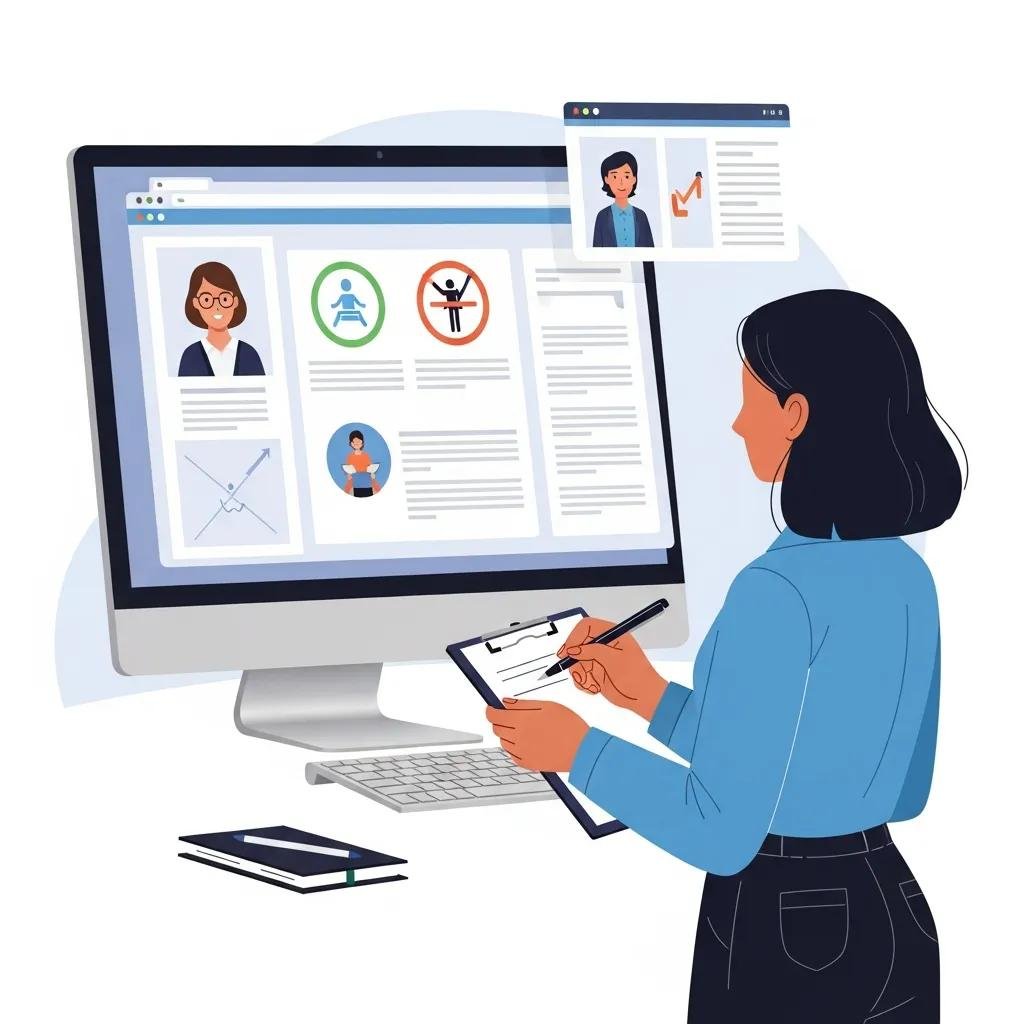
Manual accessibility audits provide a thorough examination of a website’s compliance with accessibility standards. Trained professionals can identify nuanced issues that automated tools may miss, such as the context of content and user experience. These audits often include detailed reports with actionable recommendations, helping therapists prioritize improvements effectively. Investing in a professional audit can lead to significant enhancements in website accessibility and user satisfaction.
How Therapeia Web Design Supports ADA and WCAG Compliance Through Expert Services
Therapeia Web Design specializes in creating secure, responsive, and user-friendly websites specifically for therapists, counselors, and coaches. Their services include a “Website in a Week” option for rapid deployment and general “Therapist and Coach Websites” focusing on establishing credibility and growth. By partnering with experts in web design, therapists can ensure their websites meet ADA and WCAG compliance standards, ultimately enhancing their online presence and client engagement.
How Can Therapists Use Free Accessibility Checkers to Improve Website User Experience and SEO?
Utilizing free accessibility checkers not only aids in compliance but also enhances overall website user experience and SEO performance.
What SEO Benefits Come from Enhanced Website Accessibility?
Improving website accessibility can lead to significant SEO benefits. Search engines prioritize user experience, and accessible websites often rank higher due to better usability and engagement metrics. Features such as descriptive alt text and proper heading structures not only assist users with disabilities but also help search engines understand the content better. By focusing on accessibility, therapists can improve their website’s visibility and attract a broader audience.
How to Integrate Accessibility Features for Better Client Engagement
Integrating accessibility features into therapist websites can enhance client engagement. Simple adjustments, such as ensuring clear navigation, providing text alternatives for images, and optimizing for mobile devices, can make a significant difference in user experience. Additionally, soliciting feedback from clients about their website experience can provide valuable insights for ongoing improvements. By prioritizing accessibility, therapists can create a welcoming online environment that encourages client interaction and trust.