Discover Innovative Digital Strategies for Therapist Success
New Digital Marketing Strategies for Therapy Practices in 2026: How Therapists Can Build Online Presence and Attract Clients
In the rapidly evolving landscape of mental health services, digital marketing has become a crucial tool for therapists, counselors, and coaches. This article explores new digital marketing strategies tailored specifically for therapy practices in 2026, focusing on how these professionals can enhance their online presence and attract ideal clients. As the demand for mental health services continues to rise, establishing a robust digital footprint is essential for practice growth. Readers will learn about effective website design, SEO strategies, social media marketing, and the role of AI in modern marketing. By addressing these key areas, therapists can overcome common challenges in client acquisition and engagement, ultimately fostering a thriving practice.
Further emphasizing the importance of a strong digital foundation, experts highlight how leveraging online presence and digital products can significantly scale a therapy practice.
Scaling Therapy Practices: Online Presence, SEO & Digital Products
For professionals like therapists, scaling a practice often involves leveraging digital tools and strategies such as enhancing online presence, content marketing, SEO, public relations and networking. Digital products: This is an exciting avenue for private practice therapists looking to expand their reach and offer services beyond one-on-one sessions.
How to Scale Your Practice, 2024
Why Is Digital Marketing Essential for Therapy Practices in 2026?
Digital marketing is vital for therapy practices in 2026 due to the increasing reliance on online platforms for client engagement and service delivery. As more individuals seek mental health support through digital channels, therapists must adapt their marketing strategies to remain competitive. Effective digital marketing enhances client acquisition by utilizing targeted online strategies that resonate with potential clients. Moreover, a strong online presence builds trust and credibility, making it easier for clients to find and connect with therapists.
This perspective is reinforced by studies outlining comprehensive marketing strategies designed to boost patient acquisition and lead generation for therapists.
Marketing Strategy for Therapists: Patient Acquisition & Lead Generation
This article outlines a patient acquisition strategy which any physical or manual therapist can adopt to generate new leads and nurture these and existing leads through the sales funnel, thereby increasing the number of patients and ultimately the profitability of their practice.
A MARKETING STRATEGY FOR THERAPISTS., 2017
How Does Digital Marketing Enhance Client Acquisition for Therapists?
Digital marketing enhances client acquisition for therapists by leveraging various online strategies that effectively reach target audiences. For instance, search engine optimization (SEO) helps therapists appear in relevant search results, increasing visibility among potential clients. Additionally, engaging content marketing can attract and inform clients, establishing therapists as trusted authorities in their field. Social media platforms also provide opportunities for direct interaction, allowing therapists to connect with clients on a personal level and foster relationships that lead to appointments.
What Are the Key Benefits of a Strong Online Presence for Counselors and Coaches?
A strong online presence offers several key benefits for counselors and coaches. Firstly, it enhances trust and credibility, as clients are more likely to choose therapists with professional websites and active social media profiles. Secondly, an online presence increases accessibility, allowing clients to find and contact therapists easily. Lastly, it enables therapists to showcase their expertise through informative content, which can attract clients seeking specific services or support.
How to Design Effective Therapy Websites That Convert Clients
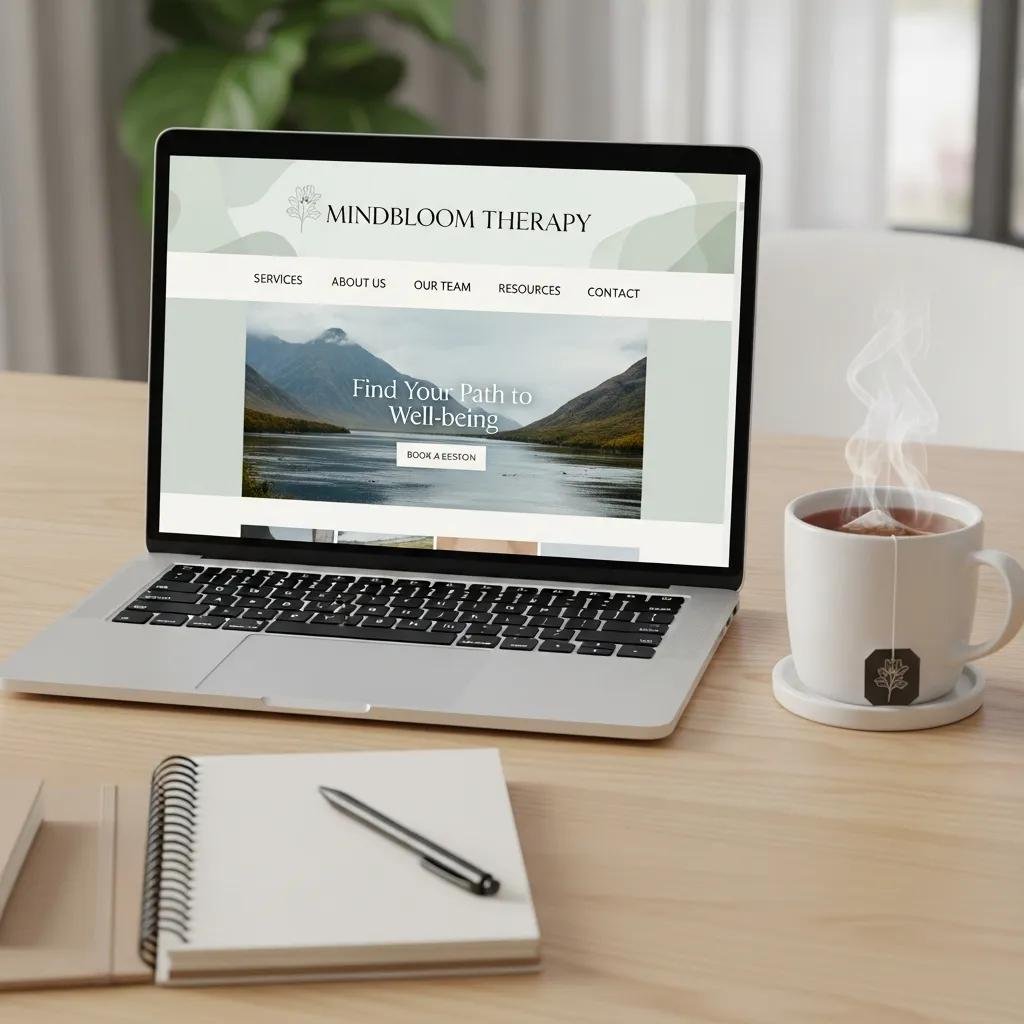
To design effective therapy websites that convert clients, consider the following strategies:
- Clear Value Proposition: Highlight the benefits of your services, such as “Your Dream Website in Just One Week – Stress-Free, Beautiful, and Ready to Launch!”
- Promotions: Offer incentives like discounts (e.g., “10% OFF Your New Website Template!”) to encourage potential clients to take action.
- User-Friendly Design: Ensure the website is easy to navigate with clear sections for services, contact information, and inquiries.
- Engagement Opportunities: Include options for visitors to join newsletters for updates and offers, which can help build a relationship with potential clients.
- Showcase Services: Clearly outline the services offered, such as private practice growth, coaching web design, and SEO & digital marketing.
- Quick Transformations: Emphasize the speed and efficiency of your services, which can appeal to clients looking for timely solutions.
- Contact Information: Make it easy for potential clients to reach out with clear contact details.
By implementing these strategies, therapy websites can effectively attract and convert clients.
What Are Best Practices for Responsive and User-Friendly Therapy Website Design?
Best practices for designing therapy websites include ensuring mobile responsiveness, as many clients will access services via smartphones. Additionally, intuitive navigation is crucial; clients should easily find information about services, contact details, and appointment scheduling. Incorporating clear calls-to-action (CTAs) throughout the site can guide visitors toward taking the next step, whether that’s booking a session or signing up for a newsletter.
Which Therapy Website Design Examples Inspire Client Trust and Engagement?
Effective therapy website designs often feature clean layouts, calming color schemes, and professional imagery that resonate with potential clients. For instance, websites that include client testimonials and case studies can enhance trust and engagement. Additionally, showcasing credentials and professional affiliations can further establish credibility, making clients feel more comfortable reaching out for support.
What Are the Most Effective SEO Strategies for Private Practice Therapists?
SEO strategies tailored for private practice therapists are essential for increasing online visibility and attracting clients. By optimizing their websites for search engines, therapists can ensure they appear in relevant search results, making it easier for potential clients to find them.
How Can Therapists Optimize Local SEO to Increase Visibility?
Therapists can optimize local SEO by claiming their Google Business Profile listing, which enhances visibility in local search results. Additionally, incorporating local keywords into website content can help attract clients searching for services in their area. Encouraging satisfied clients to leave positive reviews can also improve local rankings and build trust with potential clients.
What Keyword Research and On-Page SEO Techniques Work Best for Counselors?
Effective keyword research involves identifying terms and phrases that potential clients are likely to use when searching for therapy services. Tools like Google Keyword Planner can help therapists discover relevant keywords. On-page SEO techniques, such as optimizing title tags, meta descriptions, and header tags with these keywords, can significantly improve search engine rankings and drive traffic to therapy websites.
How Can Therapists Ethically Leverage Social Media Marketing?
Ethical social media marketing is crucial for therapists to maintain professionalism while engaging with potential clients. By carefully curating content and adhering to ethical guidelines, therapists can effectively use social media to promote their services and connect with their audience.
Which Social Media Platforms Are Best for Mental Health Professionals?
Platforms like Facebook, Instagram, and LinkedIn are particularly effective for mental health professionals. Facebook allows for community building and sharing resources, while Instagram’s visual nature can help convey messages of hope and healing. LinkedIn is ideal for networking with other professionals and sharing industry insights.
What Content Types and Ethical Guidelines Should Therapists Follow on Social Media?
Therapists should focus on sharing informative content, such as articles, videos, and infographics that educate their audience about mental health topics. Ethical guidelines include avoiding personal client information, maintaining confidentiality, and ensuring that all content is respectful and sensitive to the needs of potential clients.
What Paid Advertising Strategies Drive Growth for Therapy Practices?
Paid advertising can be an effective way for therapy practices to reach new clients and grow their businesses. By utilizing targeted ads, therapists can ensure their services are seen by individuals actively seeking mental health support.
How to Use Google Ads and Facebook Ads Effectively for Therapists?
Google Ads can be used to target specific keywords related to therapy services, ensuring that ads appear when potential clients search for those terms. Facebook Ads allow for demographic targeting, enabling therapists to reach specific audiences based on location, interests, and behaviors. Both platforms offer analytics tools to track ad performance and optimize campaigns for better results.
What Budgeting Tips Help Maximize ROI on Therapy Marketing Campaigns?
To maximize ROI on therapy marketing campaigns, therapists should set clear goals and budgets for their advertising efforts. Regularly reviewing ad performance and adjusting strategies based on data can help ensure that marketing dollars are spent effectively. Additionally, focusing on high-converting keywords and demographics can lead to better results and increased client acquisition.
Understanding and optimizing the return on investment (ROI) is critical for any digital marketing endeavor, particularly in healthcare, where various channels like SEO, social media, and AI analytics play a significant role.
Digital Marketing ROI for Healthcare: SEO, Social Media & AI Analytics
This chapter explains how healthcare providers can measure and improve the return on investment (ROI) from digital marketing campaigns. It introduces the ROI formula and applies it to healthcare-specific settings, showing how to align marketing efforts with clinical and business goals. The chapter covers strategic planning using the SMART framework, understanding patient preferences, and selecting appropriate digital marketing channels such as SEO, PPC, social media, email, mobile apps, and websites. Strategies for optimizing ROI in each channel are detailed, along with guidance on using key performance indicators (KPIs) to track outcomes. It explores analytics tools, tracking systems, and AI applications for data analysis, predictive modeling, personalization, and real-time campaign optimization.
Measuring ROI in Digital Marketing for Healthcare Providers, 2025
How Is AI Transforming Digital Marketing for Therapy Practices?

AI is revolutionizing digital marketing for therapy practices by providing tools that enhance client engagement and streamline marketing efforts. From chatbots to personalized content recommendations, AI technologies are making it easier for therapists to connect with potential clients.
What AI Tools Can Assist Therapists in Content Creation and Client Engagement?
AI tools like content generators and chatbots can assist therapists in creating engaging content and providing immediate responses to client inquiries. These tools can help therapists maintain an active online presence without overwhelming their schedules, allowing them to focus on client care.
How Do Chatbots and Personalized Client Journeys Improve Therapy Marketing?
Chatbots can provide instant support to website visitors, answering common questions and guiding them toward booking appointments. Personalized client journeys, facilitated by AI, can enhance the user experience by tailoring content and recommendations based on individual preferences and behaviors, ultimately leading to higher conversion rates.
This table illustrates how various digital marketing strategies can work together to enhance the online presence of therapy practices, ultimately leading to increased client acquisition and practice growth.
Therapists looking to thrive in the digital age must embrace these new marketing strategies. By focusing on effective website design, SEO, social media engagement, and the integration of AI tools, they can build a strong online presence that attracts and retains clients. As the landscape of mental health services continues to evolve, staying ahead of these trends will be essential for success.