Design Tips for an Effective PTSD Therapy Online Presence
Designing Effective Websites for Trauma Therapists: Essential Strategies and Examples to Build a Trusted Online Presence
Creating an effective website is crucial for trauma therapists aiming to establish a strong online presence. A well-designed website not only enhances visibility but also builds trust with potential clients. This article will explore essential strategies for designing websites specifically tailored for trauma therapists, focusing on the unique needs of this profession. Many therapists struggle with connecting to clients online, which can hinder their practice’s growth. By implementing trauma-informed design principles, therapists can create a welcoming and professional online environment. We will cover the importance of specialized websites, core design principles, essential features, SEO strategies, inspiring examples, and how to choose the right web design service.
Why Does a Specialized Trauma Therapist Website Matter?
A specialized website for trauma therapists is vital for establishing credibility and trust with potential clients. Such websites are designed to reflect the unique needs of trauma-informed care, which can significantly impact client engagement and retention. A well-crafted online presence not only enhances the professional image of the therapist but also facilitates deeper connections with clients seeking support.
How Does a Trauma-Informed Website Build Trust and Professionalism?

A trauma-informed website incorporates design elements that convey safety and professionalism. For instance, using calming colors, clear navigation, and accessible content can help create a sense of security for visitors. These design choices are essential in establishing trust, as clients are more likely to engage with a therapist whose website feels welcoming and supportive.
Indeed, studies confirm that a well-designed website, featuring clear information and an appealing layout, significantly boosts consumer interest and trust in mental health services.
Website Design for Mental Health: Building Trust & Engagement
Qualitative results indicated that websites that provided important and easily understood information about key features of services (e.g., types, evidence-base, and cost), therapist backgrounds, psychoeducation, used lay language, and had an appealing website layout (e.g., color, font, images, organization, and interactive components) generated greater consumer interest and trust in their mental health services.
… : a mixed-methods analysis of racially and ethnically diverse college students’ engagement with and perspectives on US university mental health clinics’ websites, Y Aguilar Silvan, 2024
What Role Does an Effective Online Presence Play in Client Connection?
Research indicates that a significant number of clients search for therapists online before making contact. An effective online presence can attract clients by showcasing the therapist’s expertise and approach. By providing valuable content and resources, therapists can connect with potential clients, making them feel understood and supported even before the first appointment.
What Are the Core Principles of Trauma-Informed Web Design?
Trauma-informed web design is guided by principles that prioritize safety, transparency, and client empowerment. These principles ensure that the website serves as a supportive tool for clients seeking help.
Research further emphasizes the importance of integrating trauma-informed principles directly into website design to create a more supportive online environment.
Applying Trauma-Informed Principles to Website Design
Focused, short engagements like the one described in this paper create greater awareness of how trauma-informed principles can be applied in website design. Society would also
Trauma-Informed Design: Leveraging Usability Heuristics on a Social Services Website, M Eggleston, 2024
How Do Safety and Psychological Transparency Influence Website Design?
Safety and transparency are paramount in trauma-informed design. Websites should include clear information about privacy policies, client confidentiality, and the therapeutic process. Features such as secure client portals can enhance the sense of safety, allowing clients to communicate with their therapists without fear of breaches in confidentiality.
Why Is Collaboration and Choice Important in Trauma-Informed Websites?
Collaboration and choice empower clients by allowing them to engage with the content and services that resonate with their needs. Websites should offer options for clients to choose their preferred methods of communication, appointment scheduling, and even therapeutic approaches. This sense of agency can significantly enhance the therapeutic relationship.
Which Essential Features Should Your Trauma Therapy Website Include?
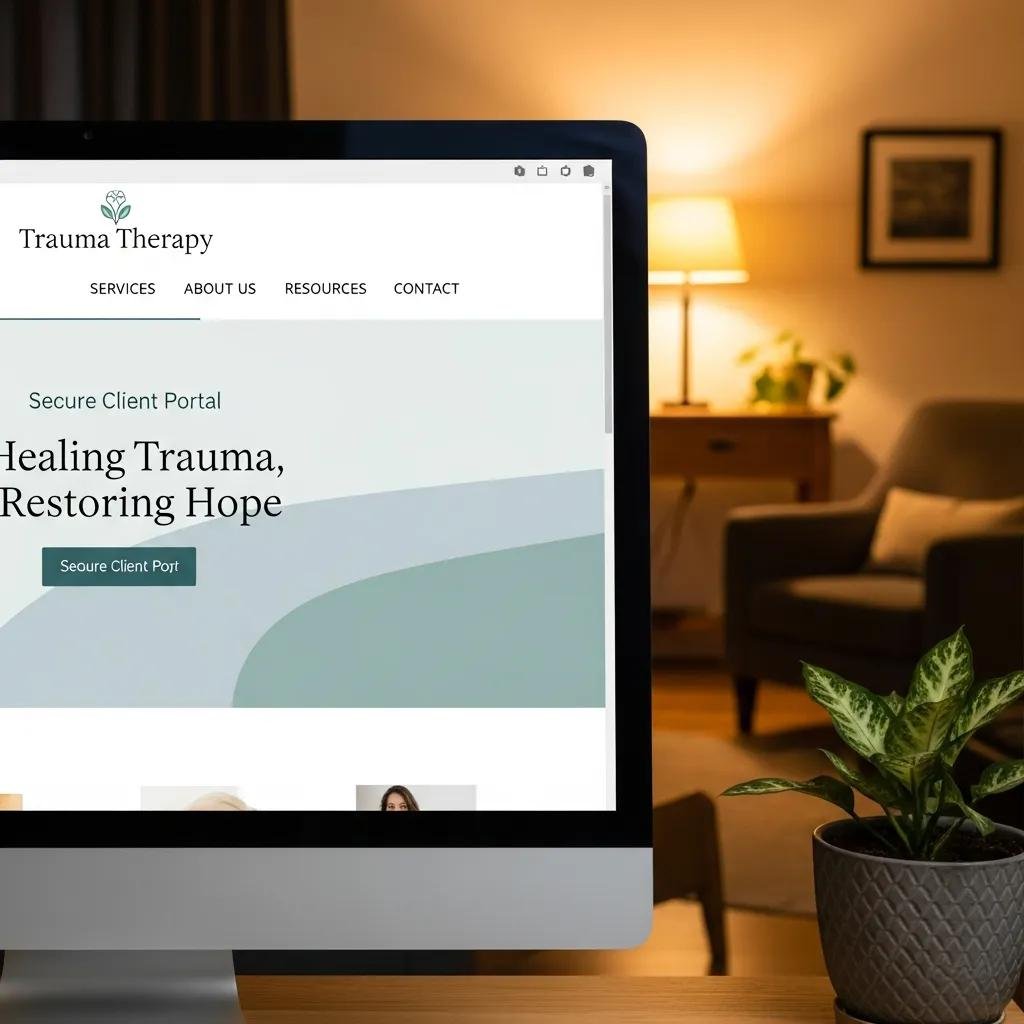
Incorporating essential features into a trauma therapy website can enhance its effectiveness and user experience. These features should cater to the specific needs of clients seeking trauma-informed care.
How Do Secure and Confidential Client Portals Support HIPAA Compliance?
Secure client portals are crucial for maintaining HIPAA compliance, ensuring that all client communications and records are protected. These portals allow clients to access their information, schedule appointments, and communicate with their therapists in a secure environment, fostering trust and confidentiality.
What Makes Messaging Clear, Compassionate, and Trauma-Sensitive?
Messaging on a trauma therapist’s website should be clear, compassionate, and trauma-sensitive. This includes using language that is empathetic and avoids triggering terms. Providing resources and information in a straightforward manner can help clients feel more comfortable and informed about the services offered.
Designing Effective Trauma Therapist Websites to Build Trust
Implementing effective SEO strategies is essential for increasing the visibility of trauma therapy practices online. By optimizing their websites, therapists can attract more clients and improve their online presence.
What Are Effective Local SEO Techniques for Private Practice Websites?
Local SEO techniques are vital for therapists looking to attract clients in their area. This includes optimizing Google Business Profile listings, using local keywords, and encouraging client reviews. These strategies help therapists appear in local search results, making it easier for potential clients to find them.
How Does Keyword Research Optimize Content for Mental Health Professionals?
Keyword research is a critical component of SEO that helps therapists understand what potential clients are searching for. By incorporating relevant keywords into their website content, therapists can improve their chances of ranking higher in search engine results, thus increasing their visibility to those seeking trauma therapy.
Where Can You Find Inspiring Trauma Therapy Website Design Examples?
Exploring examples of effective trauma therapy websites can provide valuable insights into best practices and innovative design elements.
What Are Modern Layouts and Styles for Therapist Websites?
Modern therapist websites often feature clean layouts, intuitive navigation, and responsive designs that adapt to various devices. These elements enhance user experience and ensure that clients can easily access information regardless of the device they are using.
How Do Portfolio Examples Showcase Trauma-Informed Design Elements?
Portfolio examples can effectively showcase trauma-informed design elements, such as calming color schemes, user-friendly interfaces, and accessible content. By analyzing successful designs, therapists can gain inspiration for their own websites, ensuring they meet the needs of their clients.
How Do You Choose the Right Web Design Service for Trauma Therapists?
Choosing the right web design service is crucial for trauma therapists looking to create an effective online presence. Here are some factors to consider:
- Specialization: Look for services that specifically cater to therapists and coaches, as they will understand the unique needs of your practice.
- Service Offerings: Evaluate the range of services provided, such as website design, maintenance, SEO, and digital marketing, to ensure they align with your goals.
- Speed of Delivery: If you need a quick turnaround, consider services that promise rapid website creation, like “Your Dream Website in Just One Week.”
- Customization Options: Check if they offer customizable templates that can reflect your brand and vision effectively.
- Support and Maintenance: Ensure they provide ongoing support and updates to keep your website functional and up-to-date.
- Client Testimonials: Look for warm remarks or testimonials from other therapists to gauge satisfaction and effectiveness.
- Promotions: Take advantage of any discounts or offers, such as 10% off for new website templates.
What Questions Should You Ask When Hiring a Therapist Website Designer?
When hiring a website designer, it’s essential to ask questions that clarify their experience and approach. Consider inquiring about their familiarity with trauma-informed design principles, their process for incorporating client feedback, and how they ensure website security and compliance with regulations.
How Does Therapeia Web Design Support Fast and Custom Website Launches?
Therapeia Web Design supports fast and custom website launches by offering a service that allows clients to get a website in just one week. They emphasize quick and effective brand and website transformations, aiming to bring clients’ visions to life in a stress-free manner. Additionally, they provide a variety of services, including website maintenance, updates, SEO, and digital marketing, which can further enhance the customization and functionality of the websites they create.