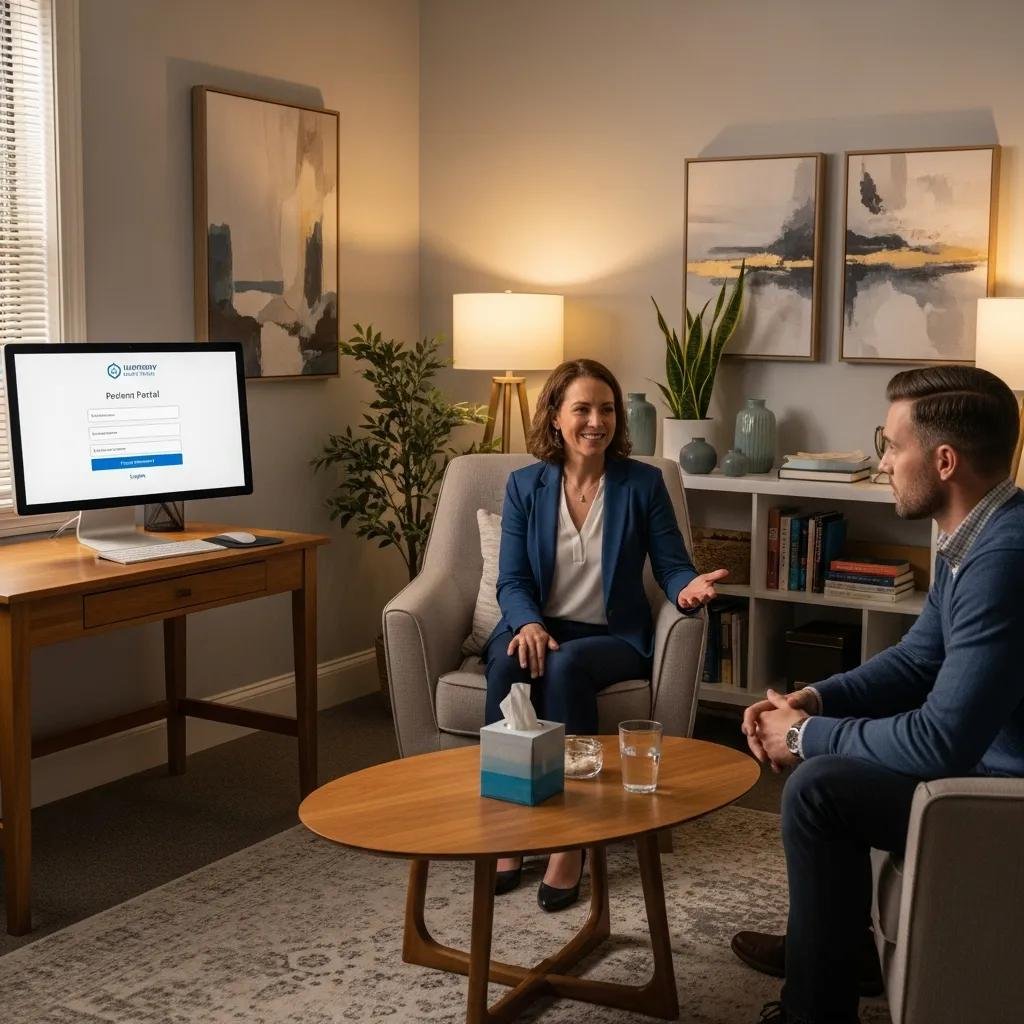
Customize Therapy Template: Tips for a Unique Therapist Site
How to Customize Your Therapy Website Template for Maximum Engagement
Customizing your therapy website template is crucial for establishing a professional online presence that resonates with your target audience. A well-designed website not only reflects your therapeutic approach but also enhances client engagement and trust. In this article, we will explore effective strategies for customizing your therapy website template, ensuring it aligns with your practice’s unique identity.
Many therapists struggle with creating a website that effectively communicates their services and values. By following these expert tips, you can create a website that not only attracts clients but also fosters a sense of connection and professionalism.
We will cover essential topics, including selecting the right template, branding your site, optimizing content, integrating client management tools, ensuring mobile accessibility, and implementing SEO best practices.
Which Therapy Website Template Should You Choose for Your Practice?
Choosing the right therapy website template is a foundational step in establishing your online presence. A well-selected template can enhance user experience and reflect your therapeutic style. When evaluating templates, consider factors such as user-friendliness, aesthetic appeal, and functionality. These criteria ensure that your website not only looks professional but also serves its purpose effectively.
What Criteria Define the Best Template for Therapists and Coaches?
The best templates for therapists and coaches should prioritize user-friendliness, allowing clients to navigate easily. Aesthetically pleasing designs that align with your therapeutic approach can create a welcoming atmosphere. Additionally, functionality is crucial; templates should support essential features like appointment scheduling, contact forms, and secure client communication options. By focusing on these criteria, you can select a template that enhances your practice’s online presence.
How to Select Industry-Specific Templates That Reflect Your Therapeutic Approach?
When selecting a template, it’s essential to align it with your specific therapeutic niche. For instance, templates designed for mental health professionals may incorporate calming colors and imagery that resonate with clients seeking support. Consider how the visual elements of the template can represent your therapeutic style and meet client expectations. This alignment not only enhances your brand but also fosters trust with potential clients.
How Can You Brand Your Therapy Website with Colors, Fonts, and Imagery?
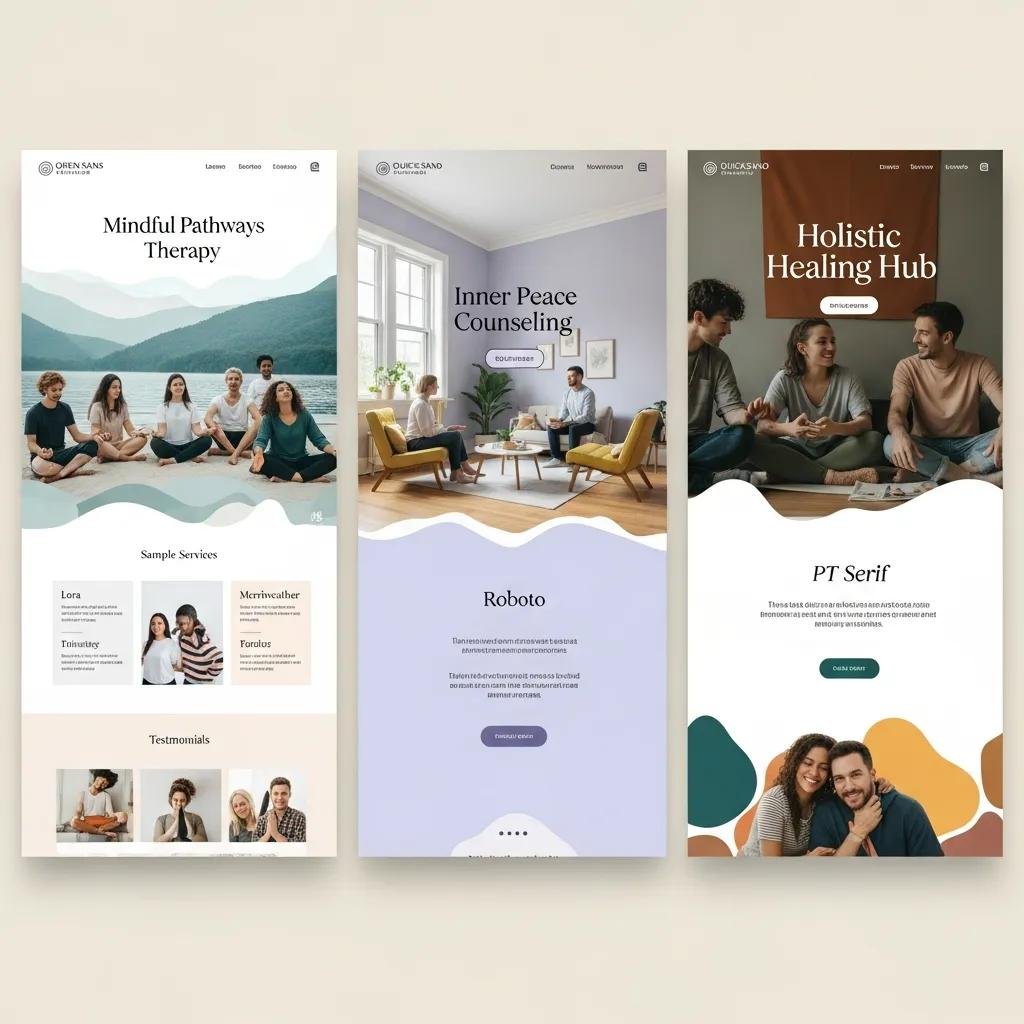
Branding your therapy website effectively involves thoughtful choices in colors, fonts, and imagery. These elements play a significant role in conveying your practice’s values and creating a welcoming environment for clients. By understanding the psychology behind color choices and selecting professional fonts, you can enhance your website’s credibility and appeal.
What Are the Best Calming Color Palettes for Mental Health Websites?
Calming color palettes are essential for mental health websites, as they can evoke feelings of tranquility and safety. Soft blues, greens, and neutral tones are often recommended for their soothing effects. For example, a palette that combines light blue with soft gray can create a serene atmosphere, making clients feel more comfortable when visiting your site. By choosing colors that promote calmness, you can enhance the overall user experience.
How to Choose Professional Fonts and Authentic Imagery to Build Trust?
Selecting professional fonts and authentic imagery is crucial for building trust with your audience. Fonts should be easy to read and convey professionalism; sans-serif fonts like Arial or Helvetica are often effective choices. Additionally, using authentic imagery that reflects your practice and the diversity of your clients can foster a sense of connection. High-quality images of your practice environment or candid shots of you interacting with clients (with appropriate consent) can enhance your website’s credibility.
What Essential Pages and Content Should Your Therapy Website Include?
A well-structured therapy website should include several essential pages to provide comprehensive information to potential clients. Key pages include the Home, About, Services, Contact, Blog, FAQs, and Testimonials. Each page serves a specific purpose in guiding clients through their journey of understanding your practice.
How to Optimize Homepage, About, Services, FAQ, and Contact Pages for Client Engagement?
To optimize these essential pages, focus on engaging content that clearly communicates your services and values. The homepage should provide a concise overview of your practice, while the About page should share your qualifications and therapeutic approach. Detailed descriptions of your services can help clients understand what to expect, and a well-structured FAQ page can address common concerns. Finally, ensure that your Contact page includes a simple form for inquiries, making it easy for potential clients to reach out.
Why Is Clear Messaging and Easy Navigation Crucial for Therapy Websites?
Clear messaging and easy navigation are vital for enhancing user experience on therapy websites. Clients should be able to find information quickly and understand your services without confusion. A well-organized menu and straightforward language can significantly improve client engagement and conversion rates. By prioritizing clarity and simplicity, you can create a website that effectively serves your clients’ needs.
How Do You Integrate Booking and Client Management Tools Seamlessly?
Integrating booking and client management tools into your therapy website can streamline your practice and enhance client experience. These tools allow clients to schedule appointments easily and manage their sessions, contributing to a more efficient workflow.
What Are the Benefits of HIPAA-Compliant Online Scheduling and Intake Forms?
HIPAA-compliant online scheduling and intake forms are essential for maintaining client confidentiality and trust. These tools ensure that sensitive information is handled securely, which is crucial in the mental health field. By offering online scheduling, you provide convenience for clients while ensuring compliance with legal standards. This integration not only enhances client satisfaction but also protects your practice.
How to Incorporate Client Portals and Payment Processing for Private Practices?
Incorporating client portals and payment processing systems can significantly improve the client experience. Client portals allow clients to access their information, schedule appointments, and communicate securely with you. Additionally, integrating payment processing options simplifies billing and ensures timely payments. By implementing these tools, you create a seamless experience that fosters client loyalty and satisfaction.
How Can You Optimize Your Therapy Website for Mobile and Accessibility?
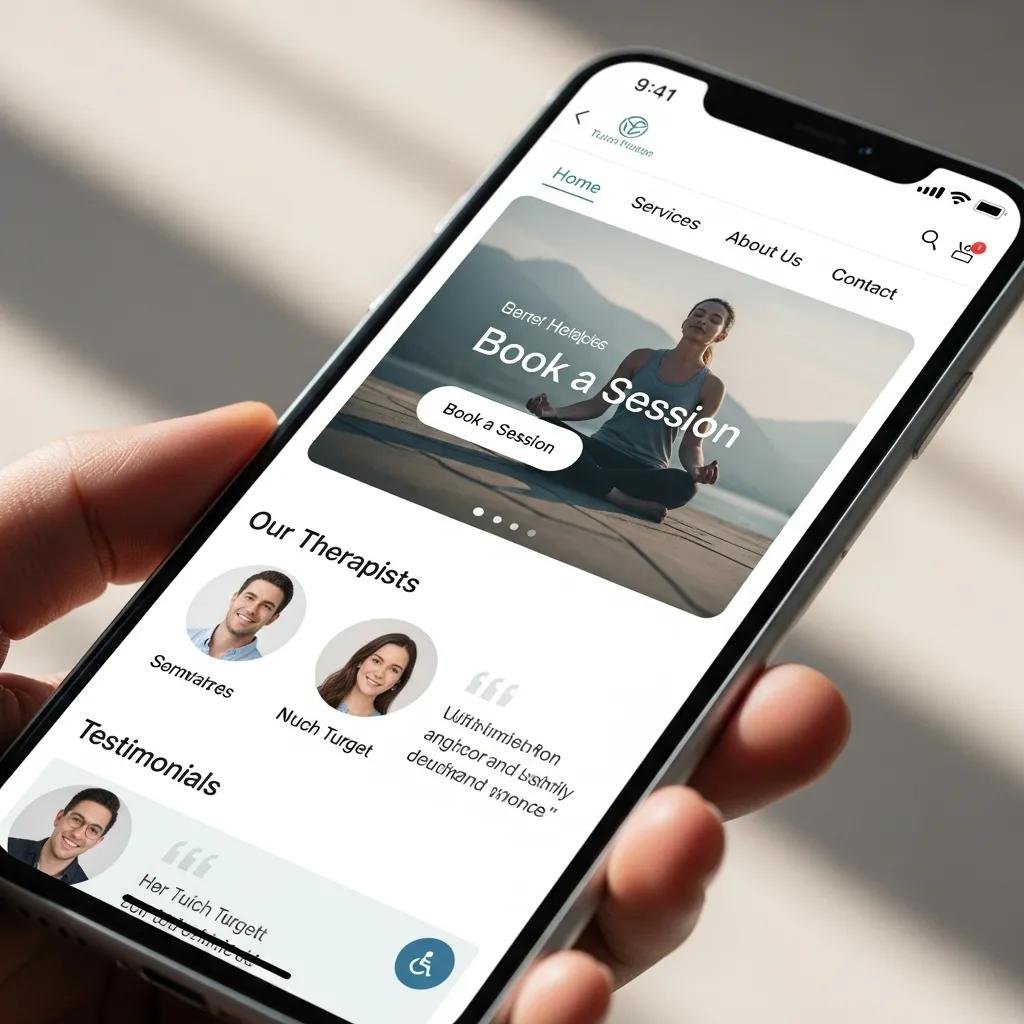
With the increasing use of mobile devices, optimizing your therapy website for mobile and accessibility is crucial. A mobile-friendly design ensures that clients can access your site from any device, while accessibility features make your content available to all users, including those with disabilities.
What Are Responsive Design Principles and Mobile UX Considerations for Therapists?
Responsive design principles involve creating a website that adapts to various screen sizes and devices. This includes using flexible layouts, images, and CSS media queries to ensure a consistent user experience. Mobile UX considerations, such as touch-friendly navigation and fast loading times, are essential for keeping clients engaged. By prioritizing these principles, you can enhance the usability of your website across all devices.
How to Ensure Web Accessibility Compliance with WCAG and ARIA Standards?
Ensuring web accessibility compliance involves adhering to the Web Content Accessibility Guidelines (WCAG) and Accessible Rich Internet Applications (ARIA) standards. These guidelines provide a framework for making web content accessible to individuals with disabilities. Implementing features such as alt text for images, keyboard navigation, and screen reader compatibility can significantly improve accessibility. By prioritizing these standards, you demonstrate your commitment to inclusivity and enhance the overall user experience.
Emphasizing the importance of these guidelines, research further highlights how web accessibility ensures universal usability.
Enhancing Therapy Website Accessibility
Web accessibility ensures that applications are usable by everyone, including people with disabilities, which aligns with principles outlined in the Web Content Accessibility Guidelines.
Enhancing Accessibility in Web Applications: A Comprehensive Study on Common Accessibility Issues and Implementing Solutions in React Application, 2024
What SEO Best Practices Enhance Your Customized Therapy Website’s Visibility?
Implementing effective SEO strategies is essential for increasing your therapy website’s visibility in search engine results. By optimizing your site for search engines, you can attract more potential clients and improve your online presence.
How to Implement On-Page SEO and Local SEO for Private Practice Websites?
On-page SEO involves optimizing individual pages to rank higher in search results. This includes using relevant keywords, optimizing meta tags, and ensuring high-quality content. Local SEO is particularly important for therapy practices, as it helps clients find your services in their area. By claiming your Google Business Profile listing and optimizing for local keywords, you can enhance your visibility to potential clients searching for therapy services nearby.
Why Are Testimonials and Continuous Website Updates Important for SEO?
Testimonials play a crucial role in building trust and credibility with potential clients. Including client reviews on your website can enhance your SEO by providing fresh content and relevant keywords. Additionally, regularly updating your website with new content, such as blog posts or articles, signals to search engines that your site is active and relevant. This practice can improve your search rankings and attract more visitors to your site.
Different essential pages and their importance for a therapy website are summarized in the following table:
This table highlights the critical role each page plays in creating a comprehensive and engaging therapy website.
In conclusion, customizing your therapy website template effectively involves careful consideration of various elements, including template selection, branding, content optimization, and SEO strategies. By implementing these expert tips, you can create a professional online presence that resonates with your target audience and enhances client engagement. Remember, your website is often the first point of contact for potential clients, so investing time and effort into its customization is essential for the success of your practice.