
Create a Stunning Therapist Logo Design for Your Practice
Therapy Logo Design: Effective Strategies & Branding Insights
Creating a logo for your therapy practice is not just about aesthetics; it’s a crucial element of your branding strategy. An impactful logo can communicate your values, establish trust, and attract clients. In this article, we will explore the essential strategies for designing a logo that resonates with your target audience. You will learn about the psychological aspects of logo design, the importance of professional branding, and how to integrate your logo effectively into your online presence. Many therapists struggle with creating a visual identity that reflects their practice’s ethos and connects with potential clients. This guide will provide you with actionable insights to overcome these challenges. We will cover the necessity of a professional logo, the psychology behind effective design, the logo creation process, integration with your website, and sources of inspiration for your logo.
Why Does Your Therapy Practice Need a Professional Logo?
A professional logo is vital for any therapy practice as it establishes credibility and enhances brand recognition. A well-designed logo conveys professionalism and can significantly influence a potential client’s first impression. It serves as a visual representation of your practice’s values and mission, making it easier for clients to connect with your services. In a competitive market, having a distinctive logo can set you apart from other therapists and help you build a loyal client base.
How Does a Logo Build Trust and Credibility with Clients?
Logos play a crucial role in building trust and credibility with clients. A professional logo can evoke feelings of reliability and competence, which are essential in the therapy field. For instance, logos that incorporate calming colors and clean designs can create a sense of safety and professionalism. While specific case studies directly linking logos to higher client engagement and retention rates are limited, branding research generally supports that well-designed visual identities contribute positively to client perceptions. By investing in a professional logo, you signal to potential clients that you take your practice seriously and are committed to providing quality care.
What Role Does a Logo Play in Private Practice Branding?
The logo is a cornerstone of your branding strategy, integrating seamlessly with other branding elements such as your website, business cards, and marketing materials. It helps create a cohesive visual identity that clients can recognize across various platforms. A strong logo not only enhances brand recall but also reinforces your practice’s message and values. By aligning your logo with your overall branding strategy, you can create a powerful visual narrative that resonates with your target audience.
What Is the Psychology Behind Effective Therapy Logo Design?
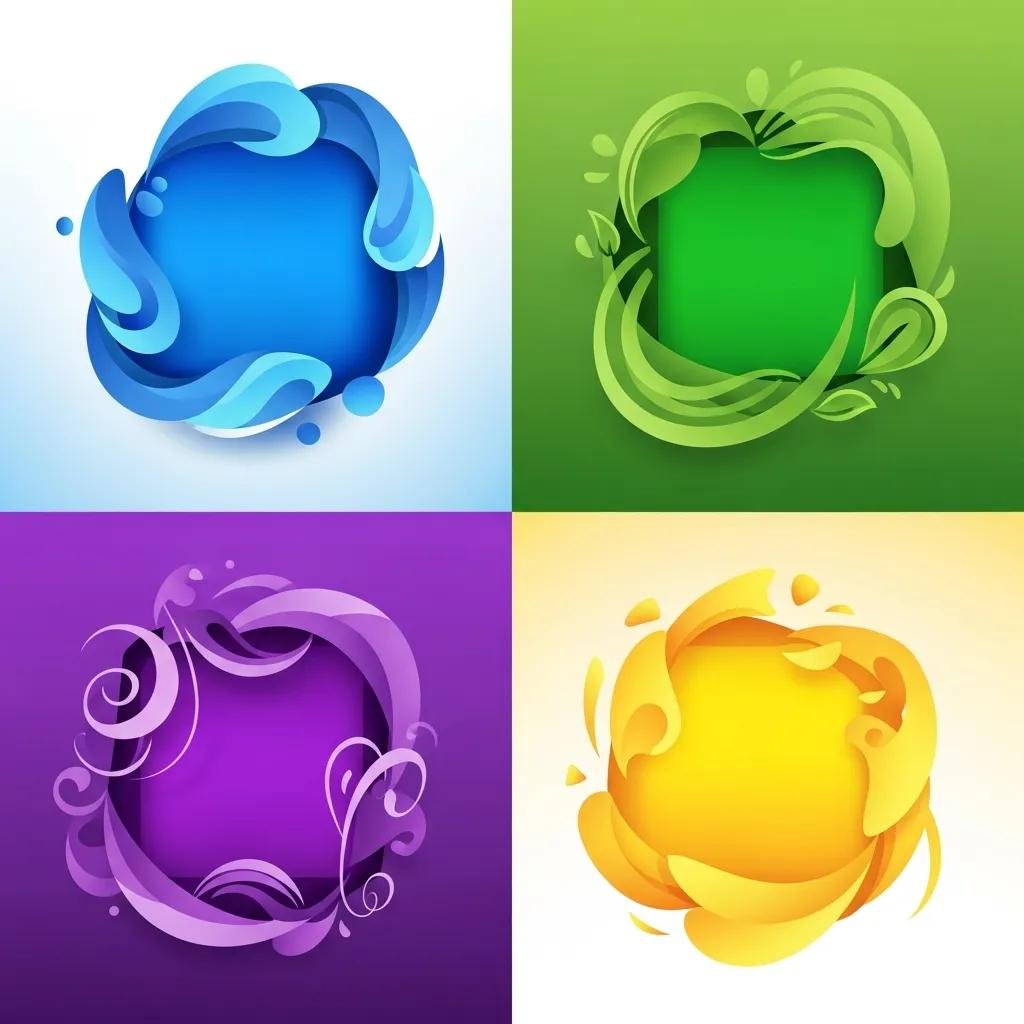
Understanding the psychology behind logo design is essential for creating an impactful logo. Different design elements can evoke specific emotions and perceptions, influencing how clients view your practice. By leveraging these psychological principles, you can design a logo that effectively communicates your practice’s ethos.
Which Colors Convey Calmness and Growth in Mental Health Logos?
Colors play a significant role in logo design, as they can evoke emotions and convey messages. For instance, blue is often associated with calmness and trust, making it a popular choice for therapy logos. Green symbolizes growth and healing, which can resonate well with clients seeking mental health support. Below is a table that compares various colors and their psychological effects in the context of therapy logos.
This table illustrates how color choices can significantly impact client perception and emotional response, guiding you in selecting the right palette for your logo.
How Do Typography and Symbolism Influence Client Perception?
Typography and symbolism are also critical components of logo design. The choice of font can convey professionalism, warmth, or creativity, depending on your practice’s focus. For example, serif fonts often evoke a sense of tradition and reliability, while sans-serif fonts can appear more modern and approachable. Additionally, symbols used in your logo can reinforce your brand message. For instance, incorporating elements like trees or leaves can symbolize growth and healing, aligning with the therapeutic process. By carefully selecting typography and symbols, you can create a logo that resonates with your target audience and reflects your practice’s values.
How Does the Logo Design Process Work for Therapists and Counselors?
The logo design process involves several key steps that ensure your final product aligns with your practice’s identity and goals. Understanding this process can help you make informed decisions about your logo design.
What Are the Benefits of Working with a Professional Designer?

Working with a professional designer offers numerous advantages, including expertise in branding and design principles. A designer can help you articulate your vision and translate it into a visual identity that resonates with your target audience. They can also provide insights into current design trends and ensure that your logo is versatile for various applications, from business cards to social media profiles. By investing in professional design services, you can save time and avoid common pitfalls associated with DIY logo creation.
What Are the Pros and Cons of DIY Logo Creation Tools?
While DIY logo creation tools can be cost-effective, they often lack the depth and customization that a professional designer can provide. These tools may offer limited design options and may not capture the unique essence of your practice. However, they can be useful for therapists on a tight budget or those looking to experiment with ideas before committing to a professional design. It’s essential to weigh the pros and cons of DIY tools against the benefits of professional design to determine the best approach for your practice.
How Can You Integrate Your Logo Seamlessly with Your Therapy Website?
Integrating your logo into your therapy website is crucial for maintaining brand consistency and enhancing user experience. A well-placed logo can improve navigation and reinforce your brand identity.
What Are Best Practices for Logo Placement and Brand Consistency Online?
Best practices for logo placement include positioning it prominently in the header of your website, ensuring it is visible on all pages. Consistency in logo usage across your website and marketing materials is vital for brand recognition. This includes using the same color palette, typography, and design elements associated with your logo. By maintaining consistency, you create a cohesive brand experience that builds trust with your clients.
How Does Logo Integration Enhance Your Social Media and Marketing Materials?
Effective logo integration extends beyond your website to social media and marketing materials. A recognizable logo can enhance your social media presence, making your posts more visually appealing and memorable. Consistent branding across platforms helps clients identify your practice quickly, fostering a sense of familiarity and trust. By incorporating your logo into all marketing materials, you reinforce your brand identity and create a unified message that resonates with your audience.
Where Can You Find Inspiration for Your Therapy Practice Logo?
Finding inspiration for your therapy practice logo can be an exciting part of the design process. There are numerous sources to explore that can spark creativity and help you develop a unique logo.
What Are Popular Therapy Logo Styles Like Nature-Inspired and Minimalist Designs?
Popular logo styles for therapy practices include nature-inspired designs and minimalist aesthetics. Nature-inspired logos often incorporate elements like trees, leaves, or water, symbolizing growth and healing. Minimalist designs focus on simplicity and clarity, using clean lines and limited color palettes to convey professionalism and calmness. Exploring these styles can help you identify the direction you want to take with your logo.
How Do Case Studies Demonstrate the Impact of Custom Therapy Logos?
Case studies of successful therapy practices reveal the significant impact of custom logos on client engagement and brand perception. For instance, practices that invested in unique, professionally designed logos often reported increased client inquiries and improved brand recognition. While specific published case studies on therapy logos are limited, broader branding research supports that custom, professionally designed logos contribute positively to brand perception and client engagement. Analyzing these case studies can provide valuable insights into the effectiveness of various design approaches and help you make informed decisions about your logo.