Core Web Vitals Therapy: Enhance User Experience SEO Today
Improving Core Web Vitals for Therapy Website Performance: Optimize Speed and User Experience for Therapists
In the digital age, a therapy website’s performance can significantly impact client engagement and trust. Core Web Vitals, a set of metrics defined by Google, play a crucial role in determining how well a website performs in terms of speed, responsiveness, and visual stability. This article will explore how therapists can enhance their website performance by focusing on these vital metrics. By understanding and optimizing Core Web Vitals, therapists can improve user experience, which is essential for attracting and retaining clients. We will delve into the specifics of Largest Contentful Paint (LCP), First Input Delay (FID), and Cumulative Layout Shift (CLS), providing actionable strategies for improvement. Additionally, we will discuss best practices for technical SEO and user experience, ensuring that your therapy website not only meets but exceeds client expectations.
What Are Core Web Vitals and Why Do They Matter for Therapy Websites?
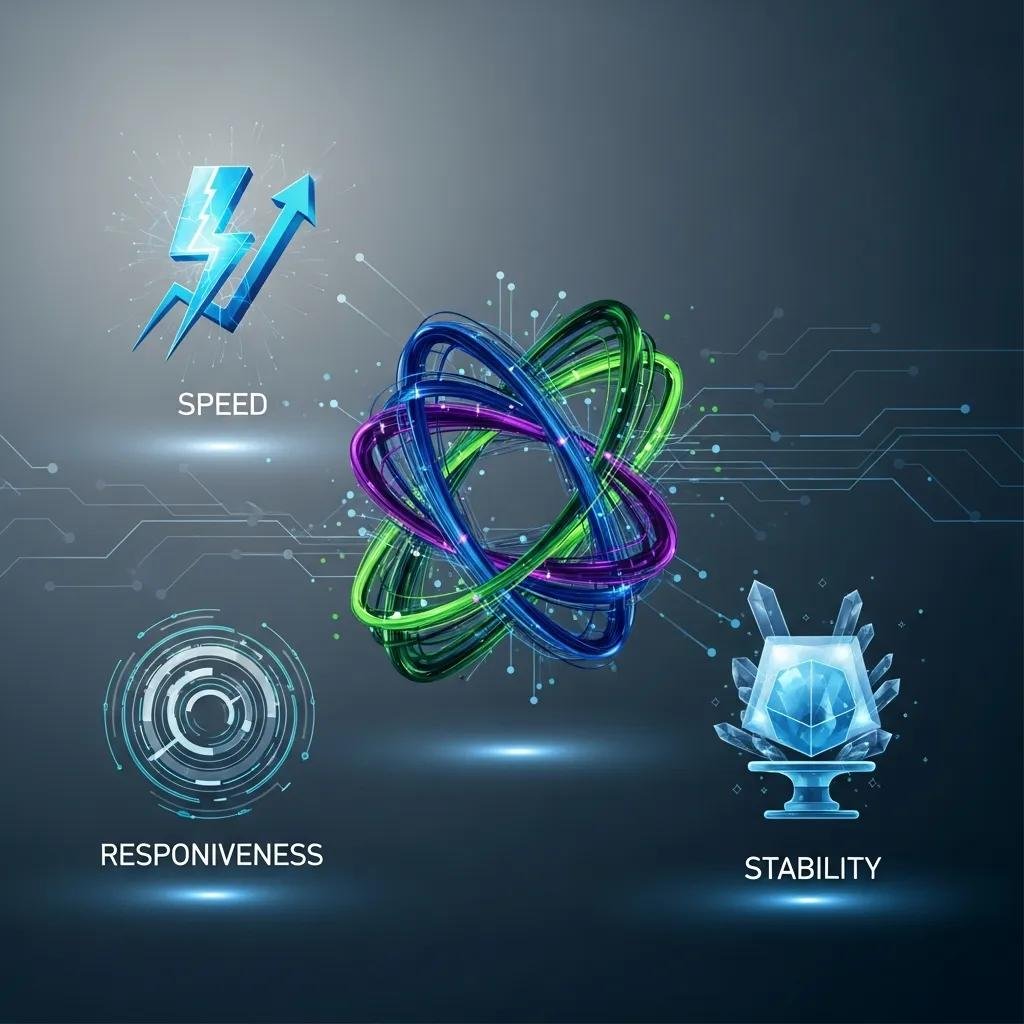
Core Web Vitals are a set of specific factors that Google considers important in a webpage’s overall user experience. These metrics include Largest Contentful Paint (LCP), First Input Delay (FID), and Cumulative Layout Shift (CLS). Each of these metrics measures a different aspect of user experience, from loading performance to interactivity and visual stability. For therapy websites, where user trust and engagement are paramount, optimizing these metrics can lead to improved client satisfaction and retention.
How Do LCP, FID, and CLS Impact Therapist Website Performance?
LCP measures loading performance, specifically how quickly the largest content element on a page loads. A fast LCP (under 2.5 seconds) ensures that users can access critical information quickly, which is vital for retaining potential clients. FID measures interactivity, indicating how quickly a user can interact with a page after it loads. A low FID (under 100 milliseconds) enhances user experience by allowing immediate engagement with booking forms or contact buttons. CLS measures visual stability, ensuring that elements on the page do not shift unexpectedly during loading. A low CLS (under 0.1) prevents frustrating experiences that can lead to user abandonment.
Indeed, the essence of LCP lies in satisfying user expectations by rapidly presenting the most crucial content on a page.
Largest Contentful Paint: Key to Visitor Satisfaction
Visitors are not waiting for just any content to load on the webpage. The browser may quickly load and paint the webpage’s supplementary content, such as the website’s header navigation, but this content will not satisfy visitors. If visitors are loading a product page on an ecommerce website, they want to see information about that product. If visitors are loading an article on a news website, they want to read that article’s text. If visitors have come to a page to complete a form, then visitors want to interact with that form. In short, visitors are waiting for the webpage’s main content to load. The faster the browser paints the webpage’s main content, the more satisfying the visitor experience. Typically, the webpage’s main content will also be the webpage’s largest content.
Largest Contentful Paint, 2024
Why Is Website Speed Crucial for Client Trust and Practice Growth?
Website speed is directly correlated with user trust and satisfaction. Research indicates that 53% of mobile users abandon sites that take longer than three seconds to load. For therapists, a slow website can deter potential clients from seeking services, impacting practice growth. Furthermore, Google considers page experience, including Core Web Vitals, as a ranking factor, meaning that faster and more user-friendly websites are more likely to appear higher in search results, increasing visibility and attracting more clients.
This sentiment is echoed by real-world examples where neglecting website performance, particularly Core Web Vitals, directly impacts customer engagement and search engine standing.
Core Web Vitals: Impact on Website Speed & Customer Interest
XYZ website is a business website that operates in the field of e-commerce which is implemented through websites and applications, for several years the website has had a percentage of users’ usage speed which has decreased quite a bit and has become old, due to lack of maintenance of some of the features contained in the website application which have an impact on the lack of customer interest in buying goods on the XYZ website and more influential in terms of access from searching e-commerce notifications from Google that if the percentage of websites decreases over a long period of time, this will result in websites not being allowed to publish advertisements.
The Website Optimization and Analysis on XYZ Website using the Web Core Vital Method, A Zahra, 2023
How Can Therapists Optimize Largest Contentful Paint for Faster Loading?
Optimizing LCP is essential for improving the loading speed of therapy websites. Several strategies can be employed to achieve this goal.
What Image and Hero Section Strategies Improve LCP on Therapy Sites?
Images often contribute significantly to LCP. Therapists can optimize images by using next-gen formats like WebP, which provide high quality at smaller file sizes. Additionally, implementing lazy loading ensures that images load only when they enter the viewport, reducing initial load times. The hero section, typically the first visual element users see, should be designed with minimal content and optimized images to enhance loading speed.
How Do Font Loading and Critical CSS Affect Therapy Website Speed?
Font loading can also impact LCP. Using system fonts or optimizing web fonts by limiting the number of font weights and styles can reduce loading times. Critical CSS involves inlining the CSS required for above-the-fold content, allowing the browser to render the page faster. By prioritizing the loading of essential styles, therapists can significantly improve LCP.
What Techniques Reduce First Input Delay to Enhance Interactivity?
Reducing FID is crucial for enhancing the interactivity of therapy websites. This can be achieved through various techniques.
How to Optimize Booking Widgets and Third-Party Scripts for Therapists?
Booking widgets and third-party scripts can often slow down interactivity. Therapists should consider deferring the loading of non-essential scripts until after the main content has loaded. Additionally, optimizing the performance of booking widgets by reducing their complexity can lead to faster response times, improving FID.
What JavaScript Minification Practices Improve Mental Health Website Responsiveness?
Minifying JavaScript files reduces their size, leading to faster loading times and improved responsiveness. Therapists can use tools like UglifyJS or Terser to minify their scripts, ensuring that the website remains responsive and interactive. This practice not only enhances FID but also contributes to overall website performance.
How to Minimize Cumulative Layout Shift for Stable Therapy Website Layouts?
Minimizing CLS is essential for maintaining a stable layout on therapy websites. A stable layout enhances user experience by preventing unexpected shifts in content.
Why Is Visual Stability Important for Counselor and Coach Websites?
Visual stability is crucial for maintaining user trust. If elements on a page shift unexpectedly, users may accidentally click on the wrong links or buttons, leading to frustration. Ensuring that all elements have defined dimensions and are loaded in a predictable manner can significantly reduce CLS.
How to Manage Dynamic Content and Media Dimensions to Prevent CLS?
To prevent CLS, therapists should specify dimensions for images and videos in their HTML or CSS. This practice reserves space for these elements during loading, preventing layout shifts. Additionally, managing dynamic content, such as ads or pop-ups, by ensuring they do not interfere with the main content can further enhance visual stability.
What Are Best Practices for Technical SEO and User Experience on Therapy Websites?
Implementing best practices for technical SEO and user experience is vital for therapy websites. These practices ensure that websites are not only optimized for search engines but also provide a seamless experience for users.
How Does Structured Data Enhance Therapy Website Visibility and Trust?
Structured data helps search engines understand the content of a website better, improving visibility in search results. By implementing schema markup, therapists can enhance their website’s appearance in search results, potentially increasing click-through rates. This visibility builds trust with potential clients, as they are more likely to engage with well-presented search results.
Which UX Design Principles Support Client Engagement and Conversion?
User experience (UX) design principles play a significant role in client engagement. Therapists should focus on creating intuitive navigation, ensuring that users can easily find information and services. Additionally, incorporating clear calls to action (CTAs) can guide users toward booking appointments or contacting the practice, ultimately increasing conversion rates.
How to Measure, Monitor, and Improve Core Web Vitals for Therapy Website Success?
Measuring and monitoring Core Web Vitals is essential for ongoing website performance improvement. Therapists can utilize various tools to track these metrics effectively.
What Tools Track LCP, FID, and CLS Effectively for Therapists?
Several tools are available for tracking Core Web Vitals, including Google PageSpeed Insights, Lighthouse, and the Web Vitals Chrome Extension. These tools provide insights into LCP, FID, and CLS, allowing therapists to identify areas for improvement. Regular monitoring ensures that websites maintain optimal performance over time.
How Do Continuous Audits and Case Studies Demonstrate Performance Gains?
Conducting continuous audits of website performance can reveal trends and areas needing attention. Case studies showcasing improvements in Core Web Vitals after implementing specific strategies can serve as valuable evidence for therapists. By sharing these results, therapists can demonstrate their commitment to providing a high-quality user experience.
Therapeia Web Design specializes in creating secure, responsive, and user-friendly websites tailored for therapists, counselors, and coaches. Their comprehensive web design and SEO services, including a “Website in a Week” program, enable therapists to rapidly deploy optimized websites that enhance Core Web Vitals and improve overall performance.