Choose the Best Therapy Website Platform – Expert Comparison
Choosing the Best Therapy Website Platform: A Step-by-Step Guide
Selecting the right website platform for your therapy practice is crucial for establishing a professional online presence. A well-designed website not only attracts potential clients but also enhances your credibility and facilitates communication. In this comprehensive guide, we will explore the essential features to consider when choosing a therapy website platform, the best platforms available, and how custom web design can elevate your practice. Many therapists struggle with outdated or ineffective websites that fail to meet their needs. By understanding the key elements of a successful therapy website, you can make an informed decision that supports your practice’s growth. This article will cover the key features to look for, popular website platforms, the benefits of custom web design, cost considerations, and steps to launch the right website platform.
What Are the Key Features to Look for in a Therapy Website Platform?

When selecting a therapy website platform, several key features can significantly impact your practice’s online effectiveness. These features include:
- Quick and Effective Website Transformations: The ability to create a professional website swiftly is essential for therapists who want to establish their online presence without delays.
- Options for Private Practice Growth and Coaching Web Design: A platform that supports growth through tailored design options can help you reach a broader audience.
- Templates Specifically Designed for Therapists and Coaches: Utilizing templates that cater to the unique needs of therapy practices can streamline the design process.
- Fast Turnaround Time: A platform that promises a website in about a week can alleviate the stress of waiting for your online presence to be established.
- Website Maintenance and Updates: Ongoing support for maintenance ensures your website remains functional and up-to-date.
- SEO and Digital Marketing Services: Integrated SEO tools can enhance your visibility in search engines, attracting more clients.
- E-commerce Web Design Capabilities: If you plan to offer services or products online, e-commerce features are essential.
These features can help create a professional and functional online presence for therapy practices.
How Does HIPAA Compliance Impact Therapy Website Platform Choice?
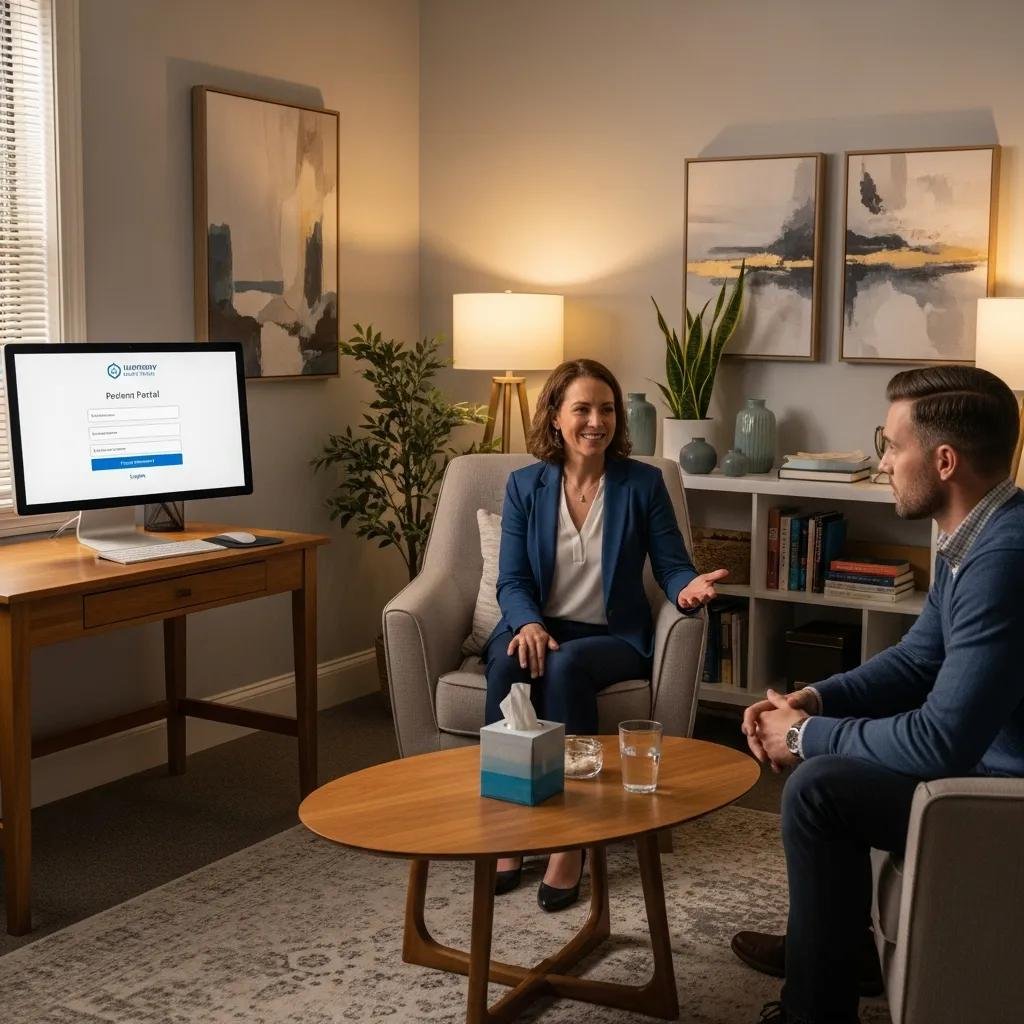
HIPAA compliance is critical for therapy practices as it ensures the protection of client information. When choosing a website platform, it is essential to verify that it offers features that support HIPAA compliance. This includes secure client portals for communication and scheduling, as well as encrypted data storage. Note that not all website platforms are inherently HIPAA-compliant; additional measures or third-party services may be required to ensure compliance. Non-compliance can lead to severe penalties and loss of client trust, making it imperative to prioritize HIPAA-compliant features in your platform selection.
Emphasizing the importance of protecting client data, experts highlight that while some platforms may not be inherently HIPAA-compliant, a long-term strategy must prioritize compliance to manage legal and ethical considerations.
HIPAA Compliance for Therapy Website Platforms
Counseling services as well as medical nutrition therapy (MNT) services would be PHI, as non–HIPAA-compliant platforms. However, your long-term plan should be HIPAA compliance.
Managing HIPAA compliance includes legal and ethical considerations, 2021
Why Are Online Scheduling and Client Portals Essential for Therapists?
Online scheduling and client portals are vital for modern therapy practices. They provide convenience for clients, allowing them to book appointments at their convenience. Studies indicate that practices with online scheduling often experience increased bookings and improved client satisfaction. Additionally, client portals streamline communication, enabling therapists to share resources and updates efficiently. This functionality not only enhances the client experience but also saves time for therapists, allowing them to focus on providing quality care.
Which Popular Website Platforms Are Best Suited for Therapy Practices?
Several website platforms cater specifically to the needs of therapy practices. Understanding their pros and cons can help you make an informed choice.
What Are the Pros and Cons of WordPress for Therapists?
WordPress is a popular choice for therapists due to its flexibility and extensive customization options.
Pros:
- Flexibility and Customization: WordPress offers a wide range of themes and plugins, including some designed for therapy practices.
- SEO-Friendly: Built-in SEO features and plugins help improve visibility in search engines.
Cons:
- Learning Curve: New users may find the platform challenging to navigate initially.
- Maintenance Requirements: Regular updates and maintenance are necessary to ensure security and functionality.
How Do Squarespace and Wix Compare for Therapy Website Builders?
Squarespace and Wix are user-friendly platforms that provide visually appealing templates for therapy websites.
Squarespace:
- Ease of Use: Squarespace offers a drag-and-drop interface, making it easy for therapists to create and manage their websites.
- Design Capabilities: Known for its stunning design templates, Squarespace allows for a professional look without extensive design skills.
Wix:
- Customization Options: Wix provides a variety of templates and customization features, allowing therapists to tailor their websites to their brand.
- Pricing Structures: Wix offers flexible pricing plans, making it accessible for practices of various sizes.
Both platforms have their strengths, and the choice ultimately depends on your specific needs and preferences.
How Does Custom Web Design Enhance Your Therapy Practice’s Online Presence?

Custom web design can significantly enhance your therapy practice’s online presence by providing a unique and tailored experience for your clients.
What Makes Therapeia Web Design’s ‘Website in a Week’ Service Unique?
Therapeia Web Design’s ‘Website in a Week’ service is unique because it promises a quick and effective transformation of a client’s brand and website in about one week. This service is designed to alleviate the stress of website creation, ensuring that the final product is not only beautiful but also functional and ready to launch. The quick turnaround allows therapists to establish their online presence without unnecessary delays.
How Can Customization Reflect Your Therapy Practice’s Brand and Values?
Customization in web design allows therapists to reflect their brand and values effectively. By incorporating specific colors, logos, and messaging, a website can convey the essence of a practice. This visual storytelling engages clients and fosters a sense of connection. Successful branding through web design can enhance client trust and loyalty, making it an essential aspect of your online strategy.
What Are the Cost Considerations When Choosing a Therapy Website Platform?
Understanding the financial aspects of selecting a website platform is crucial for therapists.
How Do DIY Website Builders Compare to Professional Web Design Services?
DIY website builders like Wix and Squarespace offer cost-effective solutions for therapists looking to create their websites independently. However, professional web design services, such as those offered by Therapeia Web Design, provide tailored solutions that can save time and ensure a polished final product. While DIY options may be cheaper upfront, investing in professional services can lead to better long-term results and a more effective online presence.
What Is the Typical Cost Breakdown for Therapy Website Development?
The cost of therapy website development can vary significantly based on the chosen platform and services. Typical costs include:
- Initial Setup Costs: This may range from $500 to $5,000 depending on the complexity of the website and the level of customization.
- Ongoing Maintenance Costs: Monthly maintenance can range from $50 to $200, depending on the services required.
- Budgeting Tips: It’s essential to plan for both initial and ongoing costs to ensure your website remains functional and effective.
How Can SEO and Mobile Responsiveness Improve Your Therapy Website’s Effectiveness?
SEO and mobile responsiveness are critical components of a successful therapy website.
What SEO Strategies Are Most Effective for Private Practice Websites?
Effective SEO strategies for private practice websites include:
- Keyword Research: Identifying relevant keywords that potential clients are searching for can enhance visibility.
- Local SEO Tactics: Optimizing for local search can help attract clients in your area.
- Content Marketing: Regularly updating your website with valuable content can improve search rankings and engage visitors.
Implementing these strategies can significantly increase your website’s effectiveness in attracting new clients.
Recognizing the challenges many practitioners face in navigating the online landscape, a comprehensive digital marketing plan is essential for attracting new clients and ensuring they find reliable information.
Digital Marketing Strategies for Private Therapy Practices
This article provides a digital marketing plan for getting new patients to contact your office for hearing healthcare services. Practitioners and managers are frustrated and confused by what they should be doing online. Patients continue to find other sources of misinformation before locating an established practice that can help them hear better and get much more out of their hearing healthcare.
Digital marketing for private practice: how to attract new patients, 2019
Why Is Mobile-First Design Critical for Therapist Websites?
With the increasing use of mobile devices, mobile-first design is essential for therapist websites. A mobile-responsive design ensures that your website functions well on all devices, providing a seamless user experience. Studies show that mobile-friendly websites have higher engagement rates and lower bounce rates, making it crucial for therapists to prioritize mobile optimization in their web design strategy.
What Steps Should Therapists Follow to Choose and Launch the Right Website Platform?
Choosing and launching the right website platform involves several key steps.
How to Evaluate Platform Features Against Your Practice Needs?
When evaluating platform features, consider the specific needs of your practice. Create a checklist of essential features, such as HIPAA compliance support, online scheduling, and SEO capabilities. Compare different platforms against this checklist to identify the best fit for your practice.
What Are the Benefits of Using a Decision Tree or Quiz to Select a Platform?
Using a decision tree or quiz can simplify the platform selection process. These tools guide therapists through a series of questions to help identify their specific needs and preferences. This interactive approach not only clarifies options but also engages therapists in the decision-making process, leading to a more informed choice.
This comparison highlights the strengths and weaknesses of popular website platforms, aiding therapists in making an informed decision.
Understanding the cost breakdown can help therapists budget effectively for their website development and maintenance.
In conclusion, choosing the best website platform for your therapy practice involves careful consideration of features, costs, and design options. By prioritizing essential elements such as HIPAA compliance support, SEO capabilities, and user-friendly design, therapists can create an effective online presence that supports their practice’s growth and success.