Build Strong Client Relationships Through Email Newsletters
Email Newsletters for Therapists: Build Trust & Boost Retention
Email marketing has emerged as a vital tool for therapists looking to enhance client relationships and grow their practices.
This article will explore the essential strategies therapists can employ to leverage email marketing effectively.
By understanding the mechanisms behind email marketing, therapists can build trust, engage clients, and ultimately improve retention rates.
Many therapists struggle with maintaining consistent communication with clients, which can lead to disengagement.
Email marketing offers a solution by providing a direct line of communication that fosters ongoing relationships.
We will delve into the importance of email marketing, HIPAA compliance, strategies for building an engaged email list, content ideas for nurturing client relationships, and the best email marketing platforms for private practices.
Why is Email Marketing Essential for Therapists and Private Practices?
Email marketing is crucial for therapists and private practices as it facilitates direct communication with clients, enhances engagement, and builds trust. By utilizing email marketing, therapists can maintain a consistent presence in their clients’ lives, which is essential for fostering long-term relationships. This approach not only helps in retaining clients but also encourages referrals, ultimately contributing to practice growth.
How Does Email Marketing Build Trust and Client Engagement?

Email marketing builds trust and client engagement through personalized communication and regular updates. By sending tailored messages that address clients’ specific needs and interests, therapists can create a sense of connection. Regular communication, such as newsletters or informative emails, keeps clients informed about services, updates, and relevant mental health topics. This consistent engagement fosters a trusting relationship, making clients more likely to return for future sessions.
What Are the Key Benefits of Email Marketing for Therapy Practices?
The key benefits of email marketing for therapy practices include:
- Cost-Effectiveness: Email marketing is a low-cost method of reaching a large audience compared to traditional marketing channels.
- Direct Communication Channel: It allows therapists to communicate directly with clients, ensuring that important information reaches them promptly.
- Ability to Track Engagement: Email marketing platforms provide analytics that help therapists understand client engagement, allowing for adjustments in strategy to improve effectiveness.
How Can Therapists Ensure HIPAA Compliant Email Marketing?
Ensuring HIPAA compliance in email marketing is essential for therapists to protect client privacy and maintain trust. Therapists must understand the regulations surrounding client information and implement best practices to safeguard sensitive data.
What Are the Ethical Considerations in Therapist Email Marketing?
Ethical considerations in therapist email marketing include obtaining informed consent from clients before sending marketing materials. Therapists should respect client privacy and ensure transparency in communication. This means clearly stating what type of content clients can expect and how their information will be used.
These ethical considerations are paramount, as responsible digital marketing in healthcare requires a deep understanding of legal and privacy implications.
Ethical Digital Marketing & HIPAA for Healthcare
This chapter addresses the ethical, legal, and privacy considerations essential to responsible digital marketing in healthcare. It outlines the risks associated with data collection, targeted advertising, and the use of emerging technologies such as AI and predictive analytics. The chapter emphasizes the importance of safeguarding protected health information (PHI) under HIPAA, obtaining informed patient consent, and ensuring truthful, evidence-based communications. Real-world examples highlight the consequences of privacy breaches and unethical campaigns, while practical strategies guide marketers in balancing engagement with patient confidentiality.
Ethical Considerations and Patient Privacy in Digital Marketing for Healthcare, 2025
Which Best Practices Protect Patient Privacy in Email Campaigns?
To protect patient privacy in email campaigns, therapists should follow these best practices:
- Use of Secure Platforms: Choose email marketing platforms that offer encryption and secure data storage.
- Data Encryption: Ensure that all client information is encrypted during transmission to prevent unauthorized access.
- Regular Audits of Email Practices: Conduct regular audits to ensure compliance with HIPAA regulations and identify any potential vulnerabilities.
What Strategies Help Therapists Build and Grow an Engaged Email List?
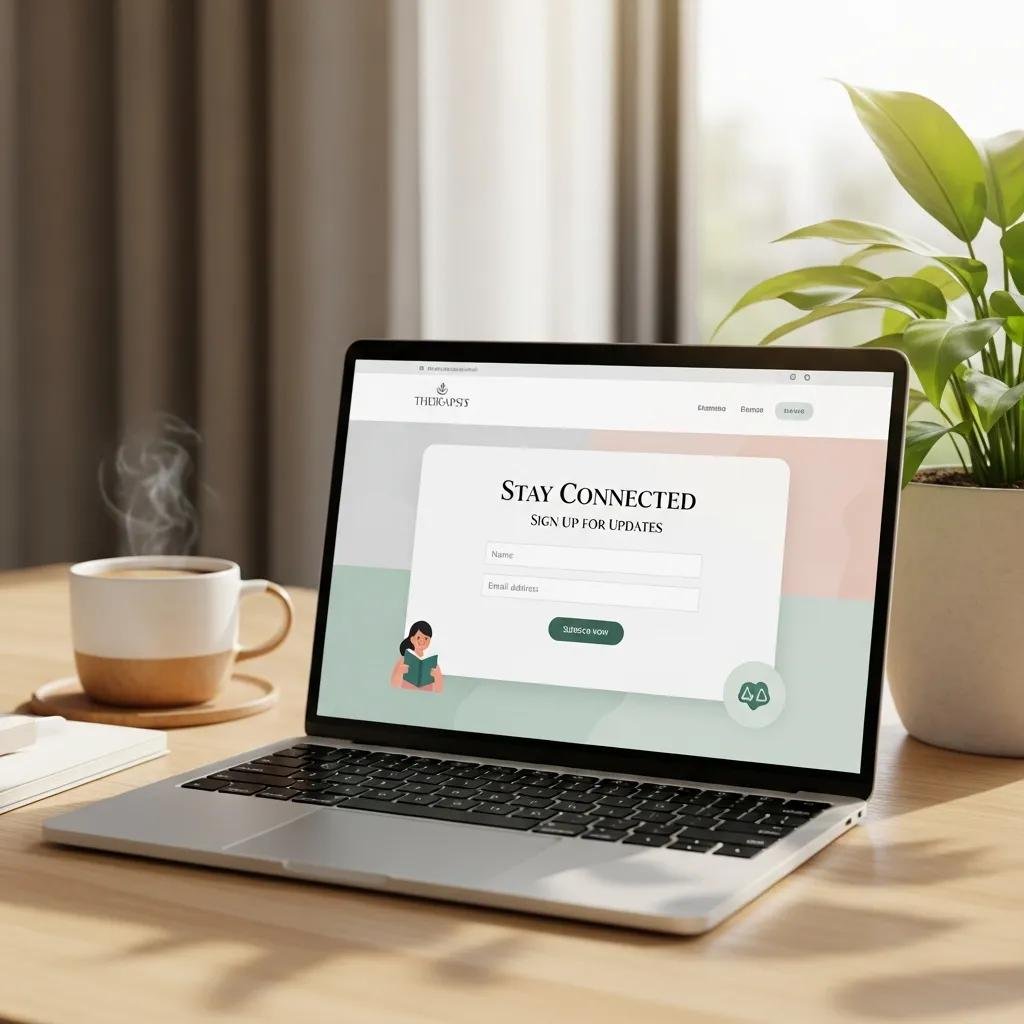
Building and growing an engaged email list is vital for effective email marketing. Therapists can implement several strategies to attract and retain subscribers.
How to Use Website Sign-Up Forms and Lead Magnets Effectively?
To use website sign-up forms and lead magnets effectively, consider the following strategies:
- Offer Incentives: Provide a compelling reason for users to sign up, such as exclusive content or helpful resources (note: discounts on therapy sessions may raise ethical concerns and should be used cautiously).
- Clear Call to Action: Use direct and engaging language in your call to action, like “JOIN THE NEWSLETTER & RECEIVE EXCLUSIVE TIPS.”
- Simplify the Process: Keep the sign-up form simple, asking only for essential information, such as an email address.
- Highlight Benefits: Clearly communicate the value of signing up, such as access to special resources.
- Follow Up: After sign-up, ensure you follow up with relevant content or offers to maintain engagement.
These strategies can help maximize the effectiveness of your sign-up forms and lead magnets.
What Are Ethical Ways to Obtain Consent and Build Your Email List?
Ethical ways to obtain consent and build your email list include:
- Transparency in Consent: Clearly explain what clients are signing up for and how their information will be used.
- Respecting Client Autonomy: Allow clients to opt-in voluntarily without pressure.
- Clear Communication of Email Content: Inform clients about the type of content they can expect to receive, ensuring they are comfortable with the information shared.
What Content Should Therapists Send to Nurture Client Relationships?
Nurturing client relationships through email content is essential for maintaining engagement and trust. Therapists should focus on providing valuable and relevant information.
Which Therapist Email Newsletter Ideas Foster Client Connection?
Therapists can foster client connection through various newsletter ideas, including:
- Inspiration and Motivation: Share uplifting quotes or success stories that resonate with clients.
- Resources for Self-Care: Provide tips and resources that clients can use to enhance their well-being.
- Updates on Services: Keep clients informed about new services, workshops, or events that may interest them.
How Do Automated Email Sequences Enhance Client Retention?
Automated email sequences can enhance client retention by providing timely and relevant information. For example, welcome sequences can introduce new clients to the practice, while follow-up emails can check in on clients after sessions. Re-engagement strategies can also be implemented to reconnect with clients who may have become inactive.
Further emphasizing the importance of strategic email use, comprehensive frameworks exist to guide healthcare providers in leveraging email marketing for patient retention and engagement.
Email Marketing for Patient Retention & Engagement
This chapter presents a comprehensive framework for using email marketing to strengthen patient retention and engagement in healthcare. It covers personalization techniques tailored to patient segments, best practices for list management, and strategies for optimizing frequency and timing to improve open and click-through rates. Legal and compliance considerations, including HIPAA, GDPR, and CAN-SPAM, are addressed to ensure privacy and trust. The chapter also explores the impact of the shift toward first-party data as third-party cookies are phased out, detailing how healthcare organizations can use patient-provided data to create relevant, permission-based campaigns.
Email Marketing Strategies for Patient Retention and Engagement, 2025
Which Are the Best Email Marketing Platforms for Private Practice?
Choosing the right email marketing platform is crucial for therapists to effectively manage their campaigns and maintain compliance.
What Features Make an Email Platform HIPAA Compliant for Therapists?
When selecting an email marketing platform, therapists should look for features that ensure HIPAA compliance, such as:
- Data Encryption: Protects client information during transmission.
- Secure Storage: Ensures that client data is stored securely and accessed only by authorized personnel.
- Business Associate Agreements: Establishes a formal agreement with the email service provider to ensure compliance with HIPAA regulations.
How Do Popular Platforms Compare for Therapist Needs?
To help therapists choose the right email marketing platform, the following table compares popular options based on key features:
This comparison highlights the importance of selecting a platform that meets both marketing needs and compliance requirements.
How to Integrate Email Marketing with Your Therapist Website Effectively?
Integrating email marketing with a therapist’s website is essential for maximizing the effectiveness of campaigns.
How to Add Sign-Up Forms and Landing Pages to Your Website?
To add sign-up forms and landing pages to your website, you can use the “JOIN THE NEWSLETTER” section on the Therapeia website as a reference. This section allows users to subscribe by entering their email to receive exclusive content or offers. You can create similar forms by integrating email subscription services and designing landing pages that capture user information effectively.
How Can Website Analytics Inform Your Email Marketing Strategy?
Website analytics can inform your email marketing strategy by providing insights into client behavior and engagement. By tracking metrics such as open rates, click-through rates, and conversion rates, therapists can adjust their content and strategies to better meet client needs. This data-driven approach ensures that email marketing efforts are effective and aligned with client interests.